The best walks and hikes around Ham-Sur-Meuse
4.4
(2517)
11,029
hikers
458
hikes
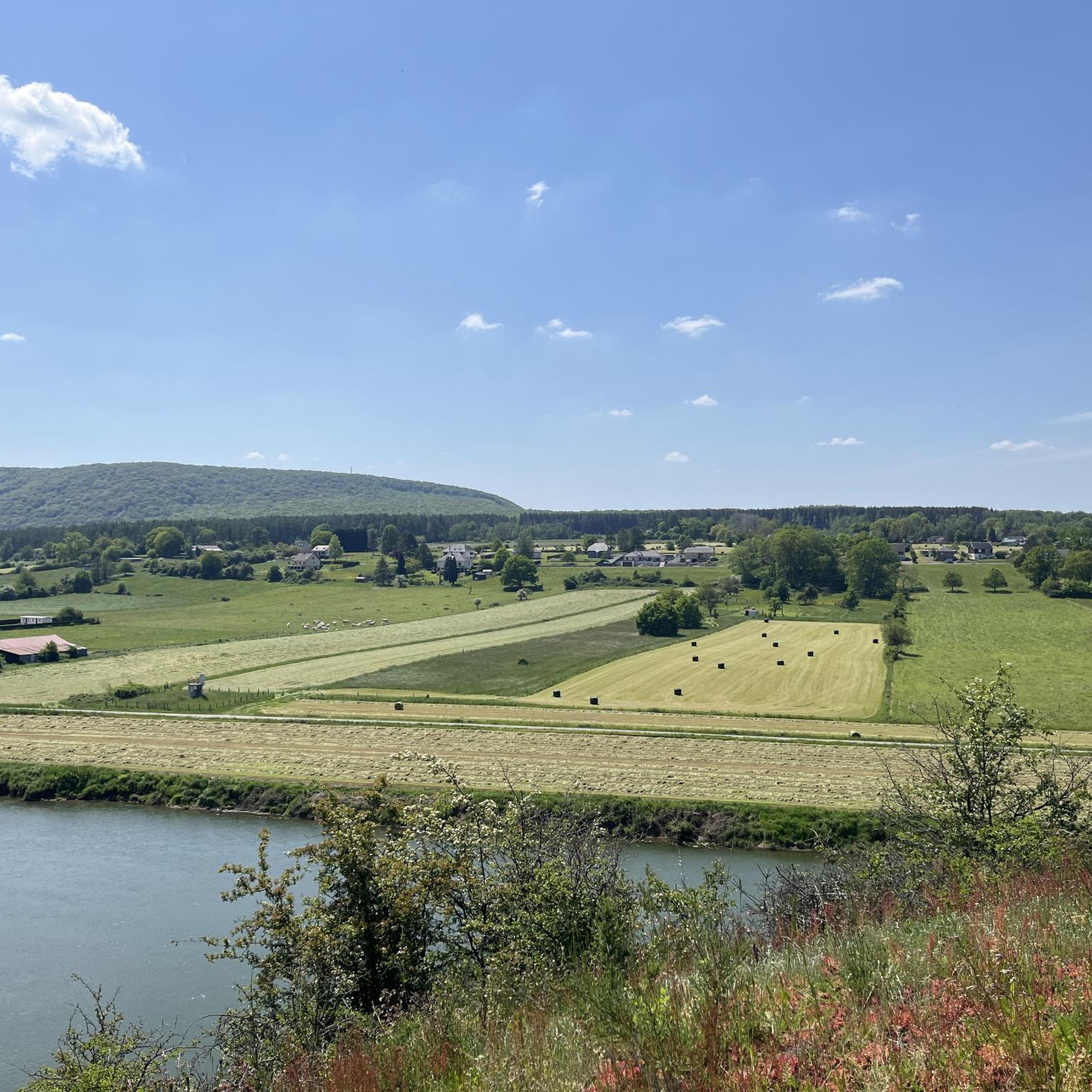
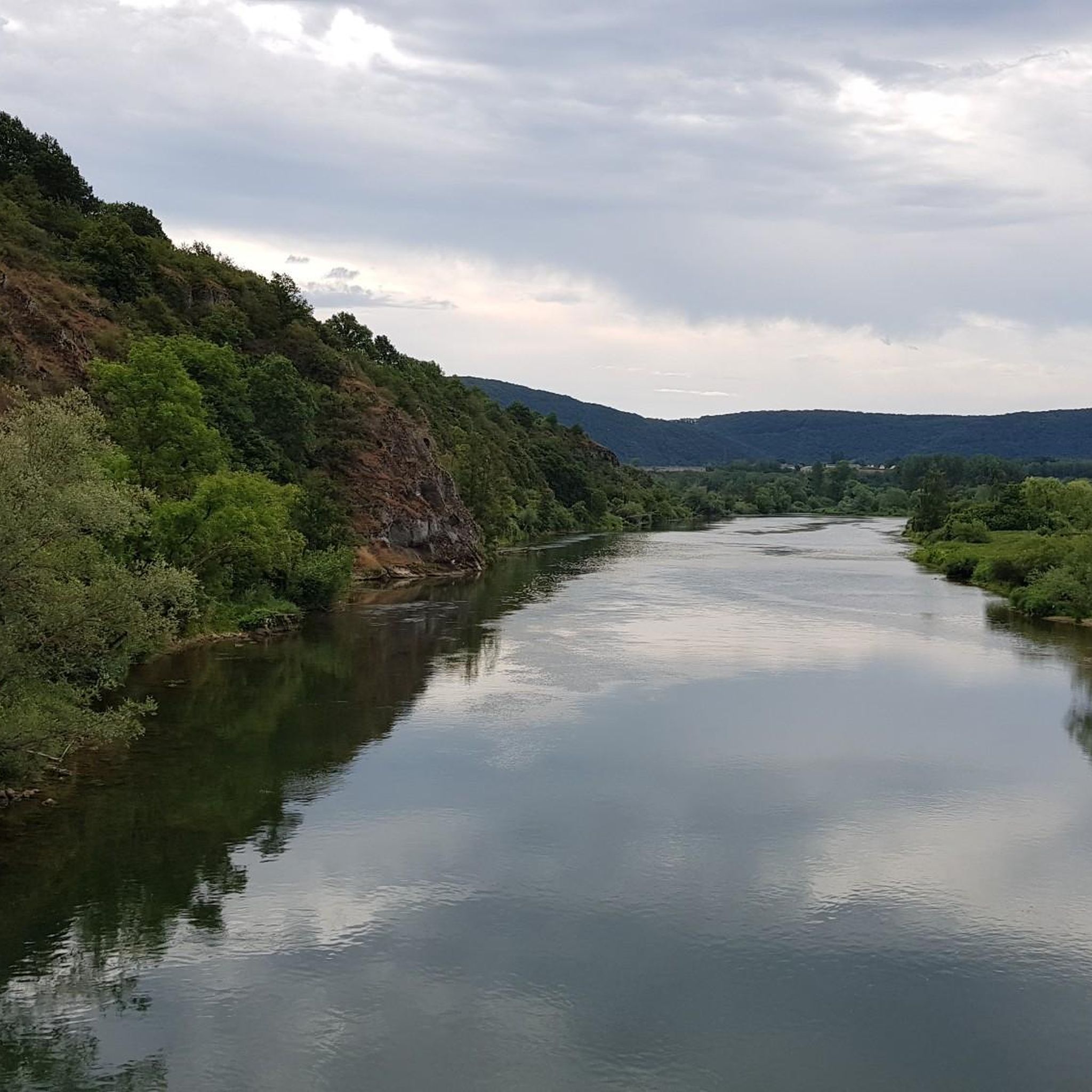
Hiking around Ham-Sur-Meuse offers diverse landscapes within the Meuse Valley, characterized by its riverine setting and surrounding forests. The region features varied topography, including narrow paths, steep slopes, and rock formations, particularly within the Montagne de la Bigne Nature Reserve. This area, part of the wider Ardennes, provides a network of trails through valleys, dense forests, and high plateaus. Hikers can expect routes with elevation changes and scenic viewpoints overlooking the Meuse River.
Best hiking trails around Ham-Sur-Meuse
- The most…
Last updated: June 30, 2026
4.6
(5)
21
hikers
7.01km
01:55
110m
110m
Easy hike. Great for any fitness level. Easily-accessible paths. Suitable for all skill levels.
4.3
(3)
28
hikers
4.73km
01:24
120m
120m
Moderate hike. Great for any fitness level. Mostly accessible paths. Sure-footedness required.

Sign up for free
4.4
(5)
19
hikers
12.4km
03:28
250m
250m
Moderate hike. Good fitness required. Easily-accessible paths. Suitable for all skill levels.
5.0
(1)
20
hikers
12.6km
03:15
60m
60m
Moderate hike. Good fitness required. Easily-accessible paths. Suitable for all skill levels.
4.0
(3)
12
hikers
6.18km
01:52
180m
180m
Easy hike. Great for any fitness level. Easily-accessible paths. Suitable for all skill levels.
Get access to more routes and recommendations from other explorers.
Sign up for free
Already have an account?
Our route recommendations are based on thousands of hikes, rides, and runs completed by other people on komoot.
Start today with a free account
Your next adventure awaits.
Login or Signup

Tips from the Community

Renaissance chateau destroyed by a fire in 1793. It is a classified private place located near the border.
0
0


Picturesque village with the possibility of stopping for something to eat, or to see the castle which overlooks the village with its small cobbled streets.
0
0

The construction of Fort Charlemont began in 1555 by order of Emperor Charles V. It dominates Givet and the Meuse valley. The fort and its defences have been modified several times. Between around 1600 and 1675, the Spanish expanded the fort. In 1678, it was conquered by the French army of King Louis XIV. The town fell to France in 1697. Vauban was commissioned to expand the complex and improve the works. In 1874, several forts on the border were modified based on the ideas of Séré de Rivières, including this fort. The bastions were rebuilt and an underground staircase with several hundred steps was dug into the rock. The staircase connects the fort to a railway tunnel. In this way, the fort could be supplied with ammunition, soldiers and equipment, all out of sight of the enemy and invulnerable to enemy artillery fire. In 2009, the French army transferred the fort to the municipality of Givet.
1
0

Albert I, born on 8 April 1875 in Brussels (Belgium) and died on 17 February 1934 in Marche-les-Dames (Belgium), was King of the Belgians from 1909 to 1934. Duke of Saxony, Prince of Saxe-Coburg and Gotha and heir to the Belgian crown from 1905 to 1909, he became the third sovereign of Belgium after the death of his uncle Leopold II. On 2 October 1900, he married Elisabeth in Bavaria, with whom he shared a humanist and pacifist vision of society. The king and queen quickly formed a popular couple and gave a modernised image of the monarchy, whose style they renewed. Coming from a lineage with Germanic roots and the husband of a German princess, the king chose in 1914 to defend his country, which had been created neutral, and to fight against the German invasion, affirming the Belgian character of his dynasty. From the First World War onwards, Albert became the subject of a veritable myth that extended far beyond the Belgian borders, garnering the warlike nicknames of Soldier King or Knight King. After the armistice of 1918, the king frequently intervened in Belgian political matters. In 1919, while the Constitution limited his powers, he succeeded during the Lophem interview in convincing the most eminent Belgian politicians of the need to adopt pure and simple universal male suffrage. The king advocated the effective equality of the two national languages, the recognition of freedom of association, the extension of social legislation and the development of science. In terms of international relations, he made long official and private trips abroad: the United States in 1919, Brazil the following year, India in 1925, not forgetting the Congo in 1928 and 1932 and finally Syria and Palestine in 1933. A mountaineering enthusiast, with several important ascents to his credit, he died in 1934 while climbing in the Meuse Valley in Belgium. His eldest son succeeded him under the name of Leopold III.
0
0

panoramic point with beautiful views over the beautiful landscape
0
0
Frequently Asked Questions
How many hiking trails are there in Ham-Sur-Meuse?
There are over 450 hiking routes available around Ham-Sur-Meuse, catering to various skill levels. This includes more than 160 easy routes, over 240 moderate trails, and nearly 40 difficult options for experienced hikers.
What kind of terrain can I expect on hikes around Ham-Sur-Meuse?
The terrain in Ham-Sur-Meuse is quite diverse, reflecting its location in the Meuse Valley and the wider Ardennes. You can expect varied topography, including narrow paths, steep slopes, and impressive high rocks, particularly within the Montagne de la Bigne Nature Reserve. Many trails also feature dense forests, riverine paths along the Meuse, and elevated viewpoints.
Are there easy hiking trails suitable for beginners in Ham-Sur-Meuse?
Yes, Ham-Sur-Meuse offers a good selection of easy trails. There are over 160 easy routes, many of which are gentle loops through woodlands or along the river, perfect for beginners or those looking for a relaxed stroll. These trails often have minimal elevation gain and are well-suited for a leisurely pace.
Are there any longer or more challenging hikes in the area?
For those seeking a challenge, Ham-Sur-Meuse has nearly 40 difficult routes. One such option is the Observation Tower – Village of Hierges loop from Hierges, which covers over 7 km and includes significant elevation changes, offering a more strenuous experience through varied landscapes.
What attractions or landmarks can I see near the hiking trails?
Many trails offer views of local landmarks. For instance, you can explore the medieval village of Hierges and its castle. The Hierges Castle and Doische Loop from Vaucelles provides excellent views of Hierges Castle. You might also encounter an Observation Tower on some routes, offering panoramic views of the surrounding area, such as on the Observation Tower – Village of Hierges loop from Aubrives.
Are there any circular walks around Ham-Sur-Meuse?
Yes, many of the hiking routes around Ham-Sur-Meuse are designed as circular walks, allowing you to start and end at the same point. For example, the View of Hierges Castle – Village of Hierges loop from Hierges is a popular circular path that offers scenic perspectives of the village and its castle.
Can I bring my dog on the hiking trails in Ham-Sur-Meuse?
Generally, dogs are welcome on most hiking trails in the Ham-Sur-Meuse area, especially in the natural forested areas. However, it's always advisable to keep them on a leash, particularly in nature reserves like Montagne de la Bigne, to protect local wildlife and ensure a pleasant experience for all hikers.
Are there family-friendly hiking options in Ham-Sur-Meuse?
Absolutely. With over 160 easy routes, many trails are suitable for families with children. The flat and safe Trans-Ardennes Green Route, which passes directly through Ham-Sur-Meuse, is also ideal for walks with younger family members. Look for shorter, less strenuous loops that explore the riverbanks or gentle forest paths.
What do other hikers enjoy most about hiking in Ham-Sur-Meuse?
The area is highly rated by the komoot community, with an average score of 4.4 stars from over 2200 reviews. Hikers often praise the peaceful river landscapes, the varied forest trails, and the stunning viewpoints overlooking the Meuse Valley. The sense of 'zero stress' and the natural beauty are frequently highlighted.
Is there parking available for hikers in Ham-Sur-Meuse?
While specific parking details vary by trailhead, Ham-Sur-Meuse and nearby villages generally offer public parking options. It's common to find designated parking areas near popular starting points for trails, especially in or around the village centers.
Can I reach the hiking trails by public transport?
Ham-Sur-Meuse is a small village, and public transport options might be limited. While some regional bus services may connect to larger towns, accessing specific trailheads often requires a car. However, the Trans-Ardennes Green Route is easily accessible directly from the village, offering a great walking option without needing a car.
What is the best time of year to go hiking in Ham-Sur-Meuse?
The Ham-Sur-Meuse region is beautiful throughout the year. Spring brings lush greenery and blooming wildflowers, while autumn offers spectacular fall foliage in the dense forests. Summer is ideal for enjoying the Meuse River, and even winter walks can be serene, though some paths might be muddy or require appropriate gear.
Most popular routes around Ham-Sur-Meuse
Most popular attractions around Ham-Sur-Meuse

Get inspired with the komoot mobile app


Explore more
Browse the best Hikes in other regions.
