The best running trails around Plassac
4.5
(77)
1,495
runners
12
runs
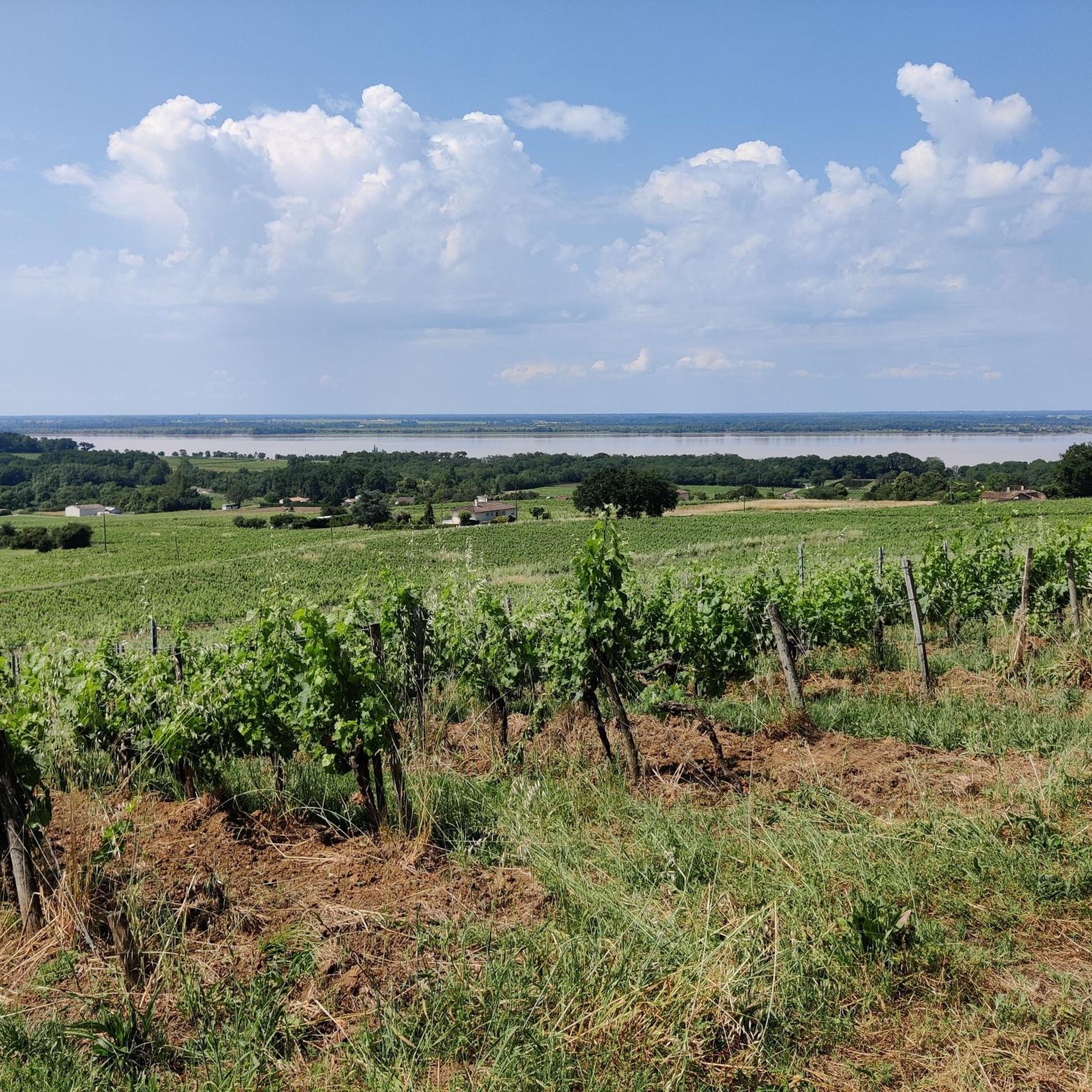
Jogging routes Plassac are characterized by their location along the Gironde Estuary, offering varied terrain that includes hilly countryside and vineyards. The region features an elevated vantage point at the Vierge de Montuzet, providing views of the estuary and surrounding landscapes. The Port of Plassac also offers picturesque paths along the water.
Best jogging routes around Plassac
- The most popular jogging route is Plassac Hills Loop, a 5.0 miles (8.1 km) trail that takes about 56 minutes to complete,…
Last updated: June 24, 2026
4
runners
8.10km
00:56
90m
90m
Jog the moderate 5.0-mile Loop of Plassac, featuring varied terrain, Gironde estuary views, and charming village streets.
9
runners
10.3km
01:13
150m
150m
Moderate run. Good fitness required. Mostly paved surfaces. Suitable for all skill levels.

Sign up for free
6
runners
11.3km
01:12
90m
90m
Moderate run. Good fitness required. Mostly paved surfaces. Suitable for all skill levels.
6
runners
9.75km
01:03
90m
80m
Moderate run. Good fitness required. Mostly paved surfaces. Suitable for all skill levels.
4
runners
6.42km
00:41
60m
60m
Moderate run. Good fitness required. Mostly paved surfaces. Suitable for all skill levels.
Get access to more routes and recommendations from other explorers.
Sign up for free
Already have an account?
Our route recommendations are based on thousands of hikes, rides, and runs completed by other people on komoot.
Start today with a free account
Your next adventure awaits.
Login or Signup

Tips from the Community

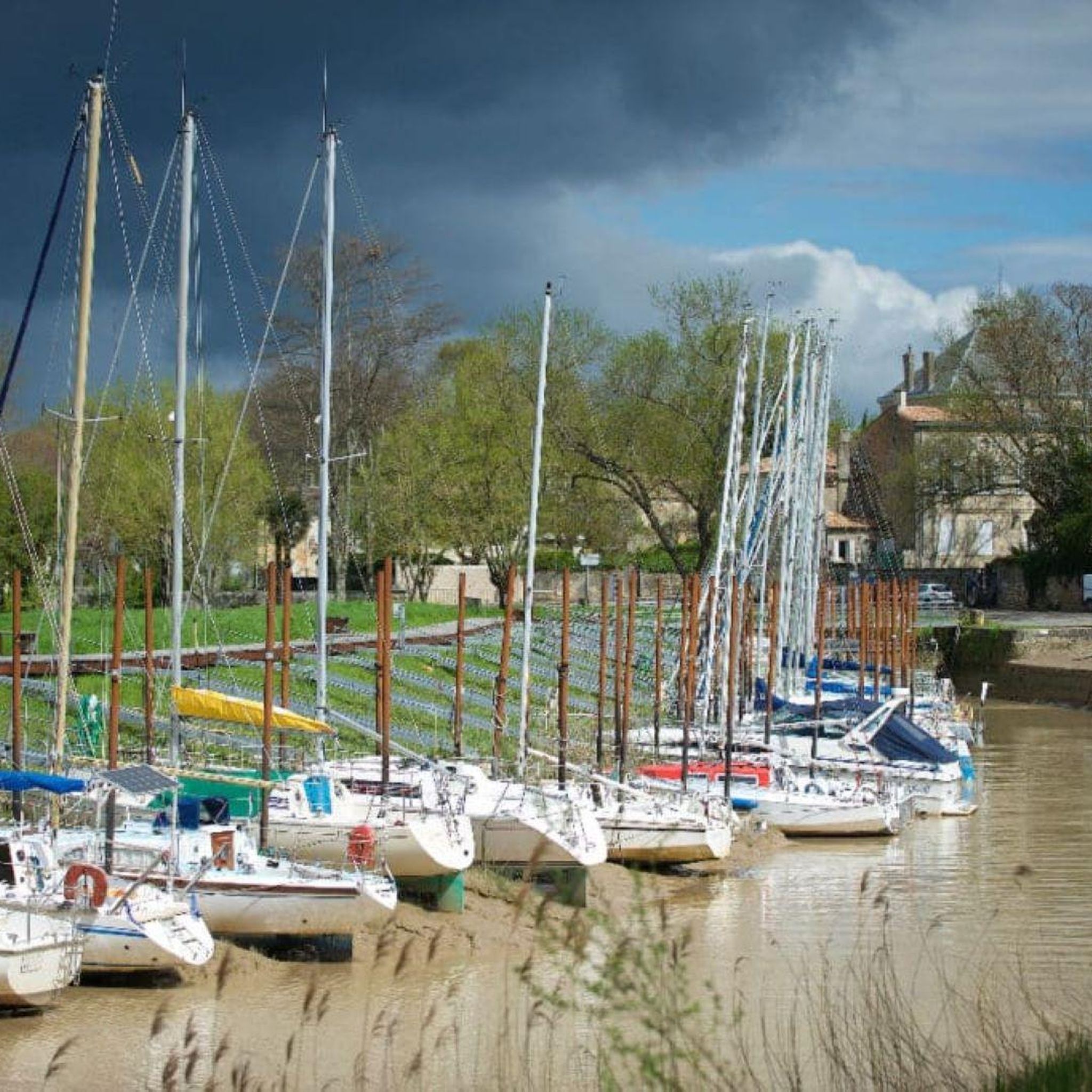
The small port of Plassac is typical of the esteys of the Gironde estuary. It is in the heart of the ancient village with a Gallo-Roman villa. A Terra Aventura route, combining hiking and discovery, allows you to get to know Plassac better. During your visit, you can also admire mosaics displayed in the alleys of the village: they were created by the inhabitants and by the Babylon Mosaic workshop-boutique. A stepped earthen dike made it possible to shape the current configuration of the port, making it possible to create 44 places reserved for pleasure craft. A rocky groyne protects the entrance to the port. 22 gangways provide access to the boats and boaters can benefit from a water tap, electrical outlets and a light point. https://www.bbte.fr/equipements-de-loisirs/port-de-plassac/
3
0
The archaeological space of the Gallo-Roman villas (in connection with the site plassac.gironde.fr, property of the Departmental Council of Gironde) and the adjacent museum, is managed by the association of Friends of Old Plassac. The site is on the right bank of the Gironde estuary, about 3 km south of Blaye. The remains correspond to the residential part of a villa (agricultural estate). The architectures of the first construction, built around 20-40 AD. J.C. and the second built at the very beginning of the 2nd century AD. were designed in harmony with the estuarine landscape. The third state of construction dates from the end of the 4th and the beginning of the 5th centuries AD. This villa was decorated with polychrome mosaic floors from the Aquitaine school. March, April, September, October 10 a.m. to 12:30 p.m. - 2 p.m. to 5:30 p.m. daily May, June, July, August: 10 a.m. to 12:30 p.m. - 2 p.m. to 6:30 p.m. daily The rest of the year, groups are received by reservation at the museum: 05 57 42 84 80 Full price ticket: €5 http://villagalloromaine-plassac.fr/le-musee
3
0

Worth seeing fortress, unfortunately the weather was not nice for further explorations.
4
0

Since we wanted to continue with the ferry, but still had 60 minutes until the next crossing, we looked at this pretty citadel. There is also a café that invites you to linger.
0
0

Citadel built under Vauban to protect the port of Blaye. https://de.m.wikipedia.org/wiki/Zitadelle_Blaye
0
0

In his 56 years of service, Vauban, who was already an Ingénieur de France, designed 33 new forts, delivered over 400 projects for 160 sites and modernized countless existing forts. He is the actual creator of the enceinte de fer, the iron belt, and the pré carré, with which France under Louis XIV secured its external borders. The fortified town of Neuf-Brisach/Neu-Breisach is considered to be his main work Fortifications by Vauban is the name of the World Heritage site that summarizes the important fortifications of the brilliant French master builder. In 2008, UNESCO decided to include twelve particularly exemplary and well-preserved sites in the World Heritage List: * Arras Citadel * Citadel, ramparts and Fort Griffon in Besançon * Citadel of Blaye, Fort Paté on an island in the Gironde and the * Citadel of Cussac-Fort-Médoc * Briançon fortification system (walls, four forts, signal tower and bridge) * Tour dorée (golden tower) in Camaret-sur-Mer * Fortified Upper Town of Longwy * Fortified city of Mont-Dauphin * Mont-Louis, composed of citadel and fortified city * Fortified town of Neuf-Brisach * Saint-Martin-de-Ré fortress with ramparts, port and citadel * Saint-Vaast-la-Hougue: Towers and fortifications in Saint-Vaast-la-Hougue and on the neighboring island of Tatihou * Fort Liberia, city walls and the fortified cave Cova Bastera in Villefranche-de-Conflent” (Source: Wikipedia)
2
0

Blaye is a town in the Gironde department, in the Nouvelle-Aquitaine region in France. It is located on the right bank of the Gironde, approximately 50 kilometers north of Bordeaux. Blaye is known for its citadel, built in the 17th century by Vauban. It has been included on the UNESCO World Heritage List since 2008, with the fortifications of the city of Bordeaux and Fort Paté on Pate Island, which are part of the same defensive ensemble. In addition to the citadel, Blaye is also home to several other historical monuments, such as the Porte Royale, the Porte Dauphine, the Porte de l'Estaple, the Saint-Romain church and the Minimes convent. The city is also known for its vineyards, which produce world-famous red and white wine. Visitors can learn about the region's wine heritage by touring wineries and tasting local wines in the town's many bars and restaurants.
1
0

If you are in the area, a walk in the citadel of Blaye is a must! History, architecture and wine lovers will find what they are looking for. The cultural heritage per square meter is just incredible!
1
0
Frequently Asked Questions
How many running routes are available around Plassac?
There are over 170 running routes available around Plassac, catering to various preferences and fitness levels. You'll find a diverse range of paths, from easy jogs to more challenging runs through the hilly countryside.
What kind of terrain can I expect on the jogging routes in Plassac?
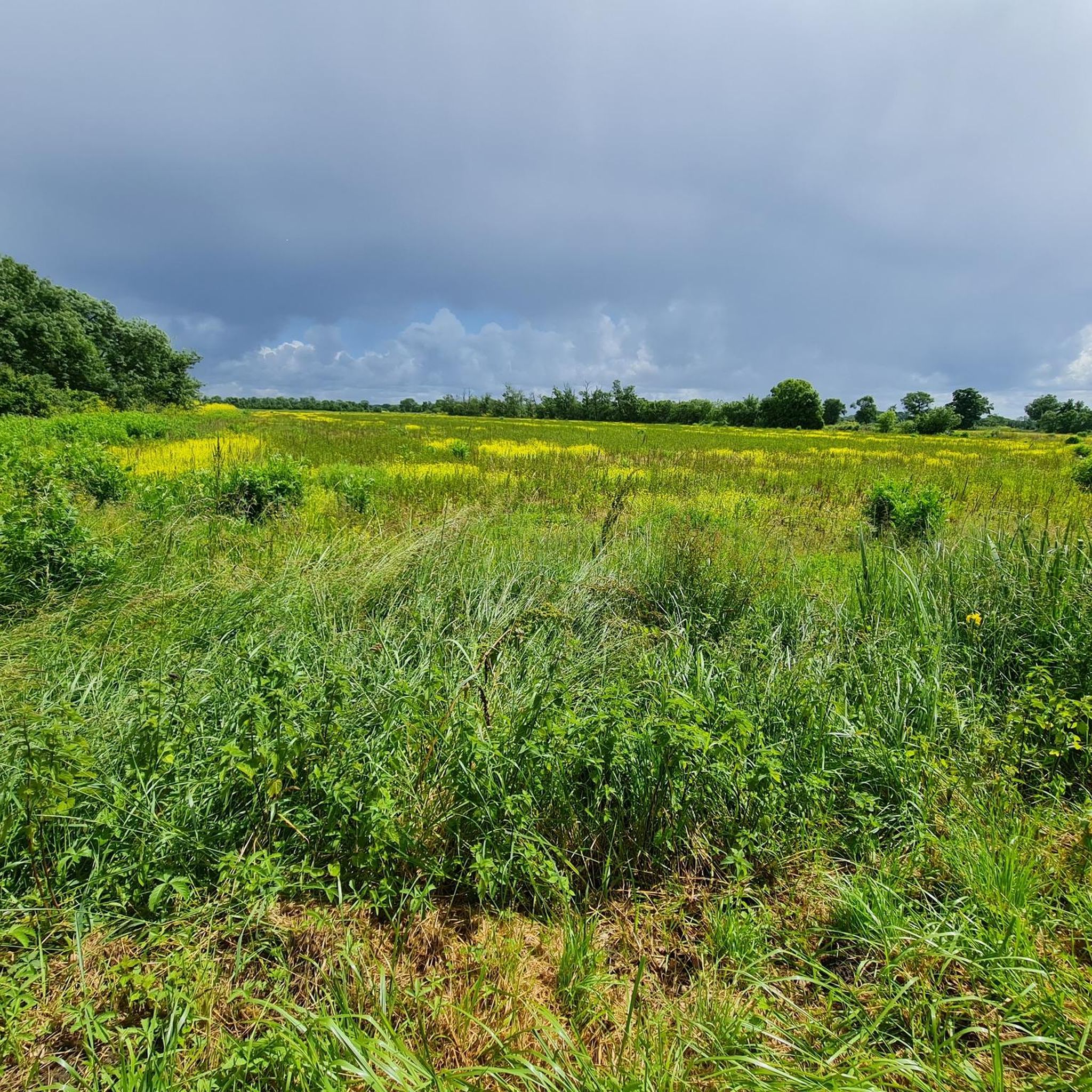
The running routes in Plassac feature varied terrain. You can expect a mix of paved surfaces and accessible paths, often traversing hilly countryside, vineyards, and scenic stretches along the Gironde Estuary. Some routes offer more elevation gain, while others are relatively flat.
Are there any easy running routes suitable for beginners or a relaxed jog?
Yes, Plassac offers several easy running routes. For instance, the Running loop from Les Trincans is an easy 4.4 km (2.7 miles) path, perfect for a gentle run or a warm-up.
What are some scenic viewpoints or landmarks I can see while running in Plassac?
Many routes offer stunning views of the Gironde Estuary. You can also pass by the picturesque Port of Plassac with its traditional fishing huts. The Plassac Hills Loop, for example, provides views of the estuary and charming village streets. For historical sights, consider exploring near the Gallo-Roman villas and museum, or the open-air contemporary mosaic art trail.
Are there any circular running routes in Plassac?
Yes, many of the running routes in Plassac are circular, allowing you to start and finish in the same location. Popular options include the Plassac Hills Loop and the Running loop from Plassac, both offering diverse scenery on a loop.
What do other runners say about the trails in Plassac?
The running routes in Plassac are highly rated by the komoot community, with an average score of 4.7 stars from over 60 reviews. Runners frequently praise the beautiful estuary views, the varied terrain through vineyards and hilly countryside, and the well-maintained paths.
Are there any historical sites or attractions near the running trails?
Absolutely! While running, you might encounter several interesting sites. The Citadel of Blaye, a UNESCO World Heritage site, is a notable historical landmark nearby. You can also find charming religious buildings like the Saint-Géronce Church and the Saint-Seurin Church in the vicinity.
Are there any running routes that pass by castles?
Yes, the region around Plassac is rich in historical castles. While not directly on every running route, you can find routes that bring you close to or offer views of impressive structures like the Citadel of Blaye or Château Pontet d'Eyrans. You might consider combining a run with a visit to these sites.
Are there any challenging running trails for experienced runners?
While many routes are moderate, some offer more significant elevation changes and longer distances for a challenge. For instance, the Running loop from Plassac covers 10 km (6.2 miles) with over 150 meters of elevation gain, providing a good workout through the hilly countryside.
Is it possible to access the running trails using public transport?
Plassac is a village, and while specific public transport links directly to every trailhead might be limited, local bus services connect to nearby towns. It's advisable to check local transport schedules for the most up-to-date information on reaching Plassac and its surrounding areas.
Are there parking facilities available near the running routes?
Yes, parking is generally available in and around Plassac, particularly near the village center and popular starting points for trails. The Port of Plassac area often has parking options, which is a common starting point for estuary-side runs.
What is the best time of year to go running in Plassac?
Plassac offers pleasant running conditions for much of the year. Spring and autumn provide mild temperatures and beautiful scenery, especially with the vineyards. Summer can be warm, so early morning or late afternoon runs are recommended. Winter runs are also possible, though some paths might be muddy after rain.
Most popular attractions around Plassac

Get inspired with the komoot mobile app


Explore more
Browse the best Running Trails & Routes in other regions.
