Attractions and Places To See around Sèvremoine - Top 20
Best attractions and places to see around Sèvremoine, a commune in the Maine-et-Loire department, offer a blend of historical depth, natural beauty, and cultural points of interest. This region is characterized by the Sèvre and Moine rivers, scenic bocage, and proximity to the Nantais vineyards. Visitors can explore a diverse heritage, from ancient megalithic sites to medieval villages and striking natural landmarks. The area provides opportunities to engage with its past and enjoy its varied landscapes.
Best attractions and places…
Last updated: July 6, 2026
Château de Clisson
Highlight • Castle
Translated by Google •
Tip by

The Arsenal
Highlight • Bridge
Translated by Google •
Tip by

Sign up now to discover places like this
Get recommendations on the best single tracks, peaks, & plenty of other exciting outdoor places.
Sign up for free
Valley of the Three Provinces
Highlight • Monument
Translated by Google •
Tip by

Moulin de Gervaud
Highlight • Monument
First owned by the Marquis …
Translated by Google •
Tip by
Chapelle des Templiers
Highlight • Other
Translated by Google •
Tip by
Sign up for free to discover even more attractions around Sèvremoine.
Sign up for free
Already have an account?
Start today with a free account
Your next adventure awaits.
Login or Signup

Tips from the Community

Clisson Castle has quite a story to tell: first an impregnable fortress overlooking the Sèvre, then a ducal residence, and finally a romantic ruin. In the 12th century, the powerful lordship of Clisson built this stone castle with highly elaborate defensive architectural systems: arrow slits, gun ports, and slits. A strategic point protecting the border of the Duchy of Brittany in the 15th century, it was abandoned by its owners from the second half of the 17th century onward before being burned down by Republican troops in 1793. But, beyond its grand history, this castle also has a more historic significance! In 1807, François-Frédéric Lemot, creator of the Garenne Lemot estate (a picturesque landscape located on the other side of the river), was captivated by these ruins and purchased it to turn it into an ornamental factory. The château was declared a historic monument in 1924, before being acquired by the Loire-Atlantique department in 1962. Today, visitors can visit it, take a guided tour, or simply experience its history. A stop on the Journey through the Vineyard, it's a stopover during the wine tourism tour of Nantes' wine country, featuring natural sites, heritage features, characterful villages, and unique cellars.
1
0

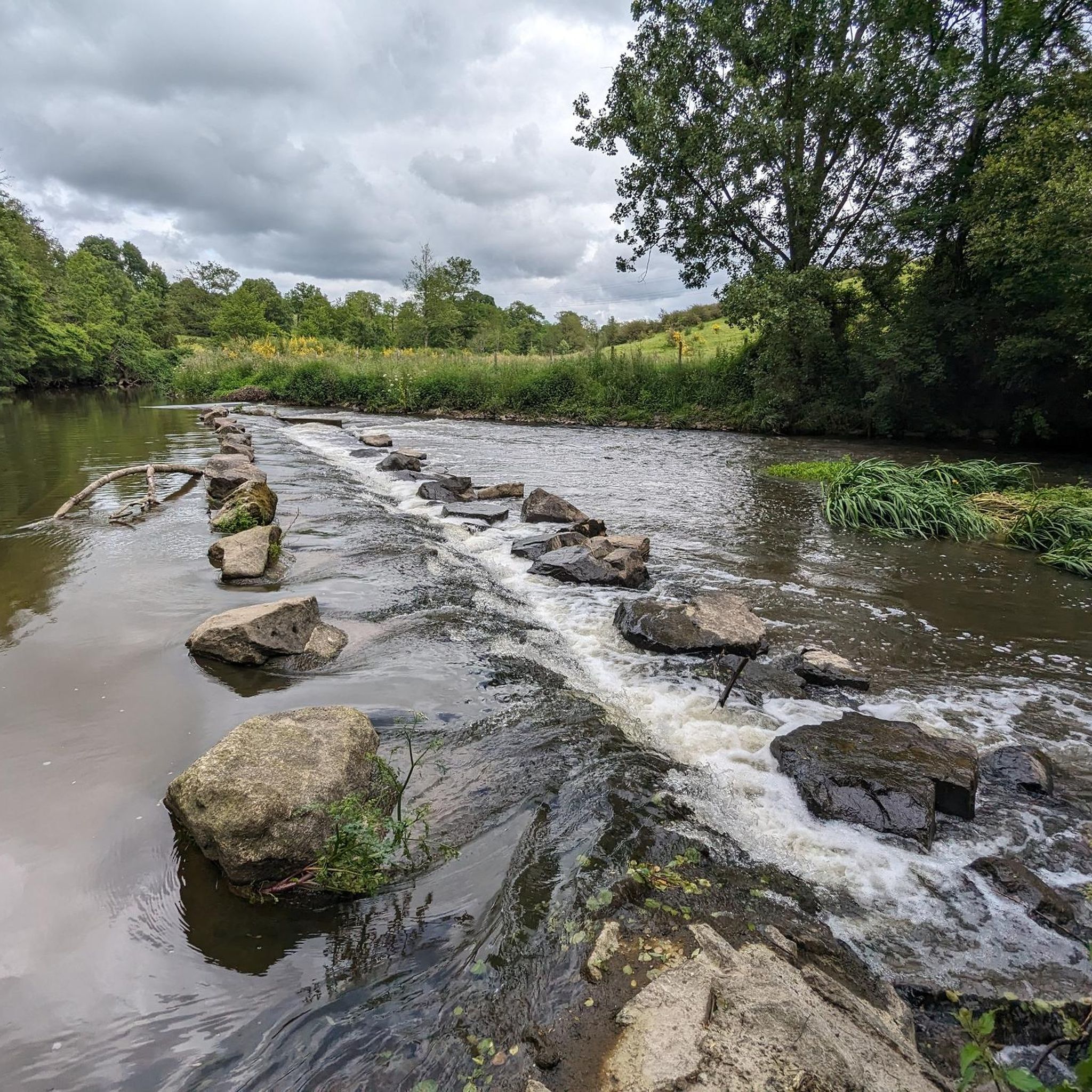
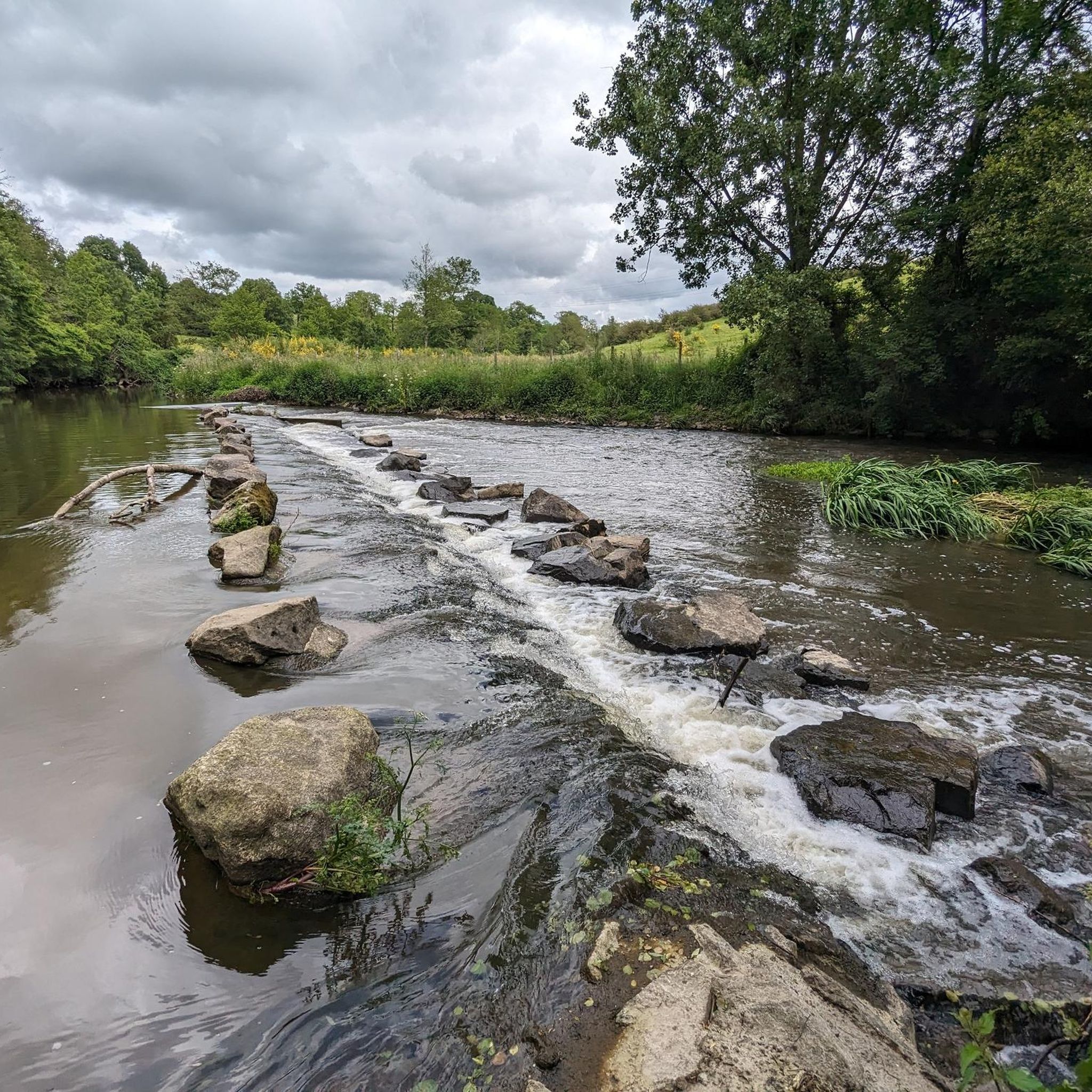
Another beautiful site on the Sèvre Nantaise, with the unusual feature this time: it's not only at the crossroads of three departments (LA, Vendée, and M&L), a rather common occurrence, but also of three former provinces: Brittany, Poitou, and Anjou. The crossroads is formed by the Sèvre on one side and its tributary, the Bon Débit, on the other. The inn of the same name looks very nice; in any case, the setting is splendid.
0
0

This chapel is the remaining remnant of a commandery (a branch of the order) of the community often referred to as the "Order of the Templars" or "Knights Templar", whose full name is "Poor Knights of Christ and of Solomon's Temple in Jerusalem". The association gained notoriety due to the fact that in 1312 this order was dissolved by the French king and the pope and many members were burned at the stake as alleged heretics. The main reason for the dissolution was not the human and religious misconduct/heresy of the members, which was claimed as the motive, but the legendary wealth of this order. With his meticulously planned approach, King Philip IV of France primarily wanted to secure their possessions in order to improve his coffers.
4
0

Long an impregnable fortress, Clisson Castle is a model of a fortified castle. Built by the powerful Clisson family from the 12th century, this castle became a strategic point protecting the border of the Duchy of Brittany in the 15th century. In 1793, during the Vendée War, the fortress was burned and partially destroyed. Today, Clisson Castle still offers many examples of defensive architecture: archers, gunboats, stunners, etc. Ref: enpaysdeloire.com
0
0

Surely the oldest mill in the Clisson valley, it has been a cloth, fulling and flour mill for more than 600 years. Rebuilt in 1949 following its destruction by fire, it ceased its activity, but kept its mechanism intact. Today, the mill welcomes young people from the leisure center, as well as the Pallet game library. On the occasion of special events, such as heritage days, the mill can open its doors to discover its history. https://www.levignobledenantes-tourisme.com/patrimoine-culturel/le-moulin-de-gervaux/
0
0

Long an impregnable fortress, Clisson Castle is a model of a fortified castle. Built by the powerful Clisson family from the 12th century, this castle became a strategic point protecting the border of the Duchy of Brittany in the 15th century. In 1793, during the Vendée War, the fortress was burned and partially destroyed. Today, the Château de Clisson still offers many examples of defensive architecture: archers, gunboats, stunners…|
0
0

Clisson Castle is a medieval fortress dating from the 11th century. It dominates the city of the same name as well as the Sèvre river. It is possible to visit the castle, for more information: https://www.chateau-clisson.fr/44/preparez-votre-visite/heures-et-acces/cli_5603
3
0

This medieval castle which has gone through a lot of torments and whose traces are still visible today. It is a feat that he still proudly dominates the city after all that Men have done to destroy him.
3
0
Frequently Asked Questions
What historical sites can I explore in Sèvremoine?
Sèvremoine is rich in history. You can visit the impressive Château de Clisson, a medieval fortress dating from the 11th century. Other notable sites include the ancient megalithic remnants like the Menhir de la Bretellière and the Menhir dit La Grande Pierre Levée in St Macaire en Mauges, and the medieval bourg of Montfaucon-Montigné with its feudal motte and the 12th-century Chapel St Jean. Don't miss the Chapelle des Templiers, a Romanesque church with a rich past, and the Moulin de Gervaud, one of the oldest mills in the Clisson valley.
What natural landmarks or scenic areas are there to visit?
The region is defined by the scenic Sèvre and Moine Rivers. You can discover unique natural features like Le rocher du Manis, a 35-meter-high granite rock near the Sèvre Nantaise, or La Pierre Tournisse, a naturally formed rocking stone near Torfou. The Valley of the Three Provinces offers a peaceful setting at the confluence of three historical provinces, while The Arsenal bridge provides beautiful views of the Sèvre river.
Are there attractions suitable for families with children?
Yes, several attractions in Sèvremoine are family-friendly. The Château de Clisson is a great place for families to explore medieval history. The Valley of the Three Provinces offers a peaceful environment for walks and picnics. Additionally, the Étang des Petites Landes near Villedieu-la-Blouère is a tranquil spot for pole fishing, and the numerous hiking and cycling trails provide opportunities for outdoor family adventures.
Where can I find hiking trails around Sèvremoine?
Sèvremoine boasts over 220 kilometers of maintained and marked trails, including more than 20 circuits suitable for hiking. You can explore diverse landscapes of vineyards, riverbanks, and bocage. For specific routes, check out the Hiking around Sèvremoine guide, which features trails like the 'Valley of the Three Provinces – View of the Château de Tiffauges loop' and the 'Ruined water mill. – The bowl stone loop'.
Are there good cycling routes in the Sèvremoine area?
Absolutely! Sèvremoine offers a variety of cycling routes for different skill levels. The region's 220 kilometers of marked trails are perfect for both road cycling and touring. You can find detailed routes in the Road Cycling Routes around Sèvremoine and Cycling around Sèvremoine guides, including scenic loops like 'Valley of the Three Provinces – The Arsenal loop' and 'Château de Clisson – Valley Bridge loop'.
What unique cultural experiences does Sèvremoine offer?
Sèvremoine provides several unique cultural experiences. You can visit the Musée des Métiers de la Chaussure to learn about the region's shoe manufacturing history. The Brasserie Bigorneau in Montigné sur Moine offers insights into craft beer making and tastings. Throughout the year, local associations organize events like temporary exhibitions, guided tours, and historical walks, and the 'Scènes de Pays' project brings diverse artistic programs to the Mauges territory.
Can I visit ancient megalithic sites in Sèvremoine?
Yes, Sèvremoine is home to significant prehistoric remnants. You can visit the Menhir de la Bretellière in St Macaire en Mauges, which is the largest menhir in Maine-et-Loire, standing at 6.20 meters tall. Another protected historical monument is the Menhir dit La Grande Pierre Levée, also located in Saint-Macaire-en-Mauges, forming part of a notable megalithic plateau in the area.
What is the best time to visit Sèvremoine for outdoor activities?
The Pays de la Loire region generally enjoys a mild climate, making spring (April-June) and autumn (September-October) ideal for outdoor activities like hiking and cycling. During these seasons, the weather is pleasant, and the natural landscapes are particularly vibrant or beautifully colored. Summer can also be enjoyable, though it can be warmer, especially for strenuous activities.
Are there any industrial heritage sites to explore?
Sèvremoine has a rich industrial past. The Musée des Métiers de la Chaussure is a key site for understanding the region's former shoe manufacturing industry. You can also find historical and architectural studies of various industrial heritage edifices, and the former uranium mines on the colline de l'Écarpière, active from 1952 to 1992, are part of the area's industrial history.
What do visitors enjoy most about the attractions around Sèvremoine?
Visitors frequently appreciate the blend of historical depth and natural beauty. The medieval charm of Château de Clisson and the scenic views from The Arsenal bridge are highly rated. Many also enjoy the peaceful atmosphere of the Valley of the Three Provinces and the extensive network of hiking and cycling trails that allow for exploration of the diverse landscapes.
Can I find places for fishing or tranquil relaxation?
Yes, for tranquil relaxation and fishing, the Étang des Petites Landes near Villedieu-la-Blouère is a peaceful 0.6-hectare pond dedicated to pole fishing. It's praised for its calm and natural setting, offering a serene escape from daily life.
Are there any unique geological features in the area?
Beyond the megalithic sites, Sèvremoine features interesting geological formations. Le rocher du Manis, a striking 35-meter-high, 360-ton granite rock in Le Longeron, is a notable natural feature that has been used for climbing. Another curiosity is La Pierre Tournisse, a naturally formed rocking stone near Torfou with local legends surrounding it.
What is the significance of the Commemorative Column in Torfou?
The Commemorative Column in Torfou is a significant landmark that serves to remember and honor events of the Vendée Wars. It stands as a historical monument, providing a tangible link to a pivotal period in the region's past and offering visitors a moment for reflection on its history.
Most popular routes around Sèvremoine
Most popular attractions around Sèvremoine

Get inspired with the komoot mobile app


Explore more
Still not found the Highlight you’re looking for? See guides of the top attractions in other regions:
