The best cycling routes around Saint-Sulpice-De-Guilleragues
4.4
(137)
780
riders
45
rides
Touring cycling routes around Saint-Sulpice-De-Guilleragues traverse a landscape characterized by its valley location alongside the Drot river and surrounding elevated terrain. The region features a mosaic of agricultural fields and extensive vineyards, particularly within the wider Entre-deux-Mers area. Cyclists can expect varied routes, from tranquil riverside paths to rolling hills covered in vines. This diverse geography provides a range of experiences for touring cyclists.
Best touring cycling routes around Saint-Sulpice-De-Guilleragues
- The most popular touring cycling route is Bastide de Monségur…
Last updated: May 17, 2026
1
riders
47.6km
02:59
490m
490m
Hard bike ride. Very good fitness required. Mostly paved surfaces. Suitable for all skill levels.
4.7
(36)
220
riders
91.5km
05:19
330m
330m
Hard bike ride. Very good fitness required. Mostly paved surfaces. Suitable for all skill levels.

Sign up for free
4.7
(7)
54
riders
121km
07:14
820m
820m
Hard bike ride. Very good fitness required. Mostly paved surfaces. Suitable for all skill levels.
4.5
(8)
47
riders
45.8km
02:42
200m
200m
Moderate bike ride. Good fitness required. Mostly paved surfaces. Suitable for all skill levels.
30
riders
Hard bike ride. Very good fitness required. Mostly paved surfaces. Suitable for all skill levels.
Get access to more routes and recommendations from other explorers.
Sign up for free
Already have an account?
Our route recommendations are based on thousands of hikes, rides, and runs completed by other people on komoot.
Start today with a free account
Your next adventure awaits.
Login or Signup



Tips from the Community

Majestic in its size and appearance, the Loubens mill is one of the most remarkable in the Entre-deux-Mers region. Its installation seems to date back to the 11th century. A square, medieval tower, built on an island, bears similarities to the Bagas mill located 2 km downstream. It includes three sets of millstones still in place. However, it is not a fortified building; it is a weir mill. To the north construction, a bridge with a double row of arches was added in the 18th century, containing two more pairs of millstones and a fulling mill (a machine used not for grinding grain, but for fulling textiles. These mills were often called "beating mills"). This southern part of the mill earned it the name "little Chenonceau". The mill has been classified as a Historic Monument since 2000.
0
0

Beautiful view of the ivy-covered mill.
1
0

Very pretty and well decorated, the prices are super affordable and the setting is ideal for a break
0
0

Sauveterre-de-Guyenne is a bastide. A bastide is a type of French medieval town, founded in the 13th and 14th centuries, primarily in southwestern France. A bastide is characterized by a rectangular street pattern that divides the town into eight blocks around a central market square. The Treaty of Paris (1229) prohibited the building of walls around new towns. Many bastides were provided with some form of fortification, such as gates, after their founding to provide some protection during turbulent times. Most bastides had only local significance and did not develop into large towns. As a result, many bastides, such as that of Sauveterre-de-Guyenne, have been preserved in their original state.
1
0

Very interesting flood marks, sometimes you can't even imagine how high the water once was.
1
0
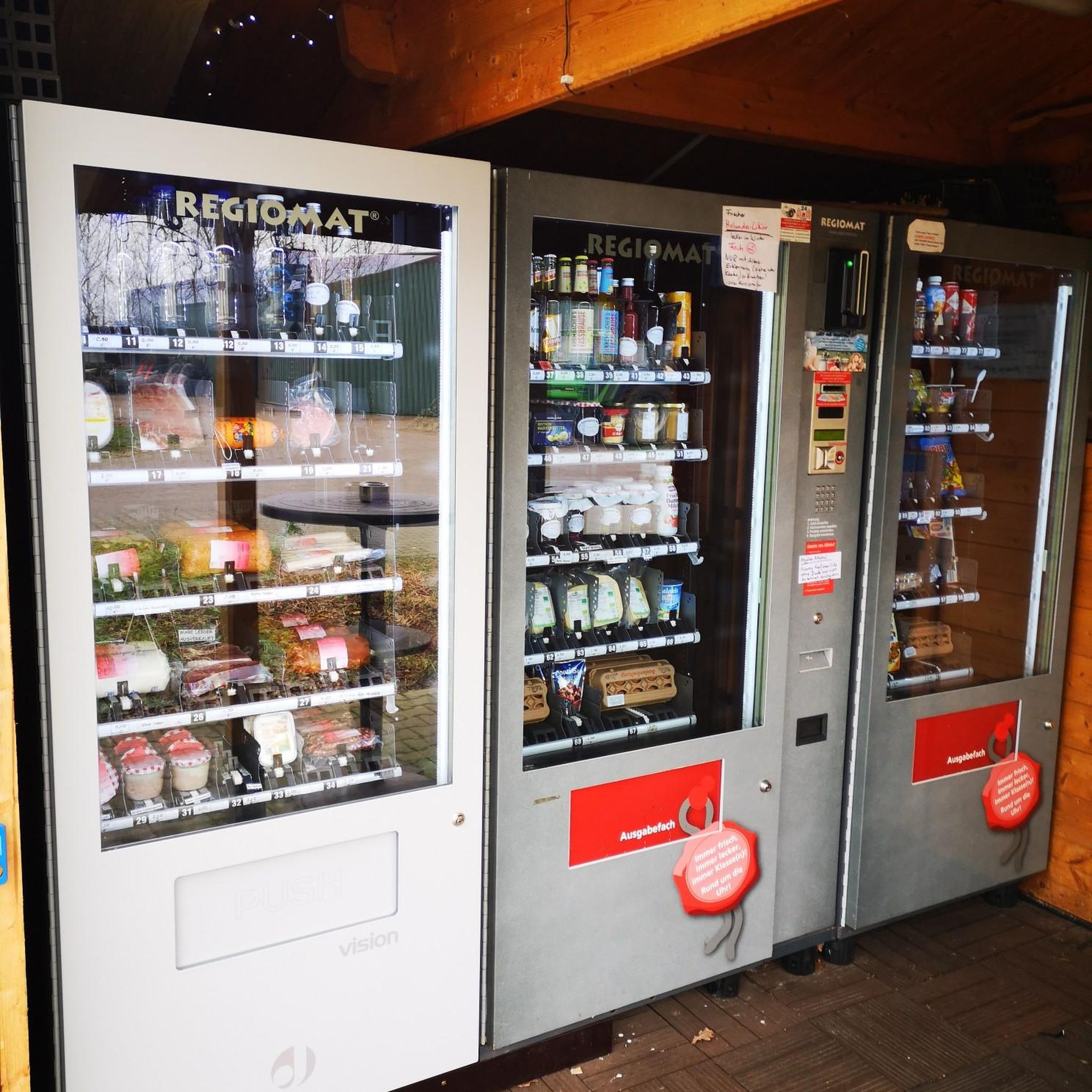
We're luckier today, August 15th. The bicycle and skeleton have made way for a list of consumption options.
1
0

Very pleasant and shady and not too crowded.
0
0
A very nice view of the canal
1
0
Frequently Asked Questions
How many touring cycling routes are available around Saint-Sulpice-de-Guilleragues?
There are over 40 touring cycling routes around Saint-Sulpice-de-Guilleragues, offering a diverse range of experiences. These routes are highly rated by the komoot community, with an average score of 4.4 stars from over 140 reviews.
What kind of terrain can I expect on touring cycling routes in Saint-Sulpice-de-Guilleragues?
The terrain around Saint-Sulpice-de-Guilleragues is quite varied. You'll find routes along the Drot river valley, offering more gentle rides, as well as routes through the surrounding elevated areas. The wider Entre-deux-Mers region is known for its rolling hills and extensive vineyards, providing a mix of flat sections and more challenging ascents. Expect a mosaic of agricultural fields and vine-covered landscapes.
Are there any historical landmarks or points of interest to see along the cycling routes?
Yes, the area is rich in history. You can encounter medieval castles like the romantic Château de Cazes and the Château de Guilleragues. Other historical remnants include a preserved windmill tower and the 13th-century Etourneau water mill. Additionally, the routes often pass by significant waterways such as the Garonne Lateral Canal and sites like Le Moulin de Loubens and Saint-Ferme Abbey.
Can I cycle through vineyards in the Saint-Sulpice-de-Guilleragues area?
Absolutely. Saint-Sulpice-de-Guilleragues is nestled within the famous Entre-deux-Mers wine region. Many touring cycling routes will take you directly through picturesque vineyards, offering opportunities to experience the viticultural landscape firsthand and pass by charming châteaux. One popular route, Bastide de Monségur et Abbaye de Saint-Ferme - loop in Entre-deux-Mers, specifically explores this scenic area.
Are there family-friendly touring cycling routes in the region?
Yes, for families seeking a more relaxed ride, the region offers access to the Canal de Garonne, which is part of the larger 'Canal des 2 Mers à Vélo'. This greenway provides a well-maintained, largely flat, and traffic-free path, shaded by trees and running alongside the water, making it ideal for family outings. Nearby La Réole also serves as a hub for several cycling routes, including connections to the Canal de Garonne.
Are there circular touring cycling routes available?
Yes, many of the touring cycling routes in the area are designed as loops, allowing you to start and finish at the same point. Examples include the Bastide de Monségur et Abbaye de Saint-Ferme - loop in Entre-deux-Mers, the extensive Le Moulin de Loubens – Fontet Marina loop from Gare de La Réole, and the tranquil Garonne Lateral Canal – Canal Latéral à la Garonne loop from Gare de La Réole.
What is the best time of year for touring cycling in Saint-Sulpice-de-Guilleragues?
The spring (April to June) and autumn (September to October) months generally offer the most pleasant conditions for touring cycling in the Gironde region. Temperatures are mild, and the landscapes are particularly beautiful, with blooming flowers in spring and vibrant colors during the grape harvest in autumn. Summers can be warm, but early mornings or late afternoons are still enjoyable.
Is it possible to access major cycling routes like the Canal de Garonne from Saint-Sulpice-de-Guilleragues?
Yes, Saint-Sulpice-de-Guilleragues's location provides good access to broader cycling networks. The Canal de Garonne, a significant greenway, is within reach, offering long, flat, and scenic routes. Nearby towns like La Réole and Castets-en-Dorthe are known hubs for connecting to these larger cycling paths, including the 'Canal des 2 Mers à Vélo'.
Are there any easy touring cycling routes for beginners?
Yes, out of the over 40 routes available, 10 are classified as easy, making them suitable for beginners or those looking for a more relaxed ride. These routes often follow flatter sections along river valleys or dedicated greenways, providing a gentle introduction to touring cycling in the region.
Where can I find places to eat or drink near the cycling routes?
While Saint-Sulpice-de-Guilleragues itself is a small village, the surrounding towns and villages, particularly those along popular cycling routes or near major hubs like Sauveterre-de-Guyenne, Monségur, or La Réole, offer a variety of cafes, restaurants, and local establishments where you can refuel and enjoy regional cuisine.
Can I rent a bike in or near Saint-Sulpice-de-Guilleragues?
While direct bike rental options within Saint-Sulpice-de-Guilleragues might be limited due to its small size, you are likely to find rental services in larger nearby towns such as Sauveterre-de-Guyenne or La Réole. These towns often cater to cycling tourists and can provide a range of bikes suitable for touring.
What is the longest touring cycling route available?
The longest touring cycling route in the immediate area is Le Moulin de Loubens – Fontet Marina loop from Gare de La Réole, which spans approximately 70.1 miles (112.9 km). This challenging route offers an extensive exploration of the rural landscape, connecting historical mills and marinas.
Most popular routes around Saint-Sulpice-De-Guilleragues
Most popular attractions around Saint-Sulpice-De-Guilleragues

Get inspired with the komoot mobile app


Explore more
Browse the best Cycling routes in other regions.
