The best road cycling routes around Bouteville
4.8
(22)
788
riders
236
rides
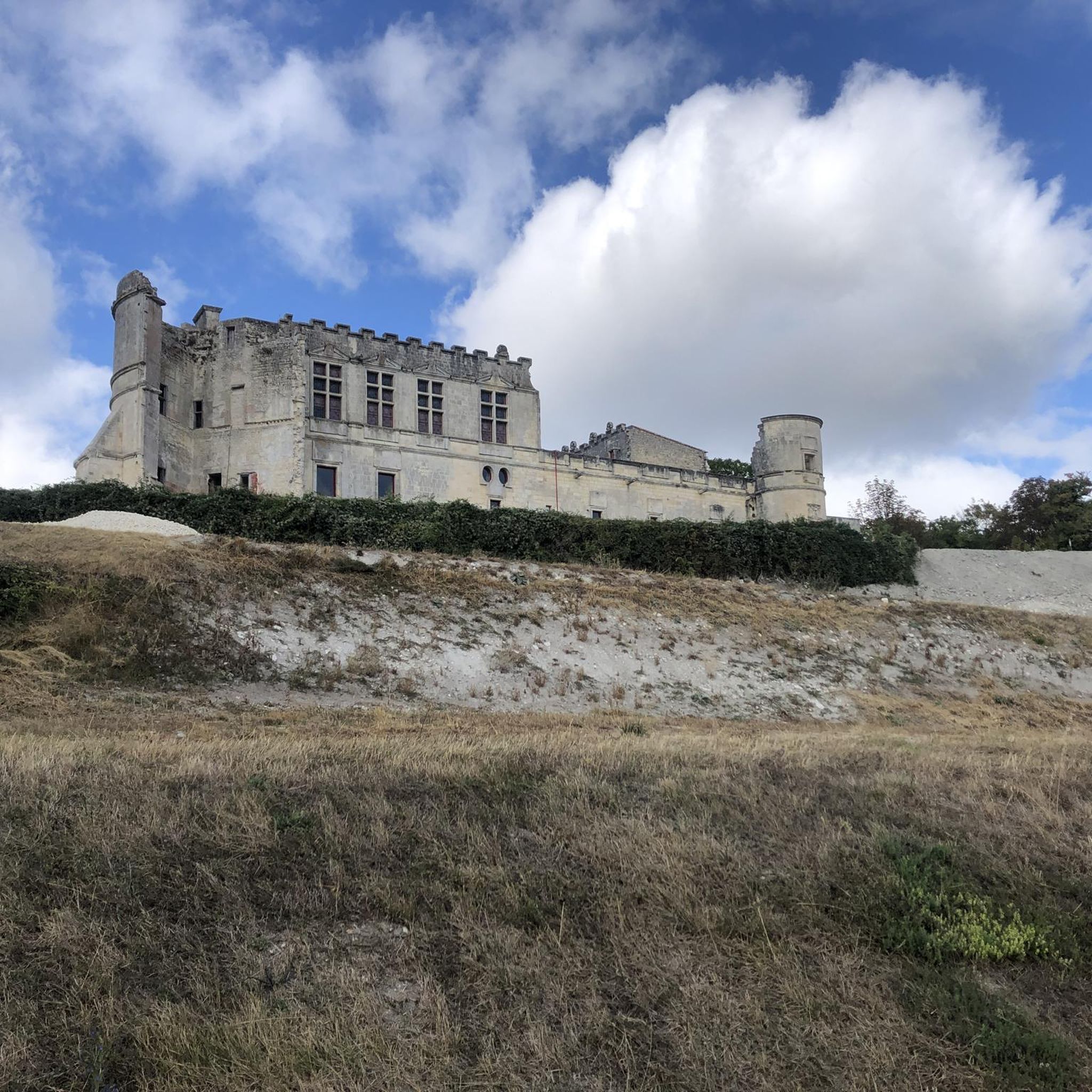
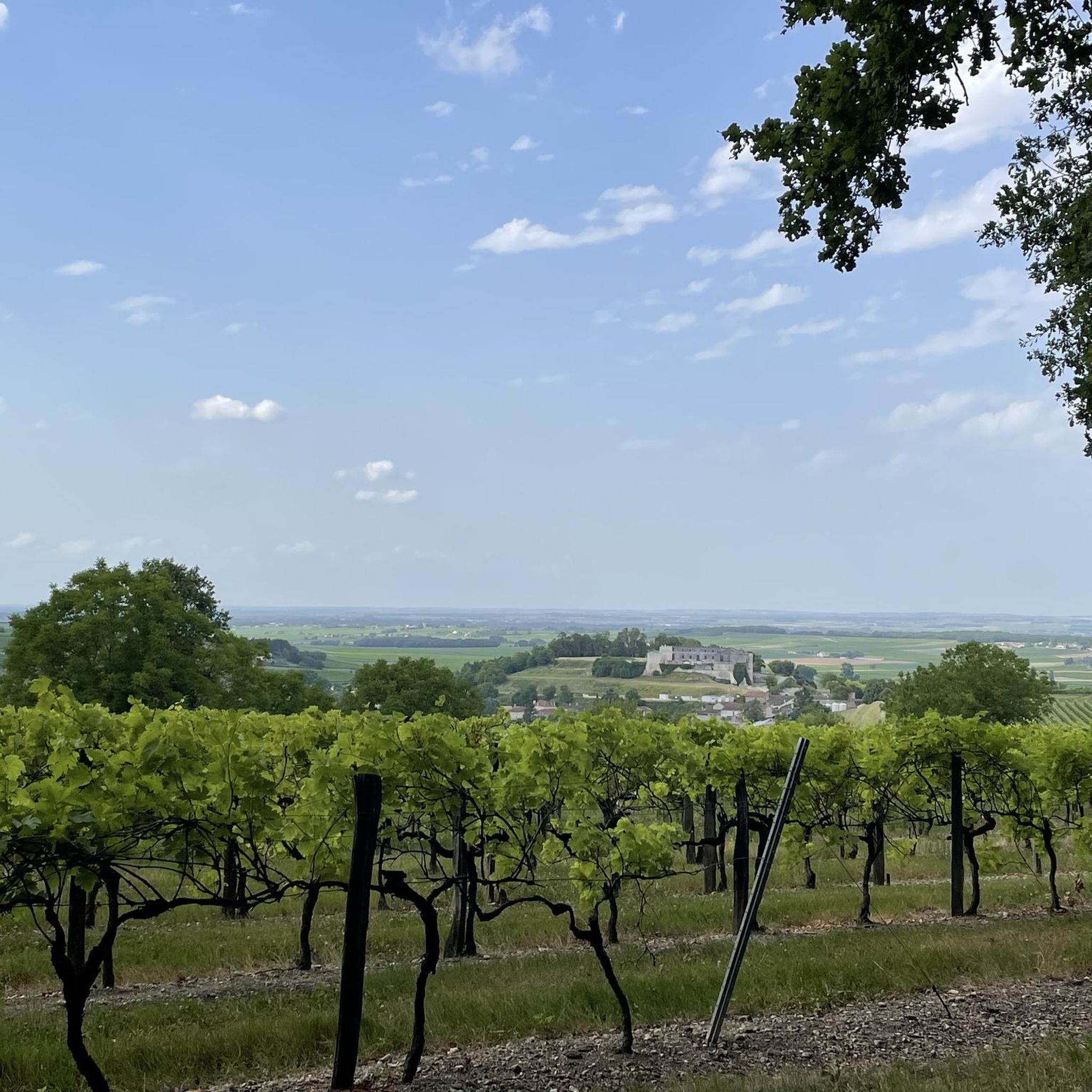
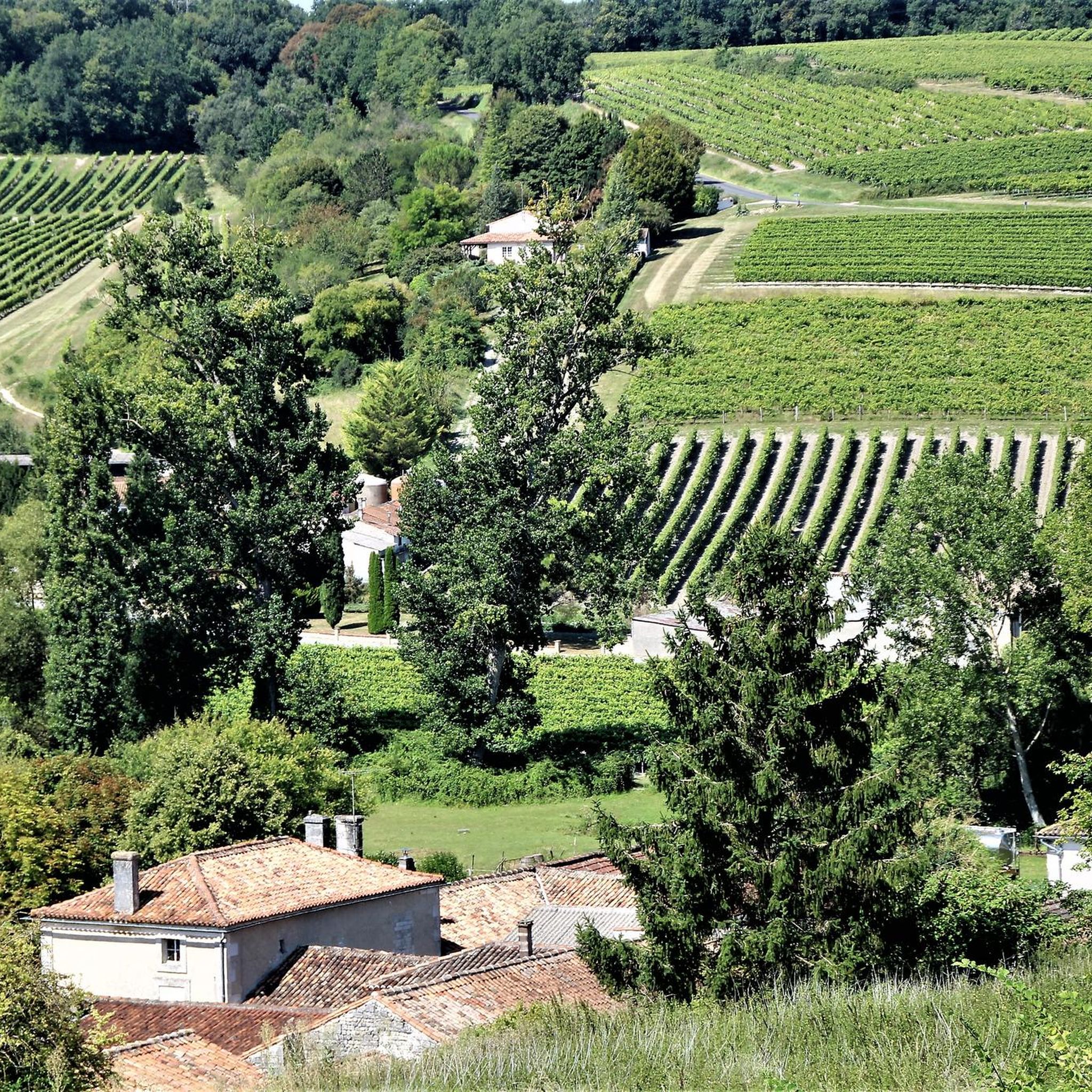
Road cycling routes around Bouteville, located in the Charente department of Nouvelle-Aquitaine, France, traverse a landscape characterized by green valleys, hillsides, and extensive vineyards. The region's topography offers a mix of gentle gradients and more challenging climbs, providing varied terrain for road cyclists. Routes often follow the picturesque Charente river, which contributes to the scenic backdrop. This area provides a diverse cycling experience through Southwest France's tranquil countryside.
Best road cycling routes around Bouteville
- The most popular road cycling route…
Last updated: July 2, 2026
3
riders
46.1km
02:12
360m
360m
Moderate road ride. Good fitness required. Mostly well-paved surfaces and easy to ride.
11
riders
Moderate road ride. Good fitness required. Mostly well-paved surfaces and easy to ride.

Sign up for free
13
riders
95.0km
04:10
710m
710m
Moderate road ride. Good fitness required. Some segments of this route may be unpaved and difficult to ride.
5.0
(1)
16
riders
26.1km
01:01
80m
80m
Easy road ride. Great for any fitness level. Mostly well-paved surfaces and easy to ride.
10
riders
60.2km
02:29
290m
290m
Moderate road ride. Good fitness required. Some segments of this route may be unpaved and difficult to ride.
Get access to more routes and recommendations from other explorers.
Sign up for free
Already have an account?
Our route recommendations are based on thousands of hikes, rides, and runs completed by other people on komoot.
Start today with a free account
Your next adventure awaits.
Login or Signup

Tips from the Community

Bourge medieval style, very pretty
0
0


The Saint-Cybard Church of Plassac-Rouffiac is located in the village of Plassac-Rouffiac, in Charente. Built in the Romanesque style, it was listed as a historic monument in 1862. At the intersection of an ancient Roman road connecting Périgueux and Saintes, known as the "Boisné Road," and a road south of Angoulême, this small church boasts several assets: refined sculpted decoration, harmonious proportions, and a façade enlivened by arcades. The façade is divided horizontally into four levels by cornices: the ground floor with a central portal flanked by blind arcades, the second and third levels occupied by semicircular arches, and the top level topped with a triangular pediment. The single nave is covered with a pointed barrel vault. The false square, topped by a dome on pendentives, supports an elegant bell tower with a stone tortoiseshell spire. https://mairie.plassac-rouffiac.fr/eglises/ https://www.angouleme-tourisme.com/patrimoine-culturel/eglise-saint-cybard-4/ https://fr.wikipedia.org/wiki/%C3%89glise_Saint-Cybard_de_Plassac
0
0

Beautiful little town center
0
0
The parish church of Notre-Dame is Romanesque and dates from the 12th century. It has a Romanesque bell tower with two floors of arched bays and a conical spire. A dome is at the crossing and the capitals are decorated with sculptures. On the gable of the façade, bas-reliefs depict Christ between evangelical symbols. Its façade was damaged during the Revolution, and heavily restored in the 19th century10. It was classified as a historic monument on July 12, 1886 https://www.angouleme-tourisme.com/patrimoine-culturel/eglise-notre-dame-de-trois-palis/ A little history of the town of Trois Palis by following this link: http://trois-palis.fr/histoire-et-patrimoine/
0
0
Notre Dame de Trois-Palis is a small church located in the center of the town of Trois-Palis. From the Romanesque period, it was listed as a historic monument in 1886. The conical spire covered with pine cone scales that rises above the square bell tower can be seen from afar. It dominates a small Romanesque building located in the heart of the town. Its façade is divided into three floors: At the top, in the triangular gable wall, Christ in Majesty is surrounded by the tetramorph (set of four symbolic representations of the evangelists: the bull of Saint Luke; the eagle of Saint John; the lion of Saint Mark; the angel of Saint Matthew). This theme is directly inspired by the Saint-Pierre cathedral in Angoulême. The central space, between the gable and the portal, is occupied by modern high reliefs representing Christ surrounded by the Virgin and Saint John. On the ground floor, the sculpture made of foliage and animals is present on the arches of the portal. Restored in 1891 century, the small church of Notre-Dame has undergone major modifications. A semicircular apse replaced a flat chevet and the nave was vaulted. Inside, the building consists of a single nave, split into three bays. The walls of the nave are clad with large pointed arches. The south wall of the nave is pierced by three bays, while the north wall is blind. In the extension of the nave, a bay under a bell tower deserves attention. The columns arranged in this space are all endowed with a rich sculpted program that develops in the capitals. They are all historiated and represent the themes frequently deployed near the sanctuary: original sin and the fight between Good and Evil. The semicircular apse replaced a flat chevet in the 19th century. It has a cul-de-four vault. Listed as a Historic Monument in 1886. Open every day from 9 a.m. to 5:30 p.m.
1
0
Notre Dame de Trois-Palis is a small church located in the center of the town of Trois-Palis. From the Romanesque period, it was listed as a historic monument in 1886. The conical spire covered with pine cone scales that rises above the square bell tower can be seen from afar. It dominates a small Romanesque building located in the heart of the town. Its façade is divided into three floors: At the top, in the triangular gable wall, Christ in Majesty is surrounded by the tetramorph (set of four symbolic representations of the evangelists: the bull of Saint Luke; the eagle of Saint John; the lion of Saint Mark; the angel of Saint Matthew). This theme is directly inspired by the Saint-Pierre cathedral in Angoulême. The central space, between the gable and the portal, is occupied by modern high reliefs representing Christ surrounded by the Virgin and Saint John. On the ground floor, the sculpture made of foliage and animals is present on the arches of the portal. Restored in 1891 century, the small church of Notre-Dame has undergone major modifications. A semicircular apse replaced a flat chevet and the nave was vaulted. Inside, the building consists of a single nave, split into three bays. The walls of the nave are clad with large pointed arches. The south wall of the nave is pierced by three bays, while the north wall is blind. In the extension of the nave, a bay under a bell tower deserves attention. The columns arranged in this space are all endowed with a rich sculpted program that develops in the capitals. They are all historiated and represent the themes frequently deployed near the sanctuary: original sin and the fight between Good and Evil. The semicircular apse replaced a flat chevet in the 19th century. It has a cul-de-four vault. Listed as a Historic Monument in 1886. Open every day from 9 a.m. to 5:30 p.m.
0
0

HISTORY OF THE HOUSE OF HINE In 1791, Thomas Hine (1775-1822), then aged 16, left his native land on the south coast of England to go to France… in the middle of the French Revolution. He went to Jarnac, Charente, where he was hired as a clerk in the Ranson et Delamain trading house, which produced his father’s favourite cognac. James Delamain (1738-1800), a Huguenot who had emigrated from Ireland, founded the trading house in 1763 with his father-in-law Jean-Isaac Ranson. On 3 October 1797 (13 Brumaire Year VI), Thomas Hine married Françoise Élisabeth Delamain, daughter of James Delamain and Marie Ranson. In 1817, the Ranson et Delamain house was liquidated, the heirs having been unable to agree on the succession. The eponymous son-in-law founded Thomas Hine & Co, and his cousins Paul Roullet and Henri Delamain (James' grandson) founded the Maison Roullet et Delamain seven years later, which would become Delamain et Cie. The links between the two Protestant Jarnac families remained close, and Thomas Hine's great-granddaughter, Adrienne Hine (1850-1922) married Philippe Delamain (1847-1902) - they had sons Jacques and Robert Delamain. Today, as in Thomas Hine's time, the Hine establishments line the banks of the Charente in Jarnac. The logo is inspired by Hine's speaking arms, hind meaning doe in Old English. He is lying down, his head turned backwards, symbolically looking towards England2. In 1962, Hine was granted the Royal Warrant of Her Majesty Queen Elizabeth II, and became the official supplier of cognac to the Court of England. In 1987, the company was bought by Moët Hennessy. In 2003, it became the property of the CL Financial group, which emerged from the Angostura group. The House was bought in 2013 by the Edv company. TYPOLOGY OF HINE EAUX DE VIE The House of HINE is located on the banks of the Charente, in the heart of the Cognac region. In the cellars, which ensure the protection of the precious vintages under seal, little has changed in more than 260 years. From the neighboring quays once began the journey of HINE cognacs around the world. This house is one of the oldest in Jarnac. Cognacs exclusively from the Grande and Petite Champagne vintages, a distillation with the lees, and an aging in fine grains with a light to moderate heating. Here, every manufacturing detail will be revealed to you. > To find out more: - https://hine.com/fr - Address: 16 quai Orangerie 16200 Jarnac - 05 45 35 59 59 - Visits, Tasting and Purchases possible - Opening periods: From 01/04 to 31/12 Monday, Tuesday, Wednesday, Thursday and Friday from 9 a.m. to 5:30 p.m. Excluding public holidays. Full price: from €20. Free for children under 18. (Subject to change)
0
0
Frequently Asked Questions
How many road cycling routes are available around Bouteville?
There are over 200 road cycling routes in the Bouteville area, offering a wide range of options for different skill levels. You'll find everything from easier rides through valleys to more demanding routes with significant climbs.
Are there road cycling routes suitable for beginners in Bouteville?
Yes, Bouteville offers nearly 50 easy road cycling routes. These routes typically feature gentle gradients through the local countryside, making them ideal for beginners or those looking for a relaxed ride. Many traverse the picturesque vineyards and green landscapes.
Are there challenging road cycling routes for experienced riders?
Absolutely. For experienced cyclists seeking a challenge, there are 9 difficult road cycling routes around Bouteville. These paths often include significant elevation gains and demanding climbs through the region's hillsides, providing a rewarding workout.
What scenic landscapes and natural features will I encounter while cycling around Bouteville?
Road cycling around Bouteville is defined by its picturesque landscapes. You'll ride through expansive vineyards, green valleys, and rolling hillsides. The routes often follow the tranquil Charente river, offering beautiful riverine scenery and relaxing spots like the Bain des Dames beach.
What historical sites or attractions can I visit along the road cycling routes?
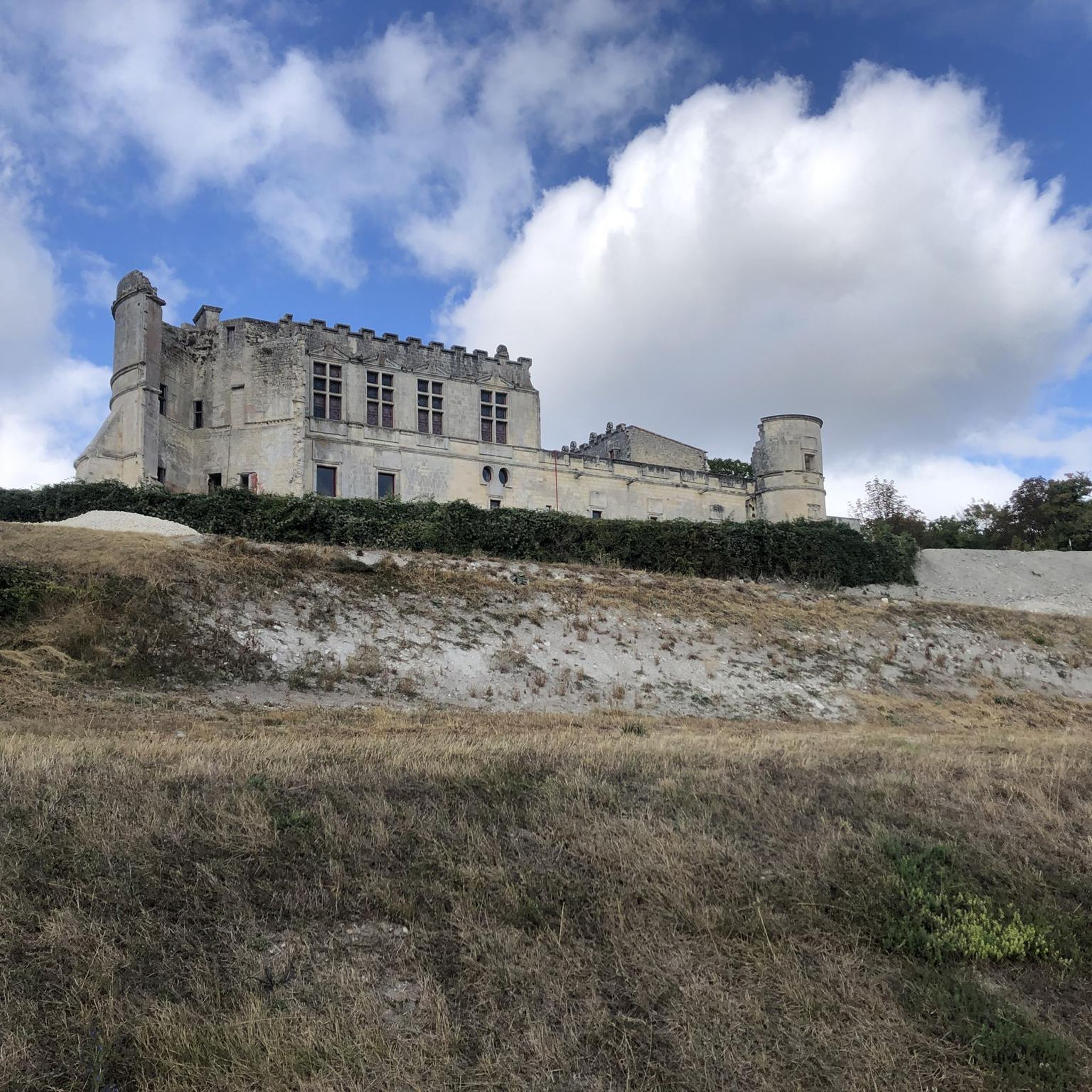
The Bouteville area is rich in history. You can cycle past significant landmarks such as the historic Château de Bouteville, which played a role in the Hundred Years' War. Another notable site is the Bourg-Charente Castle, a 17th-century structure near Cognac, which also houses remnants of a medieval fortress.
Are there any circular road cycling routes in the Bouteville area?
Yes, many of the road cycling routes around Bouteville are designed as loops, allowing you to start and finish in the same location. An example is the View of Saint-Simeux – Saint-Pierre Church of Fléac loop from Châteauneuf-sur-Charente, which offers scenic views and significant elevation changes.
What do other road cyclists enjoy most about cycling in Bouteville?
The road cycling routes in Bouteville are highly rated by the komoot community, with an average score of 4.7 stars from over 20 reviews. Cyclists frequently praise the varied terrain, from gentle vineyard paths to challenging hills, and the tranquil beauty of the Southwest French countryside.
Are there any routes that pass by the Charente river?
Yes, many routes in the Bouteville region incorporate the picturesque Charente river. For instance, the Cognac Castle – Vibrac Bridge loop from Châteauneuf-sur-Charente offers views of the river and its banks, providing a serene backdrop for your ride.
What is the best season for road cycling in Bouteville?
The tranquil beauty of Southwest France makes Bouteville enjoyable for road cycling across multiple seasons. Spring and autumn offer pleasant temperatures and vibrant landscapes, while summer provides warm weather, ideal for exploring the vineyards and river areas. Winter conditions are generally mild, though some routes might be less accessible.
Can I find routes that offer a mix of terrain, including both flat sections and climbs?
Yes, the Bouteville region is known for its diverse topography. Routes often combine gentle gradients through valleys and vineyards with more challenging sections featuring significant elevation gains on hillsides. The Châteauneuf-sur-Charente route is a good example, offering moderate elevation changes through varied countryside.
Are there any local culinary experiences or unique products to discover while cycling?
While cycling, you're in the heart of the Charente region, famous for Cognac and Pineau production. You might encounter local producers like La Compagnie de Bouteville, known for gourmet vinegars aged in Cognac barrels, offering a unique gastronomic insight into the area's heritage.
Are there any routes that offer views of the famous Cognac region?
Bouteville's proximity to Cognac means many routes will take you through the broader Cognac region, characterized by its extensive vineyards. The Cognac Castle – Vibrac Bridge loop from Châteauneuf-sur-Charente, for example, brings you close to the city, allowing you to experience the landscape associated with its renowned brandy.
Most popular routes around Bouteville
Most popular attractions around Bouteville

Get inspired with the komoot mobile app


Explore more
Browse the best Road cycling routes in other regions.
