Top 4 Mountain Passes around Esmoulières
Best mountain passes around Esmoulières are found within the Plateau des Mille Étangs, located in the southern Vosges mountains of eastern France. This region is defined by a unique glacial landscape, characterized by numerous ponds, forests, and moorlands. The area provides opportunities for cycling and exploring its distinctive natural environment.
Best mountain passes around Esmoulières
- The most popular mountain passes is Mont de Fourche Pass, a mountain pass that is part of the Tour de France route. It offers…
Last updated: June 26, 2026
Mont de Fourche Pass
Highlight • Mountain Pass
Translated by Google •
Tip by

Chevrères Pass
Highlight • Mountain Pass
Translated by Google •
Tip by

Sign up now to discover places like this
Get recommendations on the best single tracks, peaks, & plenty of other exciting outdoor places.
Sign up for free
Col des Croix
Highlight • Mountain Pass
The summit which is located at 679 meters was crossed during the Tours de France 2014 and 2019.
Translated by Google •
Tip by

Ascent of Col des Chevrères from Rexelaxert via Miellin
Highlight (Segment) • Climb
Translated by Google •
Tip by

Start today with a free account
Your next adventure awaits.
Login or Signup
Tips from the Community

The average gradient of 5.8% over the nine kilometers is not very representative of the climb, which is very tough from Miellin onwards with gradients reaching 17%. Not far from the Planche des Belles Filles, the Col des Chevrères offers a formidable sequence of climbs.
1
0

Passage of the 2024 Women's Tour de France
0
0

Small collar, easy and pleasant to assemble.
1
0
Beautiful, rather easy passes with a wide and perfectly paved road. Very beautiful laces!
0
0

From Plancher-Bas or Plancher-les-Mines, the only difficulty is the Belfahy hill: around 500 m at 10-15%.
0
0

Col famous for cycling, it is also a popular crossing point for hikers. The GR7 route follows it and there is a stopover gîte (https://www.lahautefourche.com/Fran%C3%A7ais/Accueil).
1
0

A much less frequented place than the Planche des Belles Filles, the climb is just as long, even if less steep. The beautiful girls loop offers a very beautiful outing with remarkable landscapes and roads
0
0
Frequently Asked Questions
What are some of the most notable mountain passes around Esmoulières?
The Esmoulières area, nestled in the southern Vosges mountains, features several distinctive mountain passes. Among them, the Mont de Fourche Pass is popular, known for being part of the Tour de France route. Another significant pass is Col des Croix, which also featured in the Tours de France. For a more challenging experience, cyclists often seek out Chevrères Pass, known for its steep gradients.
What makes the mountain passes around Esmoulières unique?
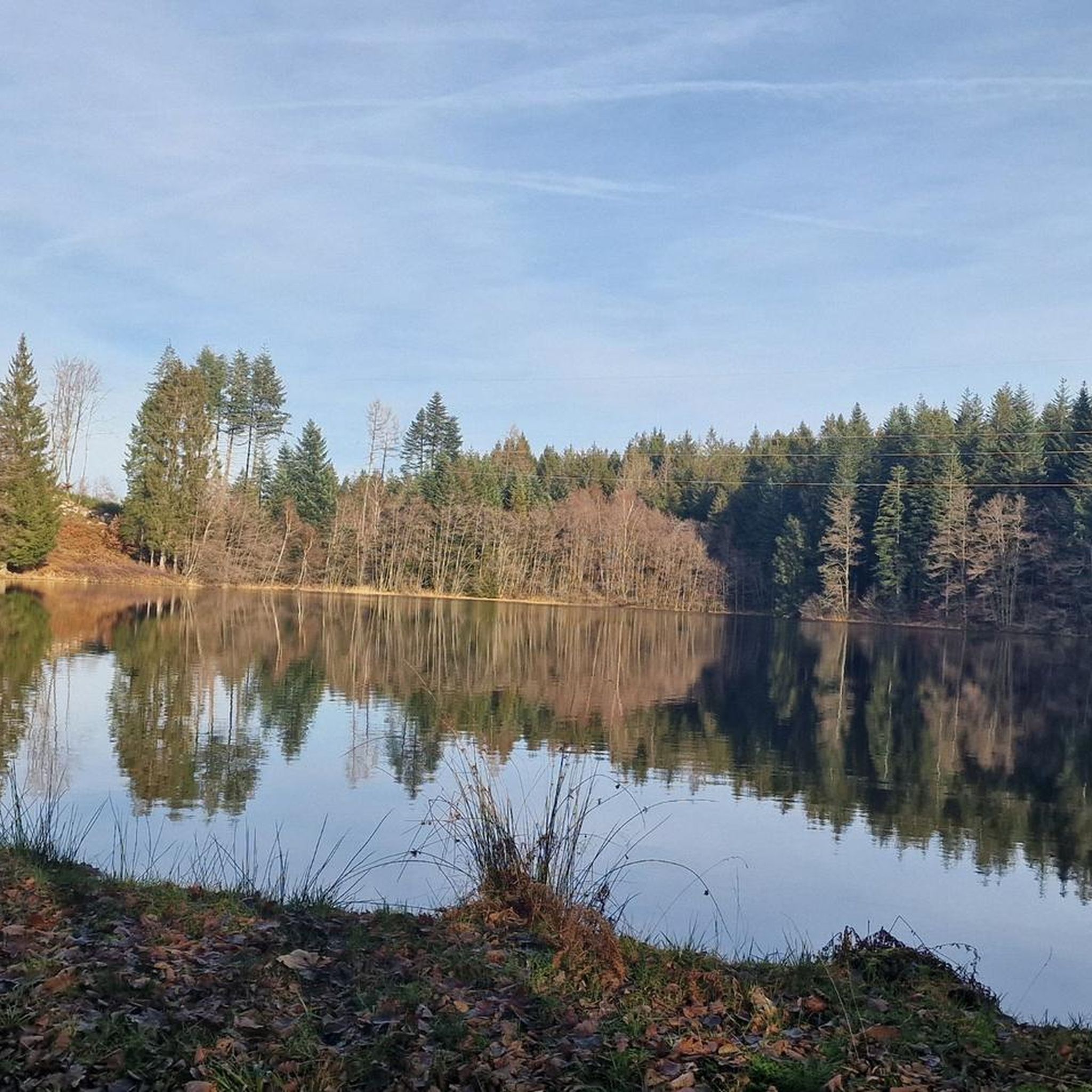
The mountain passes in the Esmoulières region are unique due to their location within the "Plateau des Mille Étangs" (Plateau of a Thousand Ponds). This area is characterized by a remarkable glacial landscape with numerous small lakes, ponds, moors, meadows, and forests. This distinctive natural heritage, often referred to as "Petit Finlande," provides a serene and picturesque environment for outdoor activities.
Are the mountain passes around Esmoulières suitable for cycling?
Yes, the mountain passes around Esmoulières are particularly well-suited for cycling. The region offers a variety of climbs, from moderate to very challenging. The Côte Esmoulières from Saphoz, for instance, is recognized as a tough but rewarding ascent with sections reaching gradients of 10% or even 15%. Other passes like Chevrères Pass are known for even steeper gradients, making them a significant physical challenge for cyclists.
What kind of views can I expect from the mountain passes in the Esmoulières area?
From the plateau areas near the mountain passes, especially after climbs like the Côte Esmoulières from Saphoz, visitors can enjoy expansive views. These often include the unique landscape of the "Plateau des Mille Étangs" with its countless ponds and forests. On clear days, it's even possible to catch distant glimpses of the Ballon d'Alsace.
What hiking opportunities are available near the mountain passes?
The region around Esmoulières offers numerous hiking trails that allow visitors to explore the unique ecosystem of the "Plateau des Mille Étangs." These trails often wind alongside ponds and through hamlets, showcasing diverse flora and fauna like broom, heather, and blueberry bushes. Easy routes, such as the "Esmoulières route via La Saulotte," are available, and you can find more options in the Hiking around Esmoulières guide.
What is the best time to visit the mountain passes around Esmoulières?
The Esmoulières area is beautiful throughout the warmer months. Autumn is particularly recommended for hiking and cycling, as the forests display changing colors, adding to the scenic beauty of the "Plateau des Mille Étangs." The tranquil atmosphere makes it ideal for disconnecting and immersing oneself in nature.
Are there family-friendly activities or passes suitable for beginners?
While some passes offer challenging climbs, the broader "Plateau des Mille Étangs" region provides a tranquil environment with numerous easy hiking trails that are suitable for families. These trails allow visitors to enjoy the unique landscape of ponds and forests without extreme physical exertion. For specific routes, refer to the Hiking around Esmoulières guide, which includes routes with easy difficulty grades.
What other outdoor activities can I do near the mountain passes in Esmoulières?
Beyond cycling and hiking, the Esmoulières area is excellent for exploring the natural landscape. You can find various routes for touring bicycles and gravel biking. For detailed routes and guides, explore the Cycling around Esmoulières and Gravel biking around Esmoulières guides.
What do visitors enjoy most about the mountain passes and surrounding area?
Visitors frequently appreciate the peaceful atmosphere and the distinctive beauty of the water-rich, forested landscape of the "Plateau des Mille Étangs." Cyclists enjoy the challenging but rewarding climbs, while hikers value the opportunity to explore the unique ecosystem. The region's tranquility and natural scenery are consistently highlighted as major draws.
Are there any specific challenges or considerations for cyclists on these passes?
Yes, cyclists should be prepared for significant challenges on some passes. For example, the Côte Esmoulières from Saphoz features an average gradient of 7.9% over 2.4 kilometers, with sections reaching 10% or even 15%. Chevrères Pass is known for even steeper sections, up to 19%. These climbs require good physical condition and appropriate gearing.
Can I find information about the history or geology of the Esmoulières region?
The territory of Esmoulières, particularly its southern and eastern parts, is characterized by an old glacial valley. The numerous ponds in the "Plateau des Mille Étangs" are largely of natural origin, formed by glacial erosion during the Ice Age, giving the area significant geological interest. For more detailed historical and geographical context, you can consult the Wikipedia page for Esmoulières.
Most popular routes around Esmoulières
Most popular attractions around Esmoulières

Get inspired with the komoot mobile app


Explore more
See even more epic mountain passes by checking out these guides around Esmoulières:
