Attractions and Places To See around Lucy-Sur-Cure - Top 20
Best attractions and places to see around Lucy-Sur-Cure include a blend of local heritage and access to significant regional sites. Situated in the Yonne department of the Burgundy-Franche-Comté region of France, the commune lies along the Cure river. The area offers diverse points of interest, from historical churches to natural landmarks and charming towns, making it a base for exploring the wider region.
Best attractions and places to see around Lucy-Sur-Cure
- The most popular attractions is The Saussois Rocks,…
Last updated: June 23, 2026
The Saussois Rocks
Highlight • Other
Translated by Google •
Tip by

Church of Saints Peter and Paul, Cravant
Highlight • Religious Site
Its impressive dimensions remind us that Cravant was a city of more than …
Translated by Google •
Tip by

Sign up now to discover places like this
Get recommendations on the best single tracks, peaks, & plenty of other exciting outdoor places.
Sign up for free
Great Cave of Arcy
Highlight • Other
Visit the Great Cave, which has been frequented for several centuries for its magnificent concretions; in the 1990s it …
Translated by Google •
Tip by

Château du Chastenay
Highlight • Castle
Translated by Google •
Tip by
Cravant Keep
Highlight • Structure
Translated by Google •
Tip by
Sign up for free to discover even more attractions around Lucy-Sur-Cure.
Sign up for free
Already have an account?
Start today with a free account
Your next adventure awaits.
Login or Signup
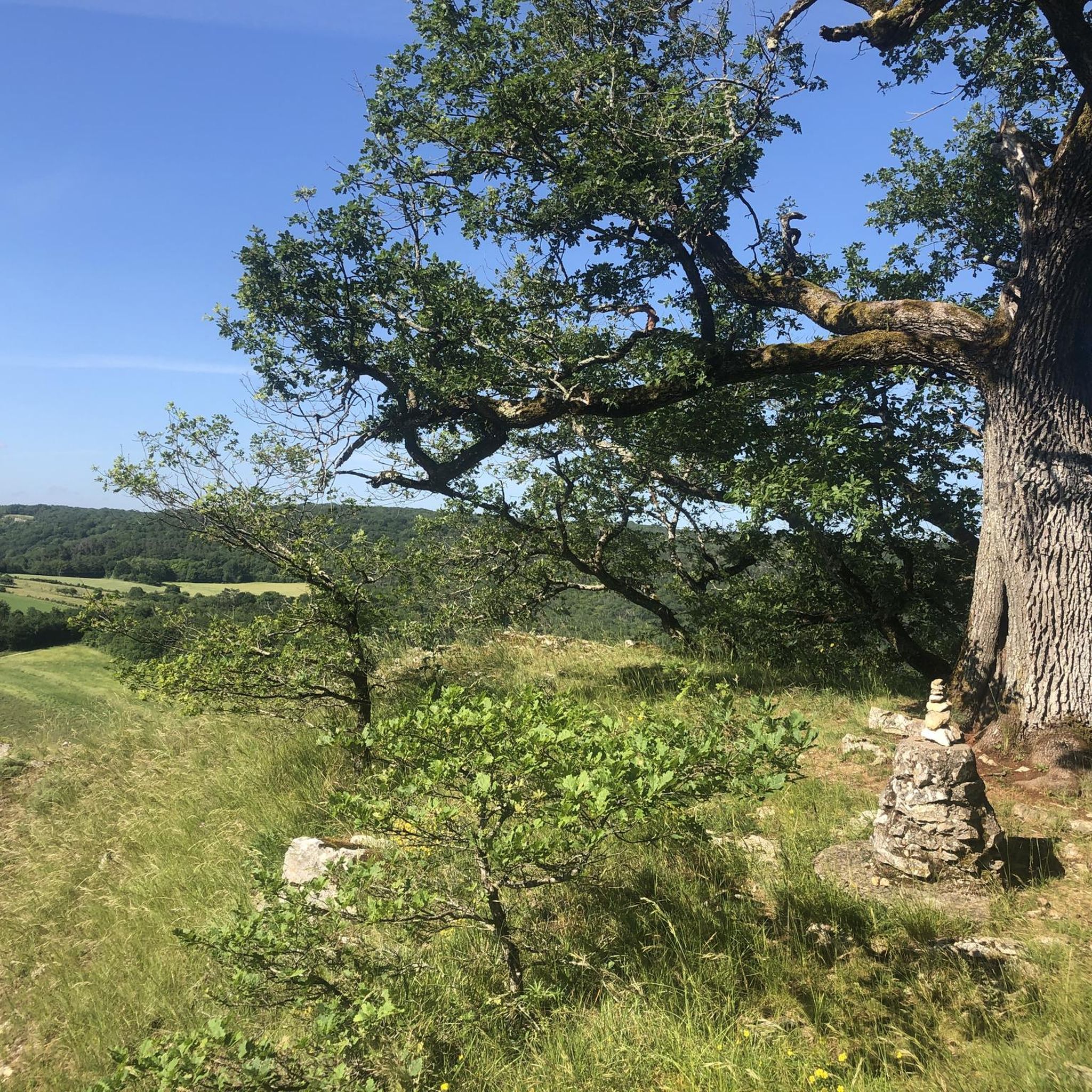
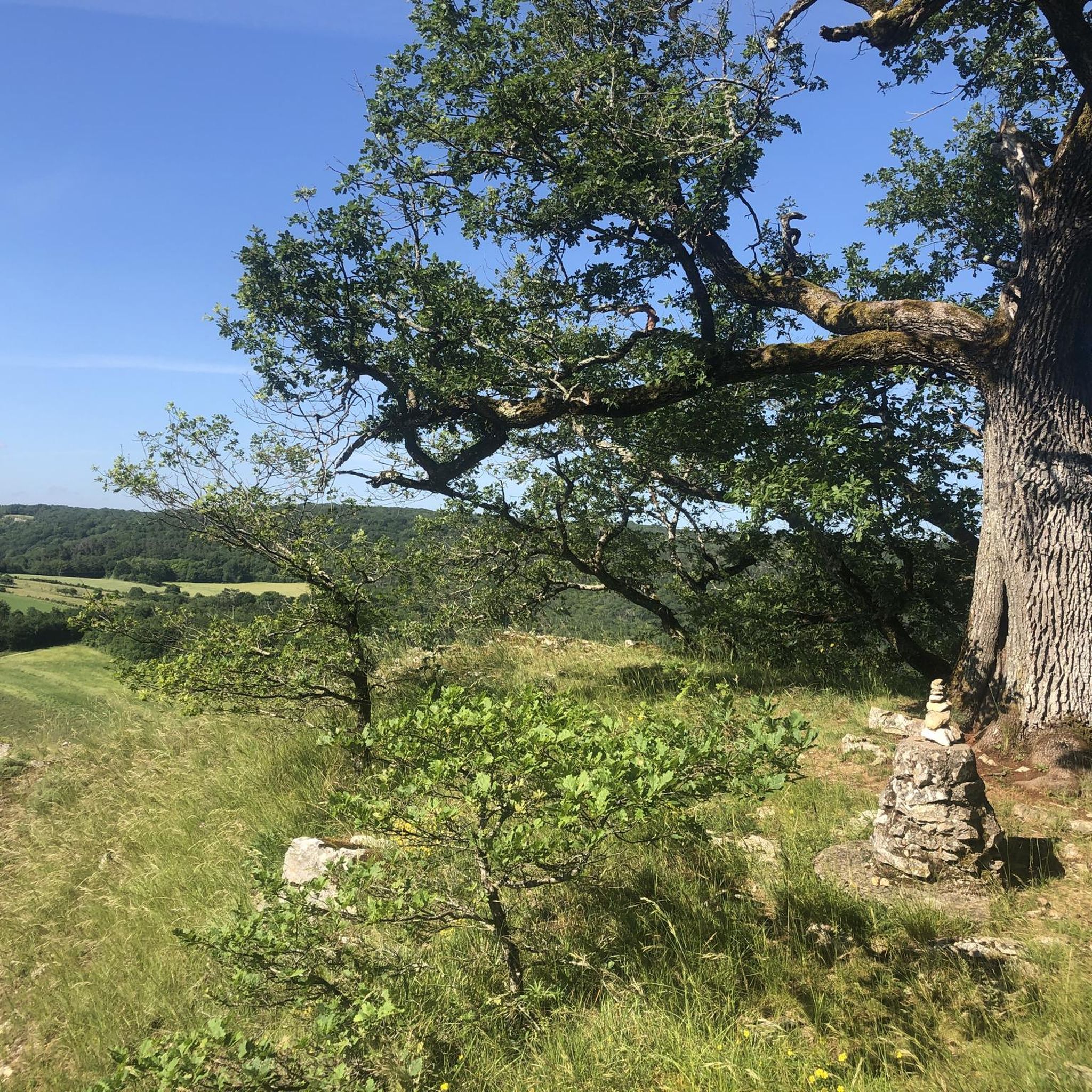
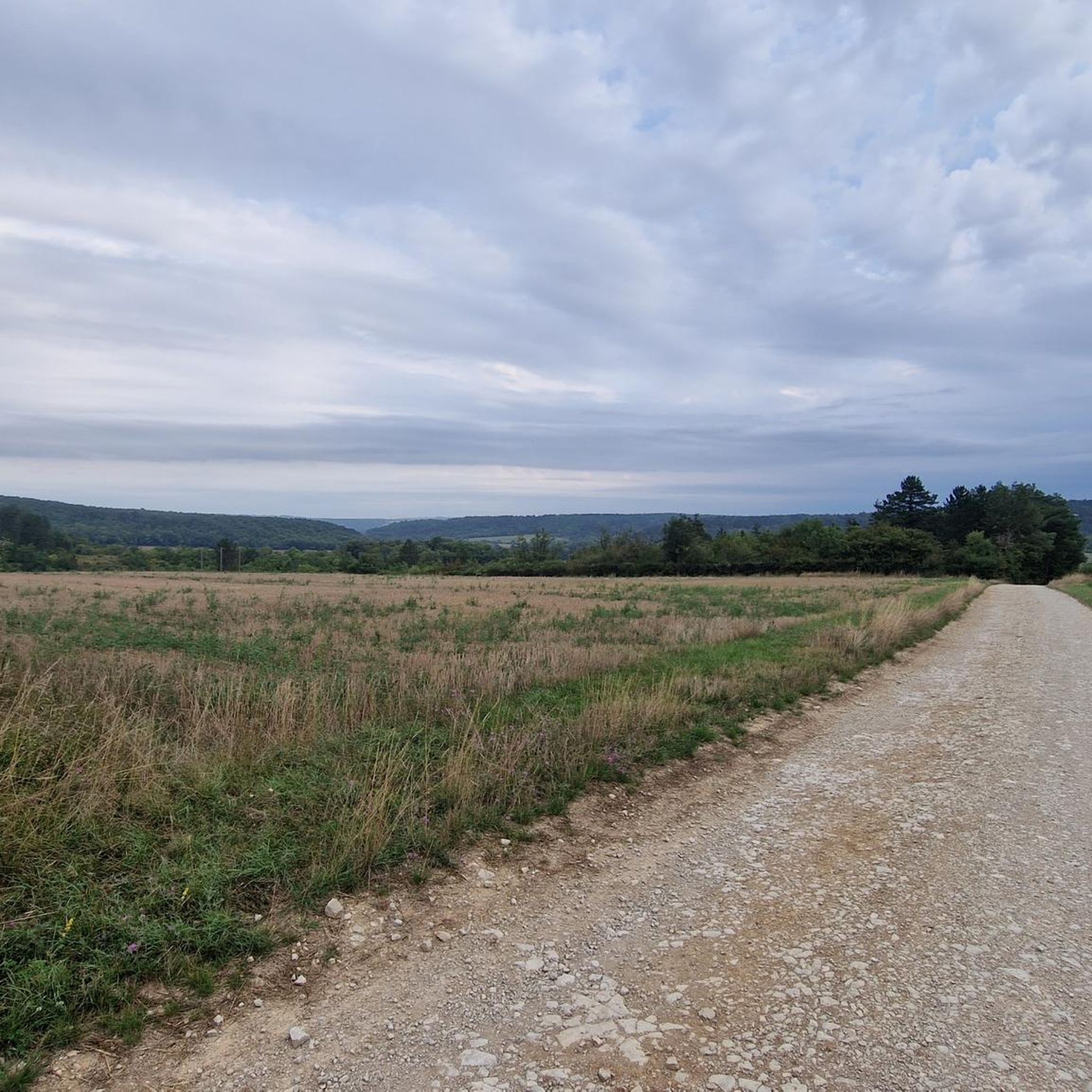
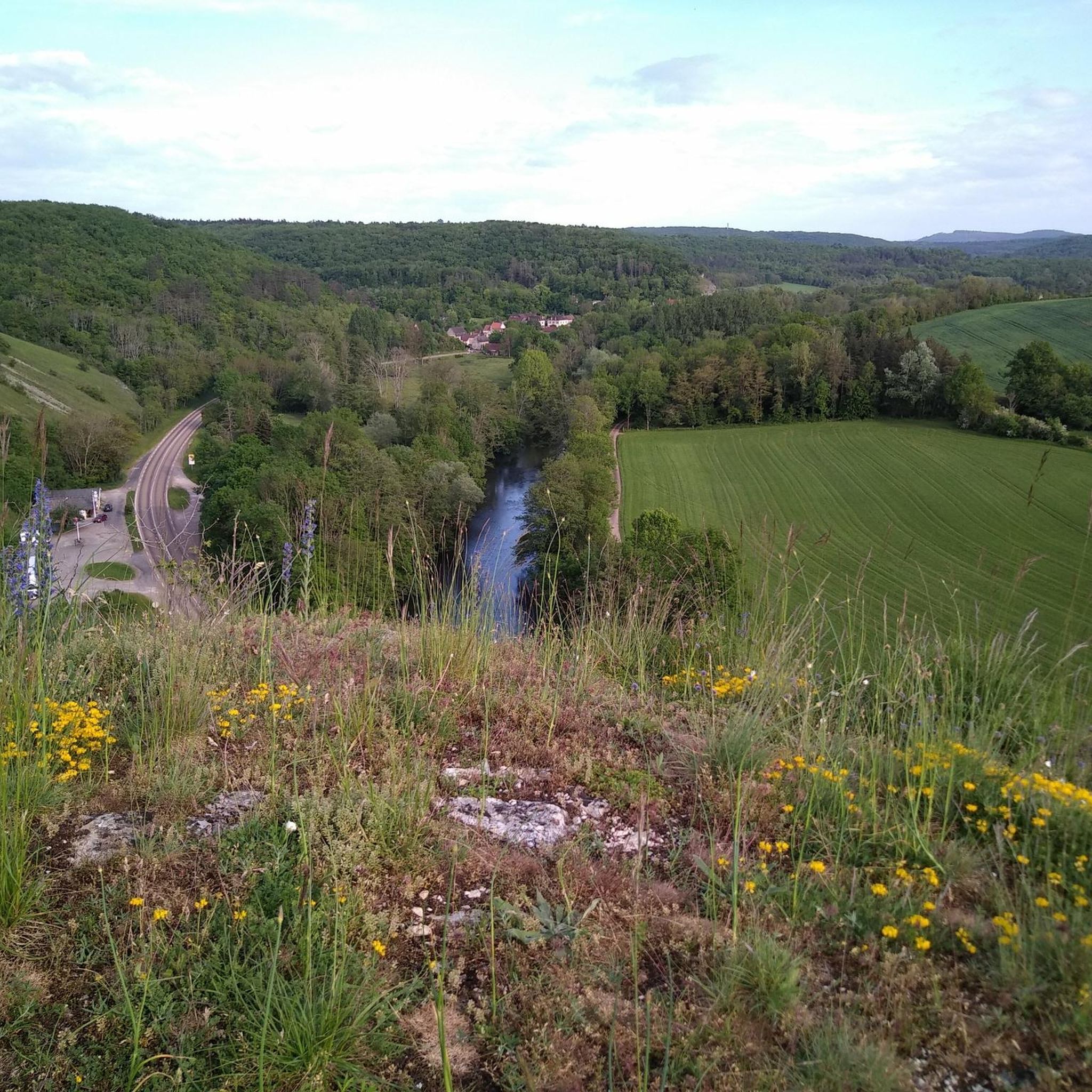

Tips from the Community

The woman who lives next door in the keep even washes her laundry here.
0
0

How I love bathing my feet in a washhouse!
0
0
Next to the Manor, there is the miniature village.
0
1

The extremely impressive church in Cravant was dedicated to the two SAINTS "PIERRE et PAUL". They are also known as the "Princes of the Apostles" and their common feast day in the calendar of saints is June 29th. * Simon, nicknamed Peter (Rock), was a fisherman on Lake Genesareth when he - together with his brother Andrew - was called by Jesus Christ to be a "fisher of men". According to Catholic understanding, he is the highest apostle and the two thousand year long line of popes - currently Francis - are his successors. In statues and paintings, Peter is almost always depicted with two keys in his hand; this attribute refers to the Bible verse in Matthew: "I will give you the keys of the kingdom of heaven; whatever you bind on earth will be bound in heaven, and whatever you loose on earth will be loosed in heaven." (Chapter 16, Verse 19). * Paul was initially an opponent of the Christian movement and was not called to the apostleship of Jesus Christ during his lifetime like the other apostles, but was only converted later with the famous "Damascus experience". His attribute is the sword with which he was executed. According to the Roman law of the time, such a sentence was a "privilege" (quick death and not, like other types of execution, associated with a long, painful death struggle) that was available to the citizens of Rome.
0
0

The Saint Pierre Saint Paul church is a remarkable building. It has a unique architecture in Burgundy. Its impressive dimensions remind us that Cravant was a city of more than 3000 inhabitants. The church then belonged to the bishops of Auxerre who came there regularly and did everything to make it beautiful and imposing. The interior of the church, with its nave, its Renaissance choir, its chapels, its keystones and its vaulted ceilings, bears witness to its prestigious past. It was built in the 9th century, enlarged in the 12th century then rebuilt at the end of the 16th century. https://www.bourgogne-tourisme.com/abbayes-et-autre-edifices-religieux/eglise-de-saint-pierre-et-saint-paul-de-cravant-3
3
0
The Cravant property is a fortified building built in the 14th century to protect the property of the Bishop of Auxerre. The rest of the mighty outer wall is reminiscent of a castle. The building is now privately owned. The old public washhouse is right next to it. A monument is erected facing the street. The 4,500 soldiers who fell here in a historic battle defending France in 1423 are remembered there.
4
0

Appears at the top of the hill this elegant Renaissance style building: the Château du Chastenay. It has a turret placed in a corbel on the right, a hexagonal staircase tower in the center. The pediment of its portal is decorated with a sculpted frieze as well as a Jacquaire shell (we are on the way to Santiago de Compostela). The mullioned windows are also richly carved. The presence of a dovecote affirms the lordly character of the place. In principle, only lords, high justices, had one. The number of bowls was regulated according to the surface area of the owner's fiefdom. The pigeon was highly appreciated for its fine flesh and for its droppings, called columbine, which serves as excellent quality fertilizer.
6
0
Please make sure to reserve and pay in advance at www.grottes-arcy.net After paying online, be sure to note the reserved date and entry time! You only receive a payment confirmation from Systempay, without an entry time or date! At the checkout, however, the employees see the names of the online bookings. There are only guided tours that last around 50 minutes. The length of the tour is 450 m. You are not allowed to take photos along almost the entire length of the tour! That's why I couldn't take any pictures of this impressively beautiful stalactite cave. At the end of the tour the ceiling height decreases significantly. This is exactly where prehistoric people left their engravings. These engravings were only discovered in 1990 and were exposed with great effort using micro milling. An approximately 3mm thick layer of debris has been removed, but a fine, transparent layer has been left on the engravings so they are still protected. Only at the end of the tour are you allowed to take pictures of a crystal-clear small lake.
3
1
Frequently Asked Questions
What natural landmarks can I explore near Lucy-sur-Cure?
The most prominent natural landmark is The Saussois Rocks, impressive limestone cliffs popular with climbing enthusiasts. You can also visit the Great Cave of Arcy, known for its geological formations and prehistoric art, or enjoy the park bordering the Cure River within Lucy-sur-Cure itself.
Are there historical sites to visit in and around Lucy-sur-Cure?
Yes, the region is rich in history. Within Lucy-sur-Cure, you can see the Église Saint-Amâtre, with parts dating back to the 12th century. Nearby, explore the Cravant Keep, a 14th-century fortified building, and the unique architecture of the Church of Saints Peter and Paul, Cravant. Further afield, Vézelay's Basilica, the historic centers of Auxerre and Avallon, and the medieval buildings of Clamecy offer deep dives into regional history.
What kind of outdoor activities are available near Lucy-sur-Cure?
The area around Lucy-sur-Cure is excellent for outdoor enthusiasts. You can find numerous routes for hiking, cycling, and mountain biking. The Saussois Rocks are particularly popular for climbing, and the Cure River offers pleasant spots for relaxation.
Are there family-friendly attractions in the area?
Families can enjoy the park bordering the Cure River in Lucy-sur-Cure, which has benches, picnic tables, and children's games. The Cravant Keep is also noted as family-friendly. The Grottes d'Arcy-sur-Cure offer an exciting educational experience for all ages, exploring prehistoric art and geological formations.
Can I visit prehistoric sites near Lucy-sur-Cure?
Yes, the Grottes d'Arcy-sur-Cure are a major prehistoric site. The Great Cave of Arcy, in particular, has revealed engravings and paintings dating back 28,000 years, making them among the oldest in the world. It's recommended to reserve and pay in advance for tours.
What are some charming villages or towns to visit nearby?
Several picturesque towns are a short drive from Lucy-sur-Cure. Noyers-sur-Serein is recognized as one of France's 'Most Beautiful Villages' with its half-timbered houses. Chablis is famous for its wines, while Auxerre and Avallon offer extensive old towns and medieval architecture.
Are there any notable churches or religious buildings to see?
Beyond Lucy-sur-Cure's own Église Saint-Amâtre, you can visit the architecturally unique Church of Saints Peter and Paul, Cravant. The Basilica of Vézelay, approximately 18 km away, is a monumental example of 12th-century Romanesque architecture and a UNESCO World Heritage site. The Abbaye de Pontigny is also a significant Cistercian abbey worth visiting.
What are the options for hiking around Lucy-sur-Cure?
There are many hiking opportunities, ranging from easy to difficult. Popular routes include the 'Discovering Arcy-sur-Cure and its Prehistoric Caves Trail' and the 'View into the Cure Valley – Arcy-sur-Cure Bridge loop from Arcy sur Cure'. You can find more details and routes on the Hiking around Lucy-Sur-Cure guide.
Are there any castles or fortified buildings to explore?
Yes, the region features several historical castles and fortified structures. The Cravant Keep is a 14th-century fortified building. You can also see the elegant Renaissance-style Château du Chastenay, the beautiful 12th-century Château de Druyes, and the 15th-century Château d'Ancy-le-Franc.
What is the best time to visit the attractions around Lucy-sur-Cure?
The region is enjoyable throughout the warmer months. For outdoor activities like hiking and cycling, spring (April-June) and autumn (September-October) offer pleasant temperatures. Summer (July-August) is ideal for enjoying the river and village parks, though it can be busier. For the Great Cave of Arcy, specific opening hours vary by season, so it's best to check their schedule in advance.
What do visitors particularly enjoy about the attractions here?
Visitors appreciate the diverse range of experiences, from the imposing Saussois Rocks, popular with climbers, to the unique architecture of the Church of Saints Peter and Paul, Cravant. The historical significance of sites like the Cravant Keep and the prehistoric wonders of the Great Cave of Arcy are also highly valued.
Are there cycling routes available near Lucy-sur-Cure?
Absolutely, the area offers a variety of cycling routes for different skill levels. You can find routes like 'The Saussois Rocks – Merry-sur-Yonne loop from Arcy sur Cure' or 'Vincelles Lock – Cravant loop from Vermenton'. For a comprehensive list, refer to the Cycling around Lucy-Sur-Cure guide.

Get inspired with the komoot mobile app


Explore more
Still not found the Highlight you’re looking for? See guides of the top attractions in other regions:
