Top 6 Castles around Cour-Sur-Loire
Best castles around Cour-Sur-Loire are situated in the Loire Valley, a region renowned for its historical châteaux. This area offers a rich architectural experience, showcasing various periods of French history. Visitors can explore numerous castles within a reasonable distance, providing insight into royal residences and historical events.
Best castles around Cour-Sur-Loire
- The most popular castles is Chambord Castle, a castle that was built in 1519 at the request of François 1er. It is the largest and best known of…
Last updated: June 22, 2026
Chambord Castle
Highlight • Castle
Translated by Google •
Tip by

Chambord Castle
Highlight • Monument
The Domaine national …
Translated by Google •
Tip by

Sign up now to discover places like this
Get recommendations on the best single tracks, peaks, & plenty of other exciting outdoor places.
Sign up for free
Blois Castle
Highlight • Castle
Translated by Google •
Tip by

Grotteaux Castle
Highlight • Castle
Translated by Google •
Tip by

Historic Sites of Montlivault
Highlight • Historical Site
Translated by Google •
Tip by

Sign up for free to discover even more castles around Cour-Sur-Loire.
Sign up for free
Already have an account?
Start today with a free account
Your next adventure awaits.
Login or Signup

Tips from the Community

The Royal Château of Blois was the residence of queens, kings, and princes for more than four centuries. It was the preferred residence of Duke Charles of Orléans, the birthplace of Louis XII, who lived here with his wife Anne of Brittany, the first building constructed by the king and architect Francis I, the deathbed of Catherine de' Medici, and the home of Marie de' Medici in exile.
1
0

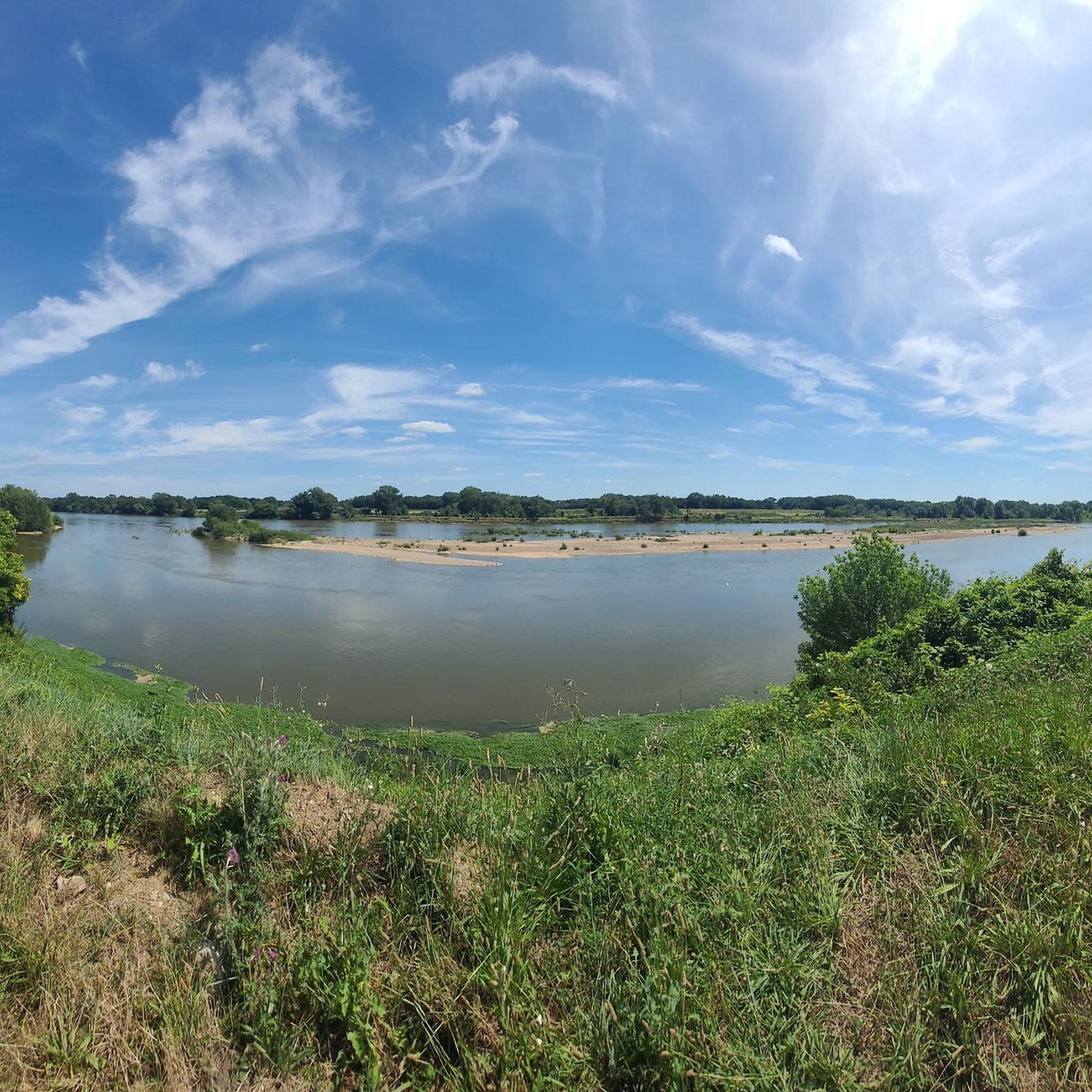
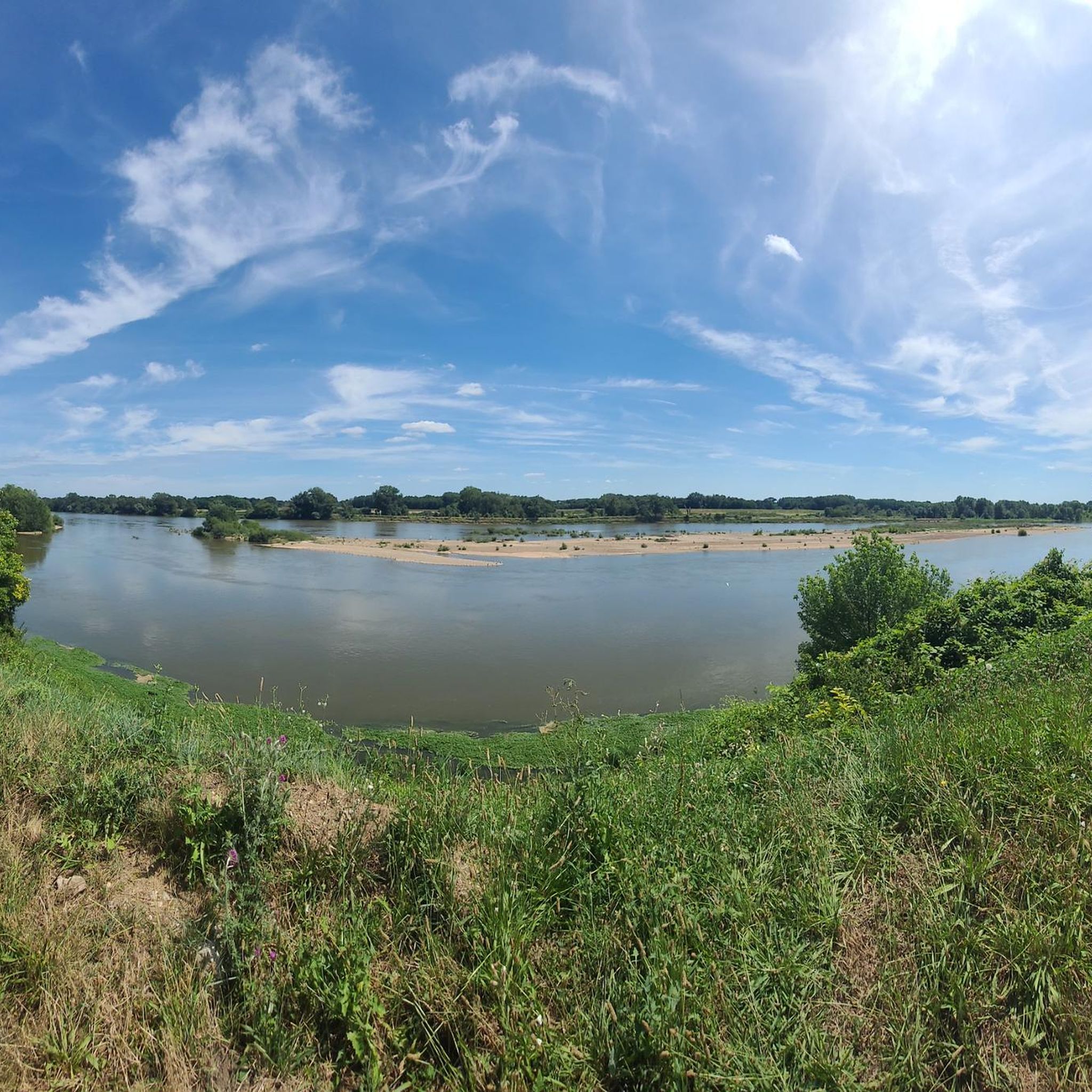
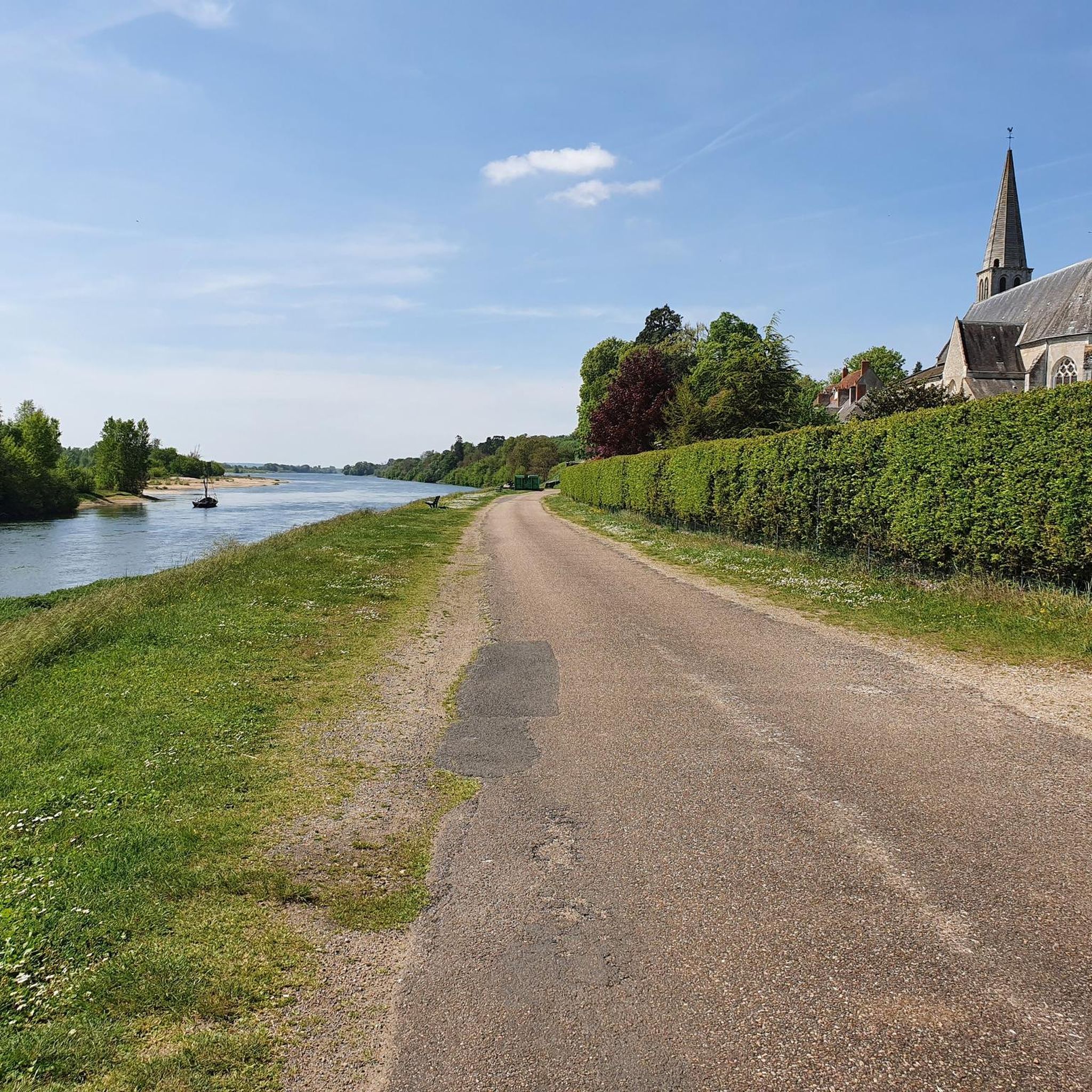
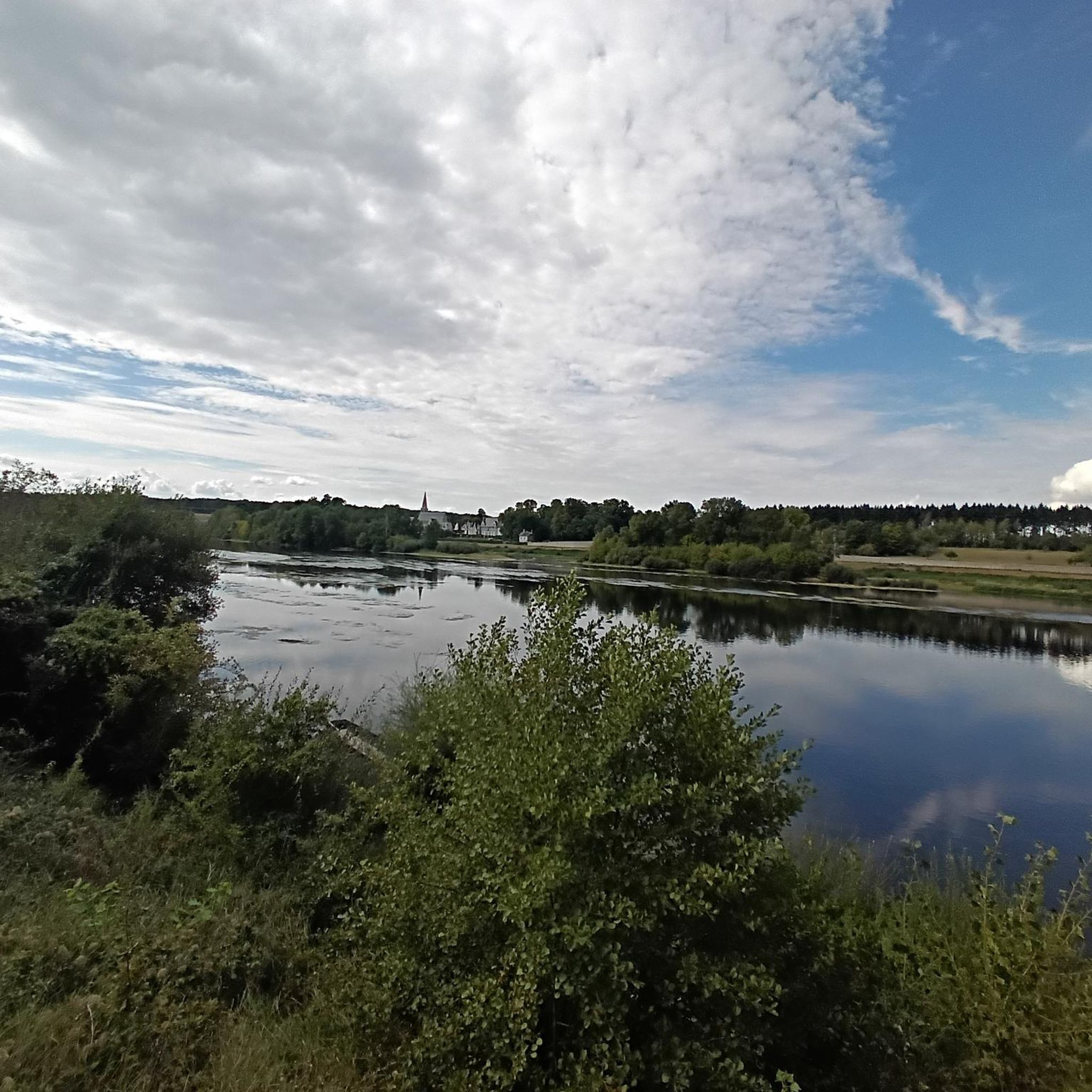
Cycle path that leads to the village of Montlivault, on your way you will discover several historic buildings such as the old Nozieux post office relay, the church, the wash house and the Montlivault castle
0
0

Here you can spend the night like a prince
0
0

A worthwhile castle with its four construction periods. Make sure you take the time to visit.
1
0

It is the largest Renaissance hunting lodge on the Loire. A visit is highly recommended. There is a paid parking lot. The park is 55 hectares in size. Chambord Castle impresses with its architecture, the beautifully furnished rooms and art. It is recommended to rent a Histopad for 6.5 euros. From the terrace you have great views of the landscaped garden and the extensive park.
1
0

In the heart of Sologne, the Château de Chambord has continued to dazzle its visitors for five hundred years. A true architectural work, Chambord is the emblem of the French Renaissance throughout the world. An affirmation of royal power, but also an evocation of an ideal city, the monument remains an enigma that has not yet finished revealing all its secrets. The unique and magical atmosphere is felt upon arrival, after crossing the forest, when you find yourself facing this castle with its extraordinary architecture imagined by François I and on which floats the spirit of Leonardo da Vinci. Built from 1519 at the request of François I, a lover of the arts and hunting, the Château de Chambord is a palace that the king liked to show to sovereigns and ambassadors as a symbol of his power inscribed in stone. Built in the heart of the marshy lands of Sologne, Chambord represents a true architectural feat. The plan of the castle and its decorations were designed around a central axis: the famous double-revolution staircase, inspired by Leonardo da Vinci. The castle was completed under the reign of Louis XIV. In the 18th century, work was undertaken to develop the interior of the castle. The need to bring warmth and comfort to the building prompted the various occupants to furnish the castle permanently. By visiting the Château Chambord, you travel through 500 years of French history in a few hours. Stairs, galleries, terraces, large rooms and small offices are all solicitations to wander for pleasure. Chambord is not a castle like the others. Visiting Chambord is accessing a world apart, filled with mystery, which opens the doors to the genius of the Renaissance. The Château de Chambord has been dedicated to the arts from the outset. Molière's Le Bourgeois Gentilhomme was performed there for the first time, in front of Louis XIV in 1670. True to this tradition, the estate has set up a quality cultural program since 2010 (music festival, exhibitions, readings, shows, etc.). The Château de Chambord cannot be dissociated from its natural state, the forest. With its 5,440 hectares and 32 kilometers of surrounding walls, the national estate of Chambord is the largest enclosed park in Europe. Coming to Chambord also means exploring kilometers of hidden paths, admiring preserved landscapes, having the chance to come across wild animals or discovering the magnificent French gardens designed under Louis XIV and completely restored in 2017. Chambord offers many nature activities in the park: equestrian show, horse-drawn carriage rides, visits to the reserve in 4x4, boat trips, on foot or by bike. For lovers of the terroir, come and discover the Chambord vineyards and taste the 500-year-old vintage. Also, don't miss a visit to the vegetable gardens, inspired by permaculture, in the former stables of the château. An opportunity to discover the world of market gardeners and the benefits of this agriculture. In Chambord, everyone can build their day according to their desires.
1
0

Beautiful viewpoint of Chambord Castle.
3
0

After seven hours we end our excursion in the largest castle in the Loire Valley. The building is more than impressive. It is unimaginable how it was once built and how it was later lived here. The rooms were always used differently and redesigned. Would it take another day to explore the hunting ground? https://youtu.be/woeml4u17Fg
1
0
Frequently Asked Questions
Which castles near Cour-Sur-Loire are most popular with visitors?
Among the most popular castles, Chambord Castle stands out as the largest and best-known in the Loire Valley, famous for its unique double-helix staircase. Blois Castle is also highly regarded, showcasing a remarkable evolution of architectural styles from the 13th to the 17th century.
Are there family-friendly castles to visit near Cour-Sur-Loire?
Yes, several castles in the area are suitable for families. Chambord Castle and Blois Castle are both listed as family-friendly. Chambord's vast park offers space for exploration, while Blois provides engaging historical insights. The Historic Sites of Montlivault also offer family-friendly trails and historical buildings.
What are the typical opening times for major castles in the Loire Valley near Cour-Sur-Loire?
Opening times vary by castle and season. For instance, Chambord Castle is generally open daily from 9 a.m. to 6 p.m. from April to October. Blois Castle has extended hours in summer, closing at 7 p.m. in July and August. It's always best to check the specific castle's website for the most current schedule before your visit.
What kind of historical sites can I explore besides the grand castles?
Beyond the grand châteaux, you can discover more intimate historical sites. For example, the Grotteaux Castle offers a glimpse into local history with its small castle and watermill. The Historic Sites of Montlivault also include various historical buildings like an old post office relay, a church, and a wash house, providing a broader historical context of the region.
Can I find less crowded castles in the Loire Valley near Cour-Sur-Loire?
While major sites like Chambord and Blois can be busy, you might find a more intimate experience at places like the Grotteaux Castle, which is a smaller, charming site. The Château de Cour-sur-Loire itself offers guided visits of its exteriors and park, providing a direct connection to the village without the large crowds of the more famous châteaux.
What outdoor activities are available near the castles around Cour-Sur-Loire?
The region offers numerous outdoor activities. You can find excellent running trails, such as the 'Tronne Ferry – Cour-sur-Loire castle loop from Menars' or 'The Loire River – View of the Loire loop from Montlivault'. For cyclists, there are road cycling routes like the 'View of Chambord Castle – Chambord Castle loop from Menars'. Hikers can enjoy paths like the 'Cour-sur-Loire castle loop from Menars'. You can explore more options on the running, road cycling, and hiking guide pages.
Are there hiking routes that incorporate castle views or grounds?
Yes, there are several hiking routes that allow you to experience the castles and their surroundings. For example, the 'Cour-sur-Loire castle loop from Menars' is an easy hike that takes you past the local castle. Another moderate option is the 'Chateau de Menars loop from Montlivault', offering views of the elegant Château de Ménars. You can find more details on the hiking guide page.
What is the best season to visit the castles around Cour-Sur-Loire?
The Loire Valley castles are beautiful year-round, but spring (April-May) and autumn (September-October) offer pleasant weather for exploring, with fewer crowds than the peak summer months. Summer (June-August) is vibrant with longer opening hours and special events like the 'son et lumière' show at Blois Castle, but it can be quite busy. Winter visits are possible, often providing a more serene experience, though some attractions might have reduced hours.
What kind of architectural styles can I expect to see among the castles?
The castles around Cour-Sur-Loire showcase a rich tapestry of French architectural history. Chambord Castle is a prime example of French Renaissance, blending medieval fortifications with classical elegance. Blois Castle is unique for displaying Gothic, Flamboyant Gothic, Renaissance, and Classical styles within its single courtyard. The Château de Cour-sur-Loire dates back to the 15th century, while Château de Ménars reflects 17th and 18th-century classical design.
Are there any castles with notable natural features or expansive grounds?
Absolutely. Chambord Castle is set within Europe's largest enclosed forest park, spanning 13,500 acres with extensive trails. The Château de Cour-sur-Loire features a park and terraces overlooking the Loire River, offering a picturesque riverside setting. Château de Ménars, though privately owned, is known for its elegant French-style gardens spanning 40 hectares, including water features and an English garden.
What do visitors particularly enjoy about the castles in this region?
Visitors frequently praise the sheer scale and architectural genius of castles like Chambord Castle, especially its unique double-helix staircase and vast park. The historical significance and architectural evolution seen at Blois Castle, along with its famous spiral staircase and summer light shows, are also highly appreciated. Many enjoy the unexpected charm of smaller sites like Grotteaux Castle, which offers a glimpse into local history amidst natural surroundings.
Most popular routes around Cour-Sur-Loire
Most popular attractions around Cour-Sur-Loire

Get inspired with the komoot mobile app


Explore more
Looking for the best castles somewhere else? Discover other guides around Cour-Sur-Loire:
