The best cycling routes around Crucey-Villages
4.3
(45)
265
riders
41
rides
Touring cycling around Crucey-Villages provides access to the tranquil landscapes of the Eure-et-Loir department in north-central France. The area is defined by its rural character, featuring a mix of rolling hills, woodlands, and open fields. Situated near the Parc Naturel Régional du Perche, the region offers diverse terrain for cycling. Waterways like the Gervaine and Fontaines streams also contribute to the natural scenery.
Best touring cycling routes around Crucey-Villages
- The most popular touring cycling route is Saulnières Town Hall –…
Last updated: November 1, 2026
5.0
(1)
43
riders
45.3km
03:37
270m
270m
Moderate bike ride. Good fitness required. Mostly paved surfaces.
5.0
(1)
14
riders
46.7km
03:34
330m
330m
Moderate bike ride. Good fitness required. Mostly paved surfaces.

13
riders
45.2km
03:21
320m
320m
Moderate bike ride. Good fitness required. Mostly paved surfaces.
5.0
(2)
7
riders
23.0km
01:41
100m
100m
Easy bike ride. Mostly paved surfaces.
4.7
(3)
6
riders
Moderate bike ride. Good fitness required. Mostly paved surfaces.
Get access to more routes and recommendations from other explorers.
Already have an account?
Our route recommendations are based on thousands of hikes, rides, and runs completed by other people on komoot.
Start today with a free account
Your next adventure awaits.
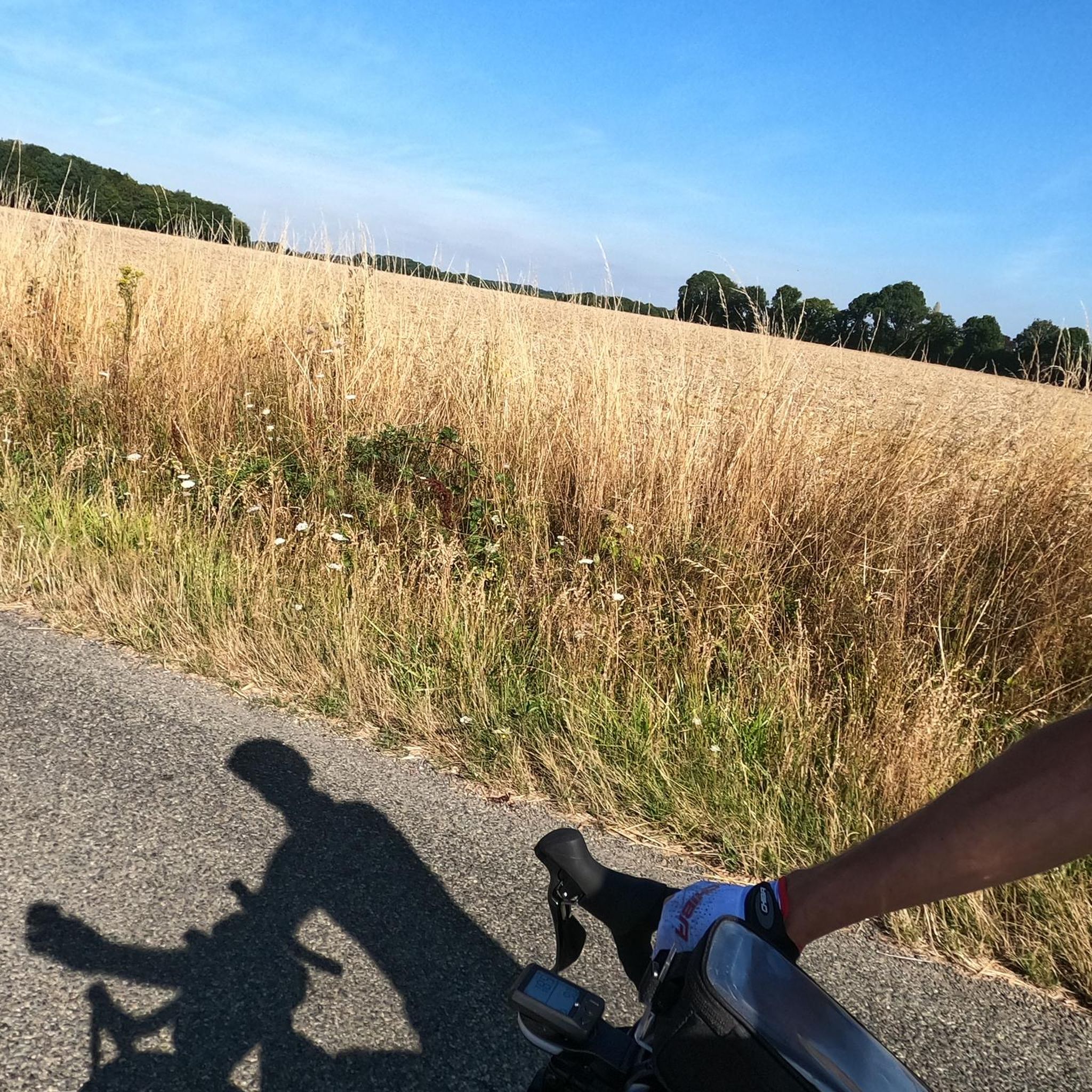
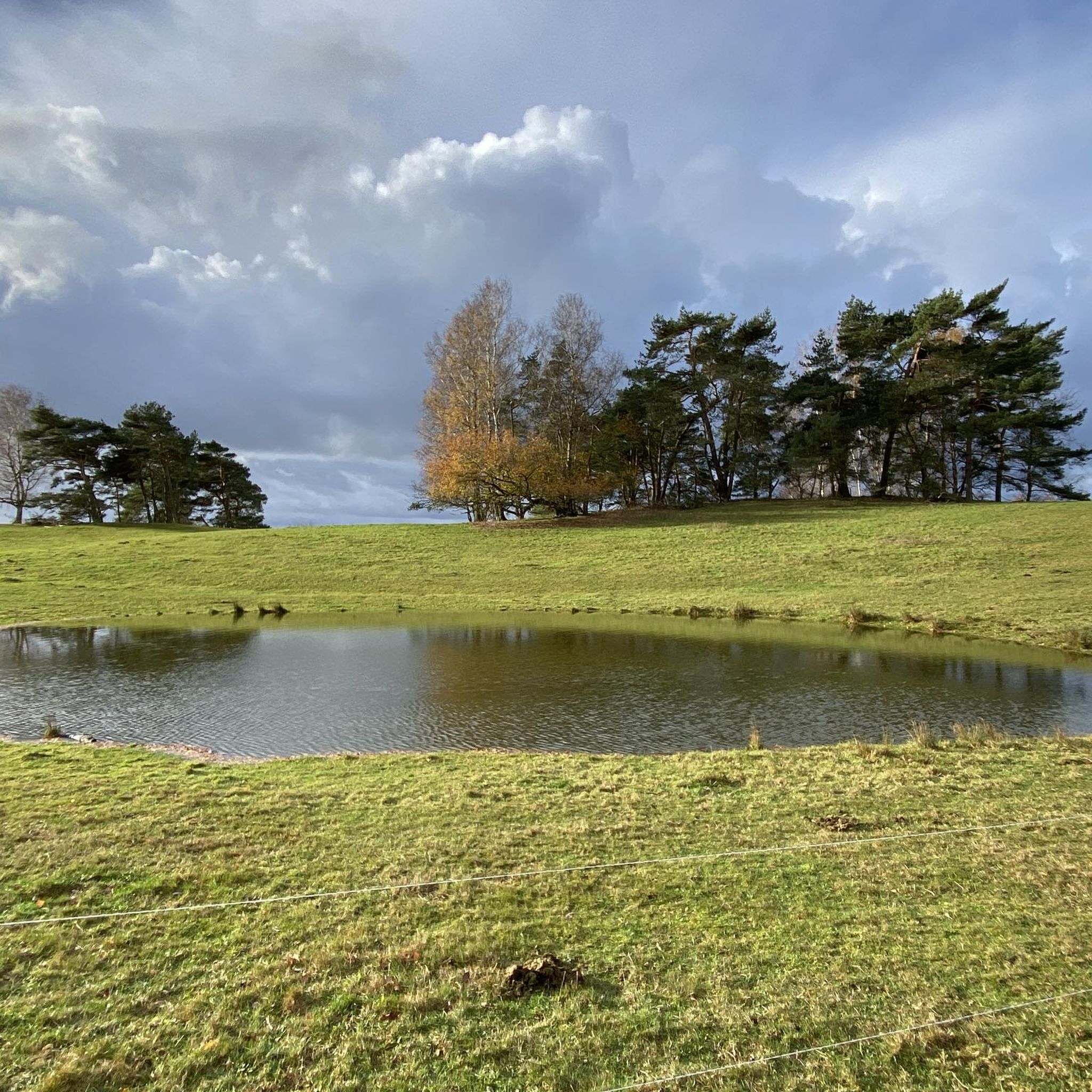



Tips from the Community

The first mention of the existence of the Church of Saint-Martin de Nonancourt is a 12th-century charter, but the original building probably dates back to the 7th or 8th century. The bell tower that now occupies the middle of the façade dates from the reconstructions of 1204. During the Hundred Years' War, the church was largely destroyed, like many buildings in the region. The side aisles, nave, and choir were rebuilt in the 16th century. The Chapel of the Virgin, also known as the Chapel of the Rosary, was also added. The Church of Saint-Martin contains numerous works of art, some of which are listed: neo-Gothic and Renaissance furnishings, including the centerpiece, the pulpit, a veritable wooden lacework; a variety of statuary, a 16th-century organ case and finally an enigmatic fresco discovered during recent works in 2001. The stained-glass windows of the church constitute a truly remarkable collection, both in terms of their number (26 in total) and their quality. The lower windows of the nave are the oldest pieces, dating from the 1500s, while the upper windows date from the 1520s and 1530s.
0
0

The Saint-Eloi Saint-Jean-Baptiste church in Crécy-Couvé is currently being restored. The spire of its bell tower, which was leaning dangerously, has been dismantled and is currently stored in the church awaiting restoration.
0
0
The Church of Saint-Éloi-Saint-Jean-Baptiste is believed to have originally been the chapel of the Château de Couvé, the first known mention of which dates back to 1215. This château belonged to the Abbey of Saint Père de Chartres. The layout of this chapel is currently unknown. Observing the architectural features of the current church allows us to place its construction between the 15th and 16th centuries. Improvement and modernization work were undertaken in the second half of the 18th century when Louis XV offered the Crécy estate to the Marquise de Pompadour: enlargement of the medieval windows, construction of an altarpiece forming a sacristy, a choir enclosure, and a gallery that could replace an older structure providing access to the attic. During this work, it is assumed that some of the bell tower's supports were removed to free up the nave and harmonize the interior spaces. After a prosperous period, the 19th and 20th centuries saw a slow deterioration of the building, despite some maintenance work being carried out on the roofs and other parts of the church that required it. It was only in 1901 that major work was undertaken, with the repair of the bell tower roof. This was followed in 1925 by work to consolidate the bell tower structures and repair the roofs of the western part of the nave. The bell tower and spire are tilting significantly to the south, linked to a failure of the old supports and the deterioration of the supporting structures, requiring urgent safety and restoration work.
0
0

If you are looking for a mysterious and intriguing destination for your next stroll, you can visit Le dungeon apocryphe, a solitary tower that stands in the middle of the valley in Saint-Germain-sur-Avre. This tower dates from the 12th century and was part of a fortified castle which was destroyed during the Hundred Years' War. The origin and function of this tower are still unknown, and some legends say that it was built by the devil himself.
3
0
The Rond des Quatres Barrières is a historic monument dating from the 18th century. It was built by the Duke of Penthièvre, owner of the neighboring castle of Châteauneuf-en-Thymerais. The Rond des Quatres Barrières is made up of four stone arches which form a circle, with a fountain in the center. It is located in the middle of the forest. The Rond des Quatres Barrières is the ideal place to visit during a running race.
2
0
The Rond des Quatres Barrières is a historical monument dating from the 18th century. It was built by the Duke of Penthièvre, who owned the neighboring castle of Châteauneuf-En-Thymerais. The Rond des Quatres Barrières is made up of four stone arches that form a circle, with a fountain in the center. It is located in the middle of the forest. The Rond des Quatres Barrières is a peaceful and charming place to visit, especially in the spring or fall when the trees are in bloom or changing color.
2
0

The church is located in the heart of the town, preceded by a small square. Period and styles Xth XVIth XIth Main stages of construction The building dates from the 10th or 11th century. The facade and the front part of the nave date from the 16th century. The steeples destroyed in 1945 by lightning have been rebuilt. https://www.patrimoine-religieux.fr/eglises_edifices/27-Eure/27115-Breux-sur-Avre/178516-eglisesaint-germain
0
0

the Church of Saint-Germain is located in the town of breux sur avre in the department of Eure.
0
1
Frequently Asked Questions
How many touring cycling routes are available around Crucey-Villages?
There are over 35 touring cycling routes around Crucey-Villages, offering a variety of options for exploring the region's tranquil landscapes.
What is the general difficulty level of touring cycling routes in Crucey-Villages?
The touring cycling routes around Crucey-Villages are primarily rated as easy to moderate. You'll find 17 easy routes and 20 moderate routes, making the area accessible for various skill levels.
What kind of landscapes can I expect to see while cycling around Crucey-Villages?
Cycling around Crucey-Villages offers a journey through tranquil, rural French countryside. You'll encounter a mix of rolling hills, dense woodlands, and open fields. The region is also characterized by waterways like the Gervaine and Fontaines streams, adding to the scenic beauty. It's situated near the picturesque Parc Naturel Régional du Perche, known for its green and hilly terrain.
Are there any historical sites or landmarks to see along the touring cycling routes?
Yes, the region is rich in history. You can explore various historical vestiges, including ancient castles, old mills, and fortified farms. Notable nearby attractions include Château de Senonches, Escorpain Castle, and Notre-Dame Church of Senonches. Cycling through charming hamlets also reveals architectural heritage like traditional churches and houses.
What do other cyclists say about touring cycling in Crucey-Villages?
The touring cycling routes in Crucey-Villages are highly rated by the komoot community, with an average score of 4.3 stars from over 30 reviews. More than 250 touring cyclists have explored the area, often praising the quiet countryside, varied terrain, and the immersive experience of pastoral scenery.
Are there any family-friendly touring cycling routes in the area?
Yes, many of the easy and moderate routes are suitable for families. For instance, the Maison de Saint-Simon – La Ferté-Vidame Town Hall loop from La Puisaye is an easy 12.9 km route with minimal elevation gain, perfect for a leisurely family ride.
Can I find circular touring cycling routes around Crucey-Villages?
Absolutely. Many routes are designed as loops, allowing you to start and finish in the same location. Examples include the popular Saulnières Town Hall – Rond des Quatres Barrières loop from Blévy and the Saulnières Town Hall loop from Blévy, both offering a comprehensive tour of the local scenery.
What is the best time of year for touring cycling in Crucey-Villages?
The region is best enjoyed during spring, summer, and early autumn. These seasons offer pleasant weather for cycling through the open fields and woodlands, allowing you to fully appreciate the natural beauty and rural charm. The Parc Naturel Régional du Perche is particularly vibrant during these months.
Are there options for longer touring cycling routes near Crucey-Villages?
While Crucey-Villages itself offers routes up to approximately 45 km, its proximity to wider networks like the Véloscénie (connecting Paris to Mont Saint-Michel) and the Royal Valley of the Eure River by bike allows for access to longer itineraries. Within the immediate area, routes like Saint-Lubin-des-Joncherets – Arm of the Avre loop from Nonancourt provide a substantial ride of nearly 45 km.
Where can I park my car when starting a touring cycling route?
Given the rural nature of Crucey-Villages and surrounding hamlets, parking is generally available in village centers or near trailheads. It's advisable to check specific starting points for routes on komoot for detailed parking information, but you'll typically find convenient spots in the smaller localities.
Are there any cafes or places to stop for refreshments along the routes?
Cycling through Crucey-Villages and its surrounding villages means you'll pass through charming hamlets. These often contain local cafes, bakeries, or small shops where you can stop for refreshments. Planning your route to include stops in these villages will enhance your touring experience.
Is it possible to access Crucey-Villages by public transport with a bike?
While Crucey-Villages is a rural commune, public transport options might be limited, especially for carrying bikes. For broader regional travel, the Eure-et-Loir department has some train lines that may accommodate bikes, but direct access to Crucey-Villages would likely require a combination of train and local transport or cycling from a larger hub. It's best to check regional transport services for specific bike policies and schedules.
Most popular routes around Crucey-Villages
Most popular attractions around Crucey-Villages

Get inspired with the komoot mobile app


Explore more
Browse the best Cycling routes in other regions.
