The best cycling routes around Villers-Sur-Nied
4.6
(7)
100
riders
18
rides
Touring cycling around Villers-Sur-Nied is characterized by the scenic Nied Valley, offering routes through agricultural countryside with farmland and grain fields. The terrain primarily features paved surfaces, though some segments may be unpaved. Cyclists can expect varying elevation gains, with some routes requiring good or very good fitness. The region is located in the Moselle department of France's Grand-Est region.
Best touring cycling routes around Villers-Sur-Nied
- The most popular touring cycling route is War Memorial Monument – Touristeninformation loop from…
Last updated: July 5, 2026
4.0
(1)
7
riders
34.0km
02:07
350m
350m
Moderate bike ride. Good fitness required. Mostly paved surfaces. Suitable for all skill levels.
5.0
(1)
7
riders
89.8km
05:41
910m
910m
Hard bike ride. Very good fitness required. Mostly paved surfaces. Suitable for all skill levels.

Sign up for free
9
riders
133km
08:12
1,160m
1,160m
Hard bike ride. Very good fitness required. Mostly paved surfaces. Suitable for all skill levels.
4
riders
32.3km
01:58
310m
310m
Moderate bike ride. Good fitness required. Mostly paved surfaces. Suitable for all skill levels.
3
riders
36.2km
02:14
280m
280m
Moderate bike ride. Good fitness required. Mostly paved surfaces. Suitable for all skill levels.
Get access to more routes and recommendations from other explorers.
Sign up for free
Already have an account?
Our route recommendations are based on thousands of hikes, rides, and runs completed by other people on komoot.
Start today with a free account
Your next adventure awaits.
Login or Signup
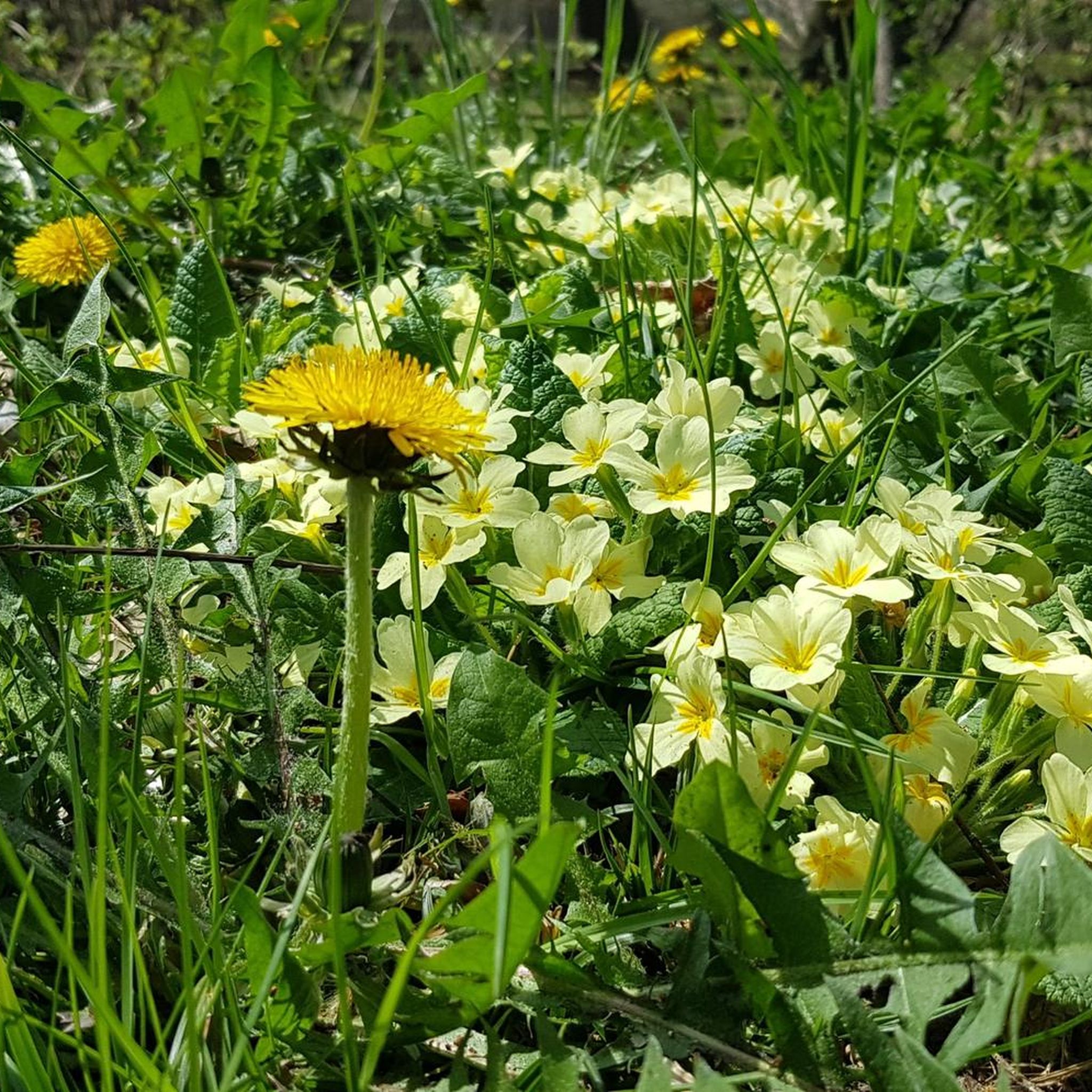
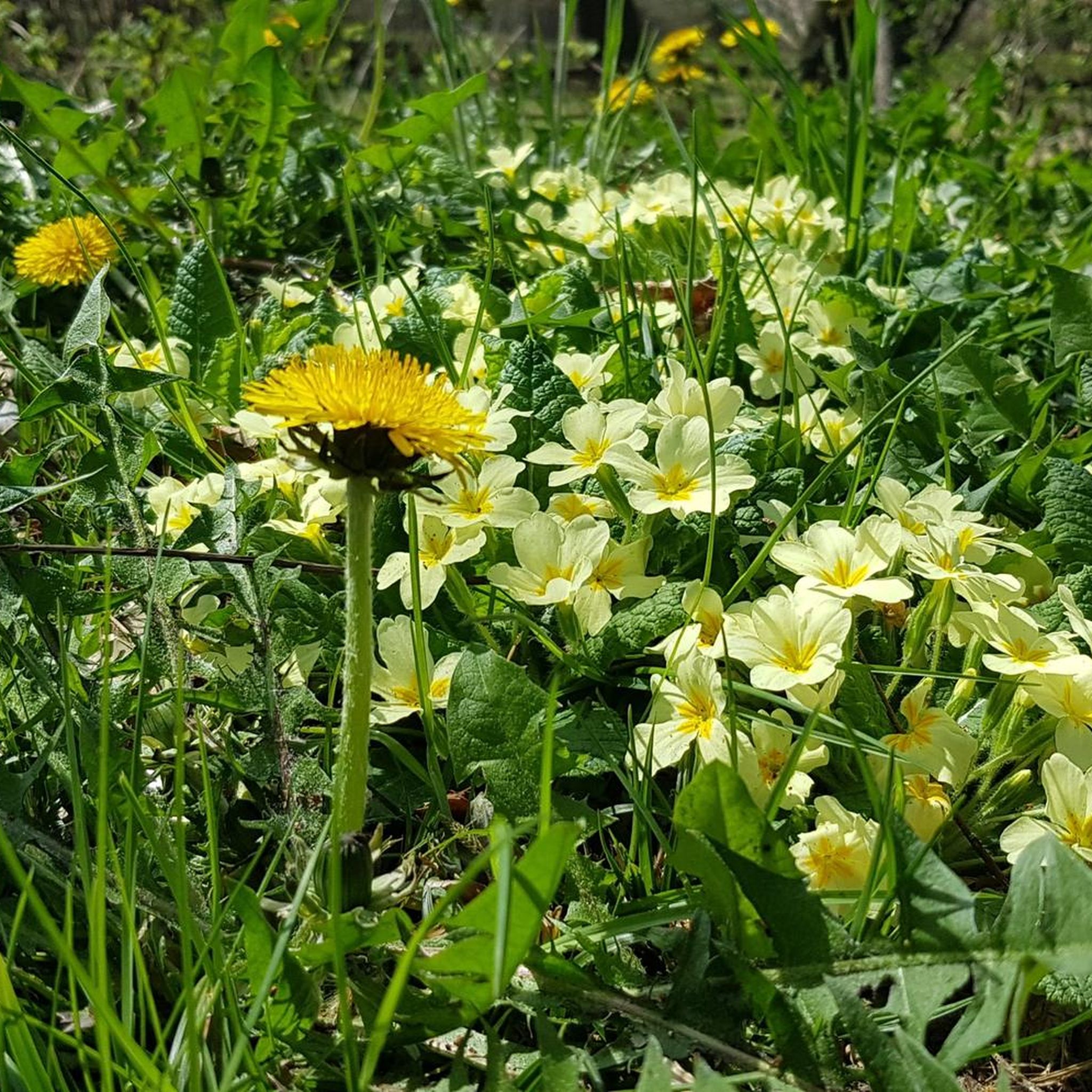
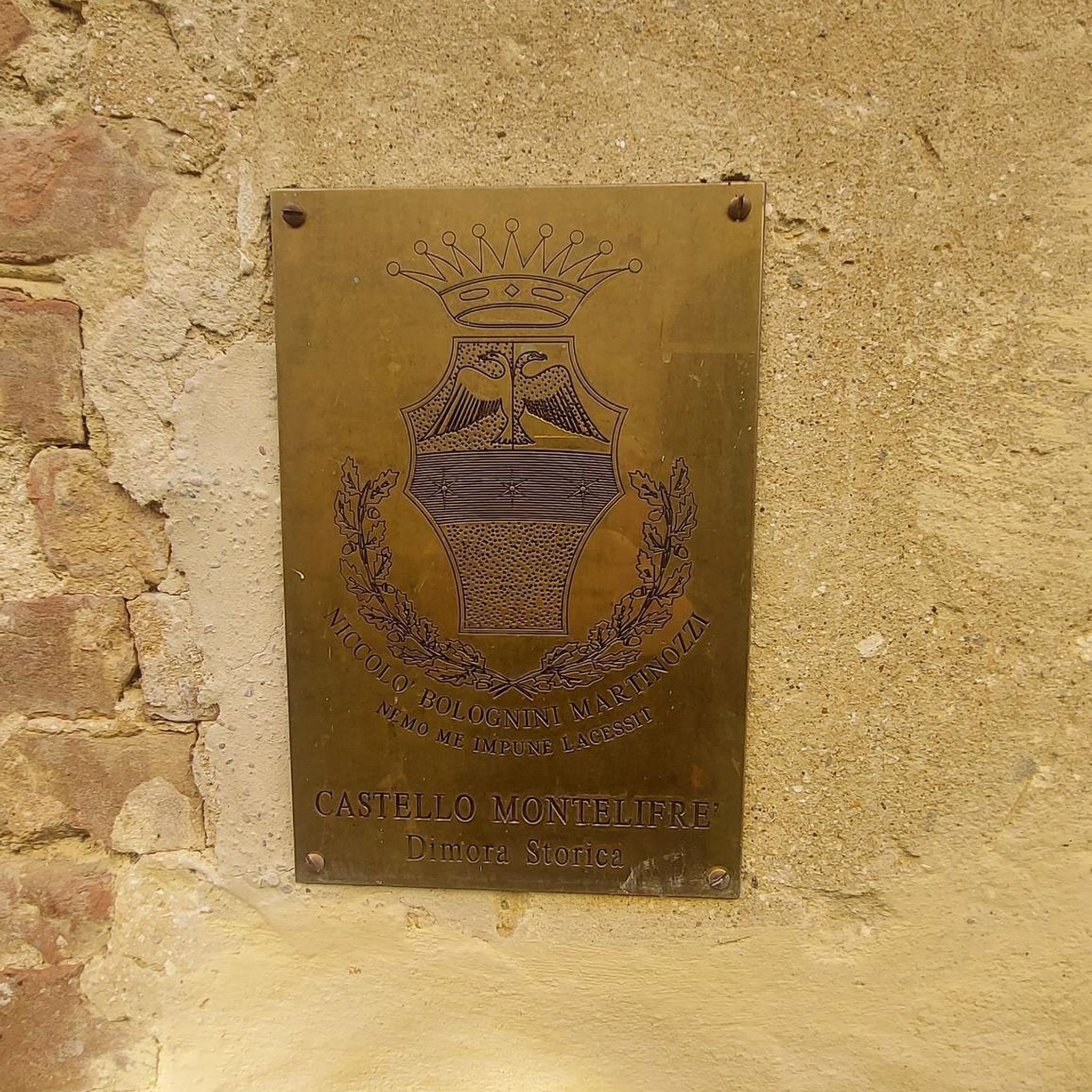

Tips from the Community

The Collegiate Church of Saint-Léger de Marsal is a former collegiate church located in the French commune of Marsal, in the Moselle department. Originally built in the Romanesque style, it has undergone several significant modifications up to the present day. Dedicated to Saint Léger, the foundation stones of the current church were laid in the 12th century. The building was then in the Germanic tradition with a deep chevet and two oriented chapels, as well as an impressive Westwork, a western massif. The parish church was elevated to the title of collegiate church in 1222 by Abbess Clémence de Neumunster. She then installed a chapter of seven canons there. The collegiate church of Marsal has been united with that of Vic-sur-Seille since the 18th century.
0
0

On the edge of Vic-sur-Seille lies the former episcopal castle, an impressive remnant of the power of the bishops of Metz. Built from the end of the 12th century by Bishop Bertram, it served as both the residence and the administrative centre of the secular authority of the diocese. The castle was expanded in the 13th century into a pentagonal complex, fortified with semicircular towers and a deep moat. Under Bishop Thierry Bayer de Boppard (1365–1384), important restorations were carried out, including the construction of a south-west wing with access to the gardens and the “Grand Parc”. Of the original complex, only part of the residential building on the west side remains today, recognisable by the windows with niches. The most striking structure is the châtelet, the fortified entrance gate from the 15th century, with its white limestone machicolations and traces of a drawbridge. After its restoration in 2008, the castle is once again visible as a silent witness to the medieval power and strategic location of Vic-sur-Seille, especially in the context of salt mining and the rivalry with the Dukes of Lorraine.
9
0
Hôtel de la Monnaie (Vic-sur-Seille) This remarkable civil building, dating from 1456–1484, is often mistaken for a mint. In reality, it was probably the home of a wealthy money-changer, possibly the d’Hoffelize family. The building is a magnificent example of flamboyant Gothic architecture, with early Renaissance influences. The richly decorated facades and roofs have been protected as historical monuments since 1930.
8
0
Chambrey was located near the French-German border established after the annexation of 1871. During WWI, the village was on the front line and was almost completely destroyed. The imposing “gare impériale”, built by the Germans as a border station, symbolized the imperial power. It was blown up in 1918 and later modestly rebuilt. Today, Chambrey is a reminder of the tensions of a divided region and the scars of war.
7
0
Hôtel de la Monnaie (Vic-sur-Seille) This remarkable civil building, dating from 1456–1484, is often mistaken for a mint. In reality, it was probably the home of a wealthy money-changer, possibly the d’Hoffelize family. The building is a magnificent example of flamboyant Gothic architecture, with early Renaissance influences. Its richly decorated facades and roofs have been protected as historical monuments since 1930. It now houses the information office.
1
0

Very well preserved medieval house. It now houses the tourist information office.
1
0
Frequently Asked Questions
How many touring cycling routes are available around Villers-sur-Nied?
There are 12 touring cycling routes available around Villers-sur-Nied. These routes offer a variety of experiences, from easy rides to more challenging excursions.
What kind of terrain can I expect on the touring cycling routes in this region?
The terrain around Villers-sur-Nied is primarily characterized by the scenic Nied Valley, traversing agricultural countryside with a mix of farmland and grain fields. Most surfaces are paved, though some routes may include unpaved segments. You can expect varying elevation gains, with some routes requiring good or very good fitness.
Are there any easy or family-friendly touring cycling routes?
Yes, there is 1 easy route suitable for beginners or families. For example, the Bike loop from Harprich is a shorter, less demanding trail leading through rural surroundings, often completed in about 19 minutes.
Are there challenging routes for experienced touring cyclists?
Yes, for experienced touring cyclists seeking a challenge, there are 2 difficult routes. The War Memorial Monument – Touristeninformation loop from Lucy is a demanding 55.8-mile (89.8 km) trail with significant elevation gain, offering panoramic views of the Nied Valley and the Warndt Plain.
What are some scenic highlights or landmarks I can see along the routes?
The routes often provide panoramic views of the Nied Valley, the Three Borders Area, and the Warndt Plain. While Villers-sur-Nied itself is smaller, its location allows for integrating visits to nearby attractions. For instance, the 'Between Nied and Warndt' route can include a stop at the Lorraine House Museum in Oberdorff, a 17th-century farmhouse showcasing local traditions.
Are there any circular touring cycling routes in the area?
Yes, many of the touring cycling routes around Villers-sur-Nied are designed as loops. Examples include the Bike loop from Prévocourt, the Bike loop from Baudrecourt, and the Harprich's storks loop from Eincheville, all offering varied distances and experiences.
What is the best time of year to go touring cycling around Villers-sur-Nied?
The region is generally pleasant for cycling during spring, summer, and early autumn. These seasons offer milder weather and the best conditions to enjoy the agricultural landscapes and scenic views of the Nied Valley. Always check the local weather forecast before heading out.
Where can I find parking for my bike tour in Villers-sur-Nied?
While specific parking areas for cyclists are not detailed, many routes start from villages or towns like Prévocourt, Harprich, or Baudrecourt. It is generally possible to find public parking in these smaller communes, especially near the starting points of the loops.
What do other touring cyclists say about the routes in Villers-sur-Nied?
The touring cycling routes around Villers-sur-Nied are highly rated by the komoot community, with an average score of 4.75 stars from over 4 reviews. Cyclists often praise the diverse landscapes, quiet country roads, and the opportunity to explore the scenic Nied Valley.
Are there places to eat or stay near the touring cycling routes?
While Villers-sur-Nied is a smaller commune, its strategic location means that larger cities like Metz and Nancy are within a reasonable cycling distance (around 34-36 km away), offering a wider range of cafes, restaurants, and accommodation options. Smaller villages along the routes may also have local establishments.
What are the typical distances and elevation gains for routes in this area?
The routes vary significantly in length and elevation. Distances range from short rides like the Bike loop from Harprich at 2.9 miles (4.7 km) with minimal elevation, to longer, more challenging tours such as the War Memorial Monument – Touristeninformation loop from Lucy, which is 55.8 miles (89.8 km) with over 900 meters of elevation gain.

Get inspired with the komoot mobile app


Explore more
Browse the best Cycling routes in other regions.
