The best cycling routes around Guyencourt
4.4
(47)
628
riders
86
rides
Touring cycling routes around Guyancourt France offer a diverse landscape for cyclists, blending natural beauty with accessible infrastructure. The region is characterized by a mix of green spaces, water features like the Parc des Sources de la Bièvre and Étang de la Minière, and gentle hills. Cyclists can explore varied terrain, including paved roads, tracks, and gravel sections, often integrating with or leading into the renowned Chevreuse Valley.
Best touring cycling routes around Guyancourt
- The most popular touring cycling route…
Last updated: May 11, 2026
4.8
(8)
35
riders
34.7km
02:13
440m
440m
Moderate bike ride. Good fitness required. Mostly paved surfaces. Suitable for all skill levels.
4.0
(2)
18
riders
40.0km
02:37
260m
260m
Moderate bike ride. Good fitness required. Mostly paved surfaces. Suitable for all skill levels.

Sign up for free
5.0
(2)
20
riders
33.1km
02:03
110m
110m
Moderate bike ride. Good fitness required. Mostly paved surfaces. Suitable for all skill levels.
4.0
(3)
9
riders
Easy bike ride. Great for any fitness level. Mostly paved surfaces. Suitable for all skill levels.
3.0
(1)
12
riders
44.0km
03:47
580m
580m
Hard bike ride. Very good fitness required. Mostly paved surfaces. Suitable for all skill levels.
Get access to more routes and recommendations from other explorers.
Sign up for free
Already have an account?
Our route recommendations are based on thousands of hikes, rides, and runs completed by other people on komoot.
Start today with a free account
Your next adventure awaits.
Login or Signup

Tips from the Community

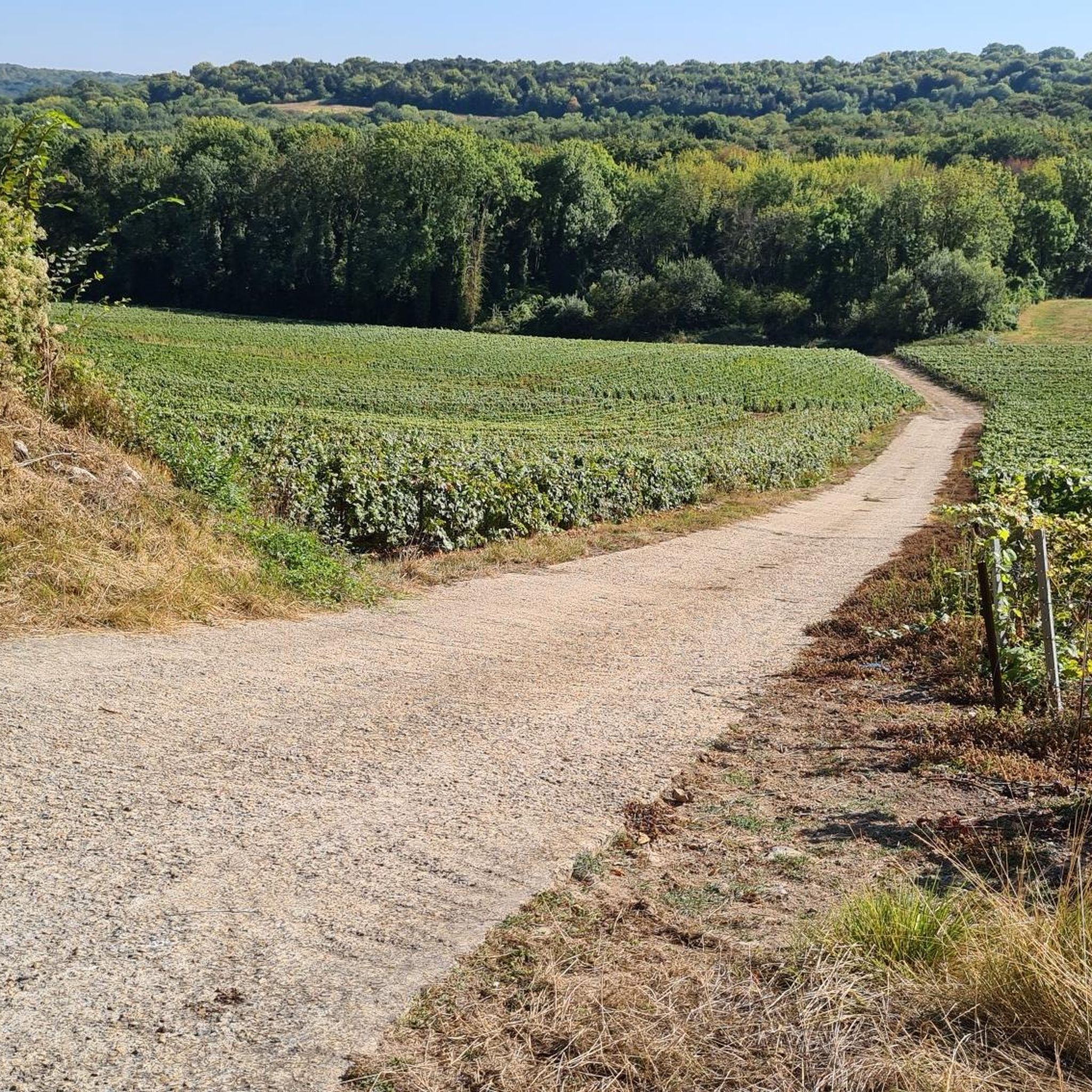
While staying on the asphalt, you can cover more than 24 km. From the St. Brice Courcelles side, you can go up to La Neuvillette, then to Courcy, it's an unpaved road (passable but not for road bikes). After Courcy, there's asphalt up to Berry au Ferry (this allows you to discover the Sapigneul Owl, about 150 m on dirt road). On the other side, after Sillery, you can continue to Beaumont (asphalt). Then, on a dirt road passable by mountain bike, you can go to the Billy Arch, where the canal passes through a tunnel.
0
0

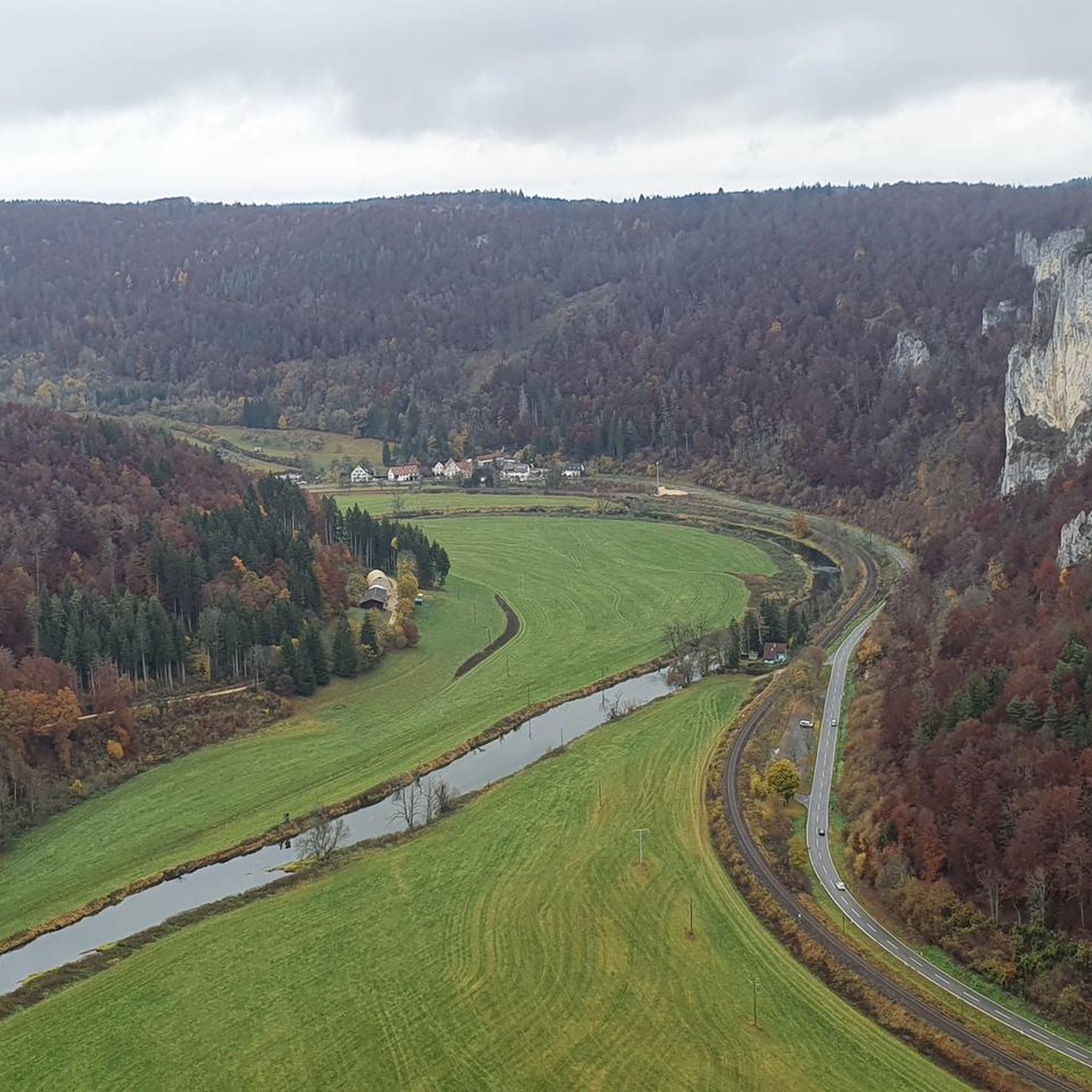
Beautiful cycle path along the water.
0
0

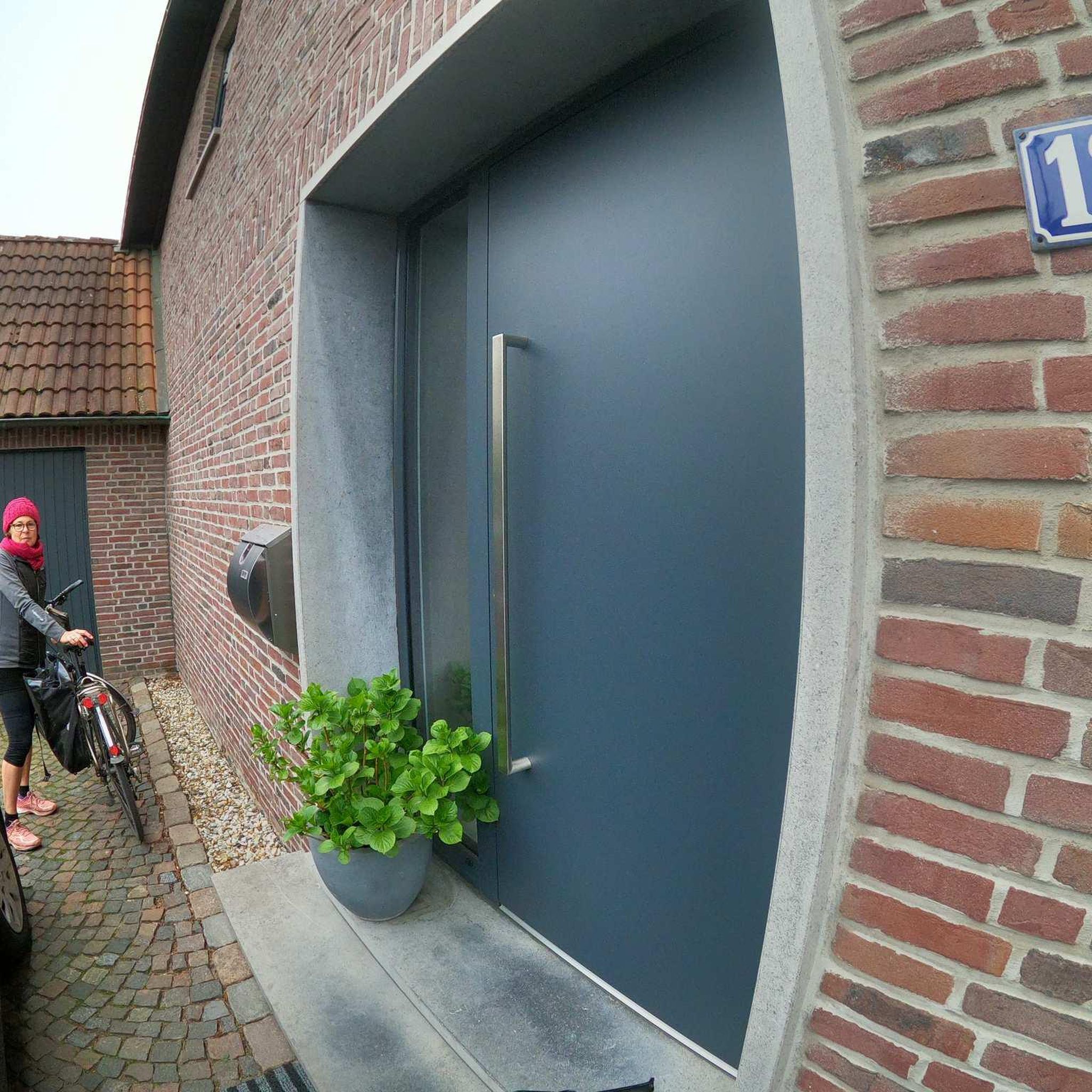
Pouillon is a former Gallo-Roman village that once served as a fortified camp along a Roman road between Bordeaux and Pamplona. In the centre you will find traditional houses, a village square and the impressive Église Saint-Martin, an 11th-century Romanesque church with Gothic features, colourful stained glass windows and a marble altar. The Bénarrucq chapel, a former stop for pilgrims on their way to Santiago de Compostela, is nearby and adds to the historic character of the village.
8
0
Villers-Franqueux was badly hit during the First World War. In 1915, the village was almost completely destroyed by artillery bombardments. Reconstruction only began after the war, during which the current village image largely emerged. The war memorial and the town hall are reminders of this dramatic period in the village's history. The town hall dates from the 1920s and has remained virtually unchanged in terms of architecture since then. It is a fine example of the reconstruction architecture of the interwar period, with a sober but elegant style that is typical of that period.
9
0
This monument honours the inhabitants of Villers-Franqueux who were killed or missing during the First World War. The village itself was badly affected by war violence and largely destroyed. The monument symbolises the local suffering and the resilience of the community.
8
0
This memorial commemorates the residents of Cauroy-lès-Hermonville who were killed or missing in the Great War (World War I) and World War II.
8
0
The Moulin de Sapigneul refers to Lock 2 on the Canal de l'Aisne à la Marne, located near Berry-au-Bac in the Marne department. The lock is also known as Écluse n°2 du Moulin de Sapigneul and is operated by Voies Navigables de France (VNF). The lock has a chamber length of 38.50 metres, a chamber width of 5.05 metres and a maximum draught of 2.20 metres. Nearby attractions include the Forêt Dommainiale les Blanches Terres and the ruins of Entonnoir.
6
0

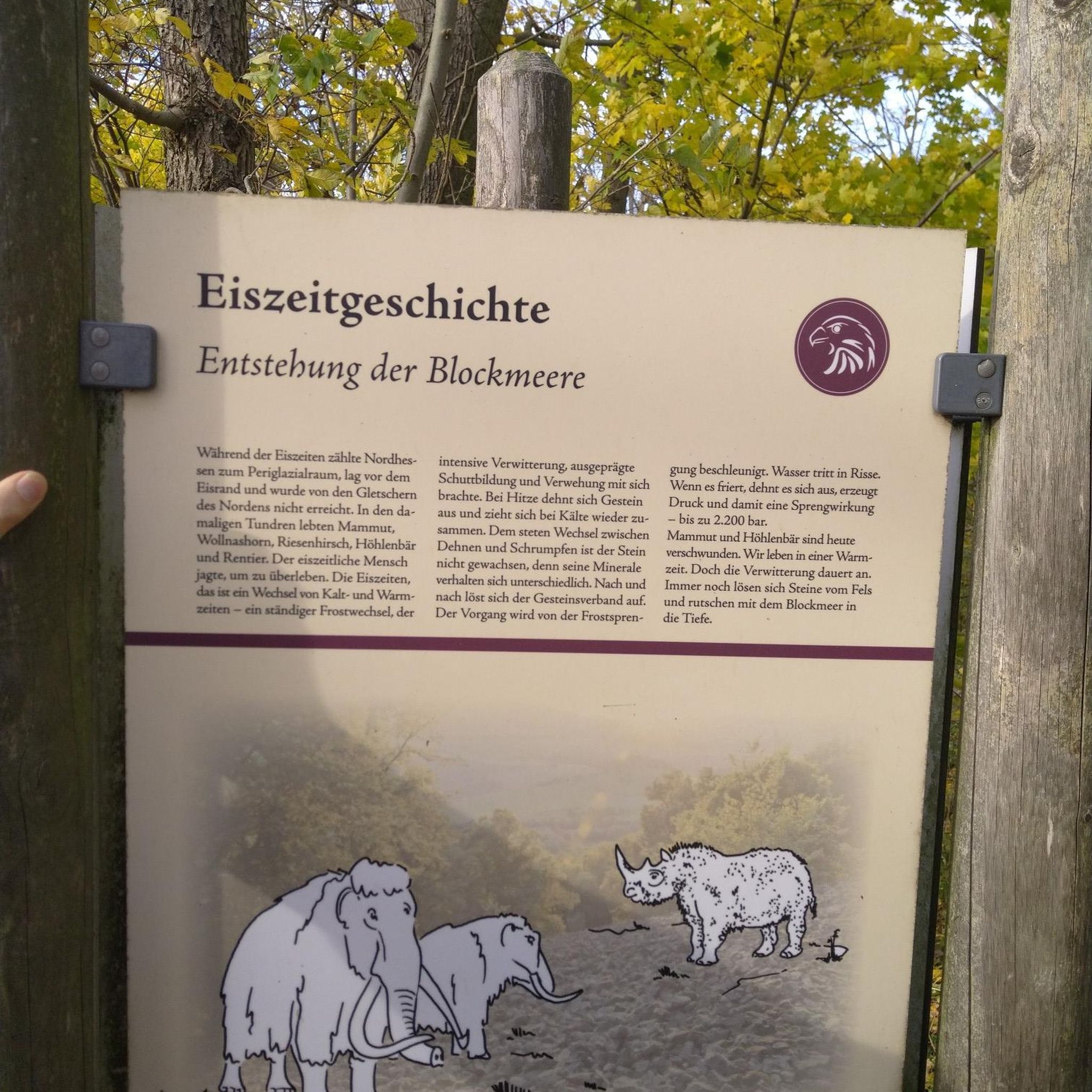
Definitely worth reading. You always learn something. The information is given in French, English and German.
2
1
Frequently Asked Questions
What kind of terrain can I expect on touring cycling routes around Guyancourt?
The routes around Guyancourt offer a diverse cycling experience, featuring a mix of paved roads, tracks, and gravel sections. This variety allows cyclists to explore different landscapes, from urban areas to the natural beauty of the Chevreuse Valley.
How many touring cycling routes are available in the Guyancourt area?
The Guyancourt area boasts a significant number of touring cycling routes, with over 80 documented options. These routes cater to various preferences, from leisurely rides to more challenging paths, often integrating with the scenic Chevreuse Valley.
Are there routes suitable for beginners or less experienced touring cyclists?
Yes, Guyancourt offers routes suitable for various skill levels. Among the 89 available touring cycling routes, 18 are classified as easy, making them ideal for beginners or those looking for a relaxed ride. Additionally, 36 routes are of moderate difficulty, providing a good balance for intermediate cyclists.
What natural features can I discover along the cycling routes in Guyancourt?
Cyclists can enjoy a harmonious blend of green spaces and water features. Notable natural attractions include the extensive Parc des Sources de la Bièvre, with its tranquil ponds and diverse ecosystem, and the beautiful Étang de la Minière. Many routes also lead into the broader Chevreuse Valley Regional Natural Park, offering varied terrain of wooded paths and open fields.
Are there any historical or cultural landmarks to see while cycling near Guyancourt?
Absolutely. The region is rich in history and culture. While cycling, you might encounter sites like the Napoleon Statue in Craonne or the Cormicy National Necropolis. The broader Chevreuse Valley also features charming villages and historical monuments such as the Château de la Madeleine and the Château de Dampierre, known for its extensive park.
What do other touring cyclists appreciate most about cycling in Guyancourt?
The touring cycling routes in Guyancourt are highly rated by the komoot community, with an average score of 4.4 stars from over 48 reviews. Cyclists often praise the diverse terrain, the blend of natural beauty with accessible infrastructure, and the variety of options for different ability levels.
Are there any circular touring cycling routes in the area?
Yes, many routes in Guyancourt are designed as loops, offering convenient circular tours. For example, the Saint-Hilaire Church – Hermonville loop from Hermonville and the Reims green corridor – Hermonville loop from Hermonville are popular moderate options that allow you to start and end in the same location.
Can I find routes that are suitable for families with children?
While specific 'family-friendly' designations are not always explicit, the presence of 18 easy routes and numerous well-maintained paths, particularly within areas like the Parc des Sources de la Bièvre, suggests that many options are suitable for families. These routes typically feature gentler gradients and less challenging terrain.
What is the best time of year to go touring cycling in Guyancourt?
The region is enjoyable for cycling throughout much of the year. Spring and autumn offer pleasant temperatures and beautiful scenery, with vibrant flora in spring and colorful foliage in autumn. Summer is also popular, though it can be warmer, while winter cycling is possible on milder days.
Is it possible to bring my dog on the cycling routes?
Many natural areas and paths in France are dog-friendly, especially if dogs are kept on a leash. While specific regulations vary, areas like the Parc des Sources de la Bièvre, with its well-maintained paths, are generally welcoming. It's always advisable to check local signage for specific rules regarding pets on trails.
Are there any longer touring cycling routes for experienced cyclists?
For experienced cyclists seeking longer rides, Guyancourt offers several options. The Reims green corridor – Hermonville loop from Hermonville, at nearly 40 km, provides a substantial ride. Additionally, there are 35 routes classified as difficult, which often feature greater distances and elevation changes for a more challenging experience.
What are some of the more challenging routes for touring cyclists?
For those seeking a challenge, the Guyancourt area includes 35 routes classified as difficult. An example is the Vineyard view – Hermonville loop from Cormicy, which features significant elevation gain over its 32.5 km distance, offering a rewarding experience for seasoned touring cyclists.
Most popular routes around Guyencourt
Most popular attractions around Guyencourt

Get inspired with the komoot mobile app


Explore more
Browse the best Cycling routes in other regions.
