Attractions and Places To See around Réclonville - Top 10
Attractions and places to see around Réclonville are found in the Meurthe-et-Moselle department of the Grand Est region in France. This commune serves as a quiet base for exploring a variety of notable landmarks, cultural sites, and natural features in the surrounding areas. The region offers diverse options for visitors interested in history, local culture, and outdoor activities.
Best attractions and places to see around Réclonville
- The most popular attractions is Ruins of Blâmont Castle, a castle that stands…
Last updated: May 17, 2026
Baccarat
Highlight • Other
Translated by Google •
Tip by

Leintrey
Highlight • Other
Translated by Google •
Tip by

Sign up now to discover places like this
Get recommendations on the best single tracks, peaks, & plenty of other exciting outdoor places.
Sign up for free
Presbytery 37 Rue Victor Pierre,
Highlight • Historical Site
Translated by Google •
Tip by
Ruins of Blâmont Castle
Highlight • Castle
Translated by Google •
Tip by
Nonhigny
Highlight • Other
The Église Saint-Martin in Nonhigny is a village church with a …
Translated by Google •
Tip by
Sign up for free to discover even more attractions around Réclonville.
Sign up for free
Already have an account?
Start today with a free account
Your next adventure awaits.
Login or Signup

Tips from the Community

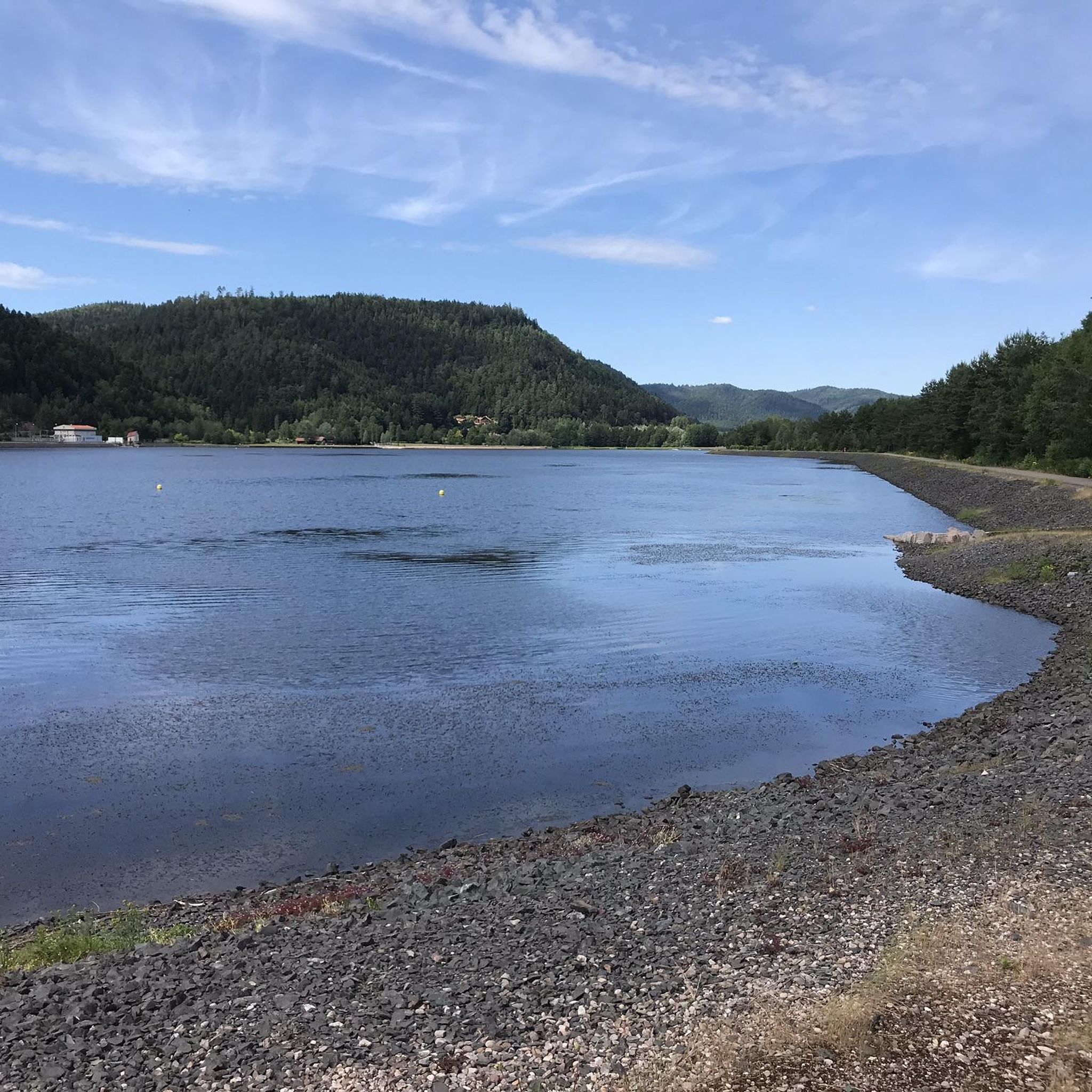
In the village of Nonhigny you can take nice pictures, but it is especially the church that attracts attention. The Église Saint-Martin in Nonhigny is a village church with a special history. Although the current building dates from the 19th century, the portal dates from the 12th century and belonged to the original Romanesque church. This was largely destroyed during the First World War and partly rebuilt afterwards.
6
0
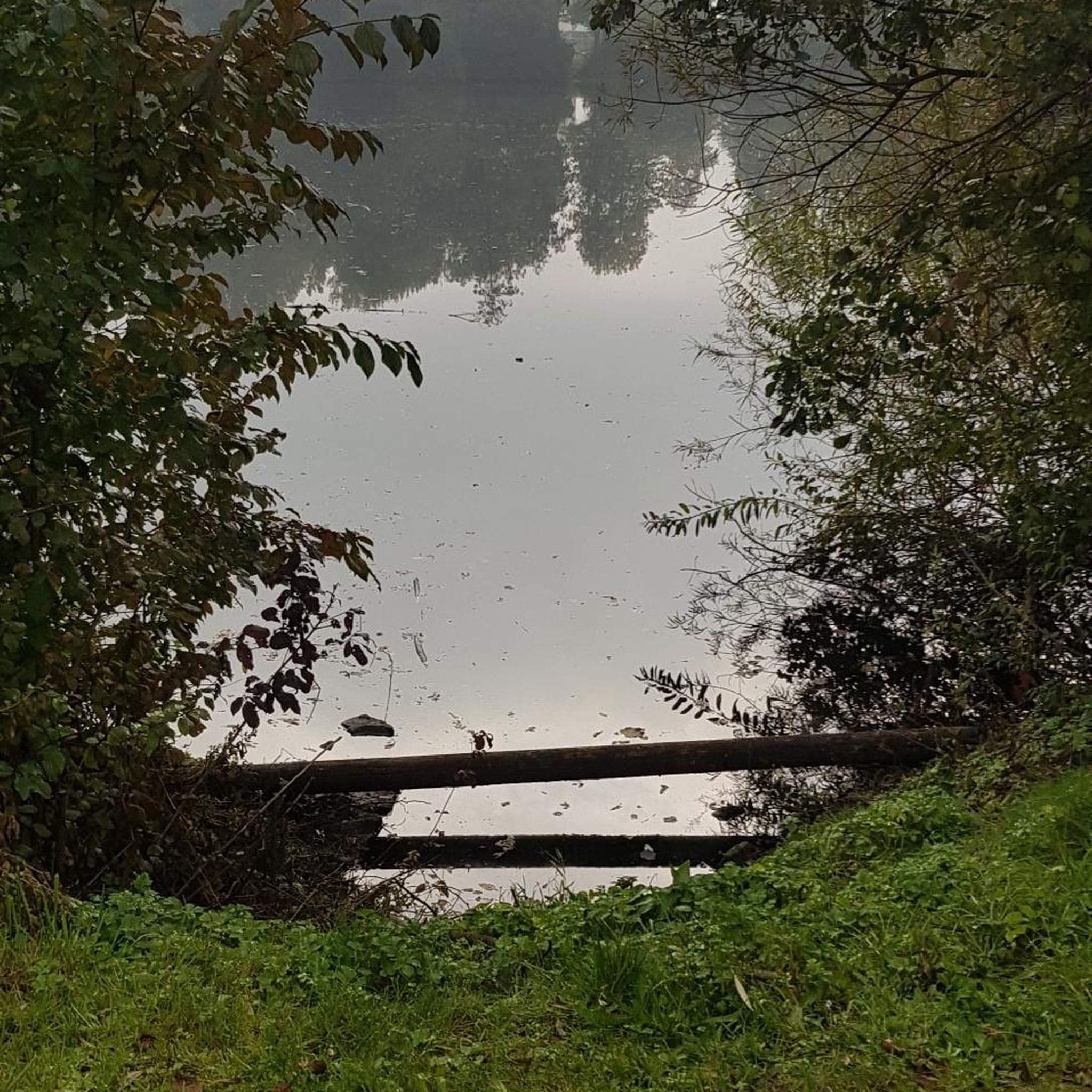
Many 18th-century houses and mansions are well preserved in the town. The most notable are: the presbytery, the Cabri house (30, rue Victor-Pierre), the Colin-Brice house (13, place Général-de-Gaulle), the Lafrogne house (51, rue du 18-Novembre), the Hôtel de Martimprey and the Hôtel des canoines régulieres de Domèvre (25 and 29 rue du Château).
8
0
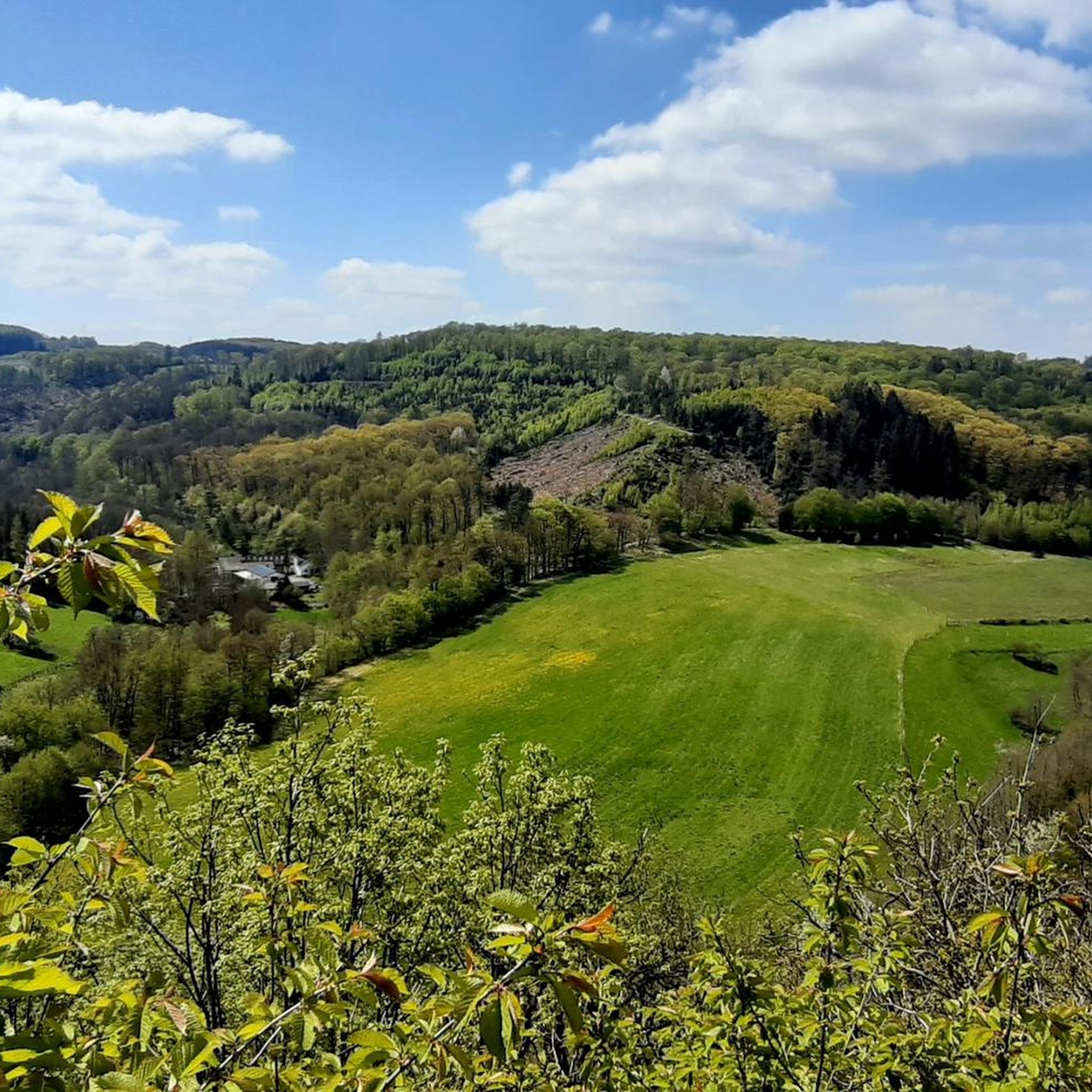
On a limestone spur above the Vezouze lies the Château de Blâmont, built around 1200. Once the seat of the Counts of Blâmont, later a romantic castle and even a weaving mill. In 1944 it was badly damaged by American bombing. Today the ruins – with five towers – are a silent witness to centuries of history.
6
0
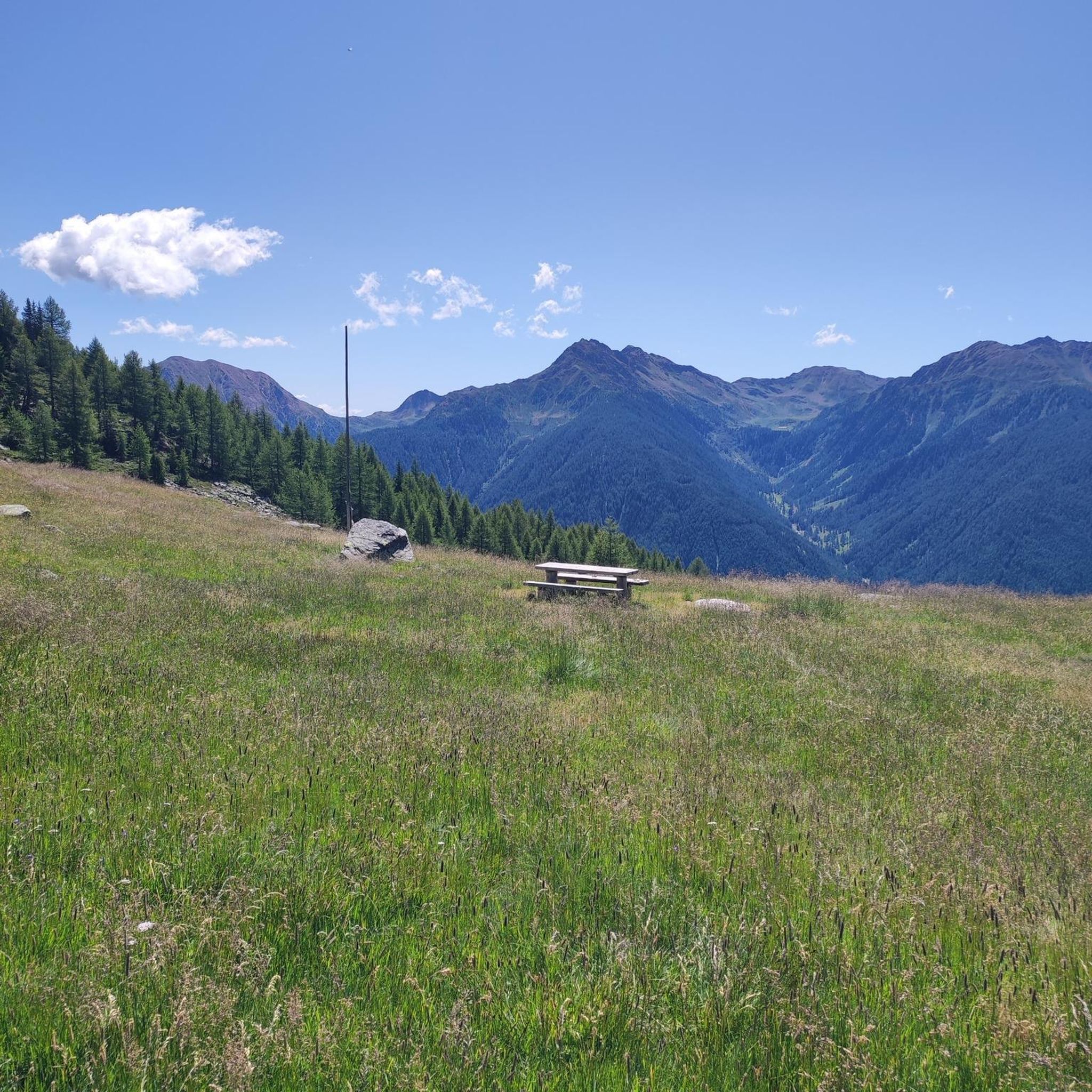
Between 1914 and 1918, Leintrey was occupied by German troops. The houses and the church were heavily bombed, life became unbearable and the inhabitants had to flee. Only two houses were still standing at the Armistice. Just 1.5 km from the village, French troops held out in their trenches, despite heavy attacks. On 10 July 1916, the Germans blew up mines under these positions - 83 soldiers of the 162nd regiment were killed. After the war, the village was rebuilt in 1925. The school, the town hall and the presbytery were designed by Joseph Hornecker, also known for the Grand Théâtre de Nancy. In 1940, a new occupation followed. Liberation did not come until November 1944, after further destruction, including the church.
6
0


This ruined castle is one of the best traces of the history of Lorraine in the Middle Ages. Its 12th century keep and its 13th century flanking towers still exist today. The structure of its walls in opus spicatum (that is to say in the shape of ears) is also noteworthy.
1
0


Frequently Asked Questions
What historical sites can I explore near Réclonville?
The region offers several historical sites. You can visit the Ruins of Blâmont Castle, a 12th-century fortress with five remaining towers. The village of Nonhigny features the Église Saint-Martin, notable for its 12th-century Romanesque portal. In Baccarat, explore the Tower of Dedicated, a remnant of a 14th-century castle, and the Neo-Renaissance Town Hall. The nearby village of Deneuvre hosts the Museum of the Sources of Hercules, showcasing remains of a 4th-century BC Roman sanctuary.
Are there any museums or cultural attractions in the area?
Yes, the area around Réclonville has several cultural attractions. The Baccarat Crystal Museum in Baccarat is world-renowned, displaying over 1,000 crystal objects and detailing the history of crystal manufacturing. You can also visit the Musée de l'Abbé Grégoire in Emberménil, dedicated to a significant figure in French history, or the Musée du Textile in Val-et-Châtillon for industrial heritage.
What natural features are there to see around Réclonville?
For natural beauty, Lake Pierre-Percée is a highlight, offering a picturesque landscape with its distinctive maple-leaf shape. You can also find scenic viewpoints like Raven Rock (Roche des Corbeaux) and The Calling Stone (Pierre d'Appel) near Baccarat, which provide panoramic views of Lake Pierre-Percée and the Meurthe valley.
What outdoor activities can I do near these attractions?
The region is excellent for outdoor activities. Lake Pierre-Percée is popular for water sports like canoeing, stand-up paddleboarding, and fishing. Hiking and mountain biking trails are abundant around the lake and in the surrounding forests. The Voie Bleue cycle route along the Moselle river also offers scenic cycling opportunities. For specific routes, you can find many hiking trails, MTB trails, and running routes around Réclonville.
Are there family-friendly activities available?
Yes, families can enjoy Michaut Park and Arboretum in Baccarat, which features a rose garden and a children's playground. During summer, it also hosts "The Unusuals," a discovery trail of contemporary works. Outdoor activities like easy hiking around Lake Pierre-Percée or cycling on the Voie Bleue are also great for families.
What is the best time to visit Réclonville for outdoor activities?
The best time for outdoor activities like hiking and cycling is generally from spring to early autumn (April to October) when the weather is mild and the natural landscapes are at their most vibrant. Summer offers the warmest temperatures for water activities on Lake Pierre-Percée.
Where can I find unique architecture or art in the area?
Baccarat offers unique architectural sights. The Saint-Rémy Church, rebuilt after 1944, is notable for its modern design incorporating 20,000 pieces of Baccarat crystal into its stained-glass windows. The Neo-Renaissance Town Hall, built in 1924, is inspired by Flemish architecture and features crystal sconces. In Nonhigny, the Église Saint-Martin blends 19th-century construction with a 12th-century Romanesque portal.
What do visitors enjoy most about the area around Réclonville?
Visitors appreciate the blend of cultural heritage and natural beauty. Many enjoy exploring the small villages and natural landscapes, particularly around Baccarat, which offers opportunities for cycling. The historical significance of sites like the Ruins of Blâmont Castle also draws interest, providing a glimpse into Lorraine's medieval past.
Are there any significant historical events associated with nearby villages?
Yes, the village of Leintrey has a poignant history, having been heavily impacted and rebuilt after both World Wars. It was occupied by German troops during WWI, and French troops held out in trenches nearby. The village was largely destroyed and rebuilt in 1925, and again suffered destruction in WWII before its liberation in 1944.
Can I find examples of well-preserved 18th-century architecture?
Yes, in certain towns near Réclonville, you can find well-preserved 18th-century houses and mansions. Notable examples include the presbytery, the Cabri house, the Colin-Brice house, the Lafrogne house, the Hôtel de Martimprey, and the Hôtel des canoines régulieres de Domèvre, all of which showcase the architectural style of that period.
Is there a UNESCO World Heritage site within a reasonable distance?
While a bit further afield, the stunning 18th-century architectural ensemble of Place Stanislas, Place de la Carrière, and Place d'Alliance in Nancy is a UNESCO World Heritage site. It's approximately 49 km from Baccarat and is considered one of the most beautiful squares in the world, making it a worthwhile day trip for those interested in grand urban design.
Are there any specific trails for hiking or running near Réclonville?
Yes, there are numerous trails for hiking and running. For instance, you can find the 'Haut de l'Armérion loop from Ménil Flin' for running or the 'Croix du centre loop from Manonviller' for hiking. Many routes explore the forested areas and offer views of the Meurthe valley. You can explore more options on the dedicated hiking and running guides for the area.

Get inspired with the komoot mobile app


Explore more
Still not found the Highlight you’re looking for? See guides of the top attractions in other regions:
