The best mountain hikes around Maggia
4.5
(2)
35
hikers
2
hikes
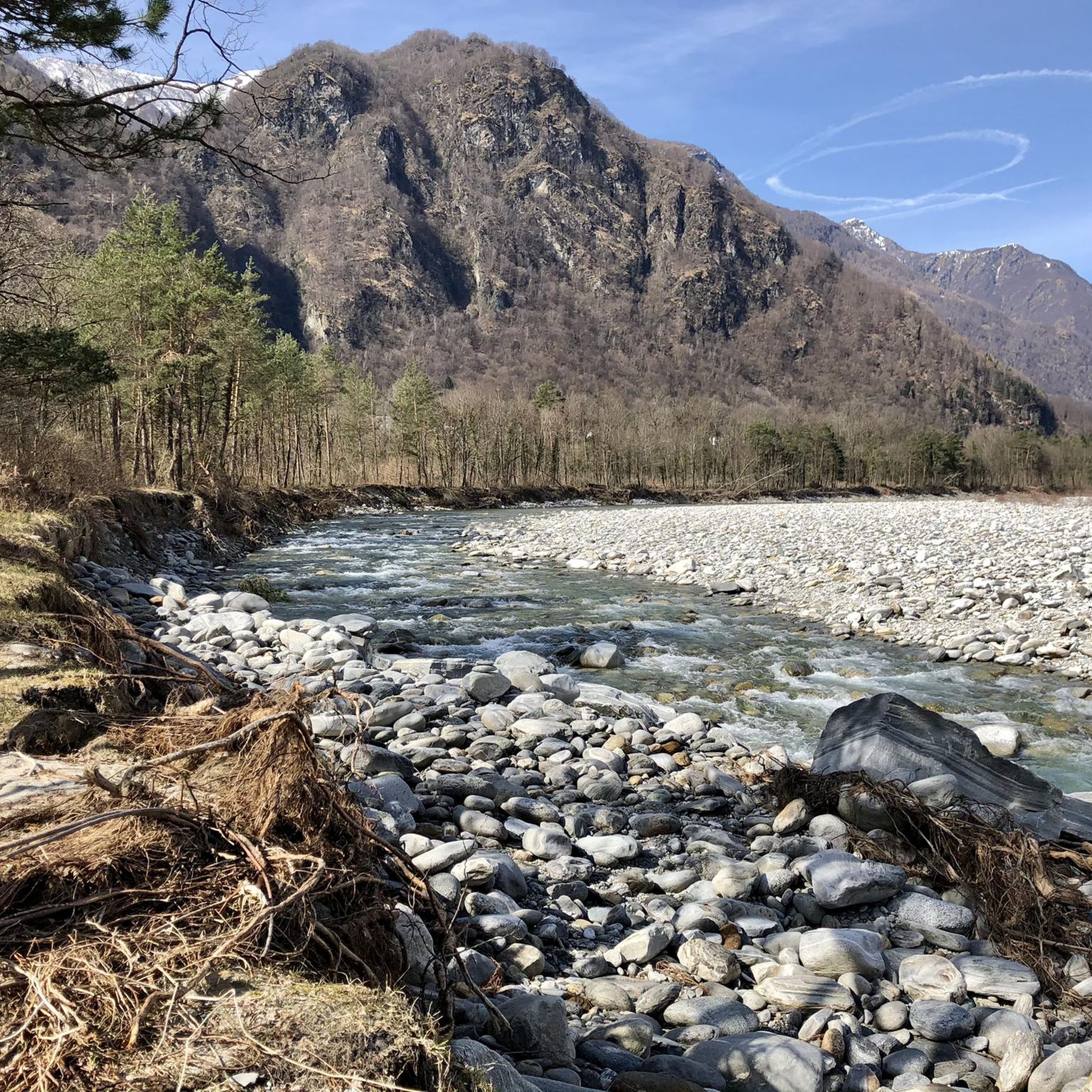
Mountaineering routes around Maggia traverse a landscape shaped by the crystalline Maggia River, featuring dramatic granite gorges and towering peaks. The region transitions from lower valley floors with dense woodlands to higher alpine scenery, characterized by steep mountain slopes and scattered mountain lakes. This diverse terrain provides a range of challenges for mountaineers, from moderate ascents to demanding high-altitude routes.
Best mountaineering routes around Maggia
- The most popular mountaineering route is Rustico di Cassinella – Pioda Chapel loop from Maggia…
Last updated: October 1, 2026
18
hikers
9.80km
04:26
590m
590m
Moderate mountaineering route. Good fitness required. Mostly accessible paths. Sure-footedness required.
4.5
(2)
16
hikers
11.5km
06:28
1,090m
1,080m
Hard mountaineering route. Very good fitness required. Sure-footedness, sturdy shoes and alpine experience required.

1
hikers
15.4km
07:26
1,160m
1,160m
Hard mountaineering route. Very good fitness required. Sure-footedness, sturdy shoes and alpine experience required.
Our route recommendations are based on thousands of hikes, rides, and runs completed by other people on komoot.
Start today with a free account
Your next adventure awaits.
Tips from the Community

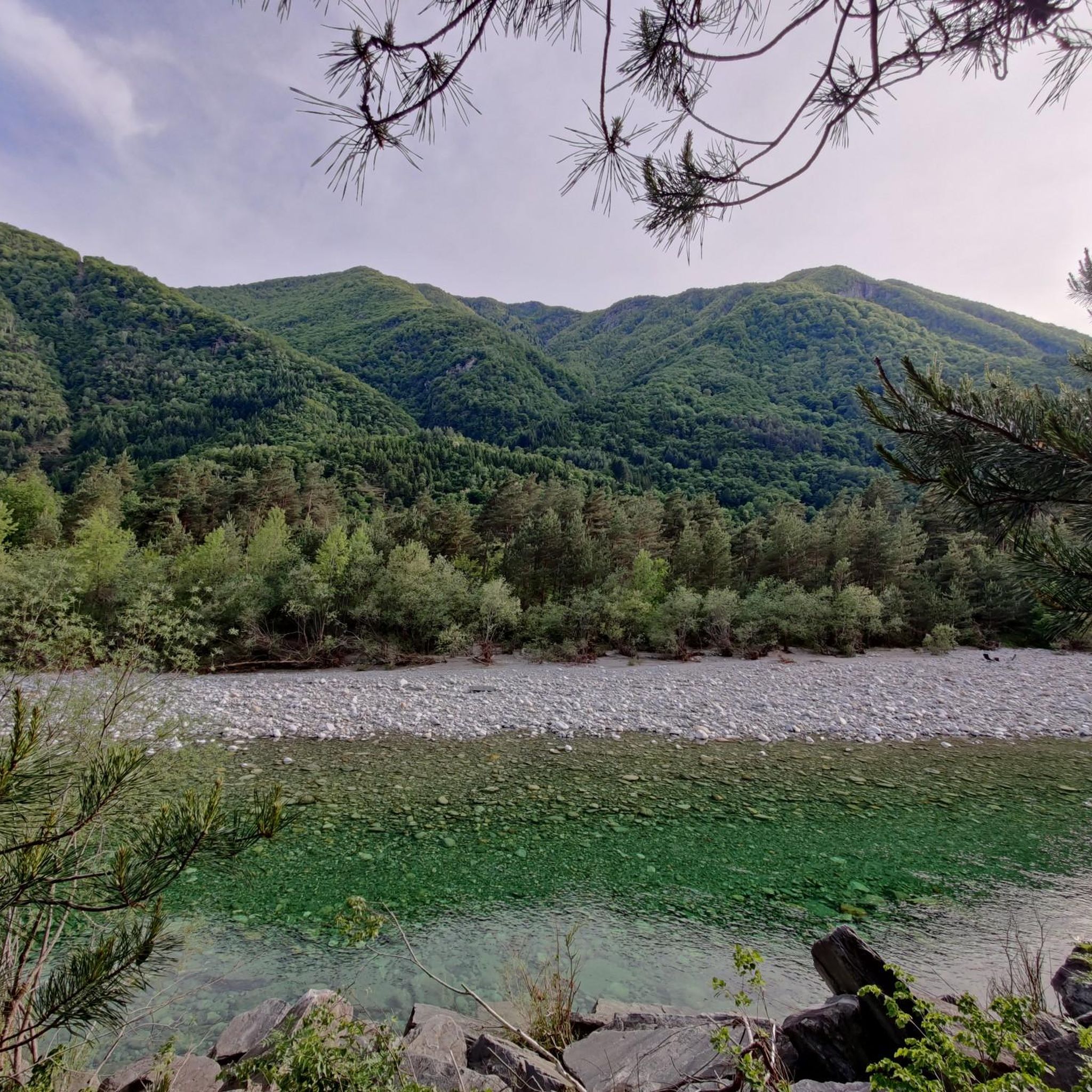
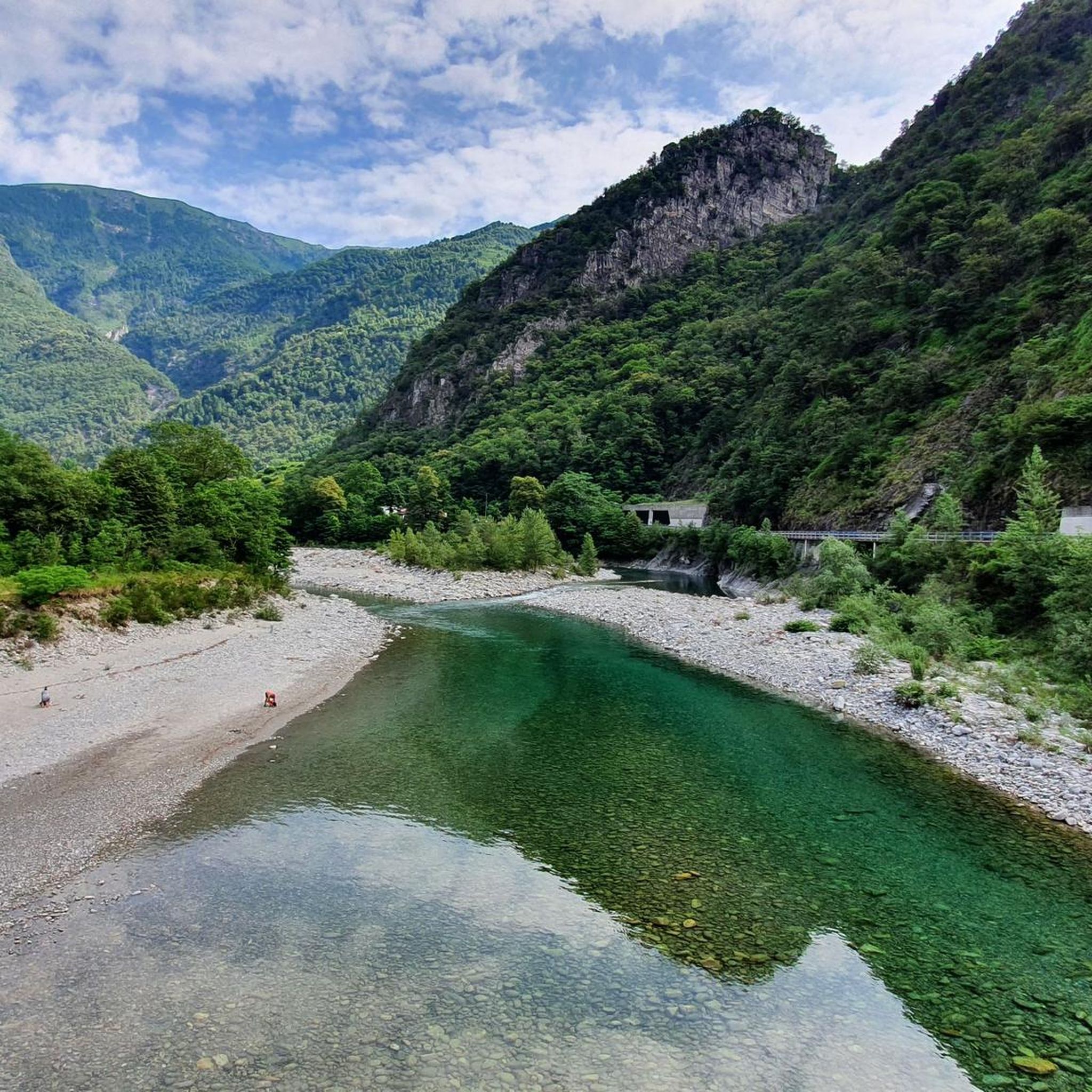
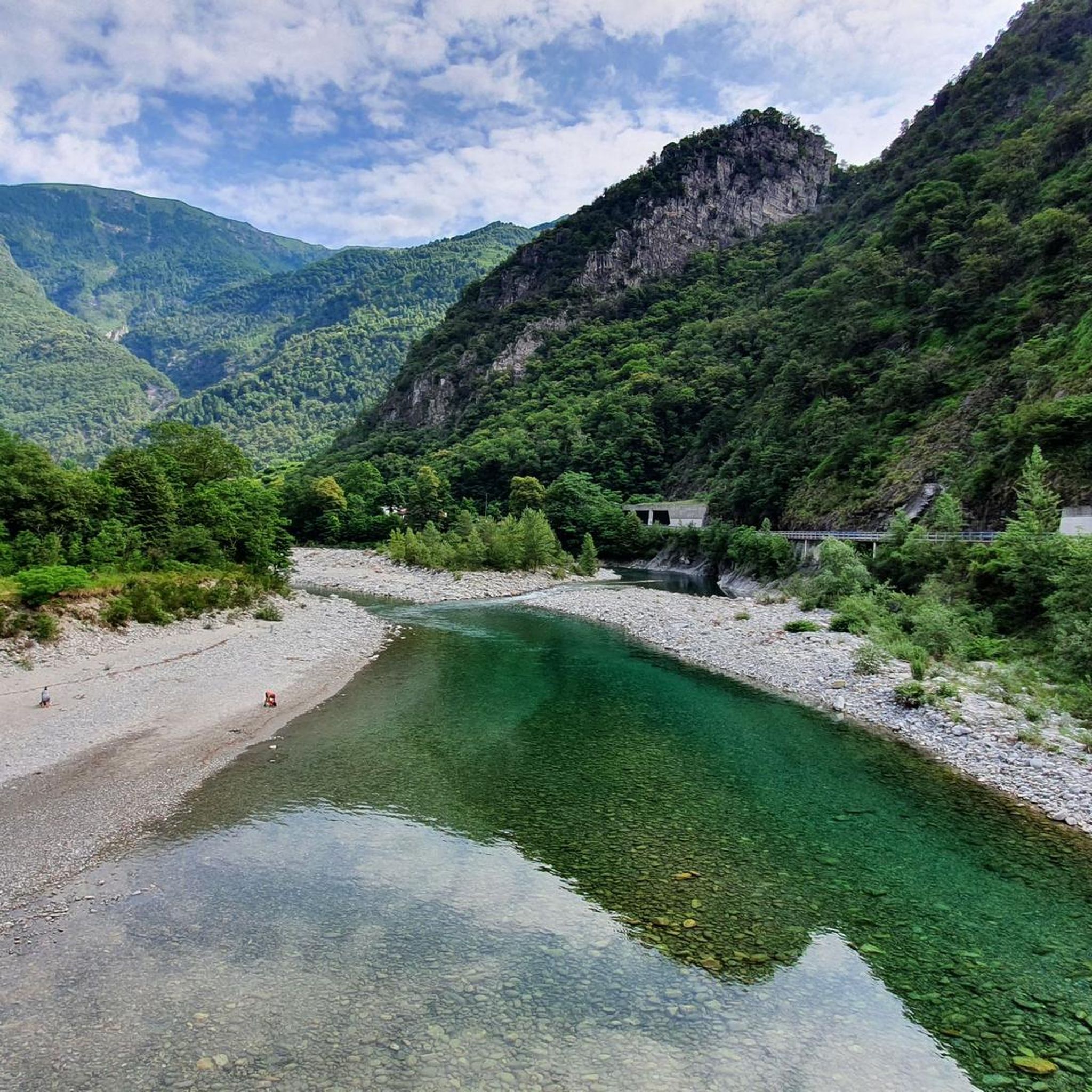
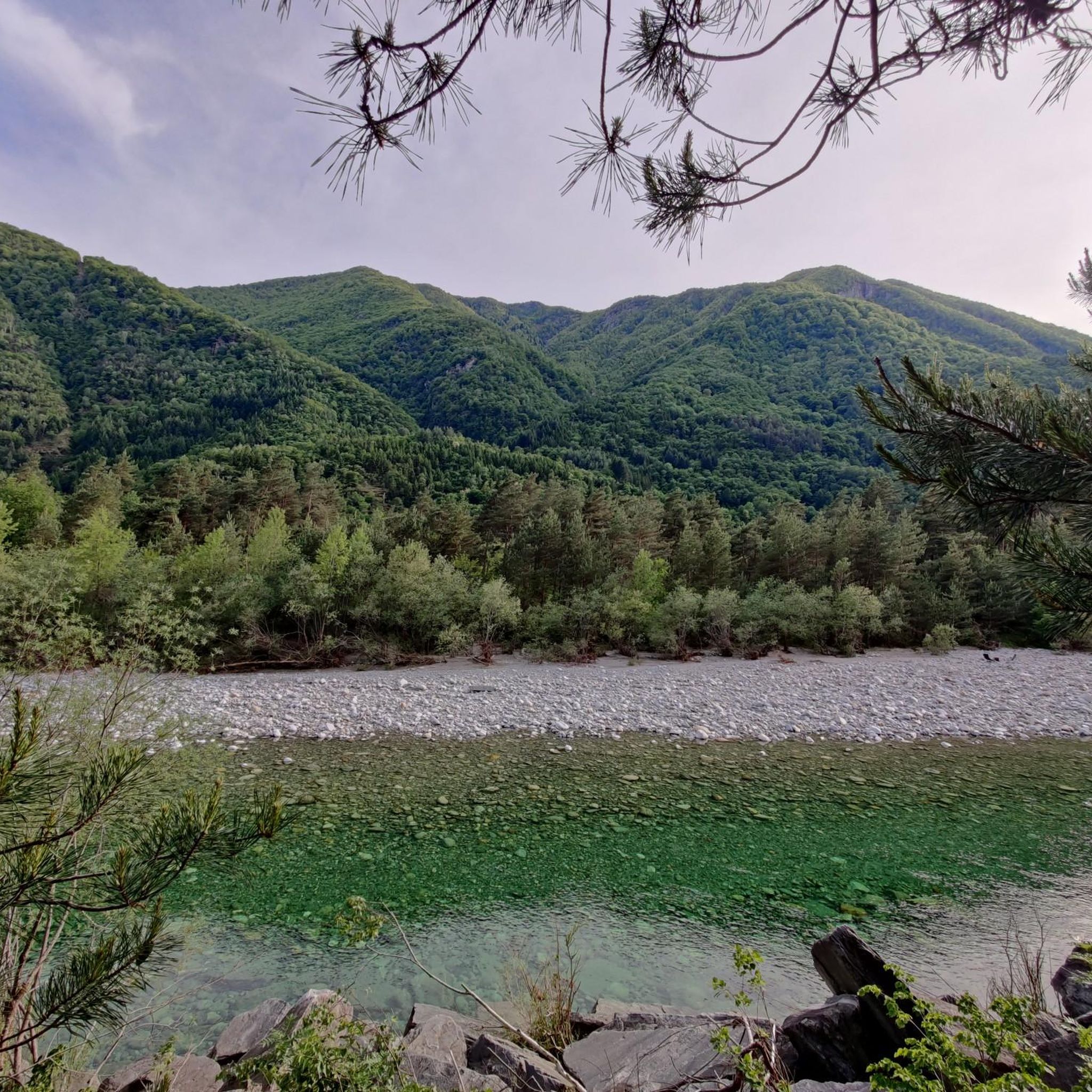
Beautiful bathing spot at the far end of the valley
4
0


One of the many wells in town. I'm not sure if it's drinking water.
0
0

Beautiful place and nature, fantastic view on Lake Maggiore, regular and very nice uphill path to the refuge.
0
0

Capanna Al Legn is an Alpine refuge located at 1,802 meters above sea level on the slopes of Gridone, above Brissago, in the Canton of Ticino. Inaugurated in 1995, the modern structure is spread over three floors and offers 12 beds, a kitchen equipped with wood and gas stoves, hot and cold water, toilets and a shower. The hut is accessible all year round via paths that start from the Brissago mountains, with a travel time of about two hours. From its panoramic position, you can enjoy a breathtaking view of Lake Maggiore and the Brissago Islands. The use of a sleeping bag is mandatory, available on site at a cost of CHF 7. For information and reservations, you can contact the number +41 79 823 98 07.
2
1
A fountain in the center of Maggia. Whether this is drinking water is unclear. It's located directly in a parking lot. There's a place to stop for refreshments nearby.
0
0

The unattended Rifugio Al Legn is located in a panoramic position on Alpe Arolgia above Brissago, offering an incredible 180-degree view of Lake Maggiore, perfect for mountain and nature lovers.
0
0

Particularly noteworthy is the fantastic view of Lake Maggiore directly at your feet. The approaches are long and steep.
0
0
Frequently Asked Questions
How many mountaineering routes can I find around Maggia?
You'll find a selection of 9 mountaineering routes around Maggia, offering diverse experiences from moderate ascents to more challenging high-altitude trails. These routes are highly rated by the komoot community, with an average score of 4.5 stars.
What kind of terrain can I expect on mountaineering routes in Maggia?
The terrain around Maggia is incredibly varied, shaped by the crystalline Maggia River. You can expect dramatic granite gorges, steep mountain slopes, and towering peaks. Routes often transition from dense woodlands in the lower valleys to breathtaking alpine scenery and crystal-clear mountain lakes at higher elevations. Some paths feature traditional stone architecture and alpine meadows, while others lead through high alpine terrain.
Are there any circular mountaineering routes in Maggia?
Yes, Maggia offers several excellent circular mountaineering routes. For example, you could explore the Rustico di Cassinella – Pioda Chapel loop from Maggia, which takes you through traditional stone architecture and alpine meadows. Another popular option is the Pizzo Leone loop from Ronco sopra Ascona, known for its varied terrain and panoramic vistas, or the challenging Lago d Efra loop from Frasco, which leads past a pristine mountain lake.
What are some of the more challenging mountaineering routes in Maggia?
For those seeking a challenge, Maggia offers several difficult mountaineering routes. The Lago d Efra loop from Frasco is a demanding 12.9 km trail through high alpine terrain. Another difficult option is the Summit Cross Above Alpe Masnée – Alpe Masnée Hut loop from Brione, which involves significant elevation gain and offers a true mountaineering experience.
What can I see along the mountaineering routes in Maggia?
Beyond the stunning mountain scenery, you'll encounter a variety of natural and cultural highlights. The region is known for its dramatic granite gorges and the turquoise-blue Maggia River. You might also discover traditional stone houses called 'rustici' and picturesque village squares. For specific points of interest, consider exploring highlights like the Bridge Over the Maggia or the Roman Bridge.
Are there any natural features like waterfalls or gorges to explore near the routes?
Absolutely. The Maggia Valley is renowned for its natural water features. The Maggia River itself has carved dramatic granite gorges, notably at Ponte Brolla, and created natural pools perfect for swimming. Waterfalls cascade into these pools, adding to the scenic beauty. You can find impressive gorges such as Val Osola, or even experience the thrill of the Swing Over the Vergeletto Gorge.
What do other mountaineers enjoy most about Maggia?
The Maggia region is highly rated by the komoot community, with an average score of 4.5 stars. Mountaineers frequently praise the breathtaking alpine scenery, the diversity of the trails, and the pristine mountain lakes. Many appreciate the blend of challenging ascents with opportunities to experience the region's unique granite formations and traditional architecture.
Are there any moderate mountaineering routes suitable for those looking for a less strenuous climb?
Yes, Maggia offers several moderate mountaineering routes. The Mountaineering loop from Tegna is a good option, providing a rewarding experience without the extreme demands of the most difficult trails. These routes allow you to enjoy the stunning landscapes at a comfortable pace.
What is the best time of year for mountaineering in Maggia?
The Maggia Valley offers mountaineering opportunities throughout much of the year, but the best time generally depends on the altitude. Spring and autumn provide pleasant temperatures for lower and mid-altitude routes, with vibrant flora or stunning fall colors. Summer is ideal for higher alpine routes, as snow has typically melted, and mountain huts are open. Always check local conditions and weather forecasts, especially for higher elevations.
Can I find places to eat or stay near the mountaineering trails in Maggia?
Yes, the Maggia Valley has traditional stone houses called 'rustici' and picturesque villages where you can find local eateries and accommodation. While specific cafes or pubs directly on every trail might be limited, you'll often find options in the villages at the start or end points of routes. For example, Grotto Pozzasc is a notable spot near some of the region's natural attractions.
Are there opportunities for climbing or bouldering in the Maggia Valley?
While this guide focuses on mountaineering, the Maggia Valley is indeed a well-known destination for climbing and bouldering. Areas like Ponte Brolla and Torbeccio offer granite climbing routes with varying difficulty levels. Cevio and Prato-Sornico also feature excellent granite crags with numerous sport and bolted routes, catering to both experienced and novice climbers.
Most popular attractions around Maggia

Get inspired with the komoot mobile app


Explore more
Browse the best Mountain Hikes & Routes in other regions.
