The best road cycling routes around Bors-De-Montmoreau
4.4
(20)
568
riders
183
rides
Road cycling routes around Bors-De-Montmoreau traverse the Charente department in southwestern France, characterized by rolling countryside, extensive vineyards, and tranquil riverbanks. The region offers a network of cycling routes that often utilize dedicated greenways and small country roads with minimal traffic. The terrain is generally bucolic, featuring varied topography suitable for different skill sets.
Best road cycling routes around Bors-De-Montmoreau
- The most popular road cycling route is Aubeterre, Saint-Aulaye and Chalais Loop, a 52.0 miles (83.6 km) trail that…
Last updated: August 23, 2026
19
riders
92.8km
04:13
880m
880m
Moderate road ride. Good fitness required. Mostly well-paved surfaces and easy to ride.
7
riders
73.3km
03:15
620m
620m
Moderate road ride. Good fitness required. Mostly well-paved surfaces and easy to ride.

Sign up for free
3
riders
59.5km
02:48
720m
720m
Moderate road ride. Good fitness required. Some segments of this route may be unpaved and difficult to ride.
2
riders
41.8km
02:03
580m
580m
Moderate road ride. Good fitness required. Mostly well-paved surfaces and easy to ride.
4
riders
58.6km
02:40
510m
520m
Moderate road ride. Good fitness required. Mostly well-paved surfaces and easy to ride.
Get access to more routes and recommendations from other explorers.
Sign up for free
Already have an account?
Our route recommendations are based on thousands of hikes, rides, and runs completed by other people on komoot.
Start today with a free account
Your next adventure awaits.
Login or Signup
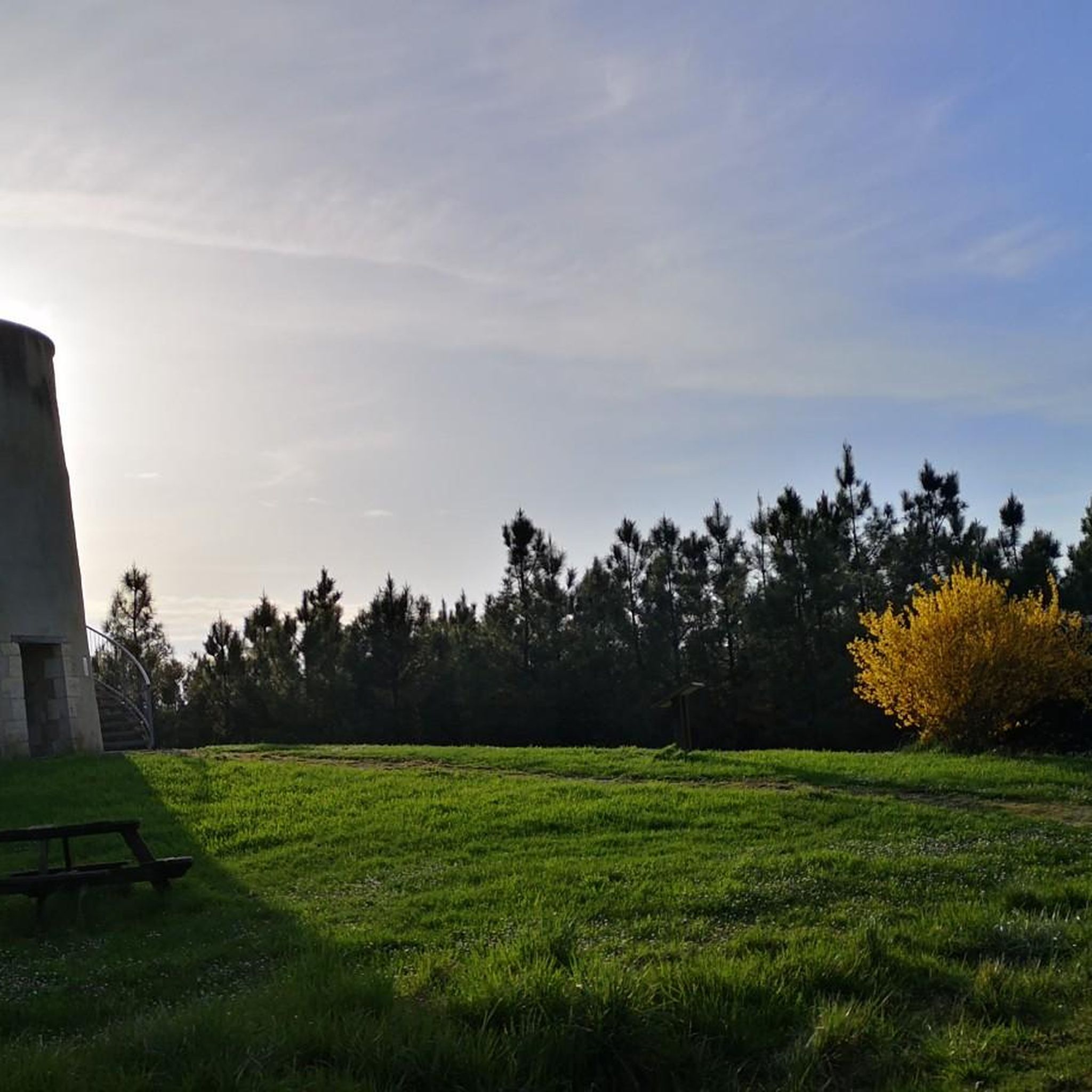
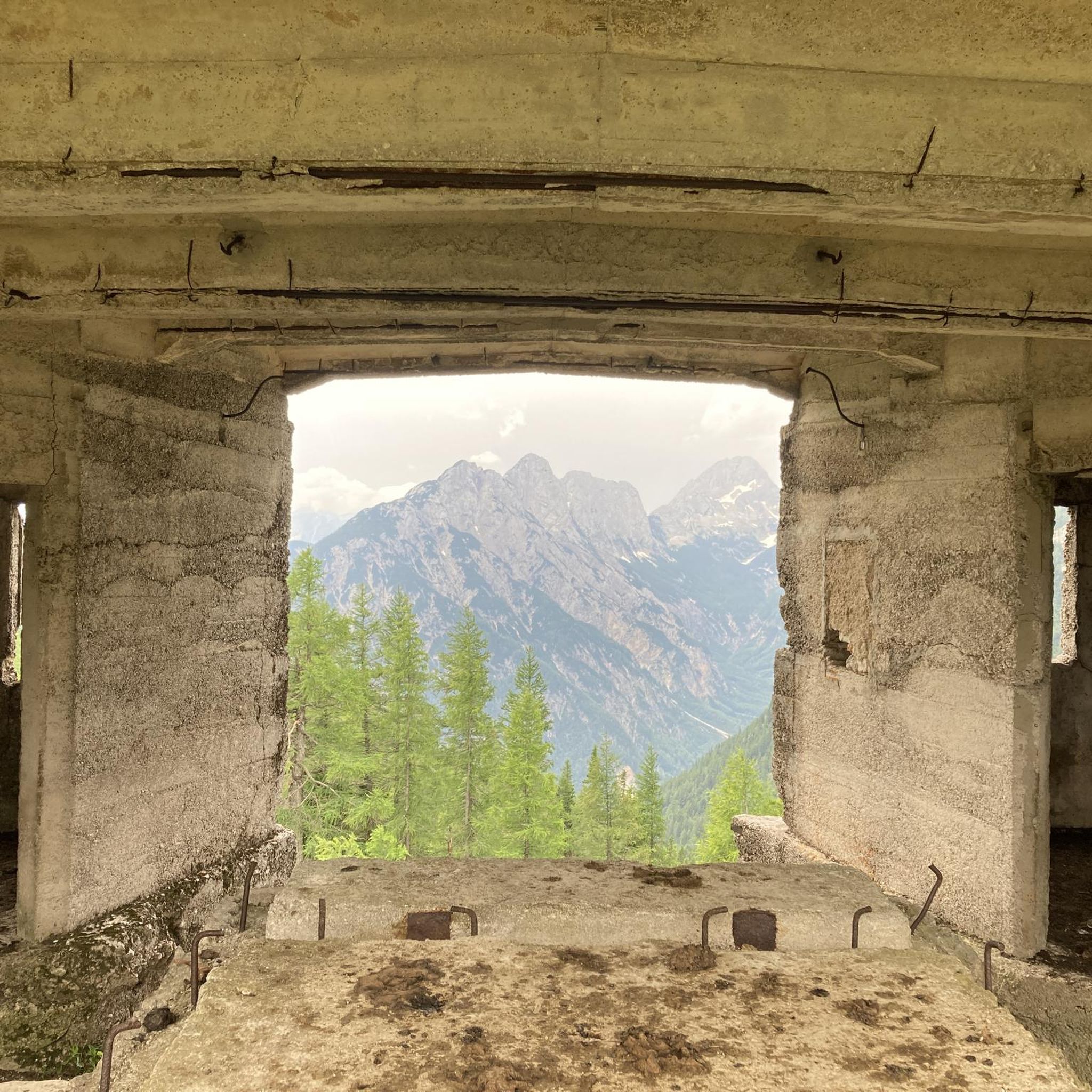

Tips from the Community

A charming village and home to the largest underground church in Europe. It is officially listed as "one of the most beautiful villages in France." Located in the southern Charente region, it borders the Dordogne, renowned for its historic villages, castles, prehistoric caves, and breathtaking landscapes. In the heart of the village, a lovely square awaits you, lined with terraces and restaurants. Enjoy strolling through its narrow, cobbled, medieval, and romantic streets, lined with typical stone houses that give the village its special and picturesque character.
0
0

A visit is absolutely recommended, unique.
0
0


Romanesque church fortified in the 14th century during the Hundred Years' War. The bell tower is imposing, and the oldest parts are located at the base of the side walls, the semicircular apse, and the façade. The rectangular bell tower is pierced by two lintel openings on each side. Powerful buttresses surround the building; one of the two on the façade is higher because it supports the bell tower staircase. The three-bay nave is lit by narrow, ribbed-vaulted windows. https://chateauruine.fr/16-eglise-fortifiee-fouquebrune.html
0
0
The Abbey of Notre-Dame de La Couronne is an exceptional monumental complex, composed of the remains of the old abbey church and the convent buildings. A major building representing the introduction of Gothic in Angoumois at the end of the 12th century. In the 12th century, the Abbey of Notre-Dame de la Couronne was founded (from 1118, laying of the first stone). The work was carried out quickly and on March 12, 1122, the monks (of the regular order of Saint Augustine) settled in the presence of Bishop Girard de Blay and the Count of Angoulême. From its creation, the abbey was a great success: a new church was built at the end of the 12th century (choir and nave: 1171-1194; the end of the work was slowed down by wars, famines, etc.): it was dedicated in 1201, in the presence of the Archbishop of Bordeaux. The convent buildings were also renewed at the end of the 12th and beginning of the 13th century: cloisters, dormitory, refectory, infirmary, etc. A surrounding wall surrounded the abbey. During the 13th century, the furnishings were enriched, the Saint-Nicolas chapel was built and the bell tower was built. During the Hundred Years' War, the monks were dispersed and the bell tower collapsed (1450). At the end of the 15th century, the abbey was reborn: part of the collapsed church was rebuilt, a new abbey building was built (the work was completed after 1514). The Wars of Religion affected the abbey again: it was pillaged in 1562, part of its furniture was burned. The convent buildings were restored in 1571. At the beginning of the 17th century, the abbey, which now had only eight monks, was united with the Jesuit order; it was then placed under the obedience of the congregation of Sainte-Geneviève in 1644. In the 18th century, a final campaign of works (1750-1778) transformed the convent buildings. During the Revolution, the abbey became national property. It was sold in 1807, used as a quarry and was gradually dismantled and divided into several properties. This religious establishment is now in ruins and inaccessible to the public. But it is possible to imagine it thanks to a virtual reality tour with the Legendr application. Municipal website: https://www.lacouronne.fr/abbaye-notre-dame 3D reconstruction: https://www.rendr.fr/portfolio/reconstitution-3d-abbaye-notre-dame-la-couronne Heritage of Charente: https://patrimoine16.lacharente.fr/sites-du-departement/la-couronne/
0
0
Located on one of the paths to Santiago de Compostela, the Via Turonensis (Road to Tours), the Saint-Denys de Montmoreau church was built in the 12th century. It has retained its original appearance, with the exception of the square Romanesque bell tower which was completely modified in the mid-19th century by Paul Abadie. A Romanesque church whose façade is marked by a polylobed portal and two arcades. It consists of a nave covered with a barrel vault, a transept whose crossing has a dome on pendentives and a vast, very bright semicircular apse. The chevet bordering the road is decorated with a very prominent horizontal cordon supported by modillions representing human or animal faces. The magnificent Romanesque frontispiece has an arched portal whose five arches form an archivolt resting on slender columns with sculpted capitals. The inner arch is openworked by six lobes ending with symbolic animal heads. All the decorations bear witness to an oriental influence in the South-West Romanesque and especially to the virtuosity of the sculptors. https://www.montmoreau.fr/index-module-orki-page-view-id-115.html https://monumentum.fr/monument-historique/pa00104432/montmoreau-eglise-saint-denis
0
0

Magnificent little Charentais village, with a small church and its garden
0
0
Frequently Asked Questions
How many road cycling routes are available around Bors-De-Montmoreau?
There are over 170 road cycling routes around Bors-De-Montmoreau, offering a wide range of options for different skill levels and preferences.
What kind of terrain can I expect when road cycling in Bors-De-Montmoreau?
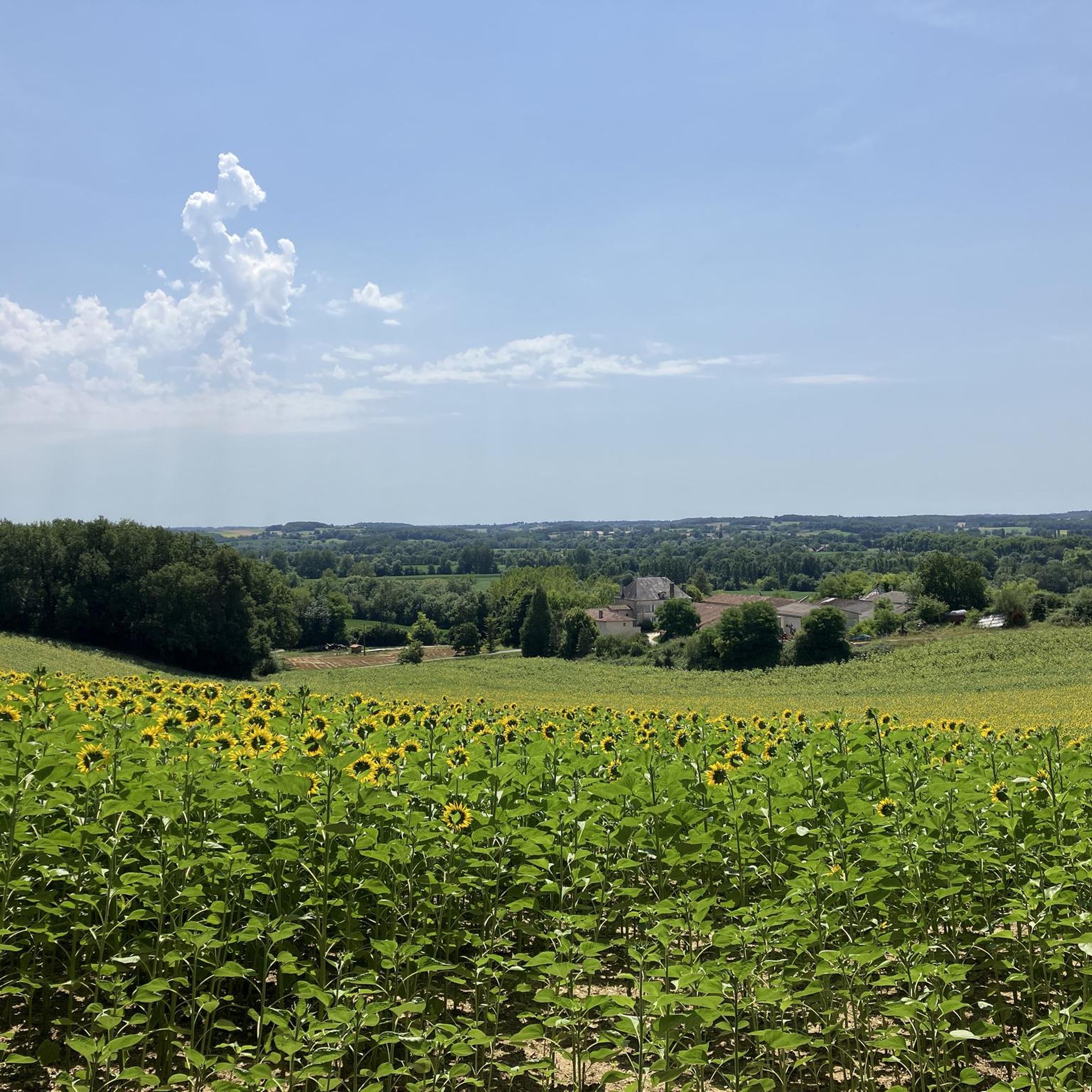
The terrain around Bors-De-Montmoreau is characterized by rolling countryside, extensive vineyards, and tranquil riverbanks. You'll find a varied topography, from bucolic landscapes with fields of sunflowers to dense forests, suitable for different skill sets.
What are the difficulty levels of road cycling routes in this area?
The routes in Bors-De-Montmoreau cater to various abilities. There are 20 easy routes, 143 moderate routes, and 10 difficult routes, ensuring options for beginners to advanced cyclists.
Are there any long-distance cycling routes accessible from Bors-De-Montmoreau?
Yes, the region is part of larger cycling networks. Key long-distance routes like La Scandibérique® (EuroVelo 3) and The Flow Vélo®, which winds along the Charente River, pass through or are accessible from the Charente department, offering extensive touring opportunities.
What scenic features will I encounter on road cycling routes around Bors-De-Montmoreau?
You'll be immersed in picturesque landscapes, including vast vineyards, especially around areas like Château des Plassons, peaceful riverbanks, and charming countryside often dotted with fields of sunflowers and dense forests. The region's natural beauty is a highlight for cyclists.
Are there any historical landmarks or attractions to see along the road cycling routes?
Yes, the area is rich in history and charm. You can explore places like Aubeterre-sur-Dronne, recognized as one of France's most beautiful villages, featuring the unique Monolithic Church of Saint-Jean. Other notable sites include Château de la Léotardie and the Saint-Eutrope Church of Montmoreau. The Château des Plassons in Bors-de-Montmoreau itself is also set amidst stunning vineyards.
What is the best time of year for road cycling in Bors-De-Montmoreau?
The spring and autumn months generally offer the most pleasant conditions for road cycling, with milder temperatures and beautiful scenery. Summer can also be enjoyable, though it's advisable to cycle earlier in the morning or later in the afternoon to avoid the midday heat.
Are there loop road cycling routes available in Bors-De-Montmoreau?
Yes, many routes in the area are designed as loops, allowing you to start and end at the same point. For example, the Roadbike loop from Montboyer and the Aubeterre-sur-Dronne loop from Pillac are popular choices that offer scenic circular rides.
Is parking available for cyclists near the routes in Bors-De-Montmoreau?
Parking is generally available in the villages and towns that serve as starting points for many routes, such as Montmoreau-Saint-Cybard or Aubeterre-sur-Dronne. Look for designated public parking areas.
How accessible are the road cycling routes by public transport?
While some larger towns in the Charente department have train stations, direct public transport links to the smaller villages and specific route starting points around Bors-De-Montmoreau might be limited. It's often most convenient to arrive by car, especially if you're bringing your own bike.
Are there family-friendly road cycling routes in the area?
The region offers routes suitable for various skill levels, including easier options. While some routes might involve rolling hills, many utilize quiet country roads and greenways, which can be more suitable for families. It's recommended to check the difficulty grade and elevation profile of specific routes, such as the 20 easy routes available, to find the best fit for your family.
What do other road cyclists enjoy most about road cycling in Bors-De-Montmoreau?
The area is highly rated by the komoot community, with an average score of 4.4 stars from over 10 reviews. Cyclists often praise the quiet country roads, the stunning vineyard landscapes, and the charming villages encountered along the way. The varied terrain also provides engaging rides for different fitness levels.
Most popular routes around Bors-De-Montmoreau
Most popular attractions around Bors-De-Montmoreau

Get inspired with the komoot mobile app


Explore more
Browse the best Road cycling routes in other regions.
