The best cycling routes around Sainte-Trie
4.6
(38)
184
riders
51
rides
Touring cycling around Sainte-Trie, located in the Dordogne department of France, offers diverse landscapes for cyclists. The region is characterized by picturesque river valleys, including the Dordogne and Isle rivers, which provide flat, serene paths. Beyond the rivers, cyclists encounter rolling countryside, dense forests, and areas dotted with vineyards and historic châteaux. The terrain varies from gentle riverside routes to more challenging paths with elevation changes through forested areas.
Best touring cycling routes around Sainte-Trie
- The most popular touring cycling…
Last updated: May 17, 2026
5.0
(3)
5
riders
26.0km
01:53
460m
460m
Hard bike ride. Very good fitness required. Mostly paved surfaces. Suitable for all skill levels.
5.0
(3)
17
riders
67.0km
04:31
980m
980m
Hard bike ride. Very good fitness required. Mostly paved surfaces. Suitable for all skill levels.

Sign up for free
8
riders
34.8km
02:18
490m
490m
Hard bike ride. Very good fitness required. Mostly paved surfaces. Suitable for all skill levels.
4.7
(6)
7
riders
26.9km
01:45
350m
350m
Moderate bike ride. Good fitness required. Mostly paved surfaces. Suitable for all skill levels.
7
riders
41.8km
02:49
660m
660m
Hard bike ride. Very good fitness required. Mostly paved surfaces. Suitable for all skill levels.
Get access to more routes and recommendations from other explorers.
Sign up for free
Already have an account?
Our route recommendations are based on thousands of hikes, rides, and runs completed by other people on komoot.
Start today with a free account
Your next adventure awaits.
Login or Signup


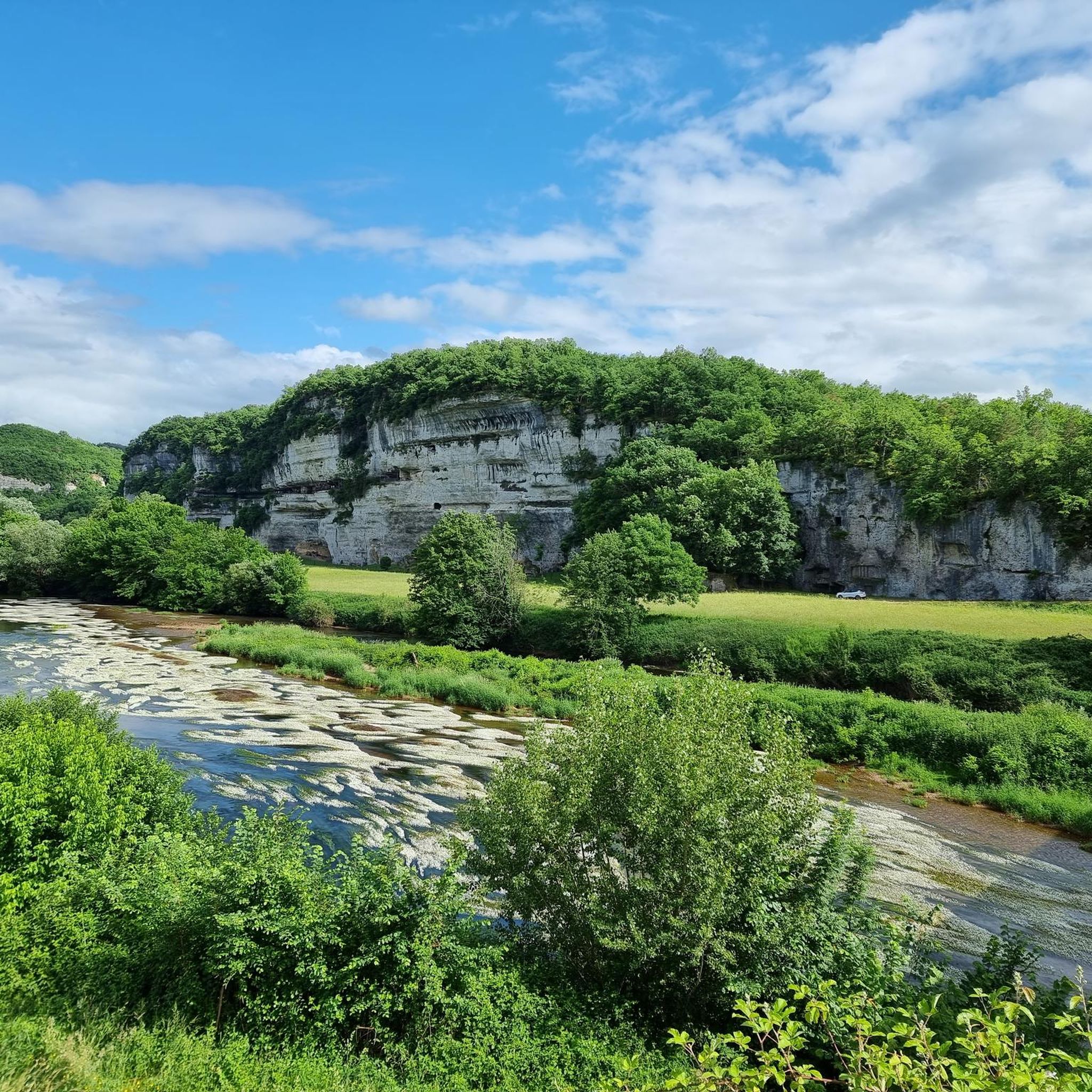
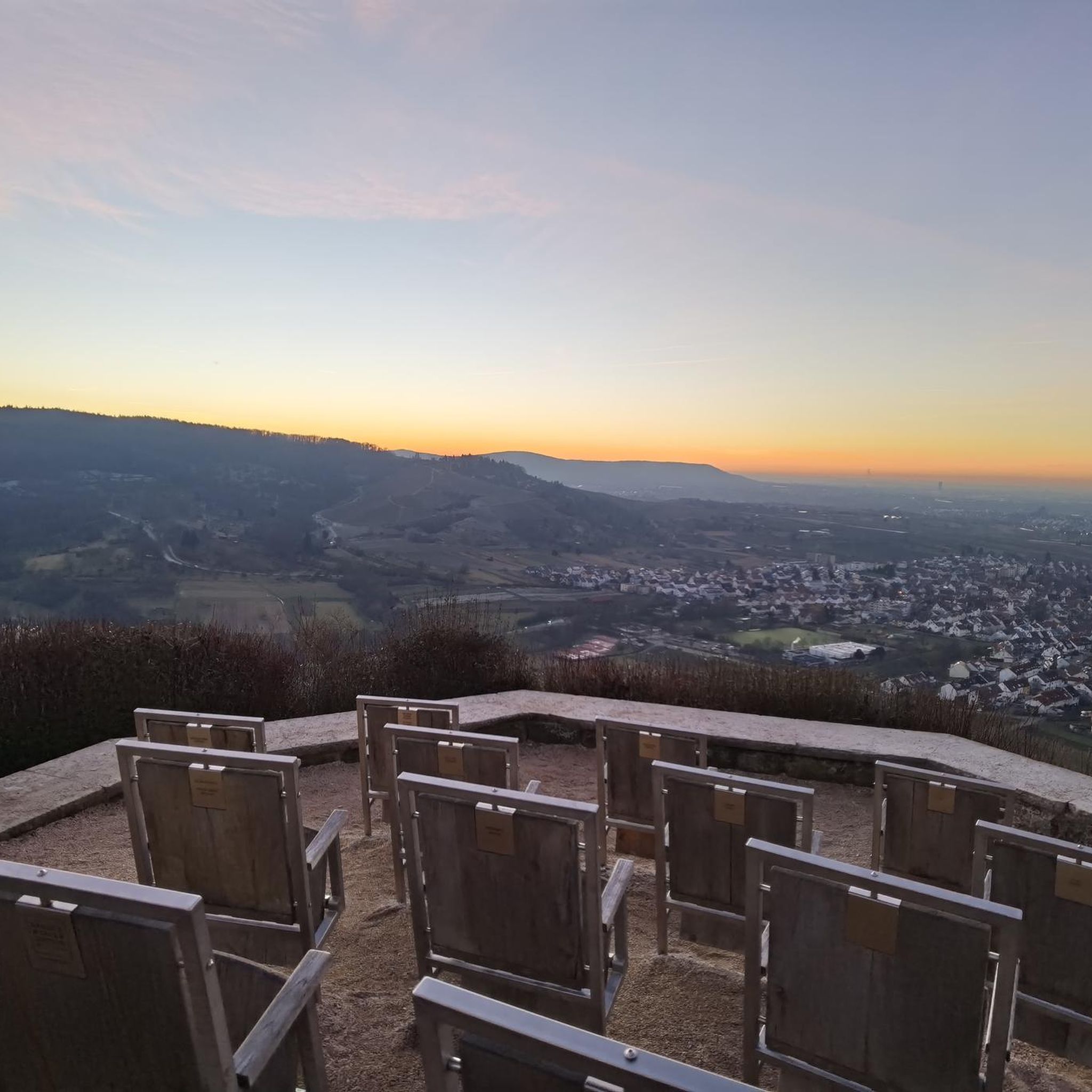
Tips from the Community

The Muratel railway tunnel was dug between 1893 and 1895. It allowed the crossing of a meander of the Elle River on the Nontron-Sarlat railway line, crossing the Muratel hill. 215 meters long, it features a limestone vault with refuge niches for safety. The line operated until 1939, then the tunnel was decommissioned in 1941, its roadway even being paved for temporary road access during construction. Today, it is an unused historical railway remnant. Good luck if you dare venture there!
0
0
Hautefort Castle was built between the late 16th and late 17th centuries on the remains of an ancient medieval fortress. Its architecture is clearly reminiscent of the Loire Valley châteaux, with a classical style combining elegance and defensive elements, including crenellated towers and a large quadrangle. The Marquis Jacques-François de Hautefort, a great builder, carried out a significant transformation to create a refined residence with galleries, a chapel, and rich interior decoration. The castle is surrounded by magnificent French gardens designed in the 19th century by the Count of Choulot. It survived the Revolution thanks to the defense of the inhabitants and was restored after a fire in the 20th century.
0
0

What you need to know Medieval origins: A Romanesque building dating from the 11th century, it is a testament to the religious architecture typical of Limousin. Style: Its robust structure, barrel vaults, and sculpted capitals invite you to immerse yourself in Romanesque art. Idyllic setting: Nestled in a village listed as one of the most beautiful in France, the church is surrounded by cobbled streets and old houses.
0
0
Hautefort Castle is one of the few surviving examples of classical architecture in southwest France. Situated on a rocky spur overlooking the village of Hautefort, it offers a majestic silhouette that is more reminiscent of the Loire Valley châteaux than the region's typical medieval fortresses.
1
0


The village and the Château de Hautefort are worth a little detour on the Flow Vélo route. At lunchtime, you can buy delicious cooked dishes at the butcher's shop "Levy" on rue Bertrand de Born and enjoy them in a small shaded square a few steps away on rue Bertrand Artigue.
0
0
Great spot to cool off, even if swimming is prohibited!
0
0
Frequently Asked Questions
How many touring cycling routes are available around Sainte-Trie?
There are over 50 touring cycling routes around Sainte-Trie, offering a wide range of options for exploring the region's diverse landscapes. These routes are highly rated by the komoot community, with an average score of 4.5 stars.
What kind of terrain can I expect on touring cycling routes near Sainte-Trie?
The terrain around Sainte-Trie is varied. You'll find flat, serene paths along picturesque river valleys like the Dordogne and Isle rivers, ideal for leisurely rides. Beyond the rivers, routes often feature rolling countryside, dense forests, and areas with vineyards and historic châteaux, which can include more challenging sections with elevation changes. For example, the route Around Hautefort Castle includes significant elevation changes.
Are there any family-friendly cycling routes in the Sainte-Trie area?
Yes, the region is well-suited for family cycling, particularly along its 'Voies Vertes' (greenways). These car-free paths, often built on old railway lines or along riverbanks, offer safe and enjoyable rides. The Véloroute Voie Verte Vallée de l'Isle is a notable example, providing a tranquil journey through charming villages. While specific family-friendly routes are not detailed in the guide, the presence of greenways indicates many suitable options.
What are some notable landmarks or attractions I can see while cycling around Sainte-Trie?
The Sainte-Trie area is rich in natural and historical attractions. You can cycle past the impressive Château de Hautefort and Gardens, a prominent landmark. Other natural highlights include the picturesque Saut Ruban Waterfall and the serene Enchanted Forest. Many routes, such as Hautefort Castle – Hautefort loop from Hautefort, will take you through areas with historical sites and scenic views.
Are there any circular touring cycling routes available?
Yes, many touring cycling routes around Sainte-Trie are designed as loops, allowing you to start and finish in the same location. An example is the Hautefort Castle – Muratel railway tunnel loop from Hautefort, which offers a challenging ride through varied countryside. Another option is the Hautefort – Hautefort Castle loop from Hautefort.
What is the best time of year to go touring cycling in Sainte-Trie?
The Dordogne region, including Sainte-Trie, is generally pleasant for cycling from spring through autumn. Spring (April-May) offers lush greenery and comfortable temperatures, while autumn (September-October) provides beautiful fall foliage and cooler weather. Summer (June-August) can be warm, but riverside routes and forested areas offer shade. It's advisable to check local weather forecasts closer to your visit.
Is it possible to find parking near the cycling routes in Sainte-Trie?
Yes, parking is generally available in and around Sainte-Trie, particularly in villages and near popular attractions like Château de Hautefort, which serves as a common starting point for many routes. Many towns in the Dordogne region are accustomed to accommodating cyclists and provide parking facilities.
Can I use public transport to reach Sainte-Trie or access cycling routes?
While Sainte-Trie is a smaller commune, the broader Dordogne region has some public transport options, though they may be limited. Buses connect larger towns, and train services operate to major hubs like Périgueux or Brive-la-Gaillarde. From these points, local transport or a short drive would be needed to reach Sainte-Trie. It's best to check regional transport schedules in advance for specific connections.
Are there cafes, pubs, or accommodation options near the cycling routes?
Yes, the Dordogne region is well-equipped with services for visitors. You'll find charming cafes, restaurants, and pubs in the villages along the cycling routes. Accommodation ranges from guesthouses and B&Bs to hotels, particularly in towns like Hautefort, which is a central point for many tours. Many establishments are cycle-friendly, offering amenities like secure bike storage.
Are there any specific regulations or permits required for cycling in the Dordogne?
Generally, no specific permits are required for touring cycling on public roads and designated cycling paths (Voies Vertes) in the Dordogne region. Standard French road rules apply. However, if you plan to cycle through private estates or specific natural reserves, it's always wise to check for any local regulations or access restrictions.
What do other touring cyclists enjoy most about cycling in Sainte-Trie?
The area is highly rated by the komoot community, with an average score of 4.5 stars from over 30 reviews. Reviewers often praise the diverse landscapes, from serene river valleys to rolling hills and dense forests, and the opportunity to combine cycling with visits to historical sites like the Château de Hautefort. The well-maintained paths and varied terrain suitable for different skill levels are also frequently highlighted.
Are there any routes that include a railway tunnel?
Yes, the route Hautefort Castle – Muratel railway tunnel loop from Hautefort specifically includes a former railway tunnel, offering a unique feature for cyclists to experience as part of their tour through the countryside.
Most popular attractions around Sainte-Trie

Get inspired with the komoot mobile app


Explore more
Browse the best Cycling routes in other regions.
