The best road cycling routes around Lisle-En-Rigault
4.7
(40)
1,887
riders
211
rides
Road cycling around Lisle-En-Rigault is characterized by its varied topography and rural charm within the Meuse department of France. The region features the Saulx river and its valleys, providing scenic routes with gentle gradients. Elevations range from 162 meters to 236 meters, indicating rolling hills rather than steep climbs. The area offers tranquil roads through a dispersed habitat, allowing cyclists to experience the peaceful countryside.
Best road cycling routes around Lisle-En-Rigault
- The most popular road cycling route is Abbey of…
Last updated: July 9, 2026
5.0
(1)
45
riders
67.6km
02:55
530m
530m
Moderate road ride. Good fitness required. Mostly well-paved surfaces and easy to ride.
13
riders
38.9km
01:51
360m
360m
Moderate road ride. Good fitness required. Mostly well-paved surfaces and easy to ride.

Sign up for free
12
riders
53.0km
02:19
420m
420m
Moderate road ride. Good fitness required. Mostly well-paved surfaces and easy to ride.
9
riders
49.2km
02:12
410m
410m
Moderate road ride. Good fitness required. Mostly well-paved surfaces and easy to ride.
10
riders
62.2km
02:48
690m
690m
Moderate road ride. Good fitness required. Mostly well-paved surfaces and easy to ride.
Get access to more routes and recommendations from other explorers.
Sign up for free
Already have an account?
Our route recommendations are based on thousands of hikes, rides, and runs completed by other people on komoot.
Start today with a free account
Your next adventure awaits.
Login or Signup




Tips from the Community

A beautiful church and definitely worth a visit.
1
1

On the site of an old fountain, a monument erected in 1894 by public subscription honors the memory of Barisiens Pierre and Ernest Michaux, inventors and promoters of the pedal velocipede. This monument also marks the entrance to the Bourg district. A chubby child representing the genius of the bicycle, placed in front of a velocipede, extols the invention of the pedal by the Michaux family in 1861, thus allowing the cycle to evolve from the balance bike to the velocipede. Source: https://www.tourisme-barleducsudmeuse.fr/page,fiche-sitlor,produit,754005864
0
0

very beautiful place in the center of an equally pretty village
0
0

This ancient collegiate church in Gothic style, with some characteristic Renaissance elements, was built between 1315 and 1630. It houses two important works by the Lorraine sculptor Ligier Richier: Christ on the Cross between the Two Thieves and "Le Transi de René de Chalon," depicting the Prince of Orange as a skeleton. It was classified as a historic monument in 1889.
2
0
The church of Saint-Jean, in Bar-le-Duc, is a neo-Byzantine style building with references to the neo-Romanesque style. It was built in two phases, between the 19th and 20th centuries. Since the mid-19th century, the parish of Notre-Dame had an "annex" in the Brasseries district. The idea of transforming it into a church came in 1869. The following year the project was entrusted to the architect Charles Demoget. The result, a neo-Gothic building, was controversial and Demoget was removed from office, making way for Ernest Birglin who designed a new building in neo-Byzantine style. But it was only in 1875, after the creation of a fourth parish under the name of Saint-Jean, that construction of the church began. The first phase of the works lasted until 1880, but only the apse, the choir and the transept were erected. In 1933 the architect Royer opened the second phase of work, with the construction of the nave which lasted until 1939. The façade, however, remained partially unfinished.
2
0

Of the Trois-Fontaines abbey founded in 1118, today only ruins remain. The Friends of the Trois-Fontaines sites association is responsible for their restoration, even if the remains belong to a private owner. The abbey church is located in a pretty park which invites you to take a walk.
2
0

Visible from afar, the tower points the way to the upper old town. From here you have a good view of the city that now lies at our feet.
0
0

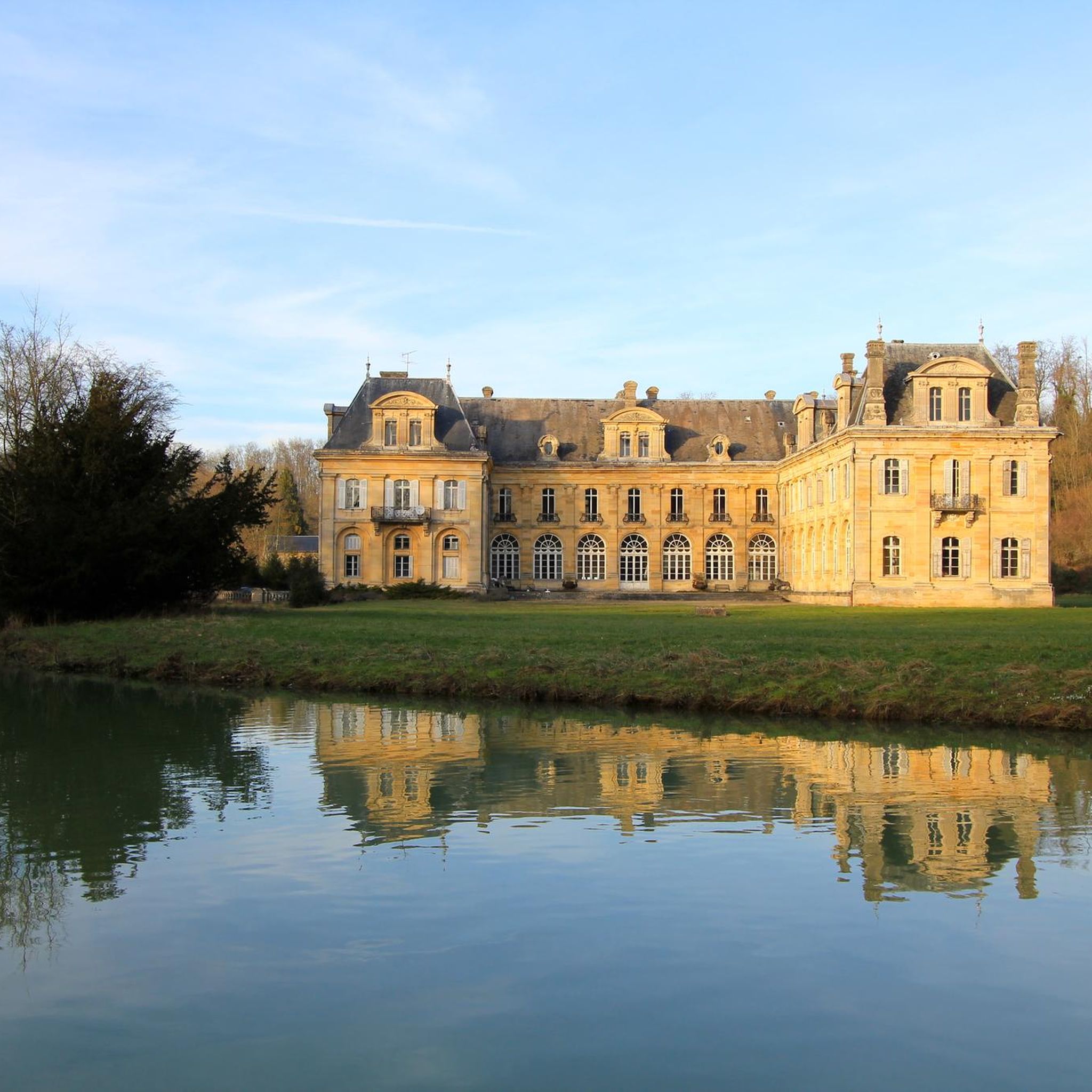
Built from 1903 to 1905 by the Varin-Bernier banking family, the castle, whose exterior architecture and interior decoration mix all styles, represents an example of the historicism and eclecticism in vogue at that time. The building is surrounded by an English-style park.
1
0
Frequently Asked Questions
How many road cycling routes are available around Lisle-en-Rigault?
There are over 220 road cycling routes available around Lisle-en-Rigault, offering a wide variety of options for different skill levels and preferences.
Are there easy road cycling routes for beginners or families in Lisle-en-Rigault?
Yes, Lisle-en-Rigault offers nearly 50 easy road cycling routes. These routes often feature gentle gradients along the Saulx river valleys, making them suitable for beginners or families looking for a relaxed ride. An example of an easy route is the Ville-sur-Saulx Castle – Lisle Castle loop from Ville-sur-Saulx.
What kind of terrain can I expect on road cycling routes in Lisle-en-Rigault?
The region around Lisle-en-Rigault features varied topography, including the scenic Saulx river valleys and rolling hills. Elevations range from 162 to 236 meters, meaning you'll encounter gentle ascents and descents rather than steep climbs, providing an engaging experience for road cyclists.
Are there any challenging road cycling routes with significant climbs?
While the region is characterized by rolling hills, there are 9 routes classified as difficult, offering more challenging sections. The overall elevation changes are moderate, but these routes will provide a more strenuous workout for experienced cyclists.
What are some popular circular road cycling routes in the area?
Many routes in Lisle-en-Rigault are designed as loops, allowing you to start and end in the same location. Popular options include the Abbey of Trois-Fontaines loop from Chancenay and the Ville-sur-Saulx Castle – Lisle Castle loop from Brillon-en-Barrois, both offering scenic circular tours.
What historical attractions can I see along the road cycling routes?
The routes often pass by historical landmarks. You can explore the Ruins of the Abbey of Trois-Fontaines or cycle past the historic castle in Lisle-en-Rigault itself, which is situated on an island in the Saulx river. The nearby town of Bar-le-Duc also offers the Upper Town Renaissance Quarter and the Saint-Jean Church.
What do other road cyclists say about the routes in Lisle-en-Rigault?
The road cycling routes in Lisle-en-Rigault are highly rated by the komoot community, with an average score of 4.6 stars from over 40 reviews. Cyclists often praise the tranquil rural roads, varied terrain, and the opportunity to explore historical sites and natural beauty.
Are there any routes that connect to other towns or points of interest?
Yes, several routes connect to nearby towns and points of interest. For instance, the Marbeaumont Castle – The Ornain loop from Robert-Espagne takes you through different parts of the region, allowing you to discover more of the Meuse department.
What is the typical duration for road cycling routes in this area?
Route durations vary depending on distance and difficulty. For example, the Abbey of Trois-Fontaines loop from Chancenay typically takes around 2 hours and 36 minutes, while the Ville-sur-Saulx Castle – Lisle Castle loop from Brillon-en-Barrois can be completed in about 1 hour and 50 minutes.
Are there specific starting points or trailheads for road cycling routes?
Routes often start from various villages and towns in the vicinity, such as Chancenay, Brillon-en-Barrois, Baudonvilliers, Ville-sur-Saulx, or Robert-Espagne. These locations typically offer convenient access to the road network.
What is the best time of year for road cycling in Lisle-en-Rigault?
The region's rural charm and varied landscapes are enjoyable throughout the warmer months. Spring and autumn offer pleasant temperatures and beautiful scenery, while summer provides longer daylight hours. Always check local weather conditions before heading out.
Can I find routes that pass through quiet, rural areas?
Absolutely. Lisle-en-Rigault is a rural commune with a dispersed habitat, meaning many roads are tranquil and have less traffic. This allows cyclists to immerse themselves in the peaceful countryside, often passing through forests and along riverbanks.
Most popular routes around Lisle-En-Rigault
Most popular attractions around Lisle-En-Rigault

Get inspired with the komoot mobile app


Explore more
Browse the best Road cycling routes in other regions.
