The best road cycling routes around Lassay-Sur-Croisne
4.5
(23)
401
riders
97
rides
Road cycling routes around Lassay-Sur-Croisne traverse the Sologne region, characterized by its flat to gently rolling terrain. The landscape features a mix of agricultural fields, dense woodlands, and river valleys, particularly around the Cher River. This area is known for its historic châteaux and charming villages, offering a scenic backdrop for road cyclists.
Best road cycling routes around Lassay-Sur-Croisne
- The most popular road cycling route is Sologne Castles Loop: Romorantin to Chambord and Cheverny, an 80.8 miles (130.0 km)…
Last updated: May 25, 2026
1
riders
130km
05:13
510m
510m
Hard road ride. Very good fitness required. Mostly well-paved surfaces and easy to ride.
5.0
(1)
20
riders
38.7km
01:30
100m
100m
Easy road ride. Great for any fitness level. Mostly well-paved surfaces and easy to ride.

Sign up for free
3.0
(1)
10
riders
61.6km
02:33
140m
140m
Moderate road ride. Good fitness required. Mostly well-paved surfaces and easy to ride.
10
riders
45.5km
01:47
130m
130m
Easy road ride. Great for any fitness level. Mostly well-paved surfaces and easy to ride.
7
riders
51.5km
02:10
240m
240m
Moderate road ride. Good fitness required. Mostly well-paved surfaces and easy to ride.
Get access to more routes and recommendations from other explorers.
Sign up for free
Already have an account?
Our route recommendations are based on thousands of hikes, rides, and runs completed by other people on komoot.
Start today with a free account
Your next adventure awaits.
Login or Signup



Tips from the Community

It's a beautiful castle, that's true, but in a state of disrepair...
0
0


Timeless road, moss in the middle of the road, but very smooth.
0
0

A lovely tour to discover Sologne...
0
0

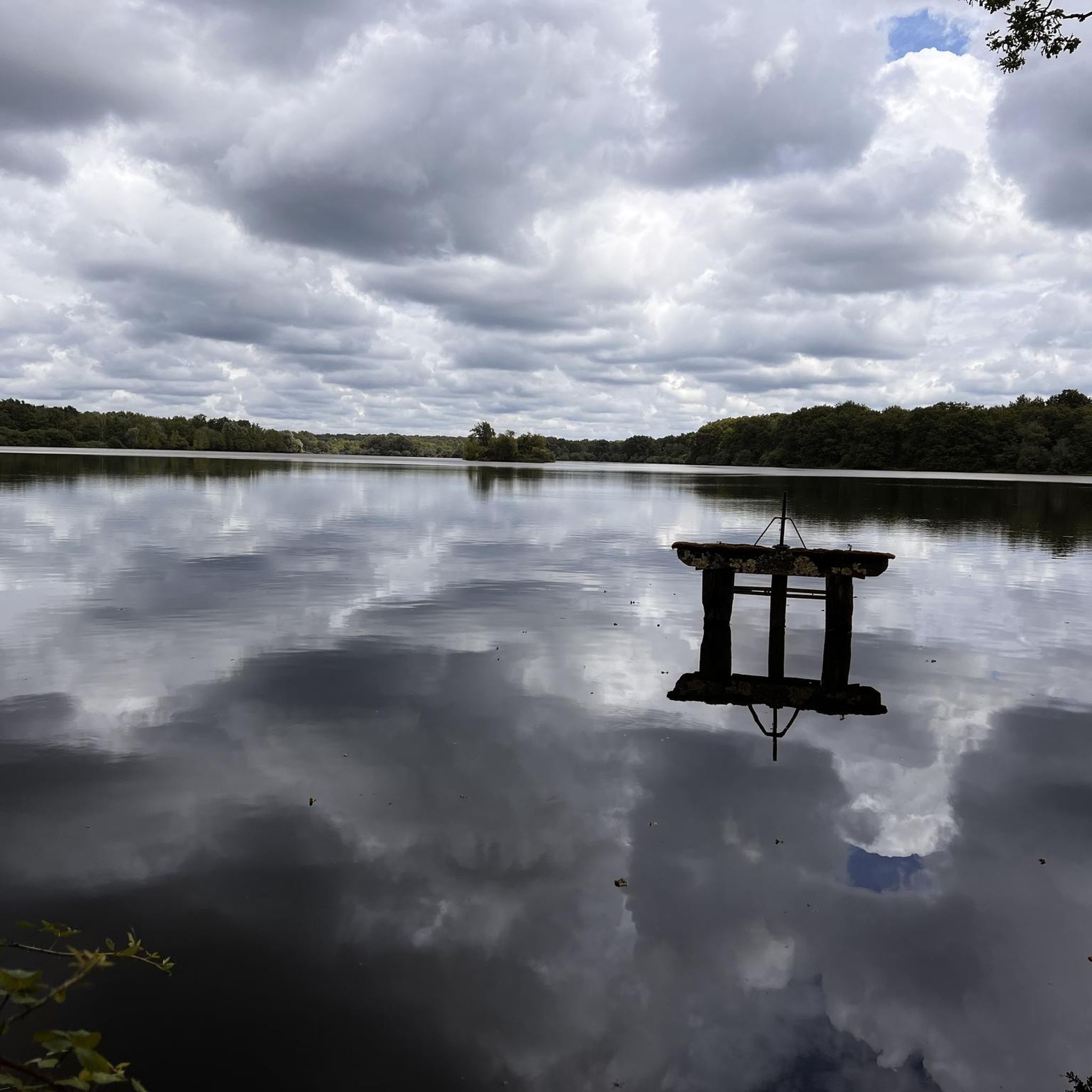
Or more precisely above the Sauldre a little before its confluence with the Cher
0
0


It is the largest Renaissance hunting lodge on the Loire. A visit is highly recommended. There is a paid parking lot. The park is 55 hectares in size. Chambord Castle impresses with its architecture, the beautifully furnished rooms and art. It is recommended to rent a Histopad for 6.5 euros. From the terrace you have great views of the landscaped garden and the extensive park.
1
0

Built in a Classical style, the Cherveny castle has belonged to the same family for more than six centuries, the Huraults, financiers and officers in the service of several kings of France. The current castle was built around 1625 by Henri, son of Philippe Hurault, and his wife Marguerite Gaillard de la Morinière. They launched the construction of the current castle and entrusted the execution of the work to the architect Jacques Bougier. He uses “Bourré stone”, a stone from the Cher valley which has the particularity of whitening and hardening as it ages. Sobriety and symmetry characterize the Château de Cheverny, a precursor of the French style which established itself under the reign of Louis XIV. The work is of such magnitude that it will not see the end of the project. Their daughter Elisabeth, Marquise de Montglas, completed the interior decoration which was entrusted to Jean Monier. During the following hundred and fifty years, the Château de Cheverny changed owners several times. In 1825, Anne Denis Hurault, Marquis de Vibraye, bought the property from her ancestors. The Château de Cheverny, which has always been inhabited, presents remarkably well-preserved pieces of furniture and interior fittings. The first floor apartments bear witness to the French art of living. An English-style park and gardens surround the Château de Cheverny. Visitors can discover the Jardin des Apprentis, a contemporary designed garden created in 2006 which was inspired by the found plans of an old French garden and the vegetable garden, designed by the Marquise de Vibraye, it combines the use original of different colored materials, vegetables and flowers. The Garden of Love, created in 2019, presents six monumental statues by Gudmar Olovson which reflect Love in all its forms. Cheverny constitutes a heritage of stones, land but also of tradition with venery or hunting with hounds. The Cheverny crew was founded in 1850 by the Marquis de Vibraye. Nowadays, in the Cheverny forest and neighboring forests, the crew harvests exclusively deer. Every day, from April to September 14, subject to reservations, at 11:30 a.m., visitors can attend the dog meal. The Château de Cheverny inspired the Château de Moulinsart to the Belgian comic book author, Hergé. The Domaine de Cheverny and the Hergé Foundation have joined forces to create and set up a permanent exhibition on the theme: the secrets of Moulinsart.
1
0
Frequently Asked Questions
How many road cycling routes are available around Lassay-Sur-Croisne?
There are nearly 100 road cycling routes around Lassay-Sur-Croisne, offering a wide range of options for different skill levels and preferences.
What is the typical length and duration of road cycling routes in this region?
Route lengths vary significantly. You'll find shorter, easy routes like the Church of Gy-en-Sologne – Romorantin Castle loop from Romorantin-Lanthenay, which is about 39 km (24.2 miles) and takes around 1 hour 38 minutes. Longer, more challenging routes, such as the Sologne Castles Loop: Romorantin to Chambord and Cheverny, can be over 130 km (80.8 miles) and take more than 5 hours.
Are there easy road cycling routes suitable for beginners or families?
Yes, approximately 40 of the routes are classified as easy. A great option for beginners or families is the Church of Gy-en-Sologne – Romorantin Castle loop from Romorantin-Lanthenay, which offers a gentle ride through the local countryside.
Are there challenging road cycling routes for experienced riders?
Yes, there are routes designed for experienced riders. The Sologne Castles Loop: Romorantin to Chambord and Cheverny is a difficult route spanning over 130 km with significant elevation gain, perfect for those seeking a challenge.
What is the best time of year for road cycling around Lassay-Sur-Croisne?
The Sologne region, with its flat to gently rolling terrain, is generally pleasant for road cycling from spring through autumn. Summer offers warm weather, while spring and autumn provide cooler temperatures and beautiful scenery, especially with the changing foliage.
Are there scenic road cycling routes that pass by historic sites or natural beauty?
Absolutely. Many routes traverse the Sologne region, known for its historic châteaux, charming villages, and river valleys. For example, the Sologne Castles Loop passes by several historic castles, offering a scenic backdrop for your ride. The Bridge Over the Cher – View over St Aignan loop from Rougeou leads through picturesque river valleys.
Are most road cycling routes in Lassay-Sur-Croisne circular?
Yes, many of the road cycling routes around Lassay-Sur-Croisne are designed as loops, allowing you to start and finish at the same point. This includes popular options like the Chémery Castle – Church of Gy-en-Sologne loop from Romorantin-Lanthenay and the Romorantin Castle loop from Romorantin-Lanthenay.
What do other road cyclists enjoy most about road cycling in Lassay-Sur-Croisne?
The area is highly rated by the komoot community, with an average score of 4.5 stars from nearly 20 reviews. Reviewers often praise the region's flat plains, scenic river valleys, and the charm of its historic villages, making for enjoyable and varied rides.
Are there road cycling routes with opportunities for cafe stops or village exploration?
Given the region's characteristic charming villages and historic châteaux, many routes will naturally pass through or near towns where you can find cafes and places to rest. Planning your route with komoot allows you to identify these points of interest along the way.
What kind of terrain can I expect on road cycling routes in Lassay-Sur-Croisne?
The Sologne region is characterized by flat to gently rolling terrain. You can expect a mix of agricultural fields, dense woodlands, and river valleys, particularly around the Cher River. This makes for generally smooth and enjoyable road cycling.
What should I wear for road biking in Lassay-Sur-Croisne in autumn?
In autumn, temperatures can vary. It's advisable to wear layers, including a long-sleeved base layer, a cycling jersey, and a windproof or light waterproof jacket. Cycling gloves and leg warmers or tights can also be beneficial for cooler mornings or evenings.
Most popular routes around Lassay-Sur-Croisne

Get inspired with the komoot mobile app


Explore more
Browse the best Road cycling routes in other regions.
