Attractions and Places To See around Saint-Nicolas-De-Sommaire - Top 9
Best attractions and places to see around Saint-Nicolas-De-Sommaire include a variety of historical sites, castles, and natural landscapes. This region in Normandy offers opportunities for exploration, with several family friendly activities available. Visitors can discover ancient ruins, impressive châteaux, and serene forests, making it a destination for those interested in history and the outdoors.
Best attractions and places to see around Saint-Nicolas-De-Sommaire
- The most popular attraction is Abbaye de Saint-Evroult, a historical site featuring the ruins of a 7th-century…
Last updated: May 17, 2026
Abbaye de Saint-Evroult
Highlight • Historical Site
Translated by Google •
Tip by

Sollerot lighthouse
Highlight • Other
Translated by Google •
Tip by

Sign up now to discover places like this
Get recommendations on the best single tracks, peaks, & plenty of other exciting outdoor places.
Sign up for free
Château de La Ferté-Frênel
Highlight • Castle
Translated by Google •
Tip by
Forêt Domaniale d'Evroult Notre Dame
Highlight • Forest
Translated by Google •
Tip by
Saint Peter's Church
Highlight • Other
Translated by Google •
Tip by

Sign up for free to discover even more attractions around Saint-Nicolas-De-Sommaire.
Sign up for free
Already have an account?
Start today with a free account
Your next adventure awaits.
Login or Signup



Tips from the Community

The church of Chéronvilliers has been listed as a historical monument since April 24, 1953. The protection covers the entire building (interior and exterior). This building contributes to the beauty of the Eure landscapes and the richness of France's heritage. Over the centuries, the buildings, which have been grafted or agglomerated in the surrounding area, have been built within the framework of a social structure: the parish. These buildings constitute references in terms of local architecture, because they are often made with local materials: tiles or slates (from the 19th century), stones (flint, Grison, Seine Valley, sandstone, etc.), bricks or cob, lime plaster and nearby sand or earth. This gives colors that often range from beige to brown or red, and volumes perfectly suited to the Normandy climate (roof slopes, etc.). These churches have been the subject of specific analysis work because their surroundings are not completely urbanized. The empty spaces or breathing spaces located nearby help to preserve their setting. The site of the church is very interesting because, located in a very diffuse urban fabric, it opens onto the agricultural plots and offers beautiful views, particularly from the RD 21 to the south. These spaces must be preserved.
0
0

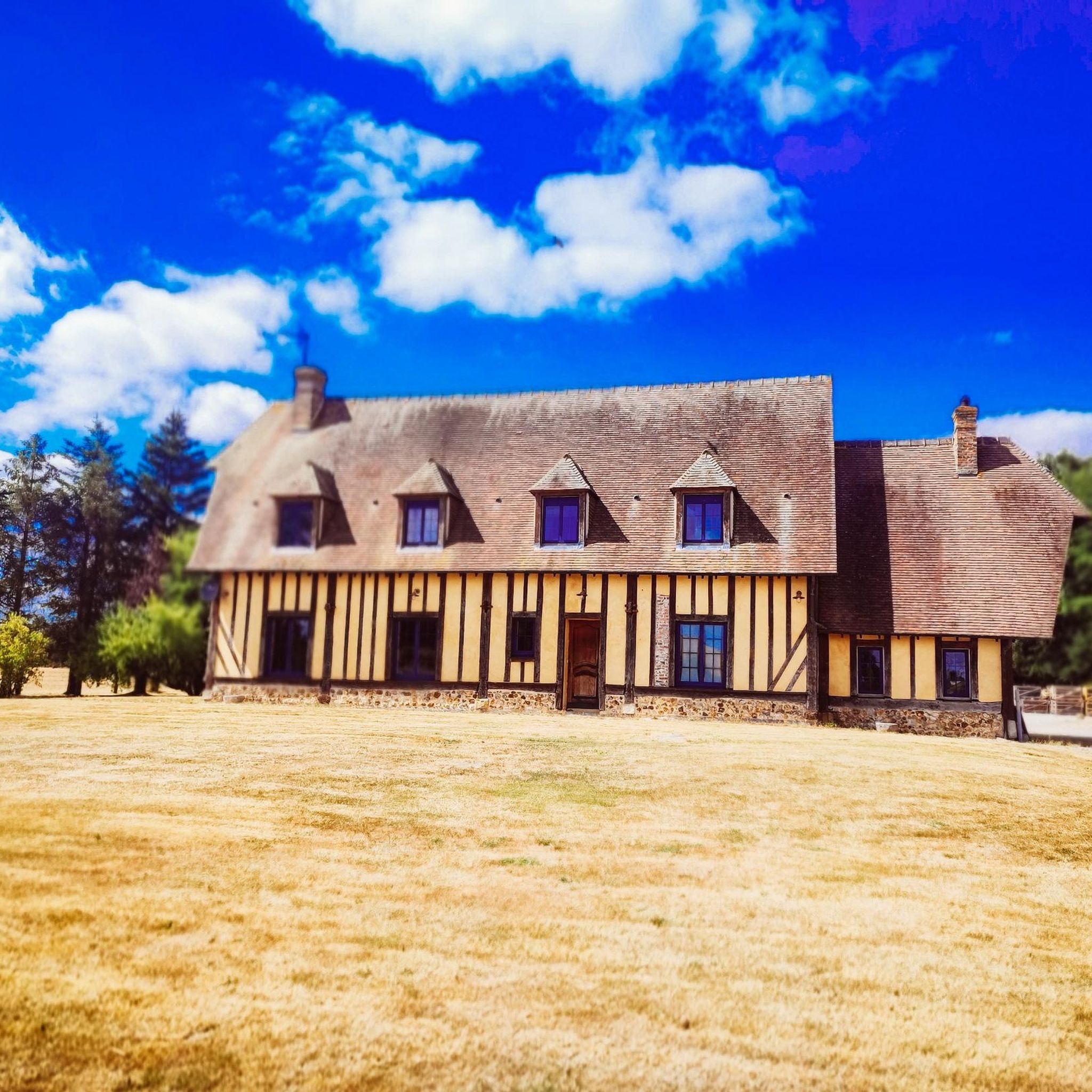
Magnificent large building right on the water's edge!
0
0

Ruins of an ancient Benedictine abbey, founded in the 6th century by Saint Évroult, a nobleman who became a monk. Saint-Évroult Abbey was a center of learning and culture in the Middle Ages, but it was destroyed during the French Revolution. You can still admire the remains of the Gothic church, the cloister and the abbot's house, as well as the view of the pond and the forest. The abbey also has an interpretation center which tells its history and presents some archaeological discoveries, such as a beautiful 12th century rose window. You can also spend the night in the gîte set up in the abbot's former home. Saint-Évroult Abbey is a place where you can immerse yourself in the past and appreciate the beauty of nature.
2
0
Château de La Ferté-Fresnel is a 19th century castle built on the site of an ancient medieval fortress and boasting a magnificent park designed by the famous landscape architects Henri and Achille Duchêne. You can explore the opulent interiors of the castle, admire the paintings and sculptures, and enjoy views of the lake and gardens. The castle also hosts various cultural events throughout the year, such as theater, music, dance and singing performances.
2
0

The Church of Saint-Pierre is a Catholic church located in Chéronvilliers, in the department of Eure, and the region of Normandy.
0
1
A very attractive village with its twisted chimneys and the Sollerot lighthouse located in Saint-Ouen-sur-Ton.
0
0
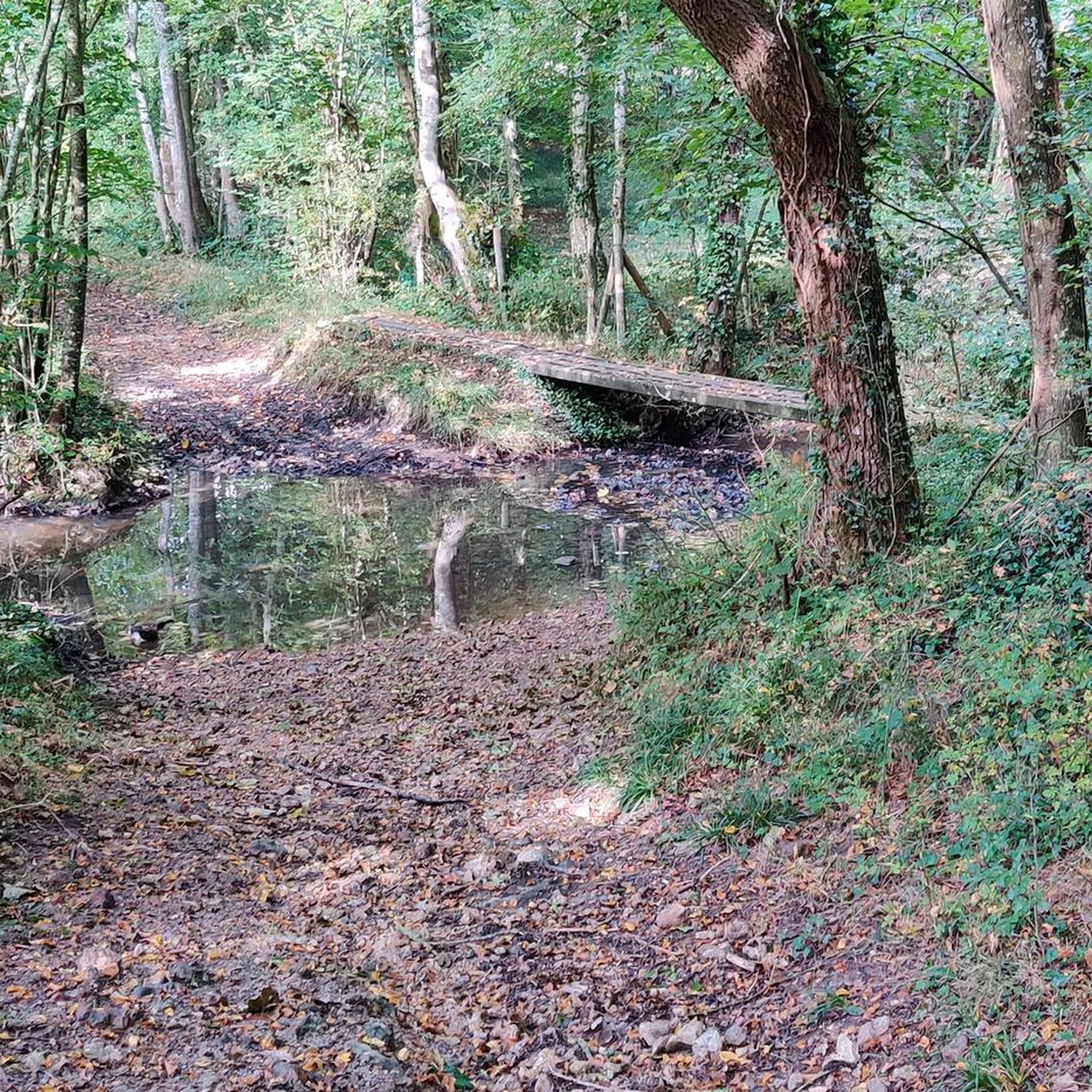
The national forest of Saint-Évroult extends over approximately 700 hectares. It once belonged to the abbey of the same name, but is now available for you to run around and soak up the greenery of the forest.
2
0
The national forest of Saint-Évroult extends over approximately 700 hectares. It once belonged to the abbey of the same name, but is now available to you.
2
0
Frequently Asked Questions
Are there family-friendly attractions around Saint-Nicolas-De-Sommaire?
Yes, several attractions are suitable for families. You can explore the ruins of Abbaye de Saint-Evroult, visit the grand Château de La Ferté-Frênel with its gardens, or enjoy nature walks in the Forêt Domaniale d'Evroult Notre Dame. The ancient Menhir de Gargantua also offers an interesting historical stop for all ages.
What historical sites can I visit in the area?
Saint-Nicolas-De-Sommaire is rich in history. The most prominent historical site is the Abbaye de Saint-Evroult, a 7th-century Benedictine abbey with impressive 13th-century Gothic ruins. You can also visit the Château de La Ferté-Frênel, a 19th-century castle built on an ancient medieval fortress, and the Neolithic Menhir de Gargantua.
What kind of outdoor activities can I do near these attractions?
The region offers various outdoor activities. You can find numerous routes for hiking, running, and mountain biking. For example, there are several hiking trails through the Forêt Domaniale d'Evroult Notre Dame and around the Abbaye de Saint-Evroult. You can explore more options on the dedicated guides for Hiking, Running, and MTB Trails around Saint-Nicolas-De-Sommaire.
Are there easy walks or trails suitable for all fitness levels?
Yes, there are easy walking options. The Forêt Domaniale d'Evroult Notre Dame offers gentle paths, and you can find easy hiking routes like the 1.3 km loop from Saint-Evroult-Notre-Dame-du-Bois. For more options, check the Hiking around Saint-Nicolas-De-Sommaire guide.
What natural features can I explore?
The region boasts beautiful natural landscapes. The Forêt Domaniale d'Evroult Notre Dame is a vast 700-hectare forest perfect for immersing yourself in greenery. The Abbaye de Saint-Evroult is set against a backdrop of a pond and forest, offering serene views. Additionally, the Menhir de Gargantua is located near the Risle river, adding to the natural charm.
Are there any unique or hidden gems to discover?
Beyond the main attractions, you might find the Sollerot lighthouse in Saint-Ouen-sur-Ton to be a unique discovery. This 14-meter column once provided public lighting to the town center with acetylene lamps, a fascinating piece of local history and engineering.
What is the best time to visit Saint-Nicolas-De-Sommaire attractions?
The best time to visit is generally during spring (April to June) and autumn (September to October) when the weather is mild and pleasant for exploring historical sites and enjoying outdoor activities. Summer (July and August) is also popular, though it can be warmer. Winter offers a quieter experience, especially for forest walks, but some attractions might have reduced hours.
Can I find circular walks or trails in the area?
Yes, there are several circular routes available. For instance, the 'The Domaniale Forest of Evroult Notre Dame and the Abbey of Saint-Evroult — loop' is a moderate 11 km hike. You can find more circular options for hiking, running, and mountain biking in the respective komoot guides for the region.
What do visitors enjoy most about the attractions around Saint-Nicolas-De-Sommaire?
Visitors particularly appreciate the historical depth and natural beauty of the area. The poetic ruins of Abbaye de Saint-Evroult, with its tranquil setting by a pond and forest, are often highlighted. The opulent interiors and magnificent park of Château de La Ferté-Frênel also receive high praise, as does the opportunity to immerse oneself in the greenery of the Forêt Domaniale d'Evroult Notre Dame.
Are there any attractions related to ancient history or prehistory?
Yes, for those interested in ancient history, the Menhir de Gargantua is a significant site. This Neolithic menhir, also known as 'the tooth of Gargantua,' offers a glimpse into the region's prehistoric past.
What are the typical trail lengths for outdoor activities?
Trail lengths vary depending on the activity and route. For hiking, you can find easy loops as short as 1.3 km, up to moderate trails around 11 km. Running routes range from 5 km to nearly 14 km, while mountain biking trails can be much longer, with some difficult routes exceeding 75 km. Details for specific routes are available in the Hiking, Running, and MTB Trails guides.
Most popular routes around Saint-Nicolas-De-Sommaire

Get inspired with the komoot mobile app


Explore more
Still not found the Highlight you’re looking for? See guides of the top attractions in other regions:
