Attractions and Places To See around Lay-Lamidou - Top 8
Best attractions and places to see around Lay-Lamidou include a blend of historical sites, religious architecture, and natural features within the Pyrénées-Atlantiques department of France. The village is situated in a region offering diverse experiences, from ancient fortifications to significant churches. Visitors can explore the area's cultural heritage and natural landscapes.
Best attractions and places to see around Lay-Lamidou
- The most popular attractions is Navarrenx, a fortified town known for its 16th-century ramparts. These defenses were built a century…
Last updated: May 11, 2026
Navarrenx
Highlight • Other
Translated by Google •
Tip by

Église paroissiale Saint-Jean-Baptiste
Highlight • Other
Translated by Google •
Tip by

Sign up now to discover places like this
Get recommendations on the best single tracks, peaks, & plenty of other exciting outdoor places.
Sign up for free
Navarrenx
Highlight • Settlement
Showing Translation
Tip by

Saint-Germain-d'Auxerre Church
Highlight • Religious Site
Translated by Google •
Tip by

Saint-Girons de Monein Church
Highlight • Religious Site
Showing Translation
Tip by

Sign up for free to discover even more attractions around Lay-Lamidou.
Sign up for free
Already have an account?
Start today with a free account
Your next adventure awaits.
Login or Signup

Tips from the Community

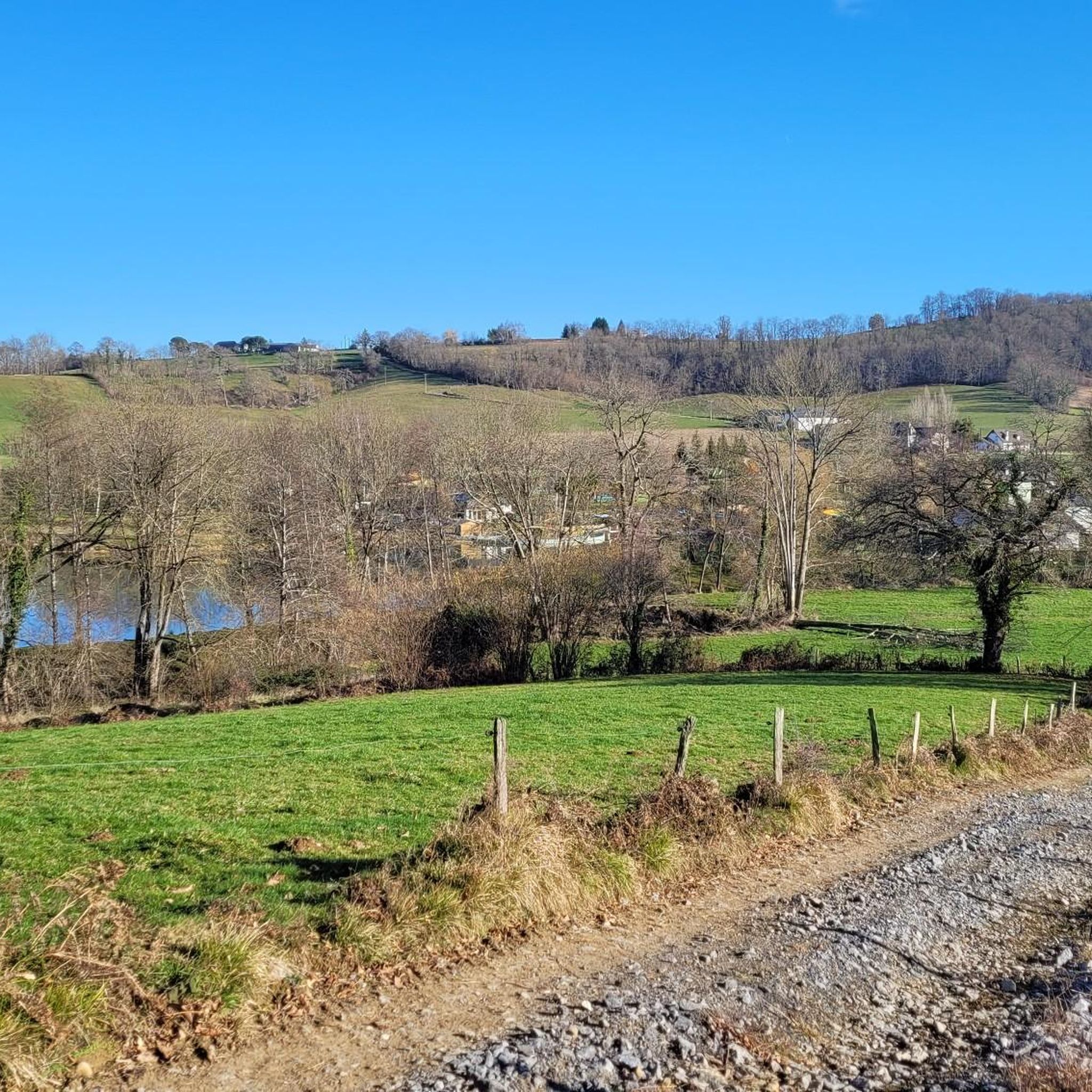
In the heart of Béarn and the Jurançon vineyards, the pretty village of Monein hosts the Saint-Girons church, classified as a historic monument. It is the most important Gothic church in Béarn.
0
0

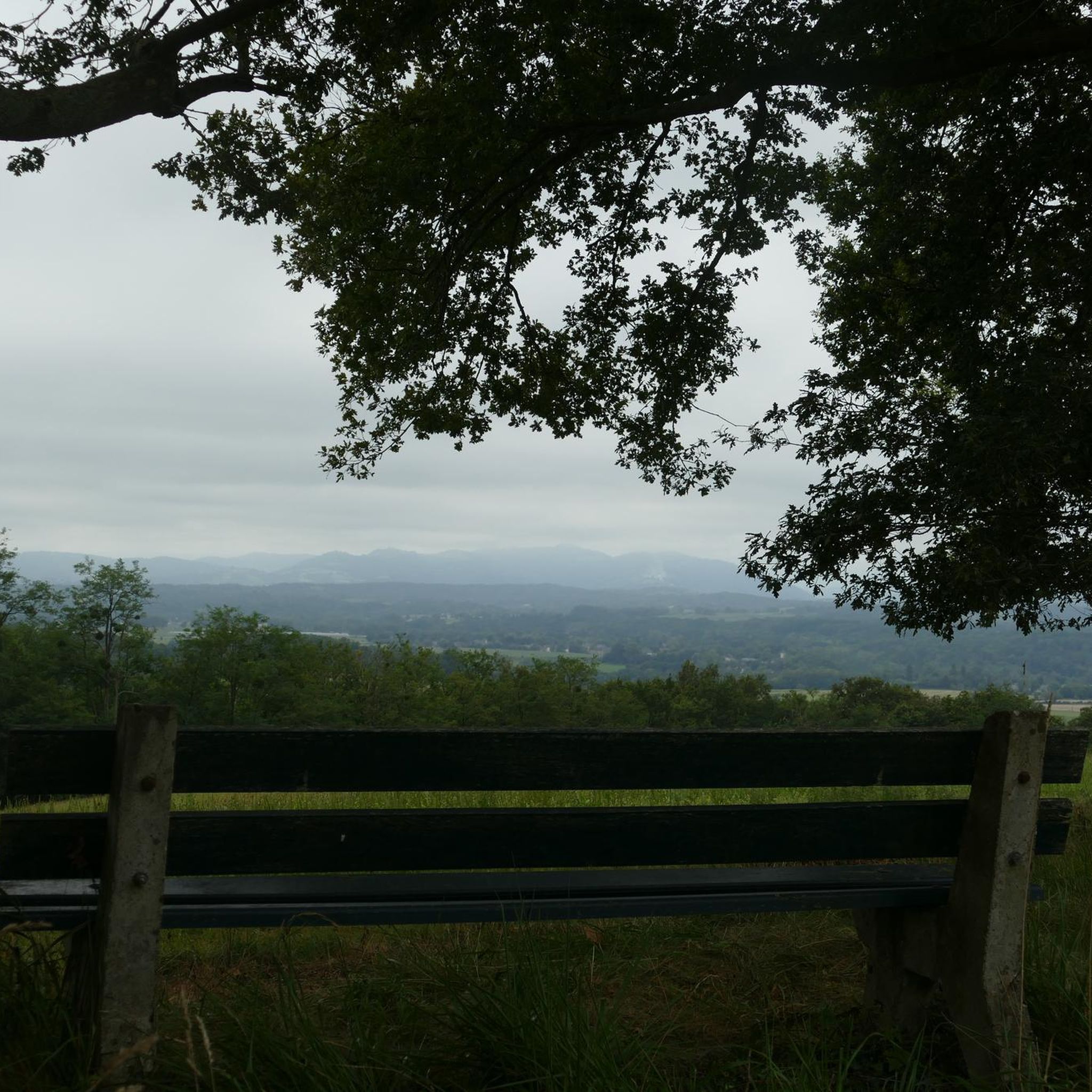
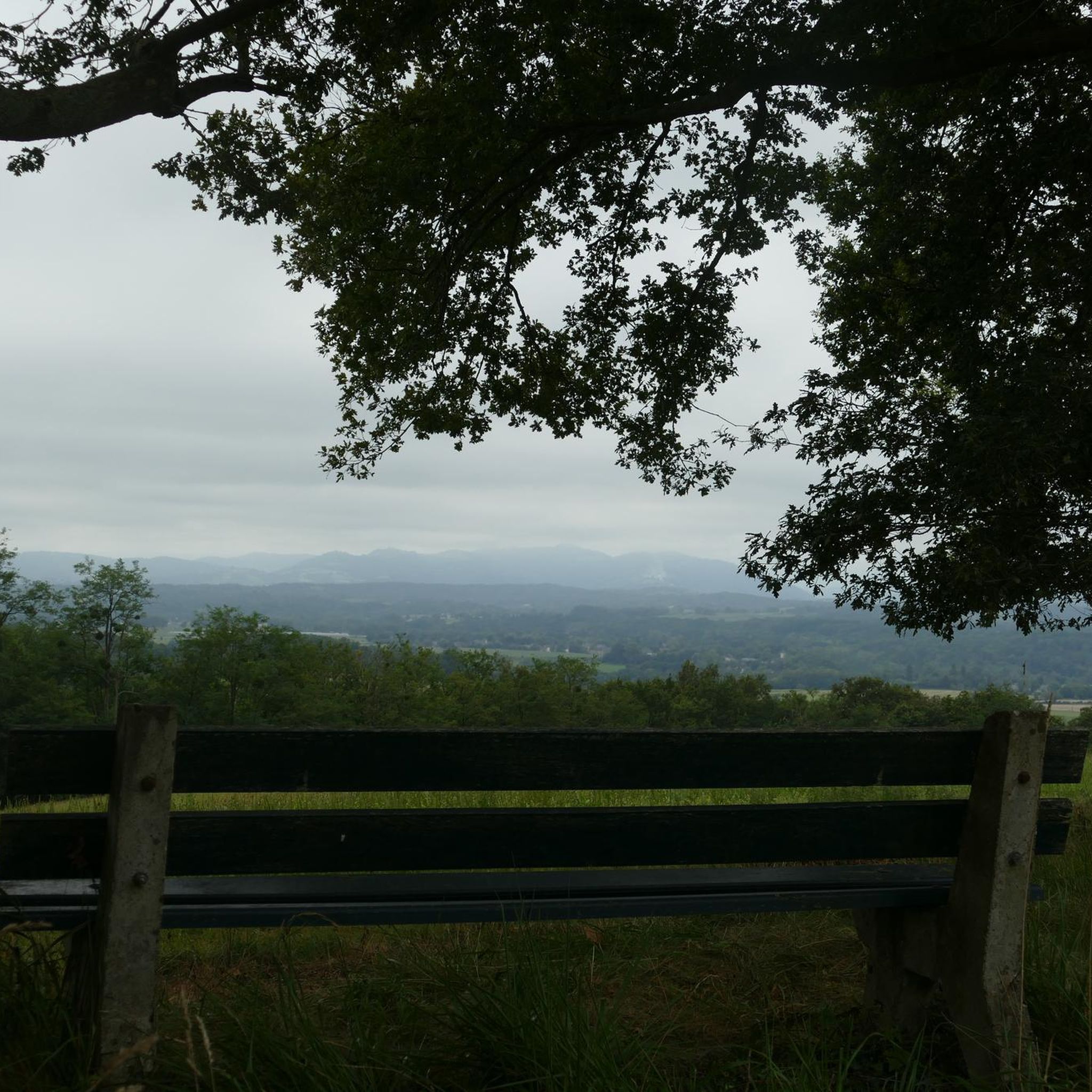
With the patronage of "John the Baptist," this parish has chosen a saint who is considered a forerunner of Jesus Christ. In Christian theology, he is the voice of one crying in the wilderness prophesied in the Old Testament book of Isaiah: "A voice calls out: 'In the wilderness, prepare the way of the Lord; make straight in the desert a highway for our God!'" (Lutheran Bible). John is the son of Zechariah and Elizabeth, who was visited by the Blessed Virgin Mary when she learned from the Archangel Gabriel that she herself would give birth to Jesus Christ, and her—until then childless—relative was still pregnant in old age. The feast day of Saint John the Baptist in the calendar of saints is June 24.
6
0

The beautiful, large church, restored in the early 1990s, was built in the mid-16th century. It once served as a Protestant temple until it regained its Catholic vocation in the first half of the 17th century.
5
0

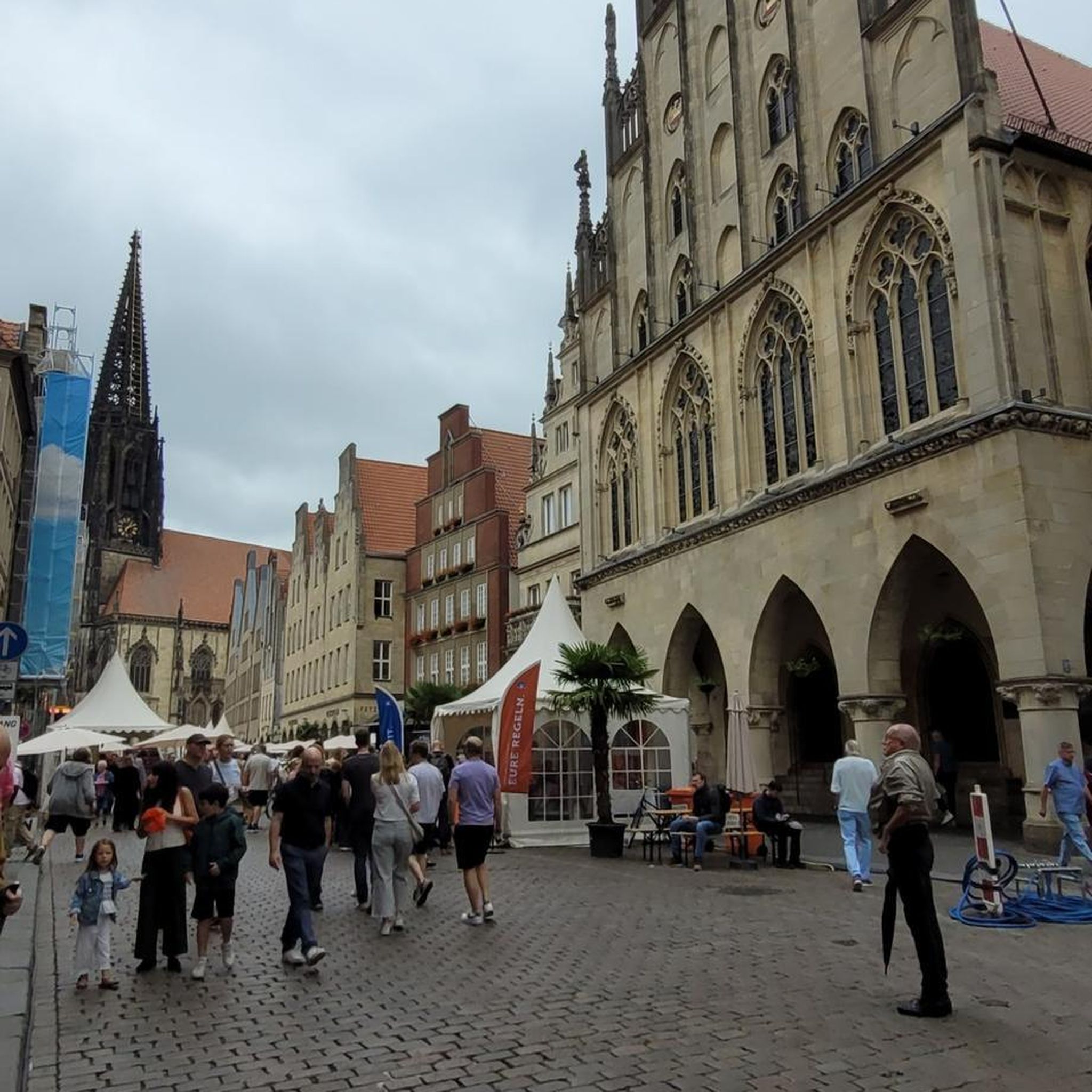
Classed among the Most Beautiful Villages in France, Navarrenx reveals remarkable heritage. This medieval fortified town has the distinction of being one of the first fortified towns in France. It has an austere and military side and features classical-style buildings.
2
0

Once again we have reached a milestone on the "Via Podiensis", our pilgrimage route to St. James (Chemin de Saint Jacques) through France; and here too, in the village of Navarrenx, our small group of pilgrims is charmed by the beautiful atmosphere of the place. But we still have to move on the next morning ... still the (comparatively short) way to Saint-Jean Pied-de-Port, and then - after crossing the Pyrenees - further on the "Camino Frances" through the north of Spain to the Tomb of the Apostle in Santiago de Compostela, Galicia.
4
0

Navarrenx is very worth seeing. At the beginning of the 14th century, Navarrenx was converted into a bastide. In the 16th century it was redesigned by the King of Navarre based on the model of the Tuscan city of Lucca. The floor plan is in the shape of a turtle. The wall wall, the bridge Porte St-Antoine, the powder tower and the central square are impressive.
10
0

FROM THE RAMPARTS TO LA VAUBAN ... a century before Vauban! Navarrenx, or in Latin Sponda Navarensi, meaning the border of Navarre… It was obvious that this city would arouse the envy of many neighbors and others further afield. Henry II of Albret will even compare himself to "a louse quarreled by two monkeys" when referring to the two Kings of France and Spain peeping over his land. Bastide from the 14th century, it was not until the reign of Henri II d'Albret, grandfather of King Henri IV, to see the construction of its impressive ramparts begin in 1538. 10 years of construction, 1.7 km long, 10 meters high, reputed to be impenetrable and revolutionary, don't these walls and their plan remind you of someone, a famous military architect for example…. Vauban will you tell us? Well little scoop, here in Navarrenx, we are pioneers. These Vauban-style ramparts were thus built a century before him! It is therefore to Fabricio Siciliano, an Italian architect, that Navarrenx owes its fame. Source: https://www.tourisme-bearn-gaves.com/
6
0
Frequently Asked Questions
What historical sites can I explore around Lay-Lamidou?
The region is rich in history. You can visit the ancient fortified town of Navarrenx, known for its impressive 16th-century ramparts built a century before Vauban. Another significant historical site is the Church of L'Hôpital-Saint-Blaise, a 12th-century foundation on the Way of Saint James. Don't miss the Saint-Germain-d'Auxerre Church, which served as a Protestant temple before becoming Catholic. Further afield, the Turon des Maures offers a glimpse into ancient fortified earthworks, and the Gurs Internment Camp provides a somber reflection on the past.
Are there any notable religious buildings to visit near Lay-Lamidou?
Yes, several significant religious sites are in the vicinity. The Church of L'Hôpital-Saint-Blaise is a 12th-century historical monument on the Way of Saint James. You can also explore the Saint-Germain-d'Auxerre Church, a 16th-century building with a unique history, and the Église paroissiale Saint-Jean-Baptiste. The Eglise Saint-Pierre in Lay, a 16th-century church, is also located on an ancient route of the Camino de Santiago.
What natural attractions are there for outdoor enthusiasts?
The area around Lay-Lamidou boasts stunning natural beauty. You can immerse yourself in the plain forest populated with 150-year-old pedunculate oaks, where guided walks are available. For more dramatic landscapes, consider visiting the Gorges de Kakouetta & Gorges d'Holzarté, the Cirque de Saint-Engrace, or the picturesque Vallée d'Aspe & Vallée d'Ossau. The Forêt d'Iraty and Col d'Aubisque also offer breathtaking scenery.
What kind of outdoor activities can I do around Lay-Lamidou?
The region is excellent for outdoor activities. You can find numerous routes for running, cycling, and road cycling. For running, explore moderate loops like the 'Running loop from Dognen' or 'Running loop from Gurs'. Cyclists can enjoy routes such as the 'Beautiful path – Lindt Factory Store loop from Gurs' or the 'Navarrenx – Maison de la Principauté loop from Gurs'. Road cyclists have options like the 'Préchacq bridge loop from Lay-Lamidou'. You can find more details and routes on the respective guide pages: Running Trails around Lay-Lamidou, Cycling around Lay-Lamidou, and Road Cycling Routes around Lay-Lamidou.
Are there family-friendly attractions or activities in the area?
Yes, families have several options. The Church of L'Hôpital-Saint-Blaise is noted as family-friendly. For a fun day out, consider Le Château des Enigmes (Laàs), a 'Château of Riddles' offering an engaging experience, or Aqua Béarn (Goès) for a water park experience. The guided walks through the Forest of Remarkable Oaks can also be an instructive and immersive experience for all ages.
What are some interesting towns or villages to visit nearby?
Just 5 kilometers from Lay-Lamidou, Navarrenx is a highly recommended fortified town with a charming atmosphere and a Wednesday market. Oloron-Sainte-Marie, about 14 kilometers away, hosts a Friday market and features the Public Garden and the 12th-century Romanesque Church Sainte-Croix. Sauveterre-de-Béarn offers scenic views, and Salies-de-Béarn is a pleasant town to explore.
Where can I experience local markets around Lay-Lamidou?
Several nearby towns host vibrant markets. You can visit Navarrenx for its Wednesday market. Oloron-Sainte-Marie has a market on Fridays. Other market days include Monein (Monday), Mourenx (Wednesday & Saturday), Orthez (Tuesday), and Saint-Palais (Friday), offering a chance to discover local produce and crafts.
What do visitors enjoy most about the attractions around Lay-Lamidou?
Visitors particularly appreciate the rich historical atmosphere of places like Navarrenx, with its impressive ramparts and its significance on the pilgrimage route. The blend of historical sites, religious architecture, and natural landscapes is highly valued, offering diverse experiences from ancient fortifications to significant churches and scenic routes. The komoot community has shared over 60 photos and given more than 60 upvotes to the attractions in the area.
Are there any specific walking or hiking paths recommended?
Beyond the general outdoor activities, a notable path is the Beautiful path, which is described as a rolling path that dries quickly, making it rarely muddy. It provides a lovely connection between Oloron and Verdets. The region's natural features, such as the Forest of Remarkable Oaks, also offer opportunities for immersive walks.
Can I find any unique historical fortifications in the region?
Absolutely. The most prominent is the fortified town of Navarrenx, famous for its 16th-century ramparts that were built a century before Vauban. Additionally, the Turon des Maures, an ancient, oval-shaped fortified earthwork on a hilltop, is considered the largest of its kind in the Southwest, offering a fascinating glimpse into early defensive structures.
What is the best time to visit Lay-Lamidou for outdoor activities?
The region's natural beauty and outdoor activity options are enjoyable throughout much of the year. For hiking and cycling, spring and autumn generally offer pleasant temperatures and less crowded trails. Summer is ideal for water-based activities or exploring the gorges, though it can be warmer. Winter offers opportunities for skiing at nearby resorts like La Pierre Saint Martin.
Are there any attractions related to the Camino de Santiago?
Yes, the region has strong ties to the Camino de Santiago. The Church of L'Hôpital-Saint-Blaise is a significant 12th-century foundation located directly on the Way of Saint James. The Eglise Saint-Pierre in Lay is also situated on an ancient route of the Camino, making the area a point of interest for pilgrims and those interested in the historical routes.

Get inspired with the komoot mobile app


Explore more
Still not found the Highlight you’re looking for? See guides of the top attractions in other regions:
