The best cycling routes around Mortefontaine
4.5
(458)
2,143
riders
254
rides
Touring cycling around Mortefontaine is characterized by its integration within the Parc Naturel Régional Oise-Pays de France. The region features extensive state-owned forests, rolling valleys with tree-covered hillsides, and expansive plains. Routes often follow rivers like the Nonette, connecting historical towns and showcasing countryside heritage. This landscape provides diverse cycling experiences, from gentle ascents to open, flowing routes.
Best touring cycling routes around Mortefontaine
- The most popular touring cycling route is Château de Mortefontaine – Saint-Witz bypass loop from Mortefontaine…
Last updated: July 2, 2026
4.0
(1)
11
riders
20.7km
01:46
170m
170m
Moderate bike ride. Good fitness required. Mostly paved surfaces. Suitable for all skill levels.
4.0
(1)
8
riders
22.1km
01:47
180m
180m
Moderate bike ride. Good fitness required. Mostly paved surfaces. Suitable for all skill levels.

Sign up for free
4.3
(3)
7
riders
18.7km
01:08
130m
130m
Easy bike ride. Great for any fitness level. Mostly paved surfaces. Suitable for all skill levels.
9
riders
14.0km
01:04
90m
90m
Easy bike ride. Great for any fitness level. Mostly paved surfaces. Suitable for all skill levels.
7
riders
13.1km
00:50
140m
140m
Easy bike ride. Great for any fitness level. Mostly paved surfaces. Suitable for all skill levels.
Get access to more routes and recommendations from other explorers.
Sign up for free
Already have an account?
Our route recommendations are based on thousands of hikes, rides, and runs completed by other people on komoot.
Start today with a free account
Your next adventure awaits.
Login or Signup
Tips from the Community


The Saint-Martin Church in Survilliers has been listed as a historic monument since 1945. Built between approximately 1480 and 1550, it dates from the Gothic and early Renaissance periods. "The architects did not seek elegance and refinement, but paid greater attention to the solidity and coherence of the whole, and they demonstrated a keen sense of harmony and proportion." Major renovation work took place between 1976 and 2007, and it is still in good condition. The various municipalities have always been committed to preserving this cultural and religious heritage.
0
0

View to the West, ideal for sunsets
0
0

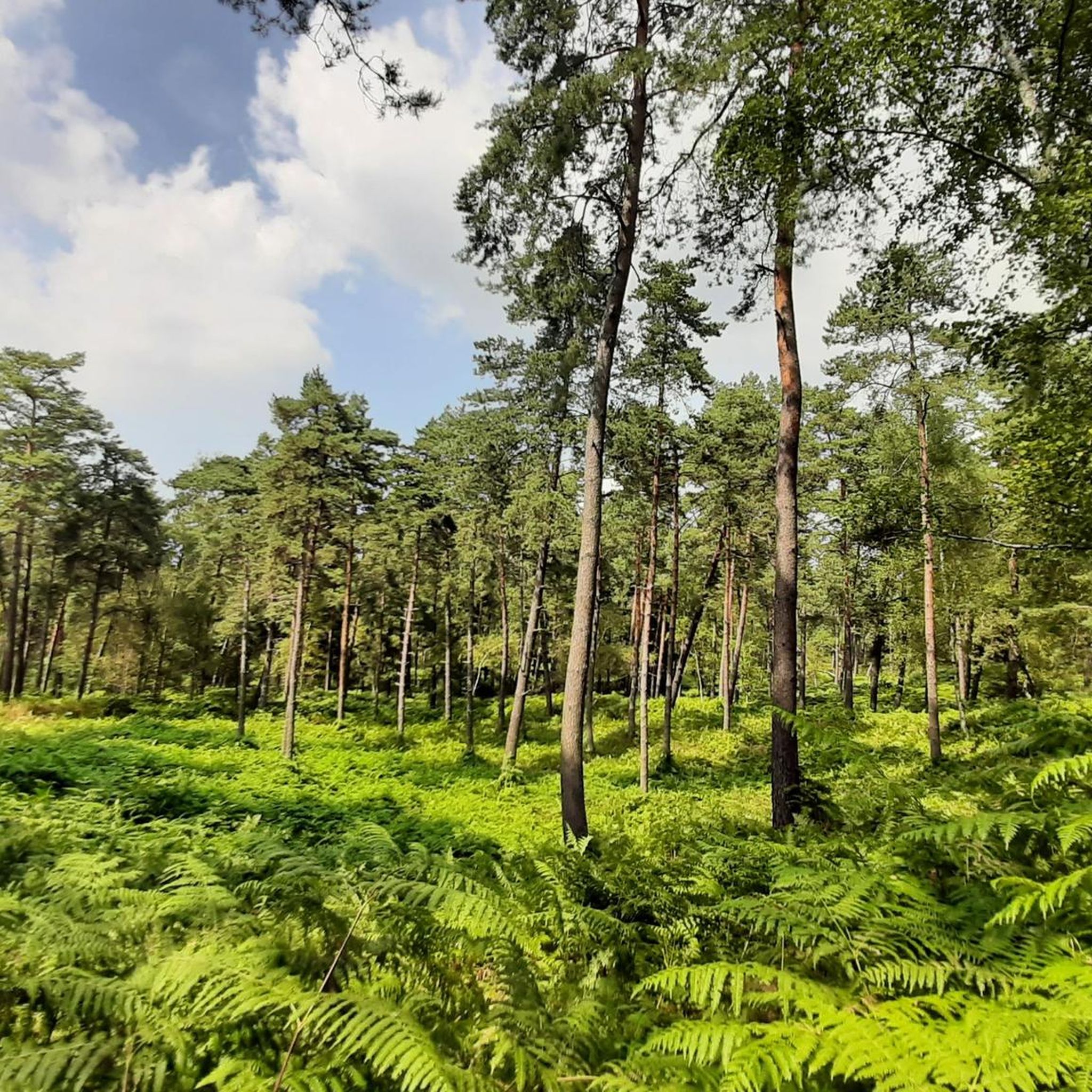
Nice path at the exit of Vémars, with a short steep climb halfway through. You can then either go down towards Moussy-le-Neuf, or go towards the forest of Ermenonville.
0
0
Pleasant cycle path along the ponds. It avoids the village and the departmental road.
0
0
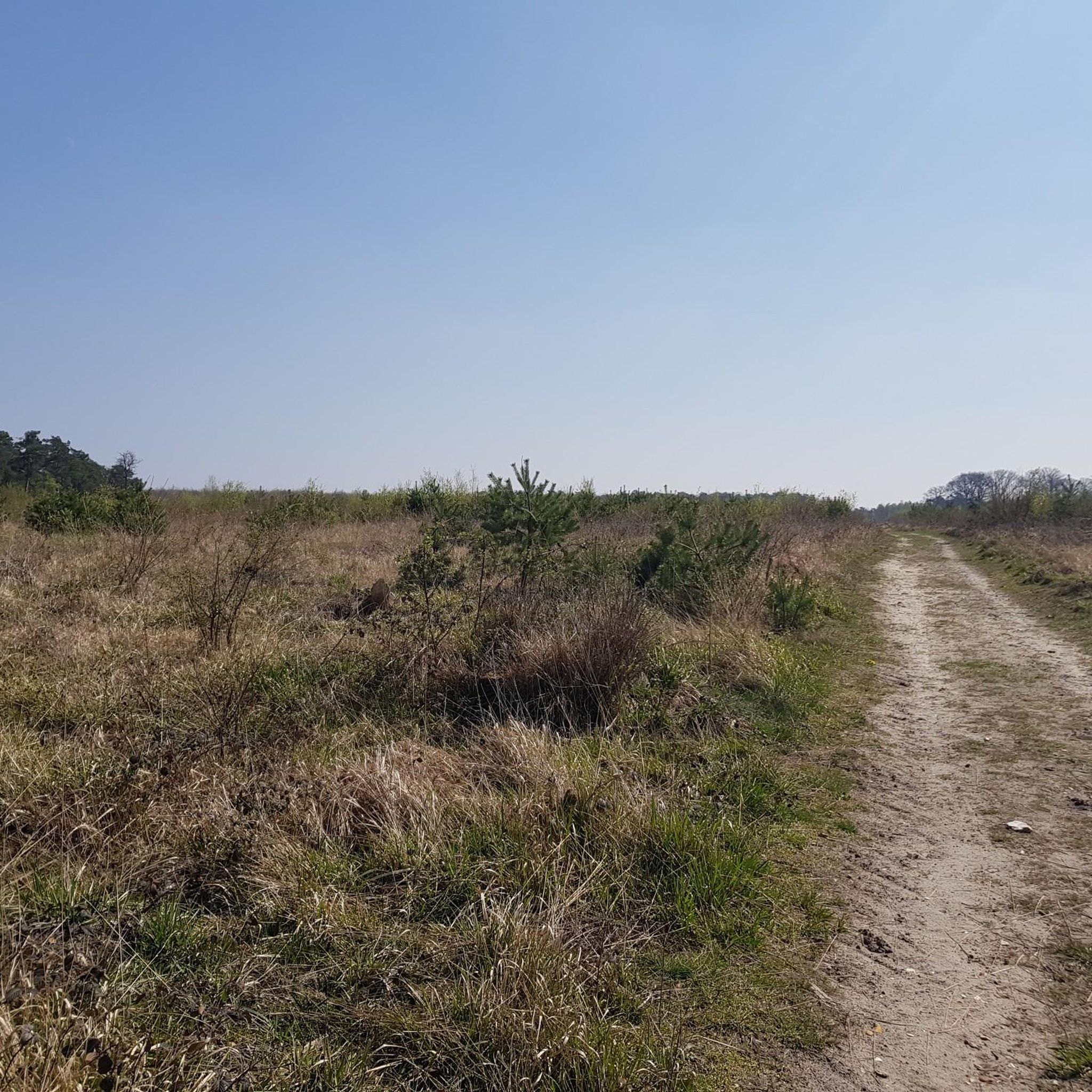
An ultra peaceful and beautiful little path
0
0

Moussy-le-Neuf is a commune in the French department of Seine-et-Marne (region Île-de-France) and has 2392 inhabitants (2005). The place is part of the arrondissement of Meaux. The village square is quite cozy with the town hall, the church, the hall. Heritage does not always date back several centuries. Far from there. Just look at the public facilities that have flourished in recent decades and are mainly used by our youth: school, recreation center, sports or culture halls. The town of Moussy le Neuf can be proud of its modern built heritage, just like the old one, as it is regularly maintained and moreover used by many users. However, it is a building that deserves special attention. This is the hall built between the town hall and the church in 2012 and inaugurated in December of the same year.
2
0
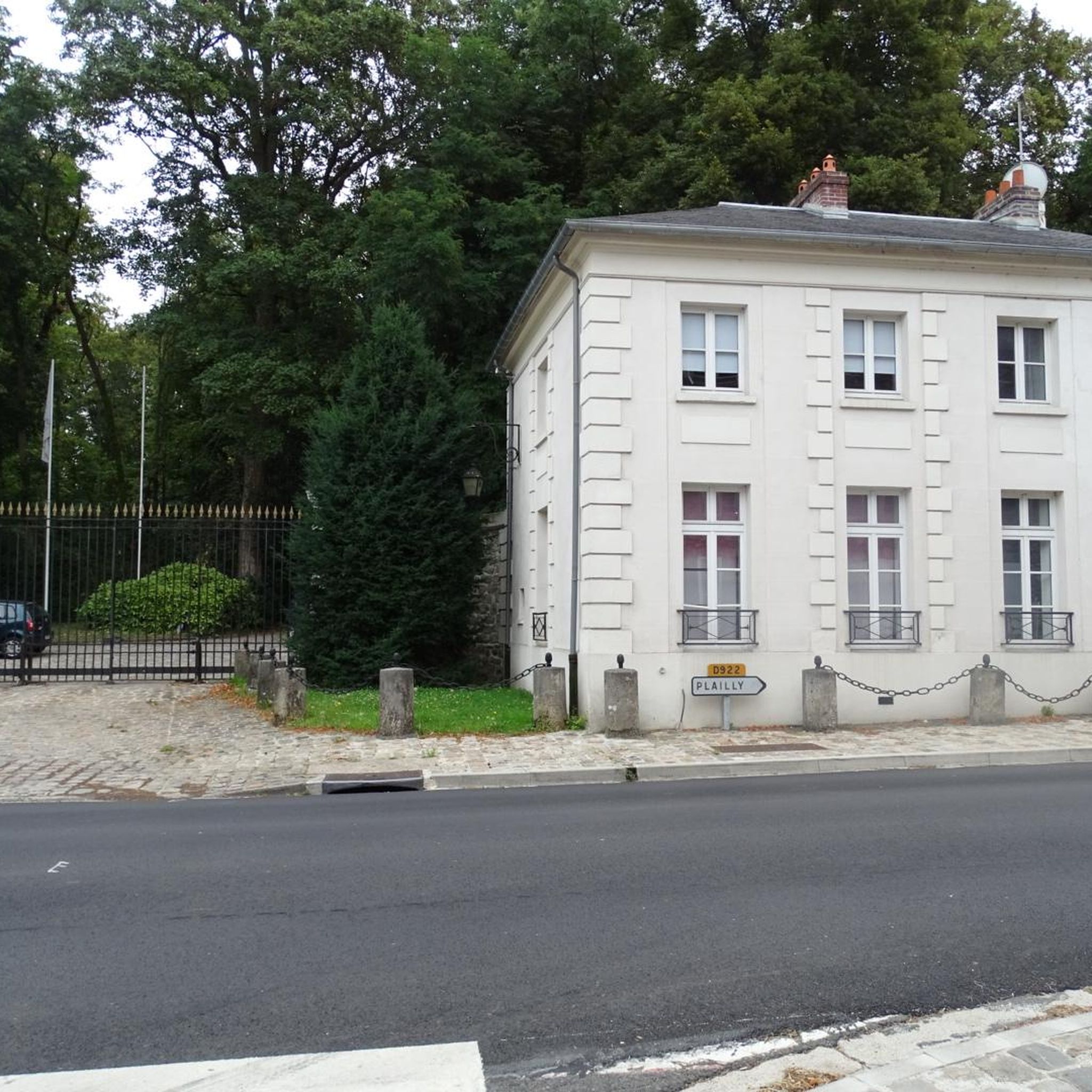
Het Kasteel van Mortefontaine (Frans: Castle of Mortefontaine) is een kasteel in de Franse gemeente Mortefontaine. Het kasteel is een beschermd historisch monument sinds 2004. Het kasteel is echter niet direct te bezoeken. The Chateau de Mortefontaine is a 17th century French chateau located in Mortefontaine, in the Oise department and the Hauts-de-France region. Built during the period between 1600 and 1630 for the lord of Plailly-Montmélian, Philippe Hotman, it became the power center of the Marquisate of Plailly-Montmélian, erected in 1654, whose administrative headquarters remained in Plailly. The castle is best known for having been the country residence of Joseph Bonaparte from 1798 to 1814, which makes it a high place of social life. Today it is a private residence, which has lost its splendor after having served as a school between 1949 and 1958, then as a luxury hotel from 1987. Of the English-style park designed in 1770, nothing remains significant on this part of the domain. In the central Middle Ages, the châtellenie of Montmélian, on which Mortefontaine depends, belonged to the crown, until King Philippe-Auguste gave it in exchange for the seigniory of Vernon to Richard de Vernon and his son Richard. A large part of the land belongs to the Bouteiller de Senlis family. Richard II of Vernon has no male descendants. His daughter Marie married the knight Guillaume Calletot, who decided to give all his possessions in the country of France to the abbey of Saint-Denis in 1283. Mortefontaine therefore had two lords, the abbey of Saint-Denis represented by a provost called procurator. and lord, and Jean le Bouteiller, lord of Chantilly. In 1345, Guillaume IV le Bouteiller, heavily in debt, gave up the entire Montmélian domain to his brother-in-law Robert de Clermont, and only kept the "square tower" as a residence.
4
0
Frequently Asked Questions
How many touring cycling routes are available around Mortefontaine?
There are over 250 touring cycling routes around Mortefontaine, offering a wide variety of experiences within the Parc Naturel Régional Oise-Pays de France. These routes cater to different skill levels, from easy to difficult.
What kind of terrain can I expect on touring cycling routes in Mortefontaine?
The terrain around Mortefontaine is diverse, featuring extensive state-owned forests, rolling valleys with tree-covered hillsides, and expansive plains. Routes often follow rivers like the Nonette, and you'll find a mix of paved roads and unpaved sections, including country lanes and forest paths. The region is known for its varied yet generally accessible landscape.
Are there easy touring cycling routes suitable for beginners or families?
Yes, Mortefontaine is very welcoming for cyclists of all abilities, including families. There are 86 easy routes available. An excellent option for an accessible ride is the Château de Mortefontaine – Saint-Martin Church, Plailly loop from Mortefontaine, which is 7.9 miles (12.8 km) long and offers scenic views.
What historical landmarks or natural features can I see along the cycling routes?
Cycling around Mortefontaine allows you to discover a rich cultural and historical tapestry. You can pass by the historic Chantilly Castle, the grand Grandes écuries du château de Chantilly, or the serene Chaalis Abbey. Many routes also feature picturesque historical villages and 12th-century churches, such as the Saint-Martin Church in Plailly.
What is the best time of year to go touring cycling in Mortefontaine?
The region is enjoyable for cycling through much of the year. Spring and autumn offer pleasant temperatures and beautiful scenery, with vibrant foliage or blooming flowers. Summer provides warm weather, ideal for longer rides, especially through the shaded forest sections. The extensive network of trails and varied landscapes make it a good destination across multiple seasons.
Are there any circular touring cycling routes available?
Yes, many of the touring cycling routes around Mortefontaine are designed as loops, allowing you to start and end at the same point. For example, the Château de Mortefontaine – Saint-Witz bypass loop from Mortefontaine is a popular circular route that takes you past the historic Château de Mortefontaine.
Where can I find parking for my car when starting a cycling tour?
Many routes around Mortefontaine, especially those starting from villages or near popular attractions like châteaux, offer designated parking areas. For example, routes originating from Mortefontaine itself or nearby Vémars typically have convenient parking options available for cyclists.
Can I bring my dog on the touring cycling routes?
The Parc Naturel Régional Oise-Pays de France, which encompasses Mortefontaine, generally welcomes dogs, often requiring them to be kept on a leash, especially in sensitive natural areas or near wildlife. It's advisable to check specific trail regulations if you plan to bring your dog, but many forest paths and country lanes are suitable for cycling with a leashed companion.
What do other touring cyclists enjoy most about cycling in Mortefontaine?
The area is highly rated by the komoot community, with an average score of 4.5 stars from nearly 500 reviews. Reviewers often praise the diverse landscapes, including the quiet woodlands and rolling valleys, as well as the opportunity to discover historical sites like the Château de Mortefontaine. The variety of routes suitable for different abilities is also frequently highlighted.
Are there options for bike rental in or near Mortefontaine?
While Mortefontaine itself is a small village, bike rental services can often be found in larger nearby towns within the Oise-Pays de France Regional Nature Park. It's recommended to check with local tourism offices or search online for rental shops in towns like Senlis or Chantilly, which are well-equipped for visitors.
Are there any routes that offer a mix of historical sites and natural beauty?
Absolutely. Many routes in the region are designed to showcase both the natural splendor and historical richness. The Château de Mortefontaine – Saint-Witz bypass loop from Vémars, for instance, leads through varied terrain while offering glimpses of historical points of interest, combining natural landscapes with cultural heritage.
Can I access Mortefontaine by public transport with my bike?
Public transport options for reaching Mortefontaine with a bike can be limited. While some regional trains may allow bikes, it's crucial to verify specific policies and schedules with the transport providers (e.g., SNCF for trains) beforehand, as restrictions often apply during peak hours or for certain train types. Buses typically have more stringent rules regarding bikes.
Most popular routes around Mortefontaine
Most popular attractions around Mortefontaine

Get inspired with the komoot mobile app


Explore more
Browse the best Cycling routes in other regions.
