Attractions and Places To See around Le Monteil - Top 13
Best attractions and places to see around Le Monteil include 13 hidden gems waiting to be explored. The region offers a diverse landscape, from the hydroelectric systems of the Dordogne valley to natural rock formations and dedicated cycling routes. Le Monteil is situated in an area known for its natural monuments and historical sites. Visitors can find a variety of outdoor experiences, including walking trails and scenic viewpoints.
Best attractions and places to see around Le Monteil
- The most popular…
Last updated: August 25, 2026
Bort-les-Orgues Dam
Highlight • Other
Translated by Google •
Tip by

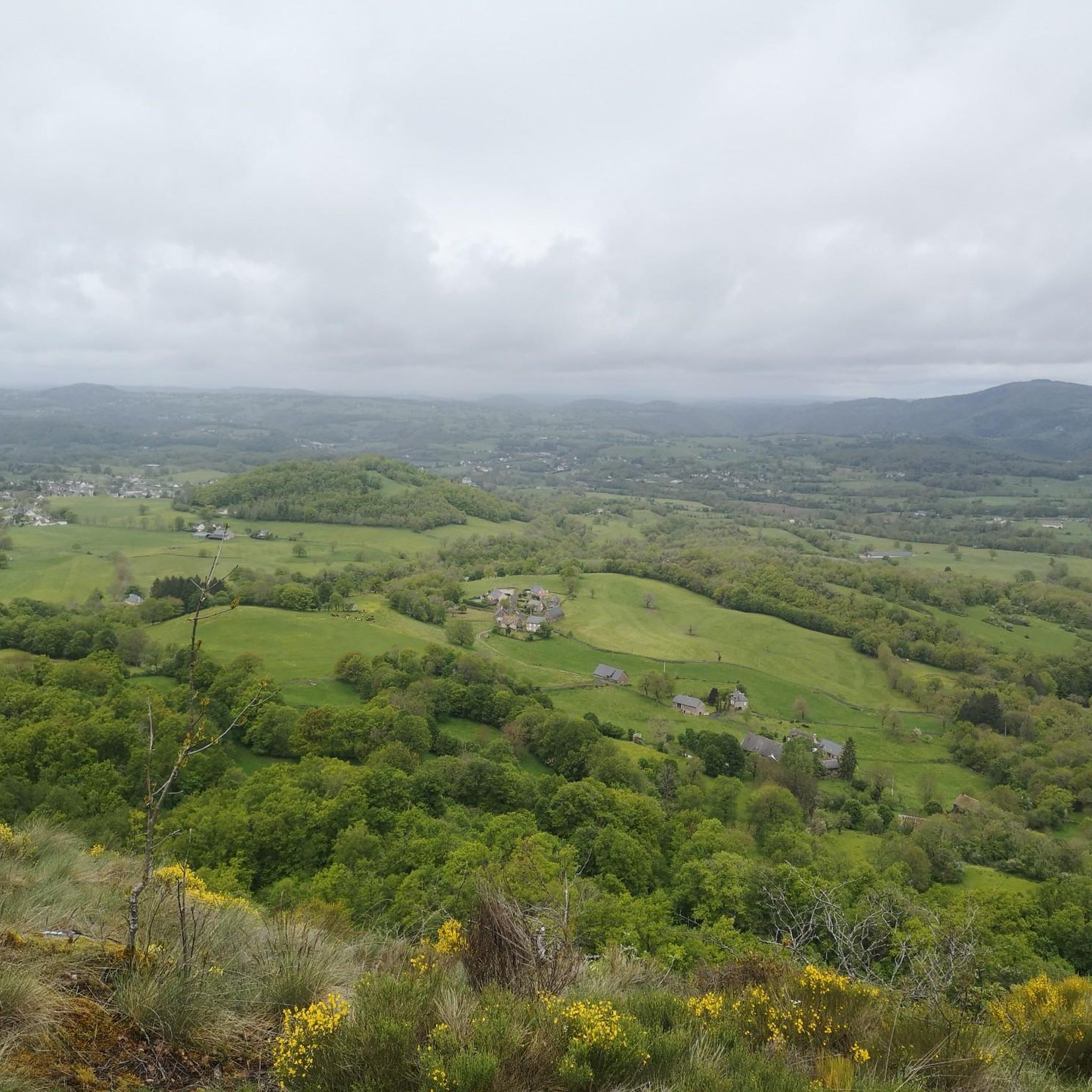
View over Bort-les-Orgues
Highlight • Natural Monument
Translated by Google •
Tip by

Sign up now to discover places like this
Get recommendations on the best single tracks, peaks, & plenty of other exciting outdoor places.
Sign up for free
Saut de la Saule Waterfall
Highlight • Waterfall
Translated by Google •
Tip by
Greenway in Sumène-Artense
Highlight (Segment) • Cycleway
Translated by Google •
Tip by

Route du col de Besseyrre
Highlight (Segment) • Other
Translated by Google •
Tip by

Sign up for free to discover even more attractions around Le Monteil.
Sign up for free
Already have an account?
Start today with a free account
Your next adventure awaits.
Login or Signup
Tips from the Community

Wikipedia has information about the dam: FR: https://de.wikipedia.org/wiki/Barrage_de_Bort-les-Orgues DE: https://fr.wikipedia.org/wiki/Barrage_de_Bort-les-Orgues
1
1
The municipality of Bort-les-Orgues has around 2500 inhabitants and is located in the Dordogne valley. Bort is the name of a ford with a steep slope. The name les Orgues (the organ pipes) is given by a striking rock formation above the town.[
1
0

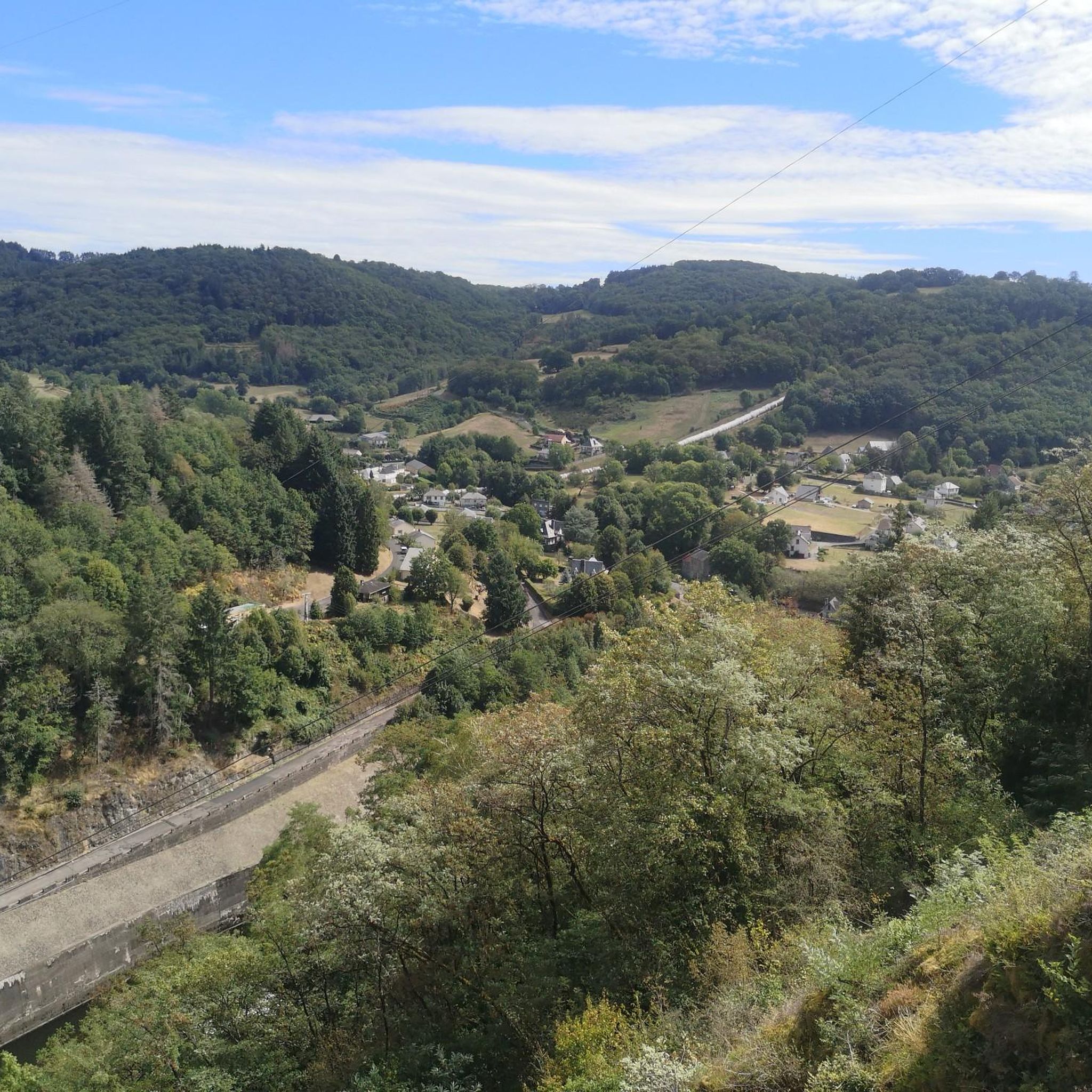
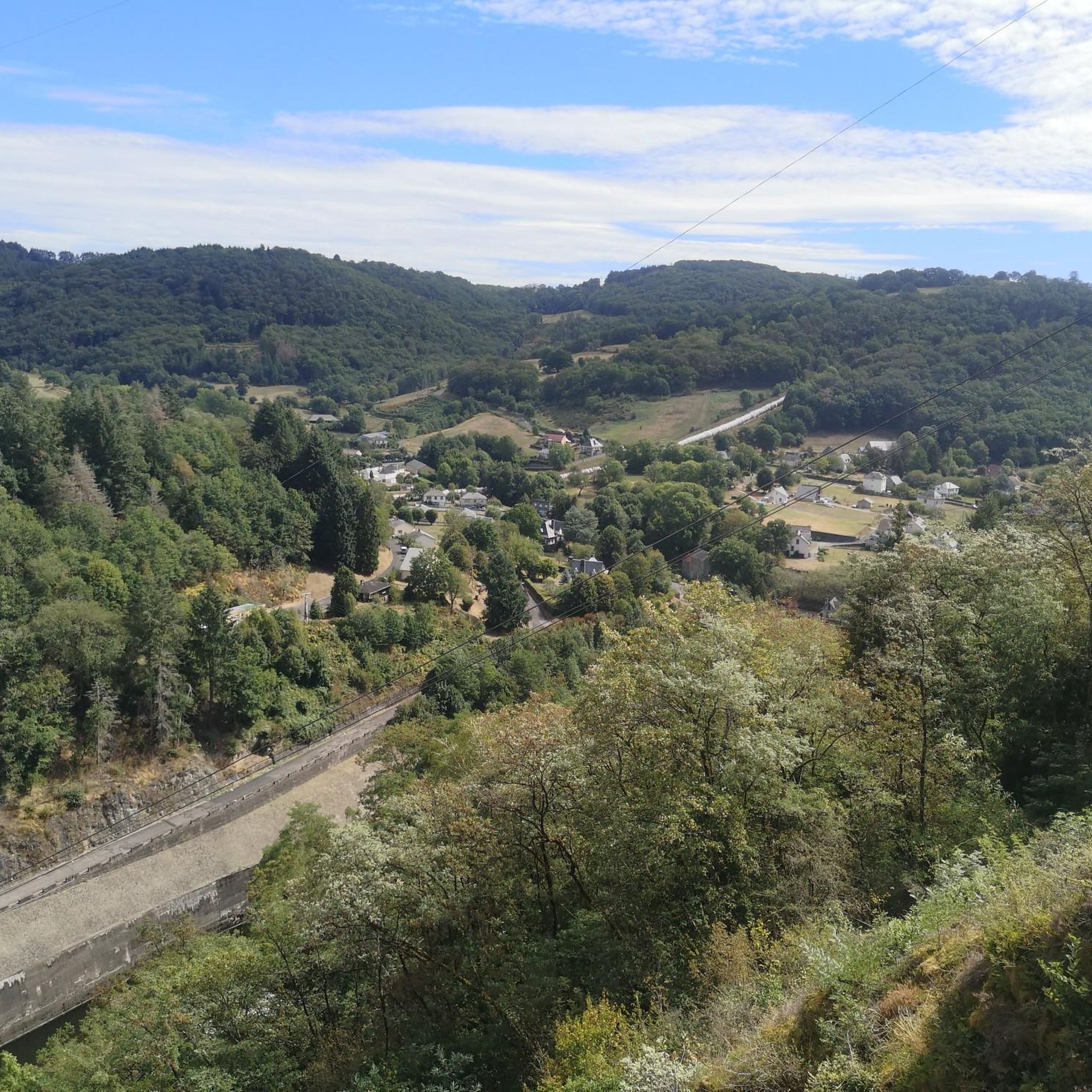
The Bort dam is a structure 120 meters high and 390 meters long, straddling the municipalities of Bort and Lanobre, and creating a reservoir of more than 10 km2. Built between 1942 and 1952, it was then a veritable concrete juggernaut and today it remains one of the largest dams in France (and still the third in mainland France if we look at the quantity of water retained by a concrete construction). It is also the first and largest reservoir in the hydroelectric system of the Dordogne valley.
0
0
The Bort dam is a structure 120m high and 390m long, straddling the municipalities of Bort and Lanobre, and creating a reservoir of more than 10 km2. Built between 1942 and 1952, it was then a veritable behemoth of concrete and it remains today one of the largest dams in France (and even still the third largest in mainland France if we look at the quantity of water retained by a construction of concrete). It is also the first and largest reservoir of the hydroelectric system in the Dordogne valley.
1
0
Saut de la saule is a waterfall in a canyon carved into the rock by the Rhue (a tributary of the Dordogne). The site was once used for the silkworm industry. Today, between the canyon and the remains of human activity, there is no shortage of tourist interest.
0
0

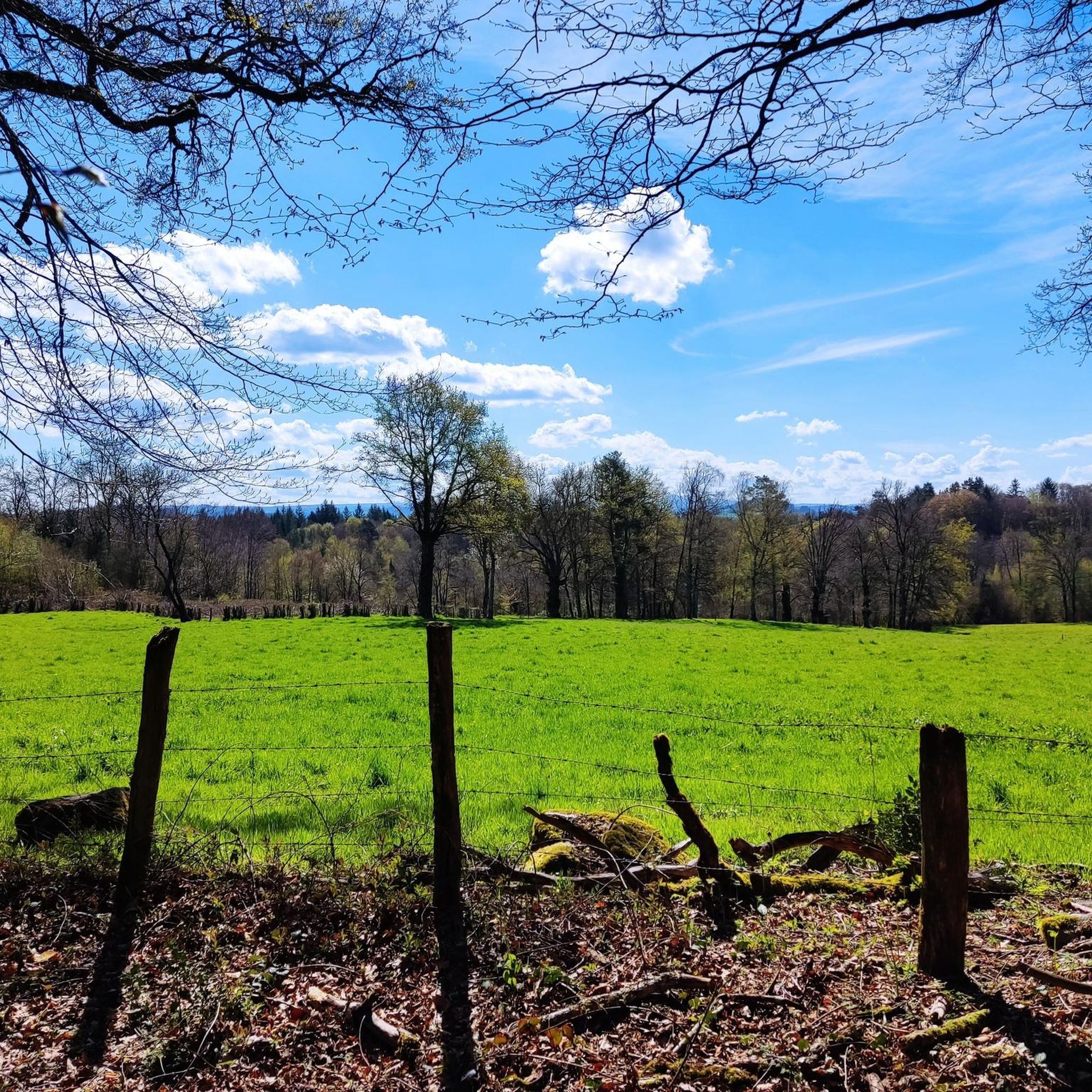
All asphalted greenway, which passes through the small village of Ydes. In the heart of the Massif Central, it extends over 14 kilometers and connects Cheyssac to Parensol.
3
0

Small supervised family beach, very clean water with the possibility of eating in a nice atmosphere
0
0

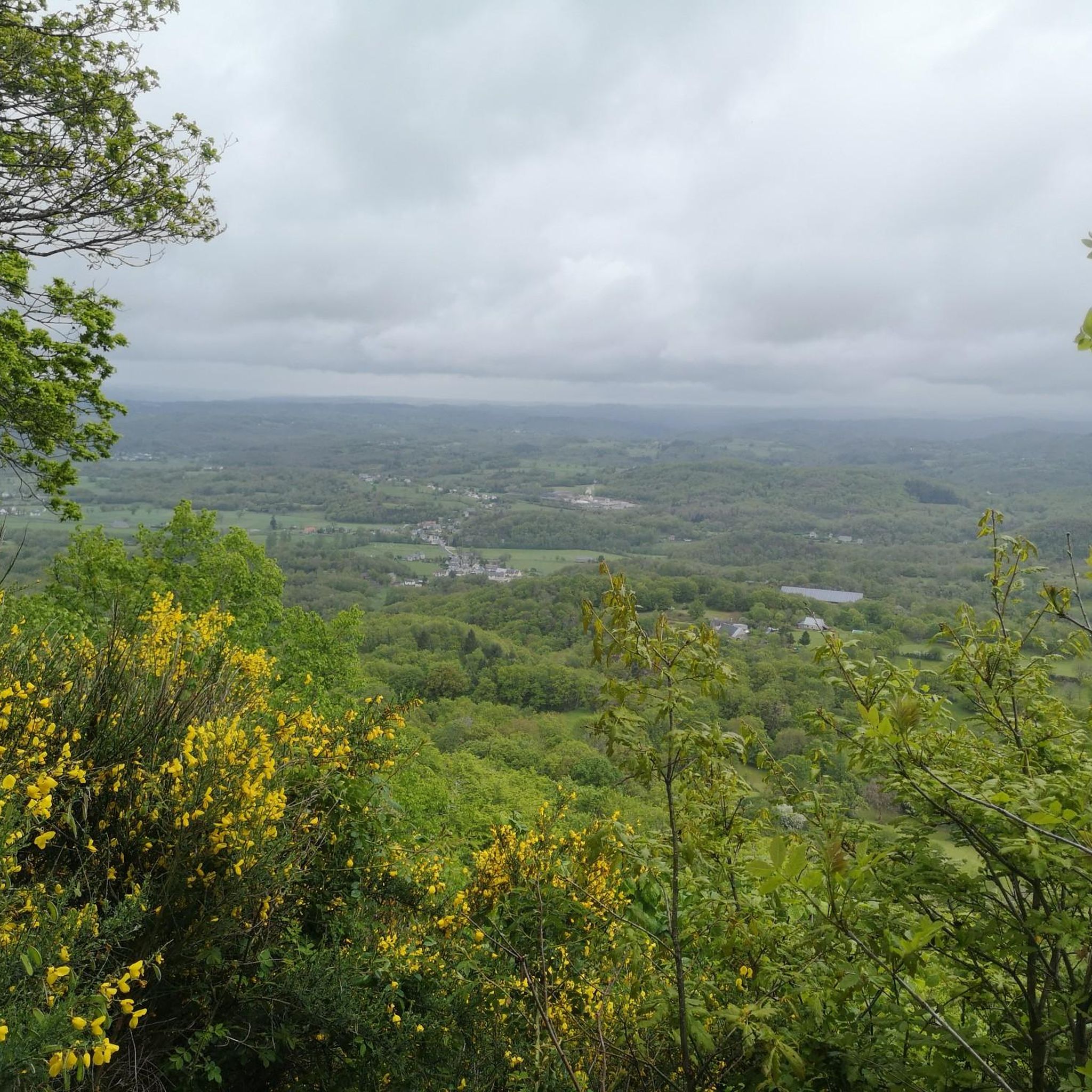
A timeless place! On the border of the Dordogne and the Corrèze, they constitute one of the best observatories in the area. These cliffs look like a giant organ, which gave them this name
0
0
Frequently Asked Questions
What natural features can I explore around Le Monteil?
The region around Le Monteil is rich in natural beauty. You can visit the impressive View over Bort-les-Orgues, a natural monument with cliffs resembling a giant organ, offering expansive views. Another must-see is the Saut de la Saule Waterfall, where the Rhue river has carved a canyon into the rock.
Are there opportunities for cycling near Le Monteil?
Yes, cycling is a popular activity. The Greenway in Sumène-Artense is a 14-kilometer asphalted path connecting Cheyssac to Parensol, perfect for a leisurely ride. For more challenging routes, consider the Route du col de Besseyrre, which offers breathtaking views of the mountains. You can find various cycling routes, including easy and difficult options, in the Cycling around Le Monteil guide.
What historical sites are there to visit around Le Monteil?
The Bort-les-Orgues Dam is a significant historical and engineering marvel. Built between 1942 and 1952, it's one of France's largest dams and a key part of the Dordogne valley's hydroelectric system. The area around Saut de la Saule Waterfall also has historical significance, as it was once used for the silkworm industry.
Are there family-friendly attractions in the Le Monteil area?
The Greenway in Sumène-Artense is an excellent option for families, offering a safe and asphalted path for cycling or walking. The natural beauty of the Saut de la Saule Waterfall can also be an engaging experience for children, with its canyon and historical context.
Where can I find scenic views around Le Monteil?
For expansive vistas, head to the View over Bort-les-Orgues, which provides one of the best observatories in the region. The Route du col de Besseyrre also offers a very pretty, little-used road with breathtaking views of the Gentian country mountains.
Are there hiking trails suitable for different skill levels near Le Monteil?
Yes, the area offers a variety of hiking trails. You can find easy routes like the 'Château d'Auzers loop from Mauriac' or more challenging ones such as 'Le Saut de la Saule – loop starting from Cheyssac'. For a comprehensive list of options, including moderate and difficult trails, explore the Hiking around Le Monteil guide.
Can I find circular walking routes around Le Monteil?
Yes, there are several circular walking routes available. Examples include 'Le Saut de la Saule – loop starting from Cheyssac' and 'Marilhou Waterfall – The Cotteughes huts loop from Saint-Vincent-de-Salers'. These and other circular options can be found in the Hiking around Le Monteil guide.
What are some lesser-known or 'hidden gem' attractions near Le Monteil?
While the guide highlights popular spots, the region itself is full of hidden gems. The Saut de la Saule Waterfall, with its carved canyon and historical silkworm industry connection, offers a unique blend of nature and past industry. Exploring the smaller roads like the Route du col de Besseyrre can also lead to unexpected scenic discoveries away from the main routes.
What kind of wildlife can I spot in the Le Monteil region?
The natural landscapes around Le Monteil, including the Dordogne valley and its surrounding forests and waterways, provide habitats for various wildlife. While specific sightings depend on the season and location, you might encounter local bird species, small mammals, and diverse insect life, especially near the waterfall and along hiking trails.
What is the best time of year to visit Le Monteil for outdoor activities?
The best time to visit Le Monteil for outdoor activities is generally from spring to autumn (April to October) when the weather is mild and conducive for hiking, cycling, and exploring natural sites. Summers are warm, ideal for enjoying the greenways and viewpoints, while spring and autumn offer pleasant temperatures and beautiful foliage.
Are there any easy hiking trails suitable for beginners near Le Monteil?
Yes, there are options for beginners. For instance, the 'Château d'Auzers loop from Mauriac' is categorized as an easy hiking route. You can find more easy trails and filter by difficulty in the Hiking around Le Monteil guide to plan your walks.
Can I bring my dog on walks and trails around Le Monteil?
Many natural areas and trails in France are dog-friendly, especially if your dog is on a leash. While specific restrictions might apply to certain protected areas, generally, you can enjoy walks with your dog on trails like those found near the Saut de la Saule Waterfall or along the Greenway in Sumène-Artense. Always ensure to clean up after your pet.

Get inspired with the komoot mobile app


Explore more
Still not found the Highlight you’re looking for? See guides of the top attractions in other regions:
