Attractions and Places To See around Courbiac - Top 10
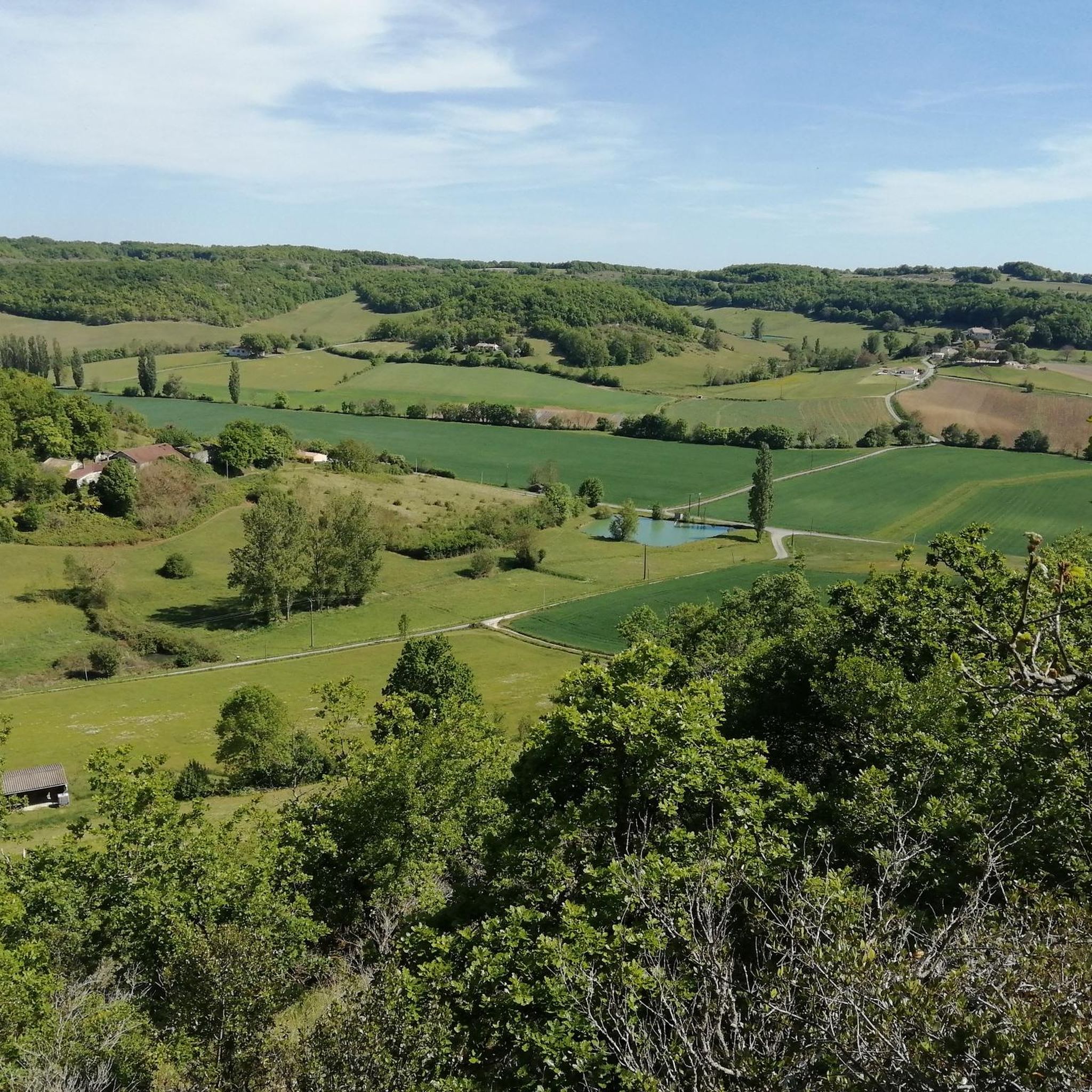
Attractions and places to see around Courbiac include a blend of historical sites, natural landscapes, and rural charm in southwestern France. Situated in the Lot-et-Garonne department, this commune is part of the Quercy Blanc region, characterized by its limestone plateaus and the Boudouyssou valley. The area offers a tranquil setting with evidence of prehistoric occupation and a rich agricultural heritage, including local wine production. Visitors can explore historical monuments and enjoy outdoor activities within its diverse environment.
Best attractions and…
Last updated: June 24, 2026
La capelle cabanac
Highlight • Other
Translated by Google •
Tip by

Roquecor
Highlight • Other
Translated by Google •
Tip by

Sign up now to discover places like this
Get recommendations on the best single tracks, peaks, & plenty of other exciting outdoor places.
Sign up for free
Mauroux
Highlight • Settlement
Translated by Google •
Tip by
Tournon-d'Agenais Town Square
Highlight • Settlement
Translated by Google •
Tip by

View of Tournon-d’Agenais
Highlight • Viewpoint
Translated by Google •
Tip by

Sign up for free to discover even more attractions around Courbiac.
Sign up for free
Already have an account?
Start today with a free account
Your next adventure awaits.
Login or Signup




Tips from the Community

At Hauplatz you will find not only the town hall, but also cafés and a restaurant, the tourist office, the old fountain and the tower with the moon clock.
0
0

Lacapelle-Cabanac is a French commune, located in the south-west of the Lot department in the Occitanie region. It is also in Quercy Blanc, a natural region corresponding to the southern part of Quercy, named after its lacustrine limestone from the Tertiary.
0
0
Mauroux is a French commune, located in the south-west of the Lot department in the Occitanie region. It is also in Quercy Blanc, a natural region corresponding to the southern part of Quercy, named after its lacustrine limestone from the Tertiary.
0
0

A beautiful walk around the perched village of Tournon-d'Agenais. Watch the view change as you go around it.
2
0

Beautiful, small streets with well-preserved stone houses. Absolutely cute village!
1
0


Frequently Asked Questions
What historical sites can I visit in Courbiac?
Courbiac is rich in history. You can explore the Saint-Vincent Church, a heritage jewel with 12th-century Romanesque origins, featuring sculpted decorations and ancient funerary traces. The 14th-century Château de Rodié also offers a glimpse into the region's past, and the Allée funéraire de Saltrès provides evidence of prehistoric occupation.
Are there any natural attractions or landscapes to explore in the Courbiac region?
Yes, Courbiac is nestled in the picturesque Quercy Blanc region, known for its outcropping limestone rocks and the beautiful Boudouyssou Valley. The landscape is a mosaic of wooded hillsides, arid plateaus, and agricultural areas, including vineyards. The estate of Château de Rodié, managed in collaboration with the Conservatory of Natural Areas, showcases diverse plant and animal species in its almost Mediterranean climate.
What kind of outdoor activities are available around Courbiac?
The region around Courbiac is ideal for outdoor enthusiasts. There's a designated 13 km hiking route that traverses the village and its charming landscapes. You can also find numerous routes for mountain biking, cycling, and road cycling. For example, you can explore MTB Trails around Courbiac, enjoy Cycling around Courbiac, or discover Road Cycling Routes around Courbiac. A tennis court is also available in the village.
Are there family-friendly attractions near Courbiac?
Absolutely. The nearby Tournon-d'Agenais Town Square is a charming settlement with well-preserved stone houses, cafés, and a moon clock tower, perfect for a family stroll. Additionally, the View of Tournon-d’Agenais offers a beautiful walk around the perched village, providing changing perspectives that families can enjoy together.
Where can I experience the local culture or traditions in Courbiac?
Courbiac's local culture is deeply rooted in its agricultural heritage, particularly its local wine production. You can experience this by exploring the vineyards and perhaps finding local producers. The historical sites like Saint-Vincent Church also offer a glimpse into the region's past traditions and craftsmanship.
What are some charming nearby villages worth visiting from Courbiac?
Courbiac is ideally situated near several picturesque villages. You can visit Roquecor, a nice little town with cafes. Other notable villages include Tournon d'Agenais, Montaigu-de-Quercy, Montcuq, and Lauzerte, each offering unique charm and historical significance.
What is the best time of year to visit Courbiac for outdoor activities?
Given Courbiac's almost Mediterranean climate and its focus on fruit crops and vineyards, spring, summer, and early autumn are generally the best times for outdoor activities. The weather is pleasant for hiking, cycling, and exploring the natural landscapes and charming villages.
Can I find places for hiking or walking in Courbiac?
Yes, Courbiac offers a designated 13 km hiking route that winds through the village and its scenic surroundings, bordering the valley and its hillsides. These routes are accessible for walkers and can connect to nearby towns and significant sites within Quercy Blanc. The View of Tournon-d’Agenais also provides a beautiful walk around the perched village.
Are there any specific natural areas or estates known for their biodiversity?
The natural environment surrounding the Château de Rodié is managed in collaboration with the Conservatory of Natural Areas of Nouvelle-Aquitaine. This estate is a great place to observe a diverse range of plant and animal species, including Montpellier maples and immortelles, thriving in the local climate.
What do visitors enjoy most about the attractions around Courbiac?
Visitors particularly appreciate the beautiful walks and changing perspectives offered by sites like the View of Tournon-d’Agenais. The well-preserved stone houses and historic architecture of places like Tournon-d'Agenais Town Square are also highly praised for their charm and appeal.
Are there any unique geological features in the Courbiac area?
The Courbiac area is part of the Quercy Blanc region, which is named for its distinctive lacustrine limestone from the Tertiary period. This geological feature creates the characteristic white, outcropping limestone rocks and arid plateaus that define much of the landscape.

Get inspired with the komoot mobile app


Explore more
Still not found the Highlight you’re looking for? See guides of the top attractions in other regions:
