Attractions and Places To See around Monhofen - Top 20
Best attractions and places to see around Monhofen include a variety of historical sites and scenic routes. The region offers opportunities to explore industrial heritage, medieval architecture, and fortifications. Visitors can discover areas along the Moselle canal and wetlands, providing diverse landscapes. Monhofen is a destination for those interested in history and outdoor exploration.
Best attractions and places to see around Monhofen
- The most popular attractions is Porte de Sierck, a historical site that features an impressive Medieval Gate…
Last updated: July 2, 2026
Charles le Téméraire cycle route
Highlight (Segment) • Cycleway
Translated by Google •
Tip by

U4 - Blast Furnace Park (Uckange)
Highlight • Other
Translated by Google •
Tip by
Sign up now to discover places like this
Get recommendations on the best single tracks, peaks, & plenty of other exciting outdoor places.
Sign up for free
Ouvrage du Kobenbusch
Highlight • Historical Site
Translated by Google •
Tip by

Porte de Sierck
Highlight • Historical Site
Tip by

Ouvrage de Galgenberg (Maginot Line)
Highlight • Historical Site
Tip by
Sign up for free to discover even more attractions around Monhofen.
Sign up for free
Already have an account?
Start today with a free account
Your next adventure awaits.
Login or Signup
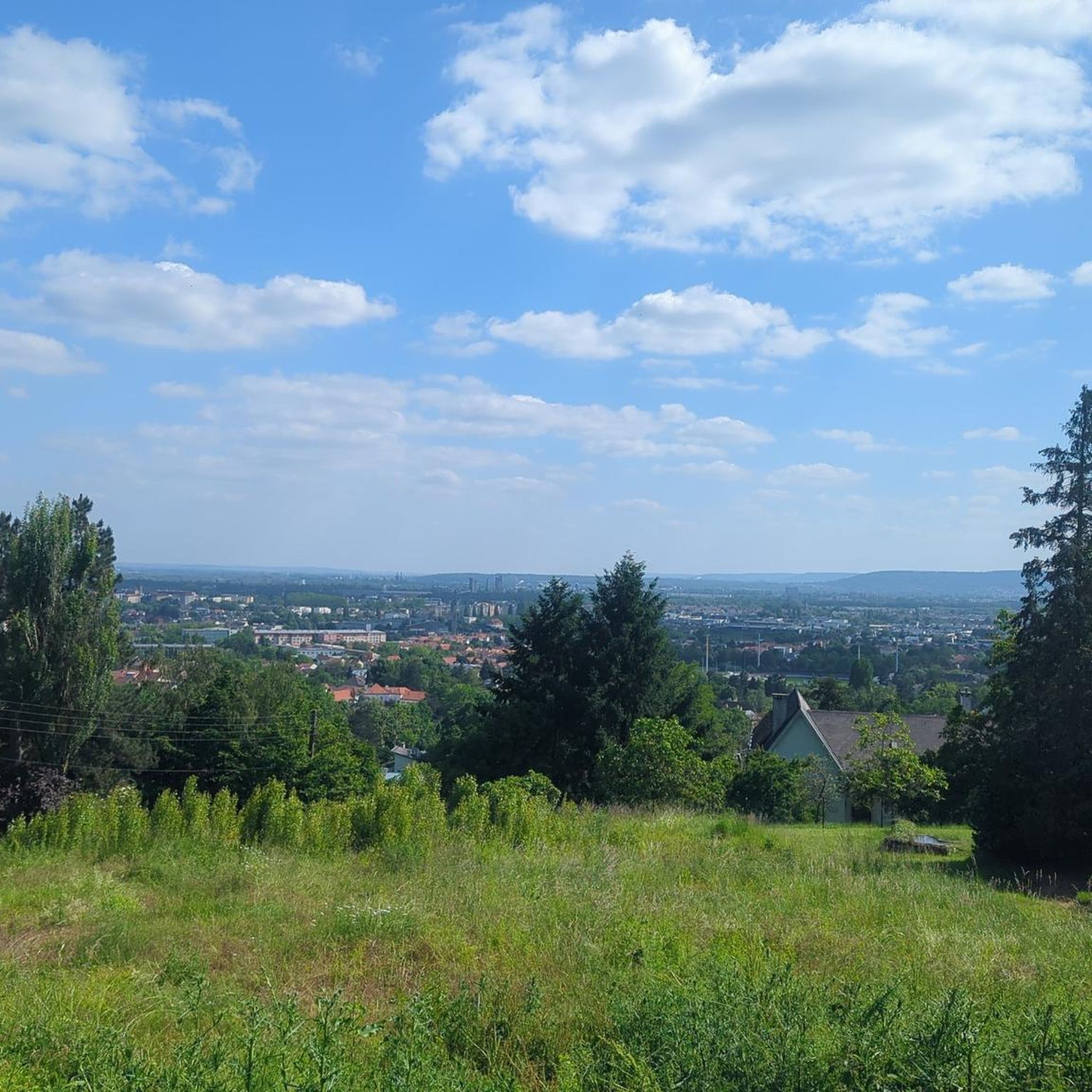
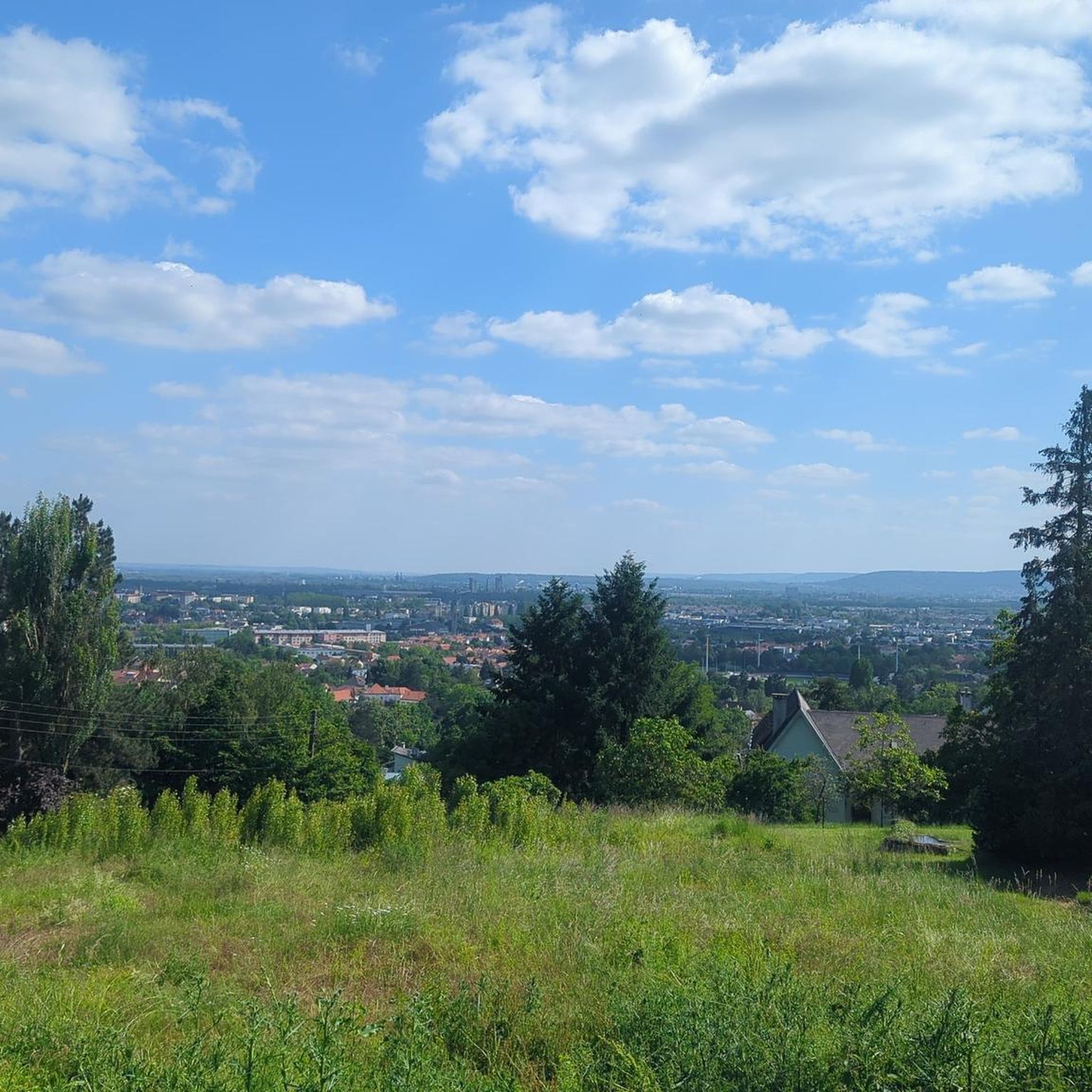
Tips from the Community

Really fantastic cycle path
0
0

🚪 **Porte de Sierck – Historic City Gate of Rodemack** The **Porte de Sierck** is the imposing northern gate of the medieval city walls of **Rodemack** – once the entrance to the fortress from the direction of Sierck-les-Bains. Built in the **15th century**, it was fortified with battlements, machicolation, and a round-arched portal and was part of the defense system of the "1,000-year-old city." 🧱 Today, the gate is excellently preserved and leads visitors directly into the romantic alleys of the historic town center. A little further on, the battlement walk begins along the city wall. **Tip:** This is an ideal photo spot in the early morning or in diffused light – then the sandstone walls are particularly atmospheric. Anyone walking through the gate immediately feels transported back to the Middle Ages.
2
0
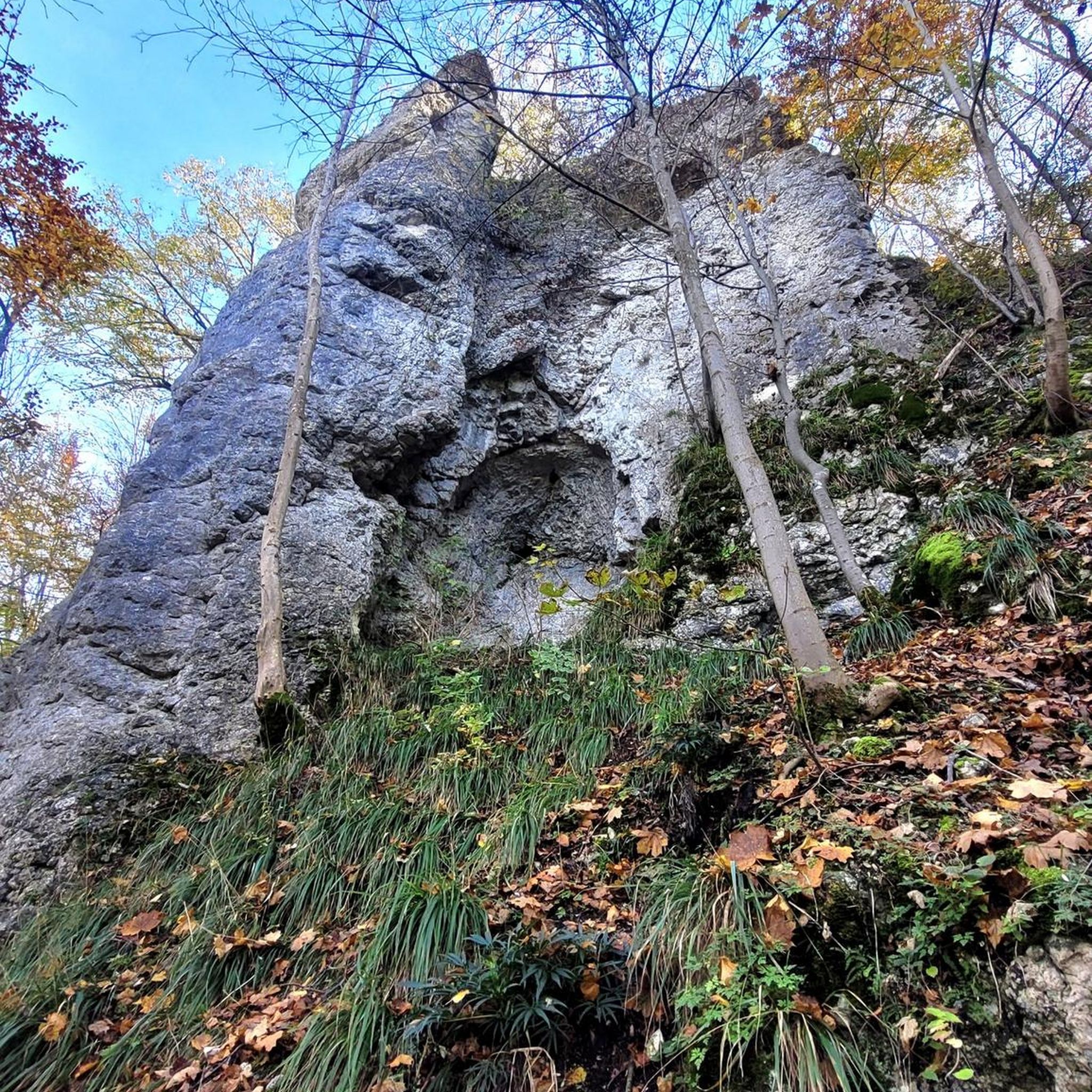
🛡️ **Ouvrage de Kobenbusch – Mighty Fortification of the Maginot Line** The **Ouvrage de Kobenbusch**, located south of Cattenom near the Luxembourg border, is one of the large underground fortifications of the **Maginot Line**. It was built between 1930 and 1935 and consisted of several combat blocks, underground connecting tunnels, a barracks, ammunition depots, and machine rooms – on several levels, anchored deep in the limestone. ⚙️ Particularly noteworthy: The technical systems were designed to be self-sufficient for months – including power generation, ventilation, a kitchen, and a hospital. The fort was occupied without a fight during World War II, continued to be used in part after the war, and is now privately owned. 🚷 It's **not open to the public**, but some ventilation towers and blockhouses are still visible in the forest near the D64 road (between Cattenom and Berg-sur-Moselle). **Tip:** For Maginot fans, a walk through the forest is worthwhile – with a little research, you'll find several bunker remains. Respect barriers, as some entrances are unstable or secured.
1
0
🛡️ **Ouvrage du Galgenberg – A Deep Look into the Maginot Line** The **Ouvrage de Galgenberg** is a large underground fortification of the **Maginot Line**, located south of Cattenom. It was built between 1930 and 1935 and served to defend the French border against Germany. The complex consists of several **combat bunkers**, **barracks**, **tunnels**, and **supply facilities** located deep underground. During the Cold War, the fort was modernized and remained in active use until the 1980s. 🔦 Today, it is accessible for guided tours (registration only), including a view of the original equipment: rails, power supply, ventilation systems, and gun emplacements. **Tip:** Ideal for military and history buffs – bring warm clothing, as it's chilly inside! Guided tours with former soldiers or experts are particularly impressive.
1
0

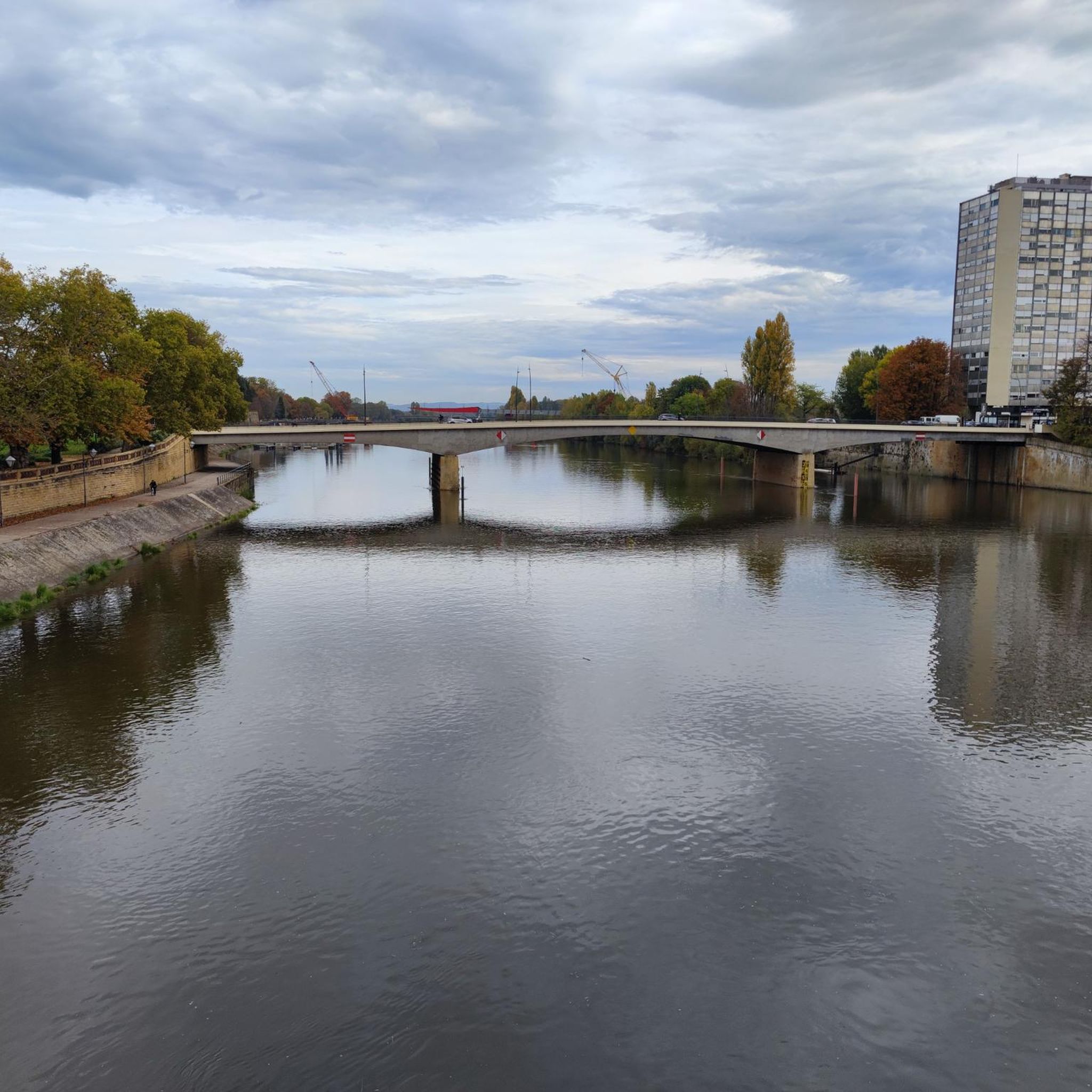
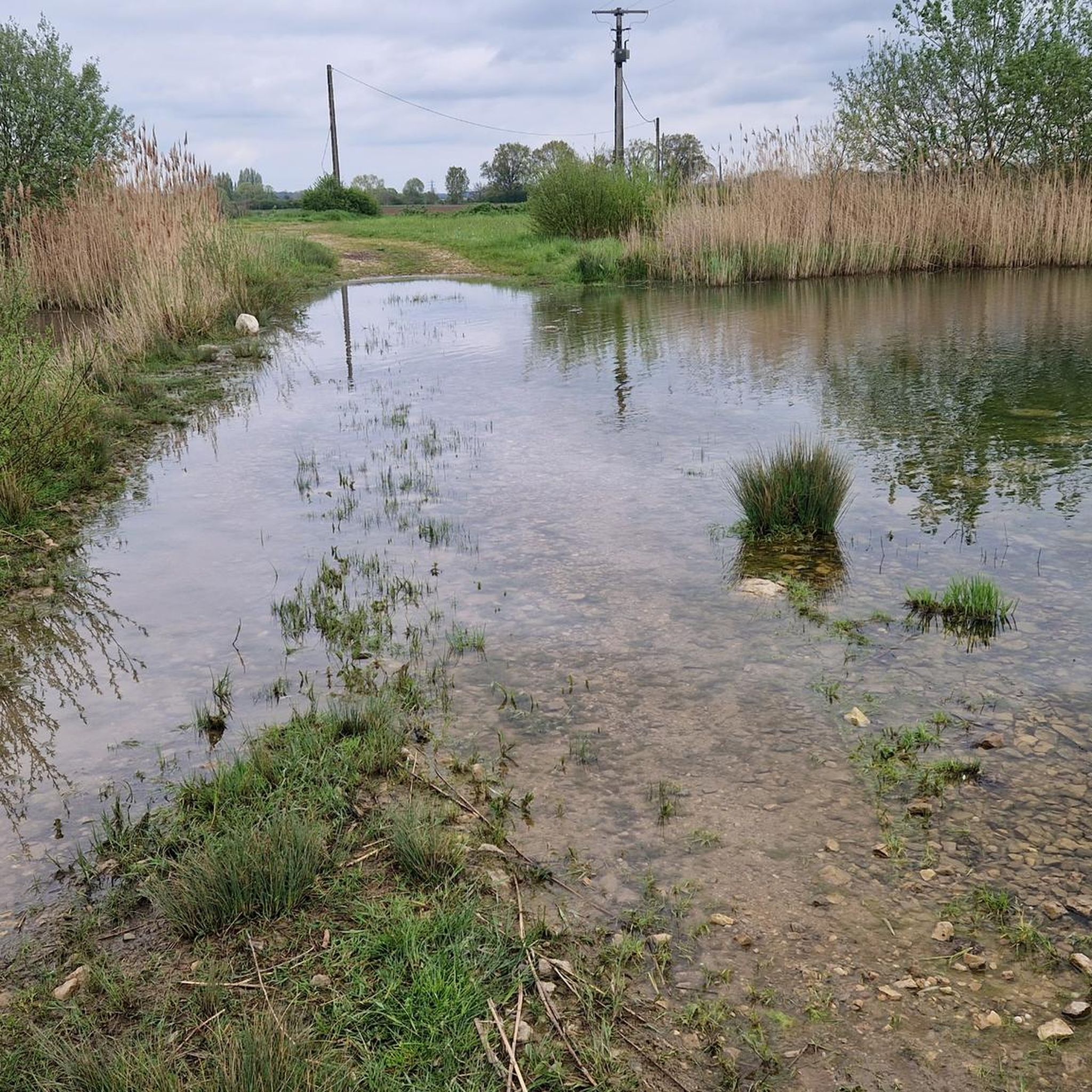
The Voie Bleue runs from the fortified town of Thionville, with its two lock bridges, true masterpieces of military architecture, along the port of Illange, the first river port for metallurgical products, passing by its industrial heritage and the former U4 blast furnace, one of the few buildings of the 20th century steel industry that is now a cultural and historical centre. Just before Metz, the cycle path crosses a beautiful wetland with idyllic ponds. Take the opportunity of your stay in the Lorraine capital to stroll through the old town: the Saint-Etienne Cathedral and the Pompidou-Metz Centre for Contemporary Art are two must-sees.
5
0

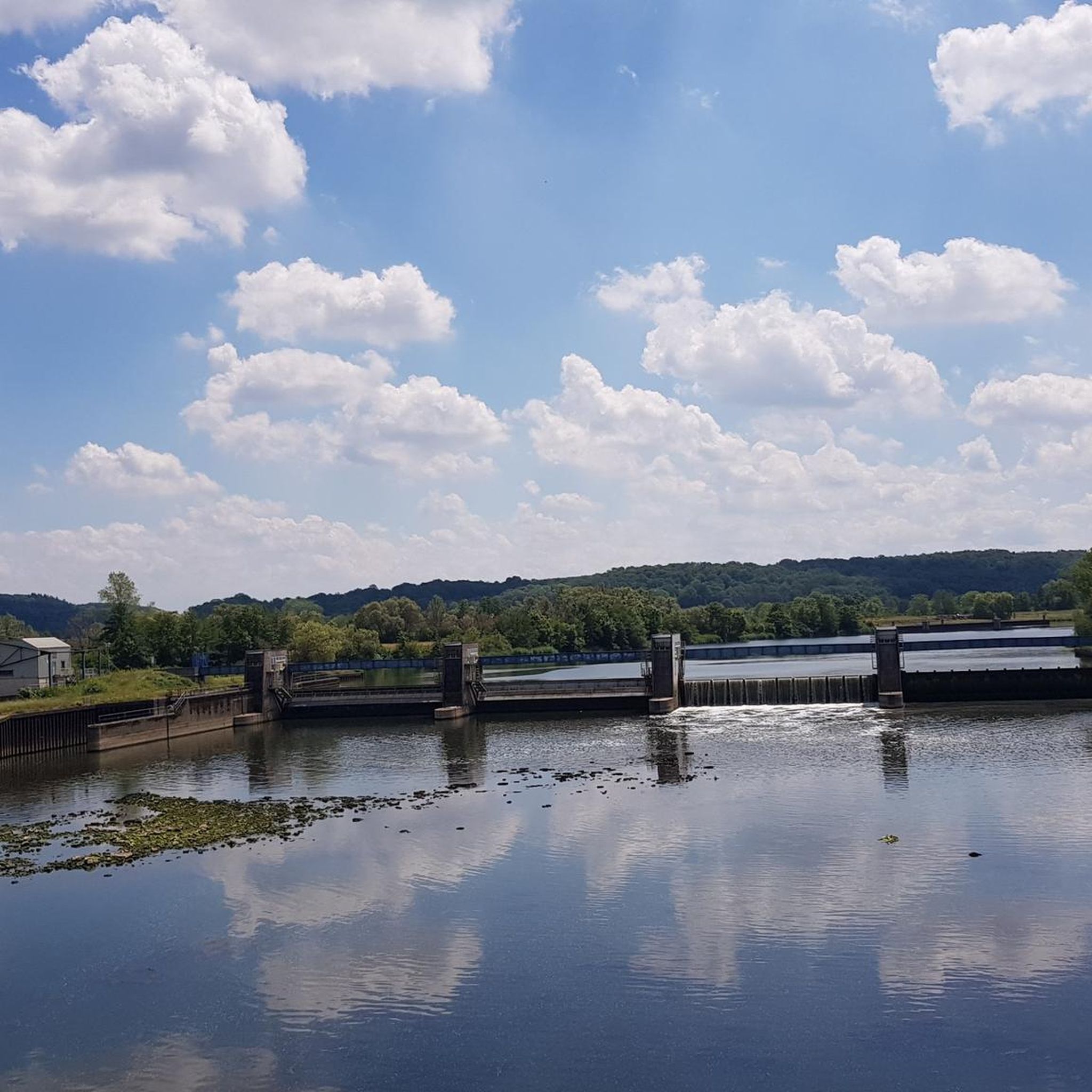
Here, we pass over the canalized Moselle, it's really pleasant.
1
0

beautiful rosel section
1
0
Frequently Asked Questions
Are there family-friendly attractions around Monhofen?
Yes, the Charles le Téméraire cycle route is a great option for families. It follows the Moselle canal, passing through wetlands with ponds, and offers a safe bike ride suitable for all ages. You can also explore historical sites like the Porte de Sierck, where climbing the ramparts can be an engaging activity for older children.
What historical sites can I visit near Monhofen?
Monhofen is rich in history. You can explore the medieval Porte de Sierck, an impressive gate with climbable ramparts. The region also features significant industrial heritage at the U4 - Blast Furnace Park (Uckange), a unique monument to the steel industry. Additionally, discover Maginot Line fortifications like Ouvrage du Kobenbusch and Ouvrage de Galgenberg, which offer insights into 20th-century military history.
Are there easy hiking trails around Monhofen?
Yes, there are several easy hiking options. For example, the 'Cercle Nautique de Basse-Ham loop from Basse-Ham' is an easy route. You can find more details and other hiking trails in the Hiking around Monhofen guide, which includes routes suitable for various fitness levels.
What cycling routes are available near Monhofen?
The Charles le Téméraire cycle route is a prominent option, following the Moselle canal between Metz and Thionville. This route is known for its scenic views and passes by industrial heritage. For more cycling adventures, including gravel biking, explore the Gravel biking around Monhofen guide.
Can I find viewpoints or scenic spots around Monhofen?
Absolutely. The Porte de Sierck allows you to climb its ramparts for a different perspective of the village. A walk around the lake near Ouvrage du Kobenbusch offers views of the historical works and the surrounding nature. The Moselle canal, followed by the Charles le Téméraire cycle route, also provides picturesque landscapes, especially through its wetlands.
What outdoor activities can I do near these attractions?
Beyond exploring historical sites, you can enjoy various outdoor activities. Cycling along the Charles le Téméraire cycle route is popular. There are also numerous hiking trails, including moderate loops like 'Thionville Wood loop from Caserne Centrale'. For mountain biking enthusiasts, the MTB Trails around Monhofen guide offers several routes.
Are there any less crowded trails or hidden gems to discover?
While the main attractions are popular, you can often find quieter experiences on some of the less-trafficked hiking or cycling paths. Exploring the areas around the Maginot Line fortifications, such as the walk around the lake near Ouvrage du Kobenbusch, can offer a more serene experience away from larger crowds. The wetlands along the Moselle canal also provide peaceful natural settings.
What is the best time of year to visit Monhofen for outdoor activities?
The spring and autumn months generally offer the most pleasant weather for outdoor activities like hiking and cycling around Monhofen, with mild temperatures and beautiful natural scenery. Summer can also be enjoyable, especially for cycling along the Moselle, but can be warmer. Winter offers a different charm, though some outdoor activities might be limited by weather conditions.
Are there any attractions related to nature or wildlife?
Yes, the Charles le Téméraire cycle route passes through a beautiful wetland area with idyllic ponds just before Metz, offering opportunities to observe local flora and fauna. The walk around the lake near Ouvrage du Kobenbusch also provides a natural setting to enjoy.
What do visitors enjoy most about the attractions around Monhofen?
Visitors particularly appreciate the blend of history and nature. The impressive medieval architecture of the Porte de Sierck and the unique industrial heritage of the U4 - Blast Furnace Park are highly rated. The scenic and safe cycling experience along the Charles le Téméraire cycle route, with its diverse landscapes, is also a community favorite.
Are there options for longer, circular walks near Monhofen?
Yes, you can find several circular routes in the area. For instance, the 'Thionville Wood loop from Caserne Centrale' and 'Fort de Guentrange loop from École primaire Guentrange' are moderate circular hiking options. More details on these and other routes can be found in the Hiking around Monhofen guide.
Are there any specific tips for visiting the Maginot Line fortifications?
When visiting Maginot Line sites like Ouvrage de Galgenberg, it's advisable to check for guided tour availability, as some require advance registration. It's also recommended to bring warm clothing, as temperatures inside these underground structures can be chilly even in summer. These sites offer a deep dive into military history.
Most popular routes around Monhofen
Most popular attractions around Monhofen

Get inspired with the komoot mobile app


Explore more
Still not found the Highlight you’re looking for? See guides of the top attractions in other regions:
