The best cycling routes around Saint-Julien-De-Toursac
4.5
(26)
287
riders
67
rides
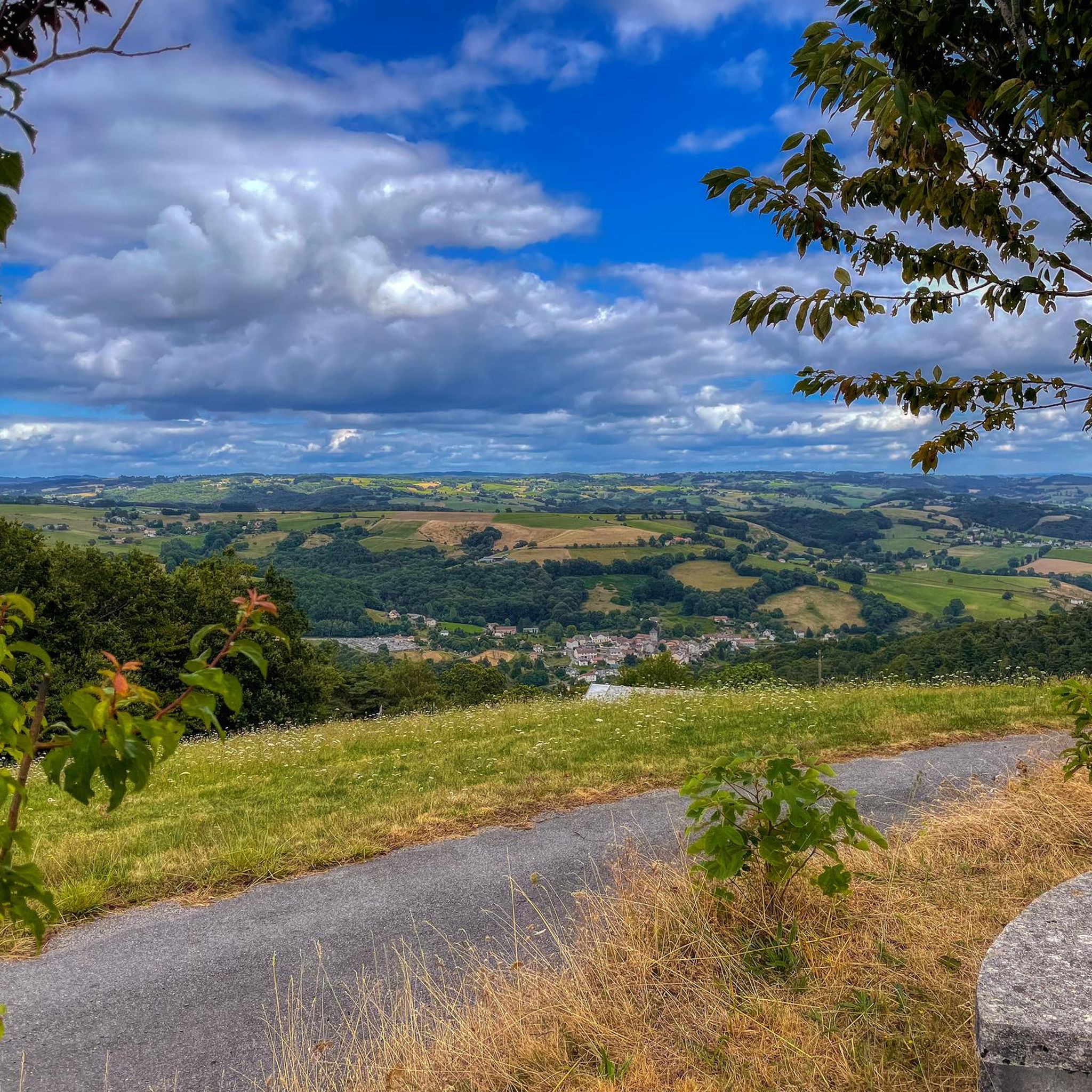
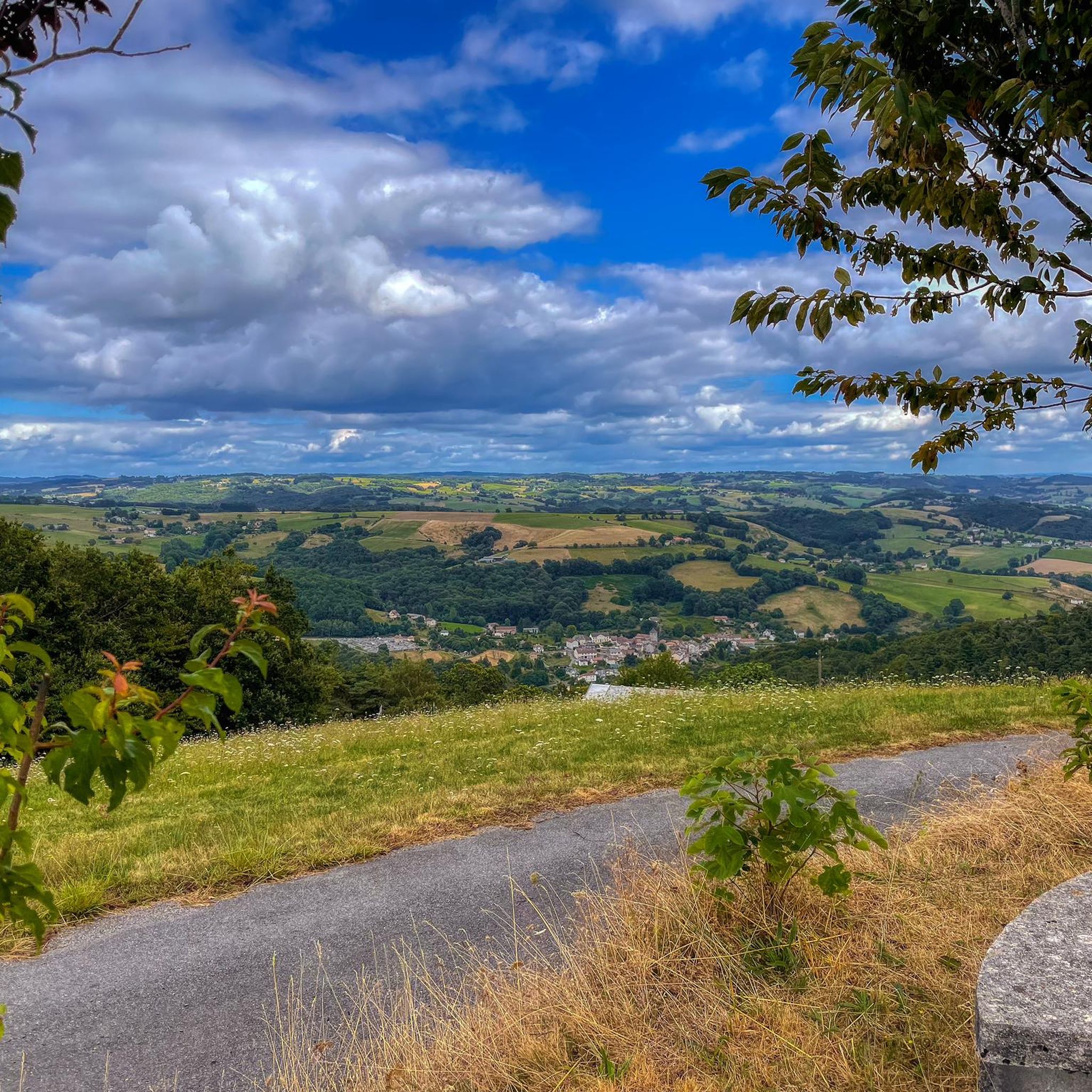
Touring cycling routes around Saint-Julien-De-Toursac are set within the Cantal department, characterized by hilly terrain and rolling green hills. The region features a backdrop of volcanic and mountainous massifs, offering varied elevations for cyclists. Streams like the Anès and Rimal traverse the landscape, contributing to the area's natural composition. This environment provides a range of routes from challenging climbs to more gentle paths.
Best touring cycling routes around Saint-Julien-De-Toursac
- The most popular touring cycling route is Monts du Cantal —…
Last updated: July 13, 2026
4.0
(1)
4
riders
55.8km
03:38
790m
790m
Hard bike ride. Very good fitness required. Mostly paved surfaces. Suitable for all skill levels.
17
riders
60.6km
03:57
870m
870m
Hard bike ride. Very good fitness required. Mostly paved surfaces. Suitable for all skill levels.

Sign up for free
3.0
(1)
18
riders
30.2km
02:21
400m
400m
Moderate bike ride. Good fitness required. Mostly paved surfaces. Suitable for all skill levels.
3.5
(2)
12
riders
43.9km
02:56
700m
700m
Hard bike ride. Very good fitness required. Mostly paved surfaces. Suitable for all skill levels.
8
riders
Hard bike ride. Very good fitness required. Mostly paved surfaces. Suitable for all skill levels.
Get access to more routes and recommendations from other explorers.
Sign up for free
Already have an account?
Our route recommendations are based on thousands of hikes, rides, and runs completed by other people on komoot.
Start today with a free account
Your next adventure awaits.
Login or Signup


Tips from the Community

On a good 24 km, you can relaxed ride the 450 meters of altitude. Especially downhill is a pleasure, just steering, rarely pedaling or braking.
0
0

small village with church and water source
1
0
Small town, lovely little square with a church, fountain, and town hall. The castle isn't really worth a visit, private.
2
0

Beautiful market town (every Thursday).
0
0

Particularly well restored “Notre Dame”
0
0

Many centuries ago, our ancestors discovered the possibility of harnessing the power of the elements - which on the one hand could be helpful and useful, but on the other hand could also be a threat as untamed forces of nature - for various purposes and thus be able to do without human or animal muscle power. Mills like these are a good example of the human engineering skills of earlier generations: the heavy millstones used to grind grain into corn or press oil, for example, could be powered by the wind or - as here - water.
0
0

Here is a beautiful swimming spot at the confluence of the Dourdou and the Lot. You will find picnic tables along the river, at the canoe base of Les Pélies.
2
0

The mill of Entraygues is a watermill dating from the end of the 16th century. Intended to produce walnut oil and flour, it played a key role for the local economy. In 1970, the mill stopped working, although you can organize a visit to discover all the secrets of this architectural nugget.
1
0
Frequently Asked Questions
How many touring cycling routes are available around Saint-Julien-De-Toursac?
There are nearly 60 touring cycling routes around Saint-Julien-De-Toursac, offering a wide range of options for different skill levels. These routes are highly rated by the komoot community, with an average score of 4.1 stars.
What kind of terrain can I expect when cycling around Saint-Julien-De-Toursac?
The region is characterized by its hilly terrain and rolling green hills, set against a dramatic backdrop of volcanic and mountainous massifs. You'll find varied elevations, from challenging climbs like the Côte des Estresses to more gentle paths winding through valleys and along streams like the Anès and Rimal.
Are there any easy touring cycling routes suitable for beginners in the area?
While many routes feature challenging climbs, there is at least one easy touring cycling route available. Additionally, there are 20 moderate routes that might be suitable for those looking for a less strenuous ride than the more difficult options. The 'Piste Verte,' a former railway line, also offers an easier, scenic route suitable for hybrid bikes, though specific routes on it aren't detailed in the guide.
What are some notable landmarks or natural features I can see along the cycling routes?
The area boasts several points of interest. You can cycle past the historic Moulin d'Entraygues, a 16th-century water mill. Other attractions include the Saint-Césaire Abbey Church and various scenic spots like the Côte de l'Enseigne. The broader region offers impressive natural beauty, including the Dordogne and Rhue gorges, and tranquil lakes such as Lac de la Crégut and Lac Lastioulles.
Are there any long-distance touring cycling routes near Saint-Julien-De-Toursac?
Yes, the region is part of the extensive Parc Naturel Régional des Volcans d'Auvergne, which offers exceptional cycling experiences. A stage of the 'Grande Traversée du Volcan à Vélo' runs from Mandailles-Saint-Julien to Allanche, including challenging ascents like the Pas de Peyrol. You can find more information about this route on France Vélo Tourisme.
Can I find circular touring cycling routes in the Saint-Julien-De-Toursac area?
Yes, many of the touring cycling routes in the area are loops. For example, you can explore the Monts du Cantal — loop in the Cantal Chestnut grove, or the Maurs, the Nice of the Cantal – The banks of the Lot loop from Maurs. Another popular option is the Maurs, the Nice of the Cantal – Moulin d'Entraygues loop from Maurs, which passes a historic mill.
What is the best time of year to go touring cycling in Saint-Julien-De-Toursac?
The region's hilly and mountainous terrain suggests that spring, summer, and early autumn would be ideal for touring cycling. During these seasons, the weather is generally more favorable, and the rolling, verdant hills are at their most beautiful. Winter cycling might be challenging due to the higher elevations and potential for colder weather in the Massif Central.
Are there any family-friendly touring cycling options around Saint-Julien-De-Toursac?
While the guide highlights many difficult routes, the presence of an easy route and 20 moderate routes suggests there are options for families. The 'Piste Verte,' a former railway line, is also noted as an easier, scenic route suitable for hybrid bikes, which could be a good choice for families. For specific family-friendly routes, look for those with lower elevation gains and shorter distances.
What do other touring cyclists enjoy most about cycling in Saint-Julien-De-Toursac?
The area is highly rated by the komoot community, with an average score of 4.1 stars from over 19 reviews. Cyclists often praise the diverse terrain, from challenging climbs to picturesque scenery, and the opportunity to explore rural landscapes and historic sites. The presence of 'small roads and paths' and 'lowly frequented roads' in the rural Dordogne region is also a draw for those seeking a peaceful ride.
Where can I find scenic viewpoints along the touring cycling routes?
The region offers numerous viewpoints with magnificent panoramic views. The Pas de Peyrol, at 1,588 meters, provides 'spectacular views' and 'staggering 360° views' from Puy Mary. Other notable viewpoints include Pic de Charlus and the Auteroche site, which offer vistas over the Sumène valley and the Monts du Cantal. You can find more information on viewpoints and natural sites on Tourisme Sumène Artense.
Are there any routes that pass through charming villages or historical sites?
Yes, several routes offer glimpses into the region's rich history and culture. The Maurs, the Nice of the Cantal – Saint-Césaire Abbey Church loop from Maurs takes you past a significant historical site. The broader area features charming villages like Marcoles, a fortified village from the 10th century, and Cardaillac, listed as one of the 'most beautiful villages in France.' Figeac, known for its historic buildings, is also accessible.
What are the options for advanced touring cyclists looking for a challenge?
Advanced touring cyclists will find plenty of challenges in Saint-Julien-De-Toursac. The region is known for its hilly terrain and volcanic massifs, with 38 routes classified as 'difficult.' Notable climbs include the Côte des Estresses and the Pas de Peyrol, which is part of the 'Grande Traversée du Volcan à Vélo.' Routes like the Monts du Cantal — loop in the Cantal Chestnut grove and the Maurs, the Nice of the Cantal – The banks of the Lot loop from Maurs offer significant elevation gains and distances.
Are there opportunities to explore the banks of the Lot river by bike?
Yes, you can enjoy touring cycling along the banks of the Lot river. The route Maurs, the Nice of the Cantal – The banks of the Lot loop from Maurs is a difficult 37.7-mile (60.64 km) path that follows the river, offering scenic views of the waterway and the surrounding rural landscape.
Most popular routes around Saint-Julien-De-Toursac
Most popular attractions around Saint-Julien-De-Toursac

Get inspired with the komoot mobile app


Explore more
Browse the best Cycling routes in other regions.
