Attractions and Places To See around Château-Verdun - Top 20
Best attractions and places to see around Château-Verdun include a blend of historical landmarks and natural features within the Ariège department of the Occitanie region. The area is characterized by its mountainous terrain, offering opportunities for outdoor activities and exploration. Visitors can find significant natural attractions alongside cultural points of interest.
Best attractions and places to see around Château-Verdun
- The most popular attraction is Mount Fourcat, a summit that offers a superb view. It is a classic peak in…
Last updated: July 6, 2026
Notre-Dame de Sabart Chapel
Highlight • Monument
Translated by Google •
Tip by

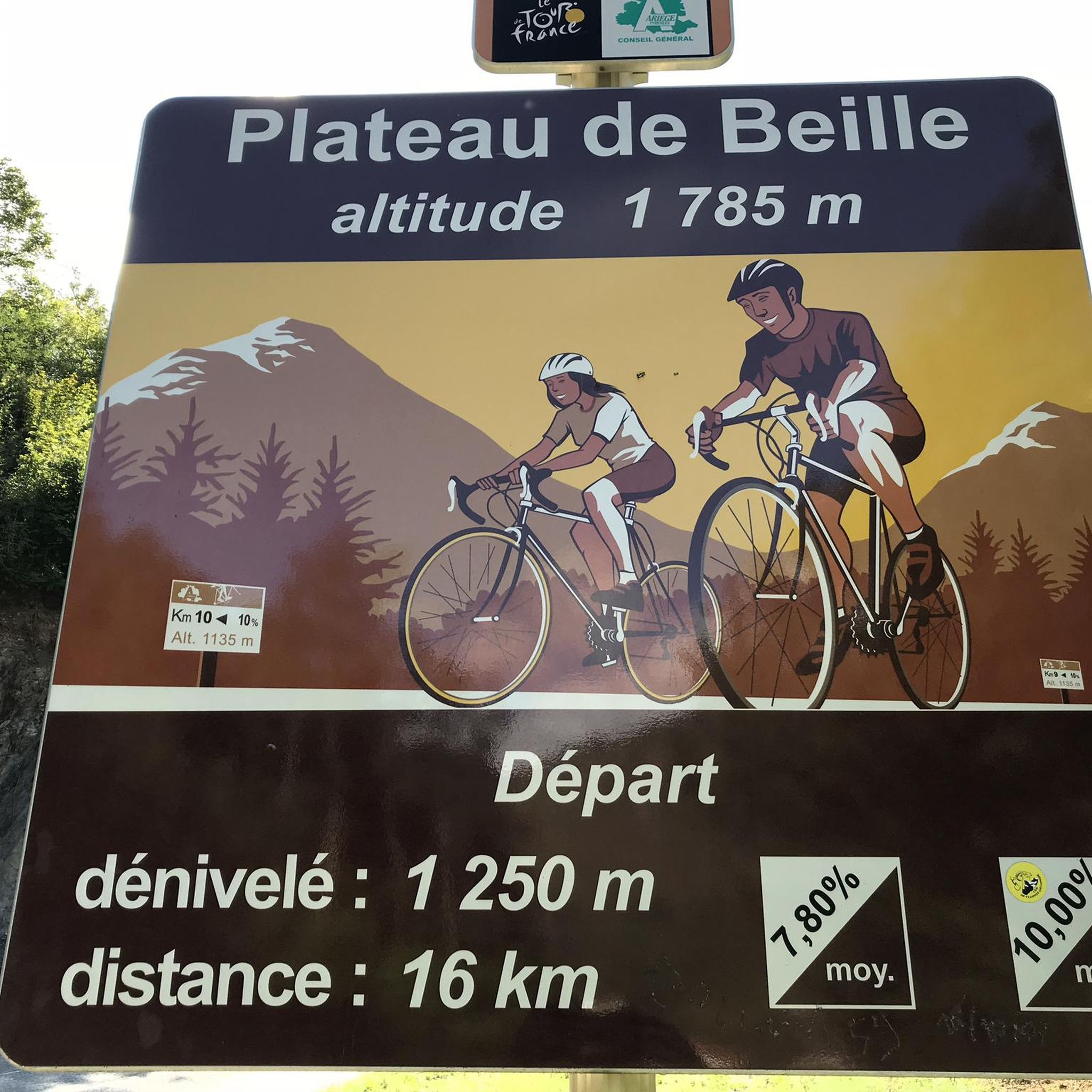
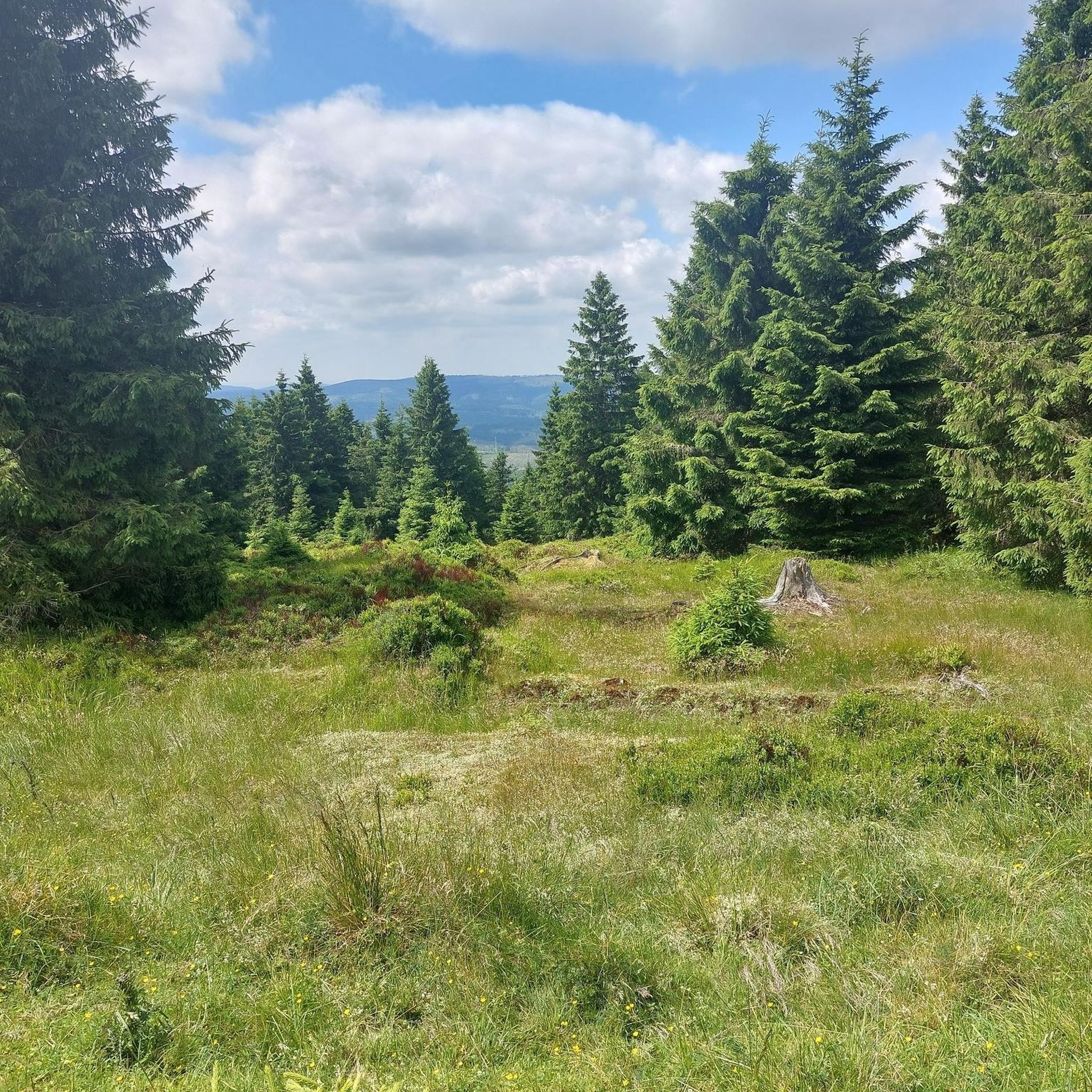
Plateau de Beille
Highlight • Mountain Pass
Translated by Google •
Tip by

Sign up now to discover places like this
Get recommendations on the best single tracks, peaks, & plenty of other exciting outdoor places.
Sign up for free
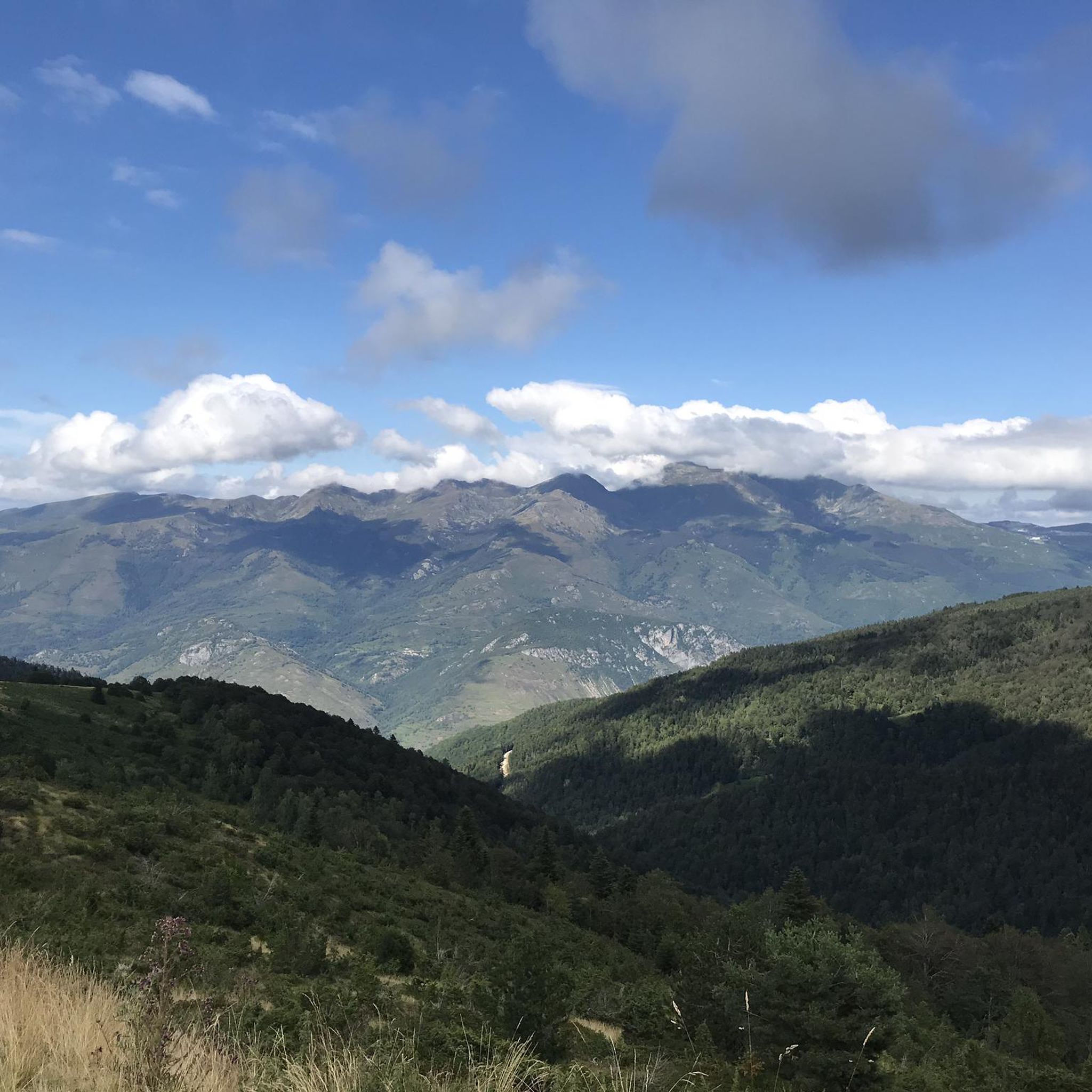
Mount Fourcat
Highlight • Summit
Translated by Google •
Tip by

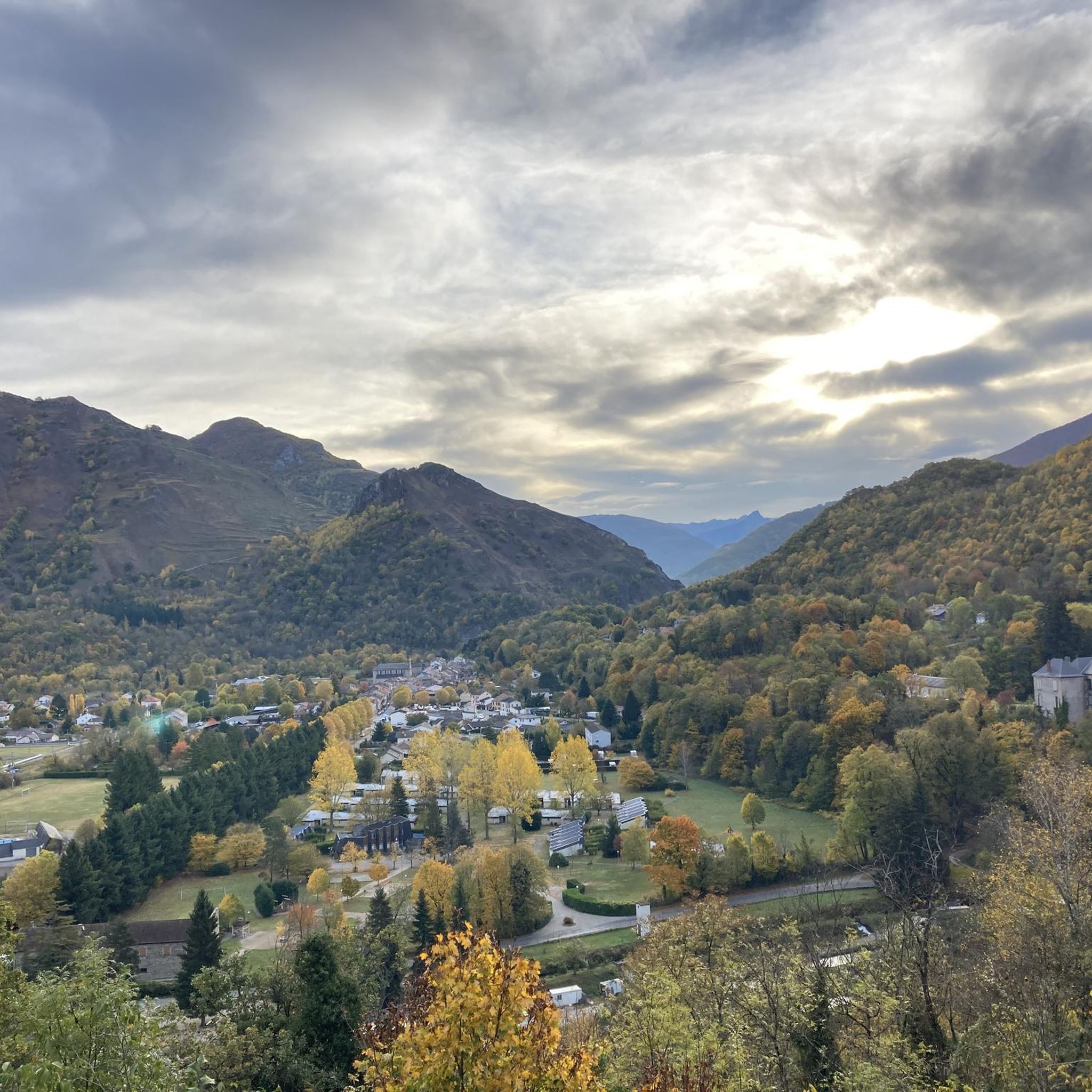
Tarascon-sur-Ariège
Highlight • Other
Translated by Google •
Tip by
View of Lordat castle
Highlight • Other
Translated by Google •
Tip by
Sign up for free to discover even more attractions around Château-Verdun.
Sign up for free
Already have an account?
Start today with a free account
Your next adventure awaits.
Login or Signup

Tips from the Community

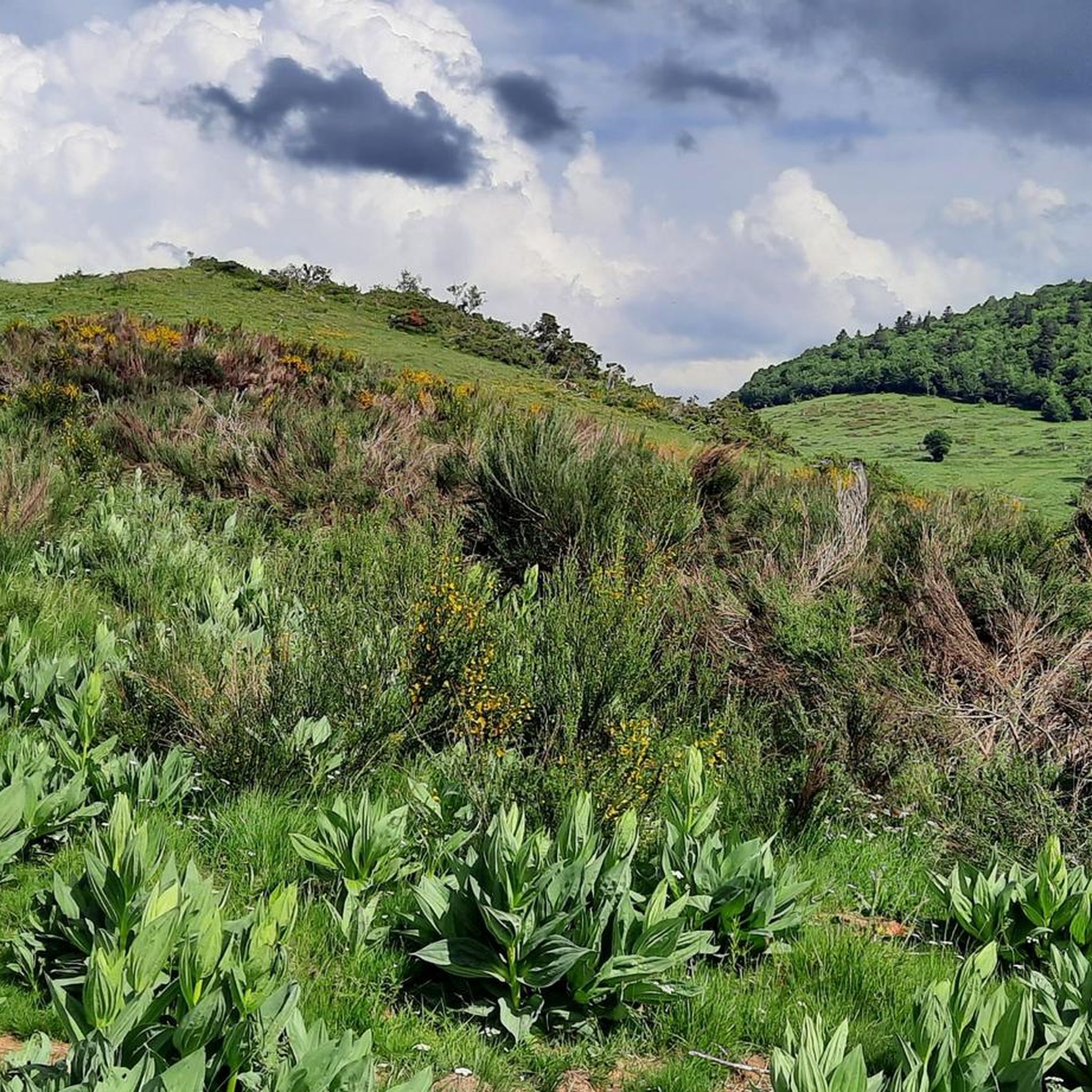
Very good place to practice skating skiing in winter!
0
0
A magnificent location offering stunning views of the Ariège Pyrenees: the Montcalm Massif, the Bassiès Massif, the Beille Plateau, and more. Easily accessible from Croquié in both summer and winter, provided you're well-equipped and at least a little fit (800m+). Its only drawback: it's very crowded, especially in winter.
0
0

Possibility of bivouac and magnificent natural spectacle by numerous griffon vultures
1
1


Very impressive complex on the hilltop
0
0

Beautiful city that deserves a stopover.
0
0

According to legend, following the victory over the Saracens at Pré Lombard in 778, Charlemagne witnessed an apparition. A lady radiant with beauty then appears and immediately disappears. At dawn, the ground is plowed and a bronze statue of Notre-Dame-de-la-Victoire emerges from the ground. Transported to the church of Foix, the statue miraculously returned to Sabart twice: “This is where Our Lady wants to be honored.” Thus was decided the erection of a chapel dedicated to Notre-Dame-de-la-Victoire. The chapel that we can currently see has its origins in a Romanesque church rebuilt in 1104 on a Carolingian church partly destroyed in 865. But it was largely remodeled in the 16th and 19th century. The facade has some granite stones from the 11th century, the remaining bell tower-façade copy only dates from 1842 and the crenellated keep is only from 1870. Having thus resisted numerous destructions, the chapel became an emblematic monument of the Pyrenean region. Sabarthès, in the upper Ariège valley. Even today, an important pilgrimage is held there in September each year.
0
0
From the top of its spur overlooking the Ariège valley at a height of 965m, Lordat is considered, with its two enclosures, as one of the largest medieval fortresses in the former county of Foix. Of earl then royal rank, Cathar den, built in several phases, it is mentioned in writings from 1030 and was occupied from the 11th to the 17th century. It offers a remarkable panorama of the bottom of the Ariège valley.
0
0
Frequently Asked Questions
What historical attractions can I explore around Château-Verdun?
The region is rich in history. You can visit the impressive 18th-century Château de Gudanes, classified as a historical monument, known for its classic art style and terraced grounds. There are also remnants of the medieval "Château de Landres" overlooking the village. Additionally, the Notre-Dame de Sabart Chapel, with its Romanesque origins from 1104, is an emblematic monument of the Pyrenean region. For a broader historical context, the nearby Prehistoric Park offers insights into the region's ancient past.
Are there any notable natural viewpoints or summits in the area?
Absolutely. Mount Fourcat is a classic peak in the Tabe massif, offering superb views and possibilities for bivouac. The area also features various observation points and orientation tables for enjoying panoramic views of the mountainous terrain.
What kind of cycling opportunities are available near Château-Verdun?
The area is popular for cycling, especially challenging climbs. The Plateau de Beille Climb is a notable route with an average gradient of 7.8% over 16 km, rewarding cyclists with stunning views of the Ariège valley. You can find various road cycling and touring bicycle routes, including loops around Plateau de Beille and routes connecting to Ax-les-Thermes. For more detailed routes, explore the Road Cycling Routes around Château-Verdun and Cycling around Château-Verdun guides.
Where can I go hiking or running around Château-Verdun?
The region is ideal for walks and hikes, with numerous trails allowing you to explore the scenic landscapes. For running, you can find routes like the Col de Darques loop or trails offering views of the summit of Crouzille. Many routes are challenging due to the mountainous terrain. Discover more options in the Running Trails around Château-Verdun guide.
Are there any family-friendly activities or attractions?
While specific family-friendly highlights aren't detailed, the nearby Prehistoric Park offers an engaging cultural experience for all ages, focusing on the region's ancient past. The numerous walks and picnic areas also provide opportunities for family outings in nature.
What are the options for winter sports near Château-Verdun?
For winter sports enthusiasts, several ski resorts are easily accessible from Château-Verdun. These include Plateau de Beille, Les Monts d'Olmes, Goulier Snow Station, Ski Camurac, and Ax 3 Domaines, offering various skiing opportunities.
What is Tarascon-sur-Ariège known for?
Tarascon-sur-Ariège is a charming town located downstream of the Ariège, serving as an ideal base for excursions into the surrounding mountains. It features the Castella tower, which once fortified the upper town. Annually in May, the town hosts a large fair showcasing specific regional animals like Merens horses and Gascon cows.
Can I visit any caves or underground formations in the area?
Yes, the region is home to significant natural attractions like the Lombrives Cave (Grotte de Lombrives). These extensive cave systems offer visitors a chance to explore stunning underground formations and learn about the geological history of the area.
Are there any places for relaxation and wellness nearby?
The nearby town of Ax les Thermes is renowned for its thermal baths, providing excellent opportunities for relaxation and wellness amidst the natural surroundings of the Ariège region.
What is the significance of Lordat Castle?
While not directly in Château-Verdun, the View of Lordat castle offers a remarkable panorama. Perched atop a spur overlooking the Ariège valley, Lordat Castle is considered one of the largest medieval fortresses in the former county of Foix. It has a rich history, being mentioned in writings from 1030 and occupied from the 11th to the 17th century, serving as a Cathar den and evolving through several construction phases.
What do visitors particularly enjoy about the attractions around Château-Verdun?
Visitors appreciate the blend of historical sites and natural beauty. Highlights like Mount Fourcat are loved for their superb views and natural spectacle, including griffon vultures. The Plateau de Beille Climb is highly regarded for its challenging ascent and the beautiful views of the Ariège valley it offers.
Most popular routes around Château-Verdun
Most popular attractions around Château-Verdun

Get inspired with the komoot mobile app


Explore more
Still not found the Highlight you’re looking for? See guides of the top attractions in other regions:
