The best mountain hikes in Graubünden
4.9
(223)
2,269
hikers
140
hikes
Mountaineering in Graubünden, Switzerland's largest canton, offers diverse alpine landscapes characterized by majestic mountains, deep valleys, and numerous lakes. The region features prominent peaks, dramatic geological formations like the Viamala Gorge and Rhine Gorge, and centuries-old glaciers. Extensive networks of trails traverse this varied terrain, providing access to high alpine environments and protected wilderness areas such as the Swiss National Park.
Best mountaineering routes in Graubünden
- The most popular mountaineering route is Pinut Via Ferrata Entry – Via ferrata Pinut…
Last updated: September 24, 2026
4.9
(25)
229
hikers
9.24km
05:53
890m
890m
Hard mountaineering route. Very good fitness required. Sure-footedness, sturdy shoes and alpine experience required.
5.0
(20)
168
hikers
12.3km
06:46
980m
980m
Hard mountaineering route. Very good fitness required. Sure-footedness, sturdy shoes and alpine experience required.

5.0
(20)
157
hikers
12.4km
07:34
1,130m
1,130m
Hard mountaineering route. Very good fitness required. Sure-footedness, sturdy shoes and alpine experience required.
5.0
(7)
55
hikers
16.5km
08:10
1,150m
1,150m
Hard mountaineering route. Very good fitness required. Sure-footedness, sturdy shoes and alpine experience required.
5.0
(5)
56
hikers
9.69km
06:51
1,120m
1,120m
Hard mountaineering route. Very good fitness required. Sure-footedness, sturdy shoes and alpine experience required.
5.0
(5)
56
hikers
9.69km
06:51
1,120m
1,120m
Hard mountaineering route. Very good fitness required. Sure-footedness, sturdy shoes and alpine experience required.
5.0
(4)
63
hikers
3.86km
01:43
210m
220m
Moderate mountaineering route. Great for any fitness level. Mostly accessible paths. Sure-footedness required.
4.9
(10)
44
hikers
8.87km
06:13
1,020m
1,020m
Hard mountaineering route. Very good fitness required. Sure-footedness, sturdy shoes and alpine experience required.
4.3
(3)
31
hikers
13.6km
06:44
910m
910m
Hard mountaineering route. Very good fitness required. Sure-footedness, sturdy shoes and alpine experience required.
4.8
(6)
47
hikers
12.6km
05:47
770m
770m
Hard mountaineering route. Very good fitness required. Sure-footedness, sturdy shoes and alpine experience required.
Get access to more routes and recommendations from other explorers.
Already have an account?
Our route recommendations are based on thousands of hikes, rides, and runs completed by other people on komoot.
Start today with a free account
Your next adventure awaits.
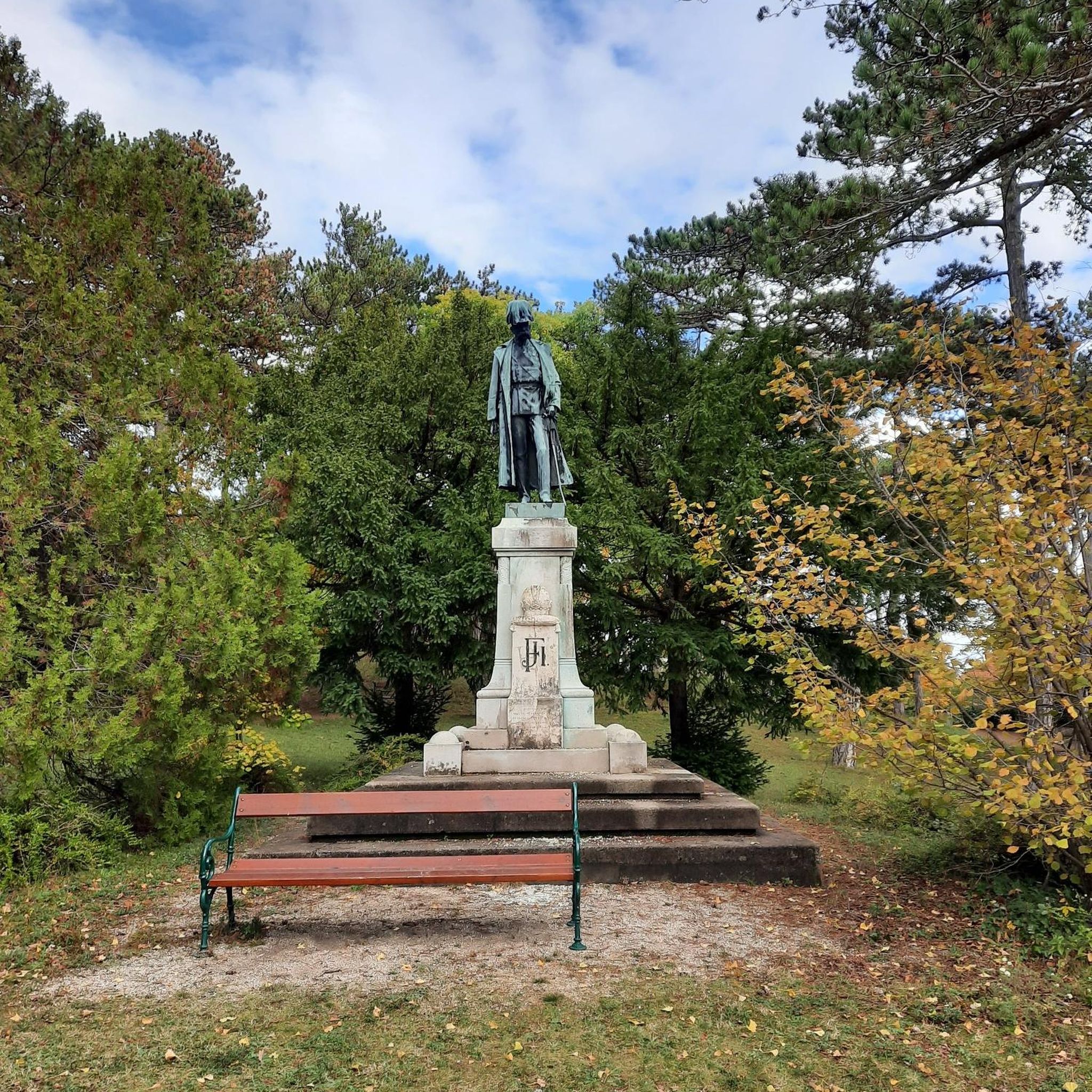

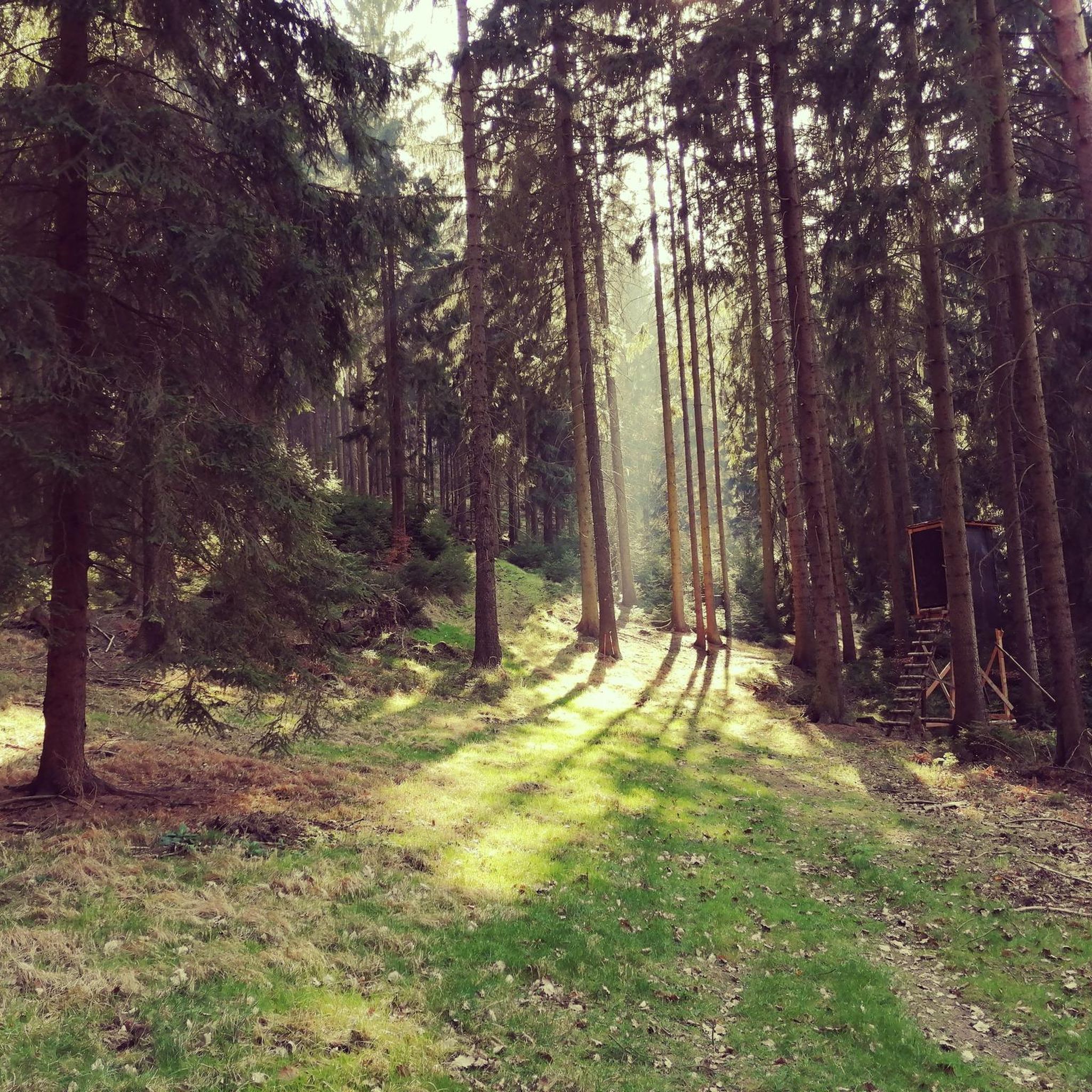
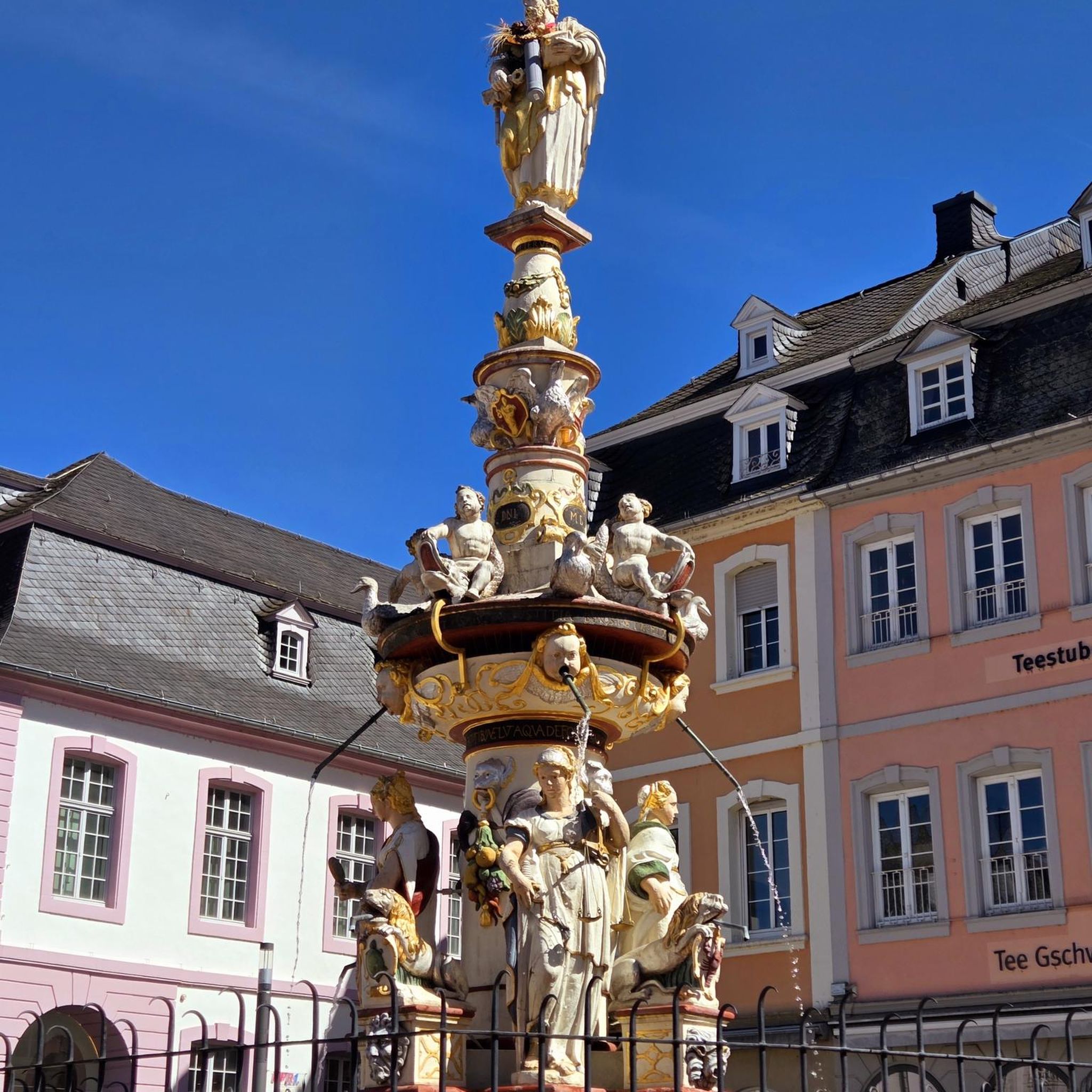


Other adventures in Graubünden


Tips from the Community


In August, cotton grass is a real highlight
0
0

Super large hut, good snack, nice staff
4
0

Starting point for guided glacier tours.
3
0
Always beautiful in Ischgl, the e-bike race for everyone is really fun
4
0

Behind the moon on the left, in the middle of paradise...in Partnun at 1,775 meters above sea level. Whether summer or winter, this mountain hut is a must-visit.
0
0

Good service and Rösti with fried egg as well as the apple strudel were very tasty
2
0
The climb is worth it! The view and peace are a dream
0
0
Frequently Asked Questions
How many mountaineering routes are available in Graubünden?
Graubünden offers over 170 mountaineering routes. The majority are challenging, with 128 routes rated as difficult and 44 as moderate. There is also one easy route available for those seeking a less strenuous experience.
What is the best time of year for mountaineering in Graubünden?
The prime season for mountaineering in Graubünden is typically from late spring through early autumn. While October offers beautiful fall colors for hiking, high-altitude trails can see early snow. Summer is ideal for most high-alpine ascents and climbing routes. Always check local conditions and weather forecasts before heading out.
Are there any family-friendly mountaineering options in Graubünden?
While many mountaineering routes in Graubünden are challenging, there are options for families seeking alpine experiences. For example, the Diavolezza 2,972 meters – Munt Pers Summit loop from Vadret Pers is a moderate route that offers stunning views of glaciated landscapes and is shorter in duration. For younger families or those new to alpine environments, consider exploring the extensive network of hiking trails in the region, which offer varying levels of difficulty.
What kind of natural landmarks can I expect to see along mountaineering routes in Graubünden?
Graubünden's mountaineering routes often feature dramatic natural landmarks. You can encounter majestic peaks like Piz Bernina, impressive glaciers such as the Morteratsch Glacier, and deep gorges. Notable natural attractions include the Viamala Gorge with its steep rock walls, and the Rhine Gorge, often called the 'Swiss Grand Canyon'. Many routes also lead to pristine alpine lakes and offer panoramic viewpoints.
Are there any circular mountaineering routes in Graubünden?
Yes, many mountaineering routes in Graubünden are designed as loops, allowing you to start and finish at the same point. An example is the challenging Pinut Via Ferrata Entry – Via ferrata Pinut loop from Burgruine Belmont, which includes a via ferrata section. Another is the Winterlücke – Jöriseen Lakes loop from Flüela Wisshorn, exploring high alpine terrain and glacial lakes.
What do other mountaineers enjoy most about the routes in Graubünden?
The mountaineering routes in Graubünden are highly rated by the komoot community, with an average score of 4.9 stars from over 240 reviews. Reviewers often praise the diverse alpine landscapes, the well-maintained trails, and the breathtaking views of peaks, glaciers, and pristine lakes. The variety of routes, from challenging via ferratas to high-alpine ascents, is also frequently highlighted.
Are there routes that offer access to mountain huts for overnight stays?
Yes, Graubünden has a network of mountain huts that can be incorporated into longer mountaineering tours. These huts provide shelter and often food, making multi-day expeditions possible. Examples of huts in the region include Heidelberger Hut, Carschina Hut, and Berghaus Diavolezza. It's advisable to book in advance, especially during peak season.
Can I reach mountaineering trailheads in Graubünden using public transport?
Graubünden is well-served by public transport, and many trailheads are accessible by train or bus. For instance, the Lake Toma (Lai da Tuma) – Tomasee (Source of the Rhine) loop from Oberalppass starts from a pass that is typically accessible by public transport. The region's excellent railway network, including the UNESCO World Heritage-listed Bernina and Albula lines, often provides convenient access to alpine areas.
Are there any routes that lead to the source of a major river?
Yes, you can embark on a mountaineering route that takes you to the source of a significant river. The Source of the Inn River – Flüela Schwarzhorn loop from Flüelapass is a moderate route that allows you to explore the origins of the Inn River, a major tributary of the Danube, while also summiting Flüela Schwarzhorn.
What are some challenging mountaineering routes for experienced climbers?
For experienced mountaineers, Graubünden offers numerous challenging routes. The Sulzfluh Via Ferrata – Sulzfluh Summit (2,818 m) loop from P6 (Garstätt) is a difficult route that includes a via ferrata section to a prominent summit. Another demanding option is the Fuorcla Albana (2870 m) – Piz Julier Summit loop from Chamanna dal Stradin, which involves a significant elevation gain to reach Piz Julier.
Are there any routes that offer views of multiple glacial lakes?
Yes, some routes in Graubünden are specifically known for their stunning views of glacial lakes. The Piz Tambo – Laghetti del Tamburello loop from Splügen Pass is a difficult route that takes you past the beautiful Laghetti del Tamburello, offering a classic high-alpine experience with multiple water features.
Most popular routes in Graubünden
Most popular attractions in Graubünden

Get inspired with the komoot mobile app


Didn’t find what you were looking for?
Check out more Mountain Hikes & Routes throughout Graubünden below and find the perfect route in your destination.
Explore more
Browse the best Mountain Hikes & Routes in other regions.
