The best cycling routes around Saint-Lucien
4.5
(277)
1,512
riders
167
rides
Touring cycling around Saint-Lucien offers routes through a landscape characterized by gentle, rolling terrain and historical landmarks. The region features a mix of rural paths, open fields, and areas around ponds and mills. Elevation changes are generally moderate, making the area suitable for various touring cycling experiences.
Best touring cycling routes around Saint-Lucien
- The most popular touring cycling route is Maintenon – Maintenon Castle loop from Hanches, a 14.5 miles (23.3 km) trail that takes 1 hour 22 minutes…
Last updated: July 2, 2026
4.0
(9)
58
riders
106km
06:28
640m
640m
Hard bike ride. Very good fitness required. Mostly paved surfaces. Suitable for all skill levels.
5.0
(2)
9
riders
32.2km
01:55
160m
160m
Moderate bike ride. Good fitness required. Mostly paved surfaces. Suitable for all skill levels.

Sign up for free
3.0
(1)
9
riders
Easy bike ride. Great for any fitness level. Mostly paved surfaces. Suitable for all skill levels.
5.0
(2)
9
riders
29.6km
01:52
150m
150m
Easy bike ride. Great for any fitness level. Mostly paved surfaces. Suitable for all skill levels.
8
riders
Easy bike ride. Great for any fitness level. Mostly paved surfaces. Suitable for all skill levels.
Get access to more routes and recommendations from other explorers.
Sign up for free
Already have an account?
Our route recommendations are based on thousands of hikes, rides, and runs completed by other people on komoot.
Start today with a free account
Your next adventure awaits.
Login or Signup


Tips from the Community

There were once two parishes in Maintenon: "St. Nicholas," a parish serving the castle and its dependent houses. The church of St. Nicholas, adjoining the castle, now deconsecrated, still stands on Maintenon's main square. "St. Peter," a parish covered by the surveys in this table, is a current parish in the commune. In addition, there was a priory, founded in 1220 under the name of the Priory of Our Lady of Maintenon. The church of Saint-Pierre in Maintenon is mentioned at the beginning of the 12th century, but nothing appears to have survived from this period. Indeed, the Count of Montgomery, a Huguenot, passed through Maintenon in 1567 and ruined the church. In 1692, Madame de Maintenon rebuilt the church of Saint-Pierre, which had fallen into ruin and had become too small for a population that had grown from 700 to 1,100 with the arrival of labor for the construction of the aqueduct. However, there is no evidence that the new church was built on the site of the old one. The foundation stone of the new church of Saint-Pierre was laid on June 4, 1692, by the Vicar General. The blessing took place on July 17, 1694. Bishop Godet des Marais subsequently consecrated the building. In 1736, the large "Henriette" bell was blessed by Mr. Jean François DEREYROLES, parish priest, in the presence of "the Most High and Most Powerful Lord, Monsignor Jean Paul François de NOAILLES, Count of AYEN" and by "the Most High and Most Powerful Lady, Madame Henriette Louise DAGUESSEAU de FRESNE, Countess of AYEN." From 1805 to 1813, Duke Jean-Paul de NOAILLES and his wife refurnished and decorated the Saint-Pierre church (the woodwork, credenzas, and pews were redone). The church's embellishment continued until 1899. The church's architecture is unremarkable. However, it is listed as one of the few Baroque churches in the department. The choir is flanked on one side by a sacristy and on the other by a room called "the vault." This is because, until the 1990s, it contained the bodies of some members of the Noailles family, who were buried there in stacked boxes that are still visible, but disused. The organ, installed in the gallery, is no longer in use. It had been partially dismantled for a renovation that proved too expensive, and some of the pipes were stolen. During the 1939-1945 war, almost all of the old stained-glass windows were destroyed and replaced with modern ones, the work of a master glassmaker from the region: Victor Cot-Dezan.
0
0
According to tradition, the church choir covers the remains of an older building, possibly dating back to the 6th century, which was built to house the saint's body. According to current knowledge, the commune of Saint-Piat (Sanctus Piatus in Latin) officially appeared in 1087, mentioned in a charter of the Nottonville Priory (Eure-et-Loir), on which it depended. The current building was rebuilt during the time of Francis I, as suggested by the date 1535 engraved on two buttresses of the apse and the date 1542 engraved on a piece of wood from the vault. This is according to a study by the SAEL (Eure-et-Loir Archaeological Society). The three-sided apses, the dripstone towers (horizontal members projecting from a wall), and the sculpted roof structures are a testament to the importance of the reconstructions carried out in the department during the 16th century. The church of Saint-Piat is one of them. While the church has not been officially recognized, it nevertheless contains objects that have attracted attention both for their antiquity and quality, but not always for good reason. Their artistic value, far from attracting only religious or aesthetic interest, has also aroused a covetousness that, unfortunately, remains for some of them. Fortunately, those still in place are carefully cared for and offer the curious a story to discover, a beauty to slowly ponder as they progress toward the choir.
0
0

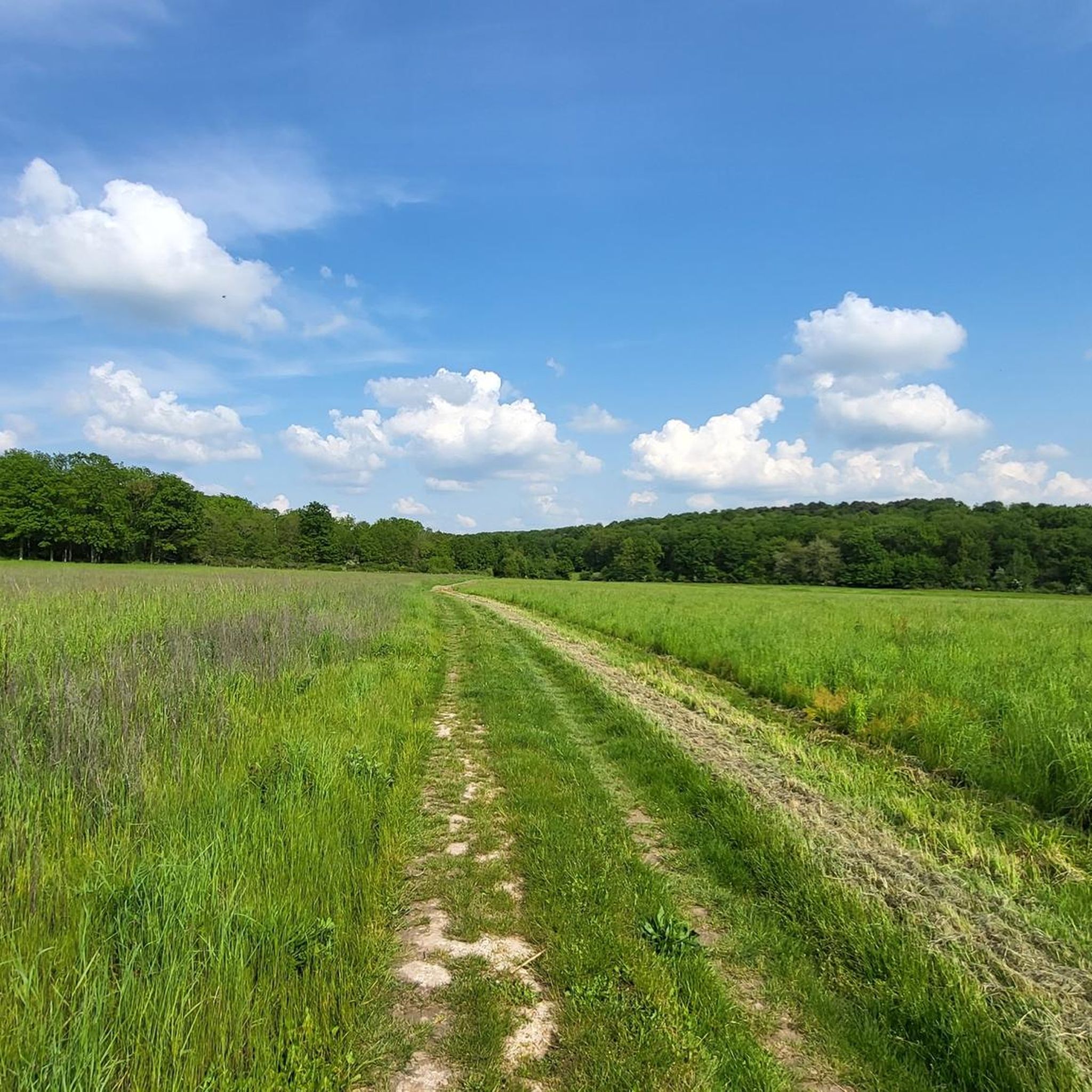
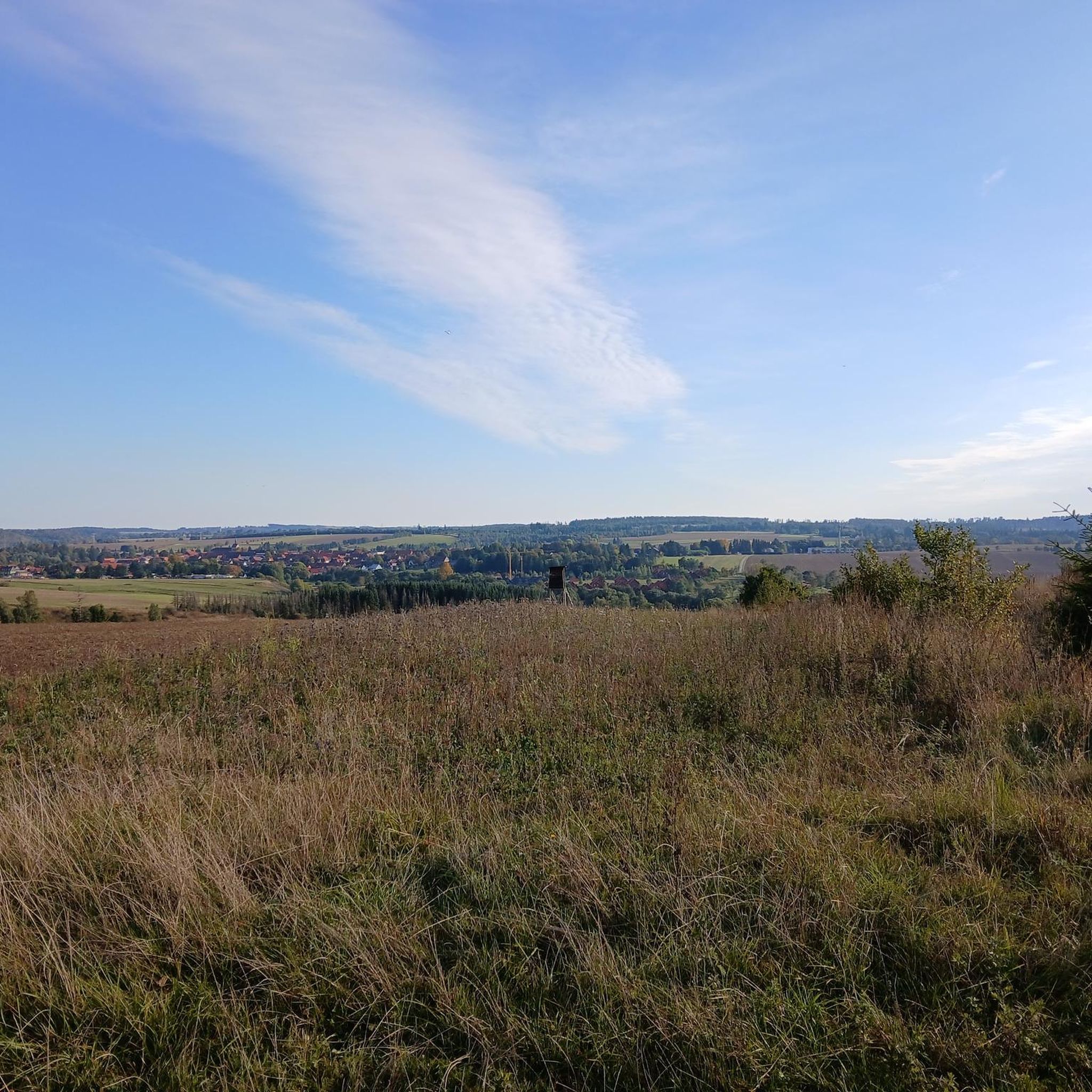
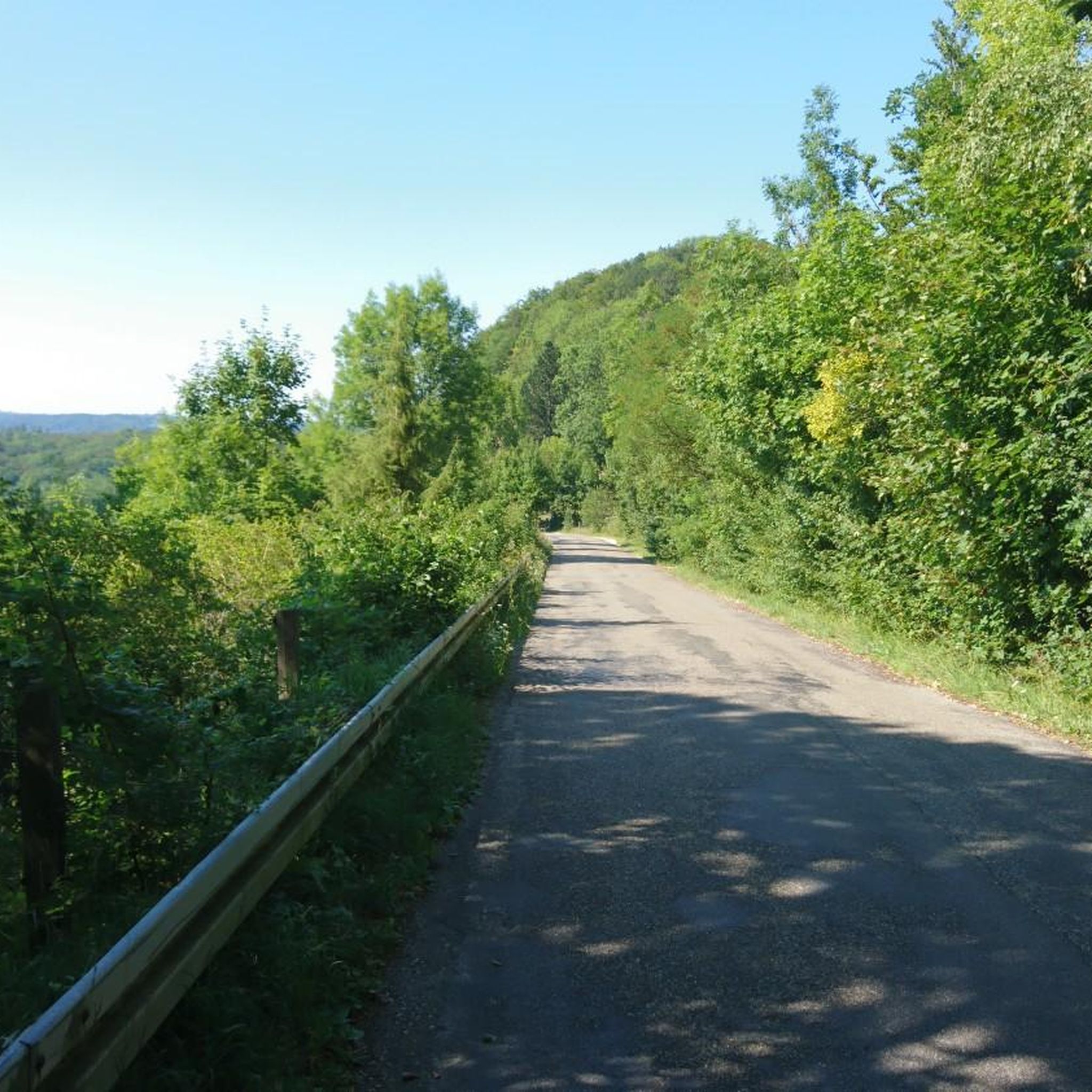
more road and fields than forest areas but still nice
0
0

A short stroll through fields, suitable for a walk of about two hours for all levels, pleasant, but nothing more, quite "flat". The visit to the park and the castle of Maintenon deserve more attention than this walk.
0
0


Situated on the banks of the Eure River, the village of Maintenon boasts a peaceful atmosphere and rich heritage. Dominated by its Renaissance castle and famous for its unfinished aqueduct designed by Vauban, the town invites you to stroll. The ancient streets, the banks of the Eure River, and the Louis XIV Canal provide an ideal setting for a break in the footsteps of history.
0
0

The Plateau mill is a large water mill, equipped with two turbines producing their own electricity.
0
0
Frequently Asked Questions
How many touring cycling routes are available around Saint-Lucien?
There are over 150 touring cycling routes around Saint-Lucien, offering a wide range of options for different skill levels and preferences. You'll find a good mix of easy, moderate, and difficult paths to explore.
Are there easy touring cycling routes suitable for beginners in Saint-Lucien?
Yes, Saint-Lucien offers over 70 easy touring cycling routes. These paths typically feature gentle, rolling terrain, making them ideal for beginners or those looking for a relaxed ride. An excellent option is the Maintenon – Maintenon Castle loop from Hanches, which is 14.5 miles (23.3 km) long and passes by the historic Maintenon Castle.
What kind of terrain can I expect on touring cycling routes in Saint-Lucien?
The touring cycling routes around Saint-Lucien are characterized by gentle, rolling terrain, rural paths, and open fields. You'll also find areas around tranquil ponds and historic mills. Elevation changes are generally moderate, providing a pleasant cycling experience without overly strenuous climbs.
Are there any circular touring cycling routes in the area?
Yes, many of the touring cycling routes in Saint-Lucien are designed as loops, allowing you to start and end your journey at the same point. For example, the Trial – Étang de Raizeux loop from Hanches is a 25.5 miles (41.0 km) circular trail that takes you through scenic areas around the Étang de Raizeux.
What are some interesting landmarks or attractions I can see along the touring cycling routes?
The region around Saint-Lucien is rich in historical and natural sights. Along your rides, you might encounter landmarks such as the Saint-Piat Mill, the impressive Château de Mormoulins, or the unique Pont Rouge on the Louis XIV Canal. These attractions add a cultural and historical dimension to your cycling adventure.
Are the touring cycling routes in Saint-Lucien suitable for families?
Given the gentle, rolling terrain and the abundance of easy routes, many touring cycling paths in Saint-Lucien are well-suited for families. These routes often follow rural paths away from heavy traffic, providing a safer and more enjoyable experience for all ages. Look for routes marked as 'easy' for the most family-friendly options.
Can I bring my dog on the touring cycling trails in Saint-Lucien?
Many of the rural paths and open fields around Saint-Lucien are suitable for cycling with a well-behaved dog, provided they are on a leash and you adhere to local regulations regarding pets in public spaces. Always be mindful of agricultural areas and wildlife. It's advisable to check specific route details for any restrictions.
What is the best time of year for touring cycling in Saint-Lucien?
The spring and autumn months generally offer the most pleasant conditions for touring cycling in Saint-Lucien, with mild temperatures and beautiful scenery. Summer can also be enjoyable, though it's wise to start earlier in the day to avoid the midday heat. The gentle terrain makes cycling feasible for much of the year, weather permitting.
Are there any longer, more challenging touring cycling routes for experienced riders?
Yes, for experienced touring cyclists seeking a greater challenge, Saint-Lucien offers several difficult routes. The Maintenon – Saint-Piat Mill loop from Faverolles is a notable example, covering 66.0 miles (106.2 km) and offering extensive views of the rural landscape, ideal for a full day's adventure.
What do other touring cyclists enjoy most about cycling in Saint-Lucien?
The touring cycling experience in Saint-Lucien is highly rated by the komoot community, with an average score of 4.6 stars from over 400 reviews. Cyclists often praise the region's tranquil rural landscapes, the historical landmarks encountered along the way, and the variety of routes catering to different skill levels, from easy loops to more challenging long-distance rides.
Where can I park my car when starting a touring cycling route in Saint-Lucien?
While specific parking information varies by route, many touring cycling routes around Saint-Lucien start from or pass through villages and towns like Hanches, Faverolles, or Raizeux. These locations typically offer public parking facilities. It's always a good idea to check the starting point of your chosen route for available parking options beforehand.
Most popular routes around Saint-Lucien
Most popular attractions around Saint-Lucien

Get inspired with the komoot mobile app


Explore more
Browse the best Cycling routes in other regions.
