The best walks and hikes around Louvemont-Côte-Du-Poivre
4.6
(467)
2,352
hikers
242
hikes
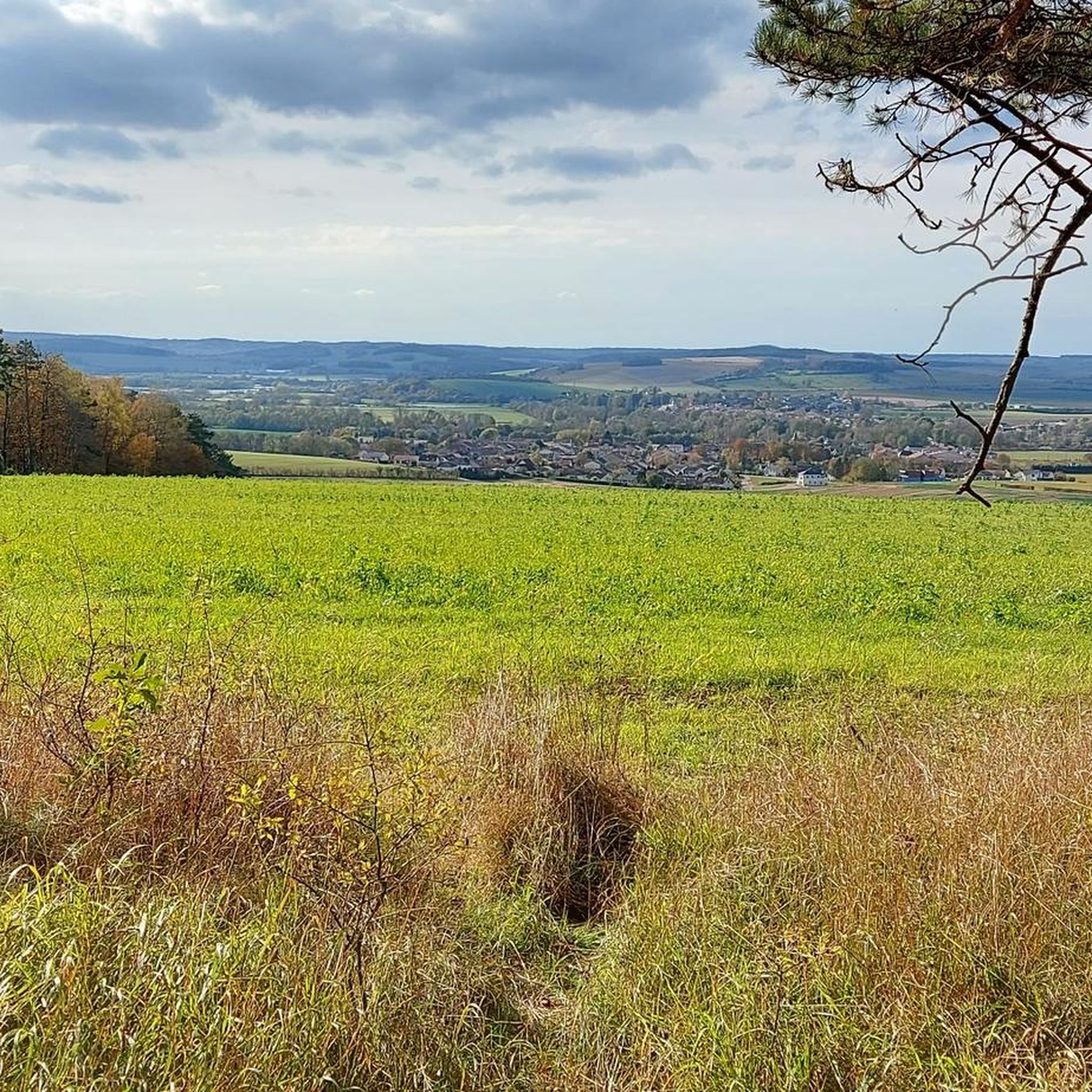
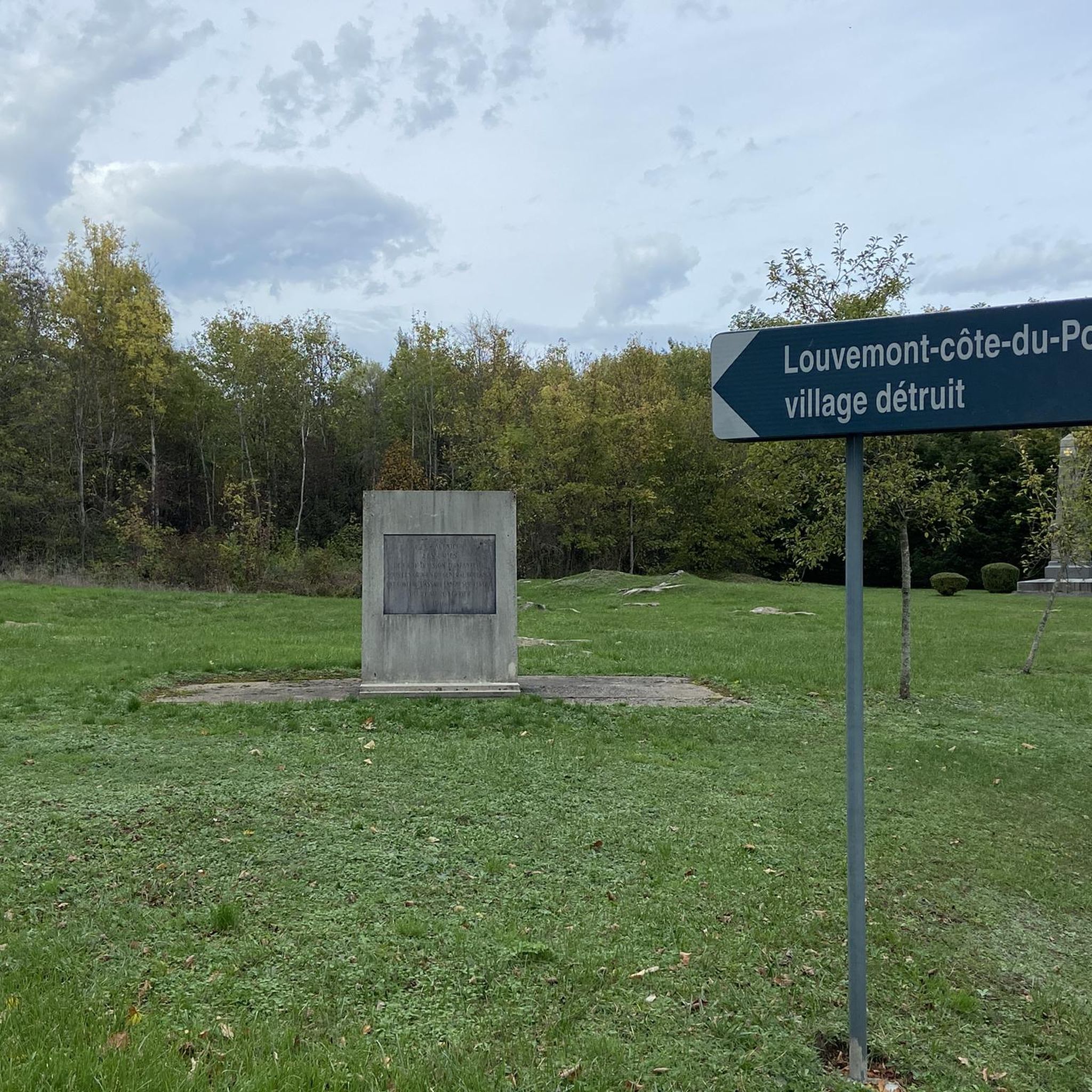
Hiking around Louvemont-Côte-Du-Poivre offers a unique exploration of a "village détruit" from World War I, situated within the Verdun battlefield. The landscape is characterized by the strategic Côte du Poivre ridge, which still bears the scars of intense historical conflict. Hikers will encounter the scattered foundations of the former village, including remnants of homes and the church, alongside overgrown trenches and shell craters that define this poignant site of remembrance.
Best hiking trails around Louvemont-Côte-Du-Poivre
- The most popular hiking route…
Last updated: July 5, 2026
4.5
(19)
50
hikers
13.7km
03:50
270m
270m
Moderate hike. Good fitness required. Easily-accessible paths. Suitable for all skill levels.
4.7
(41)
135
hikers
10.2km
02:46
150m
150m
Moderate hike. Good fitness required. Easily-accessible paths. Suitable for all skill levels.

Sign up for free
4.5
(24)
71
hikers
14.6km
04:01
250m
250m
Moderate hike. Good fitness required. Easily-accessible paths. Suitable for all skill levels.
4.8
(15)
51
hikers
8.39km
02:16
110m
110m
Moderate hike. Good fitness required. Easily-accessible paths. Suitable for all skill levels.
5.0
(3)
34
hikers
Easy hike. Great for any fitness level. Easily-accessible paths. Suitable for all skill levels.
Get access to more routes and recommendations from other explorers.
Sign up for free
Already have an account?
Our route recommendations are based on thousands of hikes, rides, and runs completed by other people on komoot.
Start today with a free account
Your next adventure awaits.
Login or Signup


Tips from the Community

Traces and relics of the terrible events of the First World War between 1914 and 1918 can be found throughout the area.
0
0

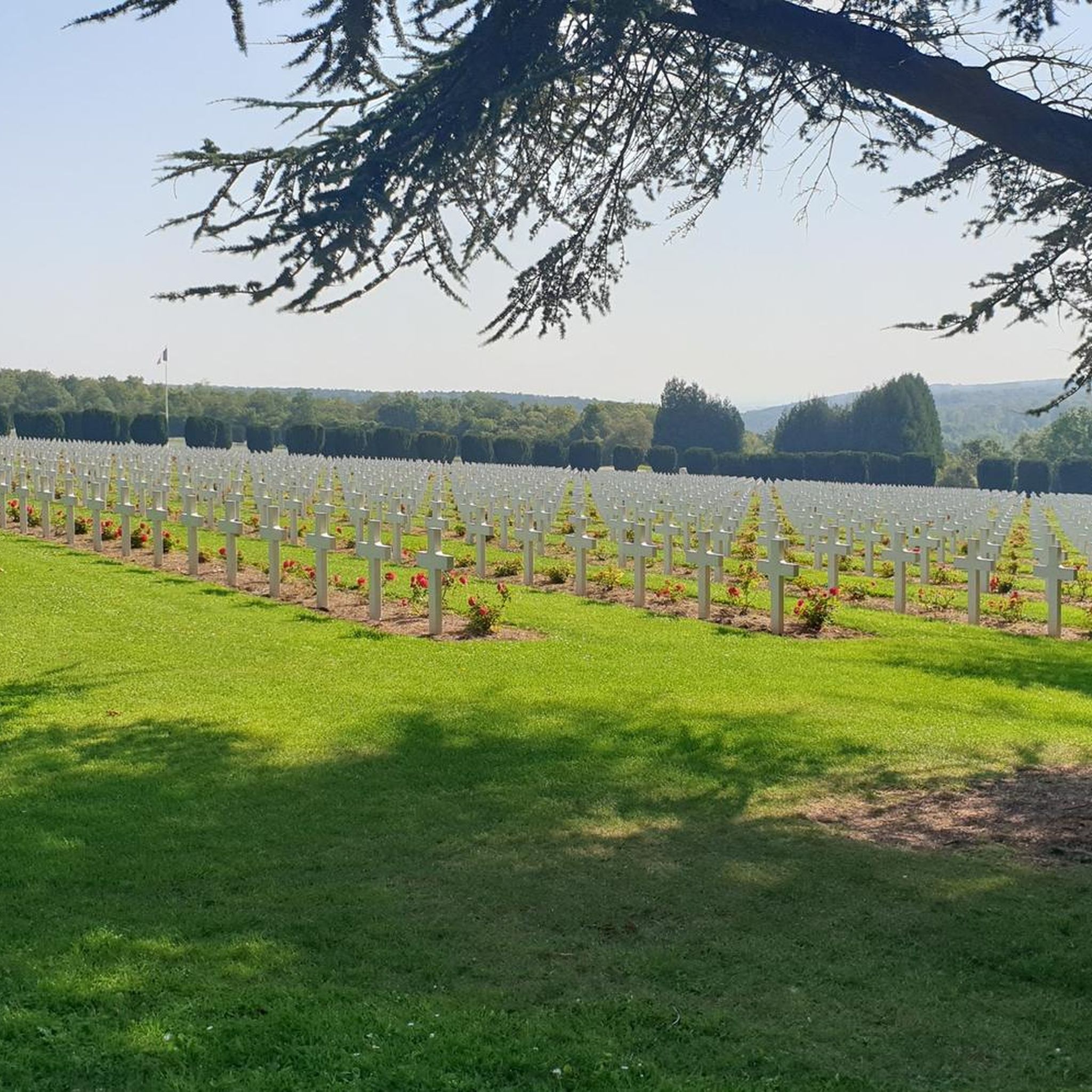
16,000 fallen French soldiers are buried here. War is so pointless.
0
0

The Douaumont National Necropolis was established in 1923 on 14.4 hectares and officially inaugurated on June 23, 1929, by French President Gaston Doumergue. The cemetery contains 16,142 graves of French soldiers, including a Muslim section with 592 steles and monuments dedicated to soldiers of both Muslim and Jewish faiths.
2
0
It shows the senselessness of war. It's easy to miss, which has its advantages when we want to protect loved ones (e.g., children) from this macabre sight.
3
0

The Ossuary of Douaumont is an impressive memorial that holds the remains of more than 130,000 unknown French and German soldiers who died during the Battle of Verdun (1916). The bones are visible through small windows in the base – a confronting reminder of the horrors of war. In front of the ossuary is the Nécropole nationale de Douaumont, the largest French military cemetery of the First World War, with 16,142 graves, including a Muslim and Jewish plot. The complex was recognized as a UNESCO World Heritage Site in 2023.
8
0
Since 2006, a monument has stood on the hill of Douaumont in memory of the 30,000 Muslim soldiers who died for France during the First World War. Inaugurated by President Jacques Chirac, it consists of a semicircular gallery with Arab architectural elements. In the middle is a column with the inscription: “À la mémoire des soldats musulmans morts pour la France”. The monument recognizes the diversity of the French army and honors the contribution of soldiers from North Africa and other parts of the then French empire.
8
0
This monument depicts a recumbent French soldier and is dedicated to André Thomé, a member of parliament who volunteered for the front and was killed at Verdun on 10 March 1916. Although exempted from service as a politician, he chose to fight. The sculpture, by Alexandre Descatoire, is entitled Le Soldat du Droit – the soldier of the right – and symbolises the sacrifice of just men for a higher ideal.
7
0
The Mémorial de Verdun, located near the ruined village of Fleury-devant-Douaumont, is a leading museum and commemoration site for the Battle of Verdun (1916). The museum displays more than 2,000 objects and uses authentic objects, photographs and audiovisual installations to show how French and German soldiers experienced this battle – in the exact same place where they fought.
8
3
Frequently Asked Questions
How many hiking trails are available around Louvemont-Côte-Du-Poivre?
There are over 230 hiking routes available in the Louvemont-Côte-Du-Poivre area. These range from easy historical walks to more moderate trails that explore the wider Verdun battlefield.
What kind of landscape can I expect when hiking around Louvemont-Côte-Du-Poivre?
The landscape around Louvemont-Côte-Du-Poivre is profoundly shaped by its World War I history. You'll hike through the strategic "Côte du Poivre" (Pepper Ridge), which still bears the scars of intense conflict. Expect to see remnants of the destroyed village, including scattered foundations of homes and the church, alongside overgrown trenches and shell craters. It's a unique, somber, and deeply evocative environment.
Are there any significant historical sites or landmarks to see while hiking?
Yes, the entire area is an open-air museum of remembrance. While hiking, you can visit key sites such as the Douaumont Ossuary, the Verdun Memorial, and the remains of the village itself, including the Chapel of Saint-Pierre-aux-Liens. Many trails connect these poignant landmarks.
What are the typical difficulty levels for hikes in this area?
The hiking trails around Louvemont-Côte-Du-Poivre primarily offer easy to moderate difficulty levels. Out of over 230 routes, 122 are considered easy and 103 are moderate, making them accessible for most hikers interested in historical exploration. There are also a few more difficult options for experienced hikers.
Are there many circular hiking routes available?
Yes, many of the trails in the area are designed as circular routes, allowing you to start and end at the same point. For example, the Verdun Battlefield Memorials Loop is a popular circular trail that connects several significant historical sites.
When is the best time of year to hike in Louvemont-Côte-Du-Poivre?
Spring and autumn generally offer the most pleasant conditions for hiking, with milder temperatures and beautiful foliage. However, the historical significance of the site makes it a meaningful visit year-round. Be prepared for potentially muddy conditions in wetter months and ensure you wear appropriate footwear.
Are the hiking trails around Louvemont-Côte-Du-Poivre suitable for families?
Yes, many of the easier trails are suitable for families, especially those with older children who might appreciate the historical context. The contemplative nature of the site offers a unique educational experience. Always check the specific trail's length and difficulty before heading out with children.
Can I bring my dog on the hiking trails?
While the region is an outdoor area, specific rules for dogs on historical sites can vary. Generally, dogs are permitted on trails but should be kept on a leash to respect the solemnity of the site and protect any remaining historical features. Always check local signage for any specific restrictions.
Is parking available near the trailheads?
Yes, as a significant historical site, there are usually designated parking areas available near the main points of interest and trailheads, particularly around the Verdun battlefield memorials. It's advisable to check specific starting points for parking information.
What do other hikers enjoy the most about hiking in Louvemont-Côte-Du-Poivre?
The area is highly rated by the komoot community, with an average score of 4.5 stars from over 400 reviews. Reviewers often praise the profound historical experience, the well-preserved remnants of the past, and the unique opportunity to walk through such a significant battlefield. The contemplative atmosphere is frequently highlighted.
Are there any easy hikes for beginners or those looking for a shorter walk?
Yes, there are numerous easy trails perfect for beginners or those seeking a shorter, less strenuous experience. For instance, the Retractable Gun Turret – Fort Douaumont loop from Douaumont is an easy 3.3-mile trail that can be completed in about 1 hour 23 minutes, offering a glimpse into historical fortifications.
How can I learn more about the history of Louvemont-Côte-Du-Poivre?
To deepen your understanding, consider visiting the Verdun Memorial, which offers extensive information and exhibits. You can also find more context about the destroyed village of Louvemont-Côte-Du-Poivre on tourisme-verdun.com.
Most popular routes around Louvemont-Côte-Du-Poivre
Most popular attractions around Louvemont-Côte-Du-Poivre

Get inspired with the komoot mobile app


Explore more
Browse the best Hikes in other regions.
