The best MTB trails around Vaux-Devant-Damloup
4.6
(160)
1,311
riders
120
rides
Mountain biking around Vaux-Devant-Damloup offers routes through the Meuse department in the Grand Est region of northeastern France. The terrain is characterized by a mix of historical battlefields and regenerating natural areas, including forests. Riders can explore landscapes shaped by history, with remnants of the "red zone" now reclaimed by nature. The region provides diverse trails suitable for various skill levels, often passing by tranquil natural features like the Vaux pond.
Best mountain bike trails around Vaux-Devant-Damloup
- The most popular…
Last updated: July 5, 2026
4.8
(6)
31
riders
24.6km
02:05
370m
370m
Moderate mountain bike ride. Good fitness required. Suitable for all skill levels.
4.6
(8)
25
riders
26.9km
02:04
360m
360m
Moderate mountain bike ride. Good fitness required. Advanced riding skills necessary.

Sign up for free
5.0
(3)
23
riders
32.1km
01:45
70m
70m
Easy mountain bike ride. Great for any fitness level. Suitable for all skill levels.
5.0
(1)
29
riders
23.9km
01:55
270m
270m
Easy mountain bike ride. Great for any fitness level. Suitable for all skill levels.
4.1
(8)
24
riders
27.4km
02:12
370m
370m
Moderate mountain bike ride. Good fitness required. Advanced riding skills necessary.
Get access to more routes and recommendations from other explorers.
Sign up for free
Already have an account?
Our route recommendations are based on thousands of hikes, rides, and runs completed by other people on komoot.
Start today with a free account
Your next adventure awaits.
Login or Signup
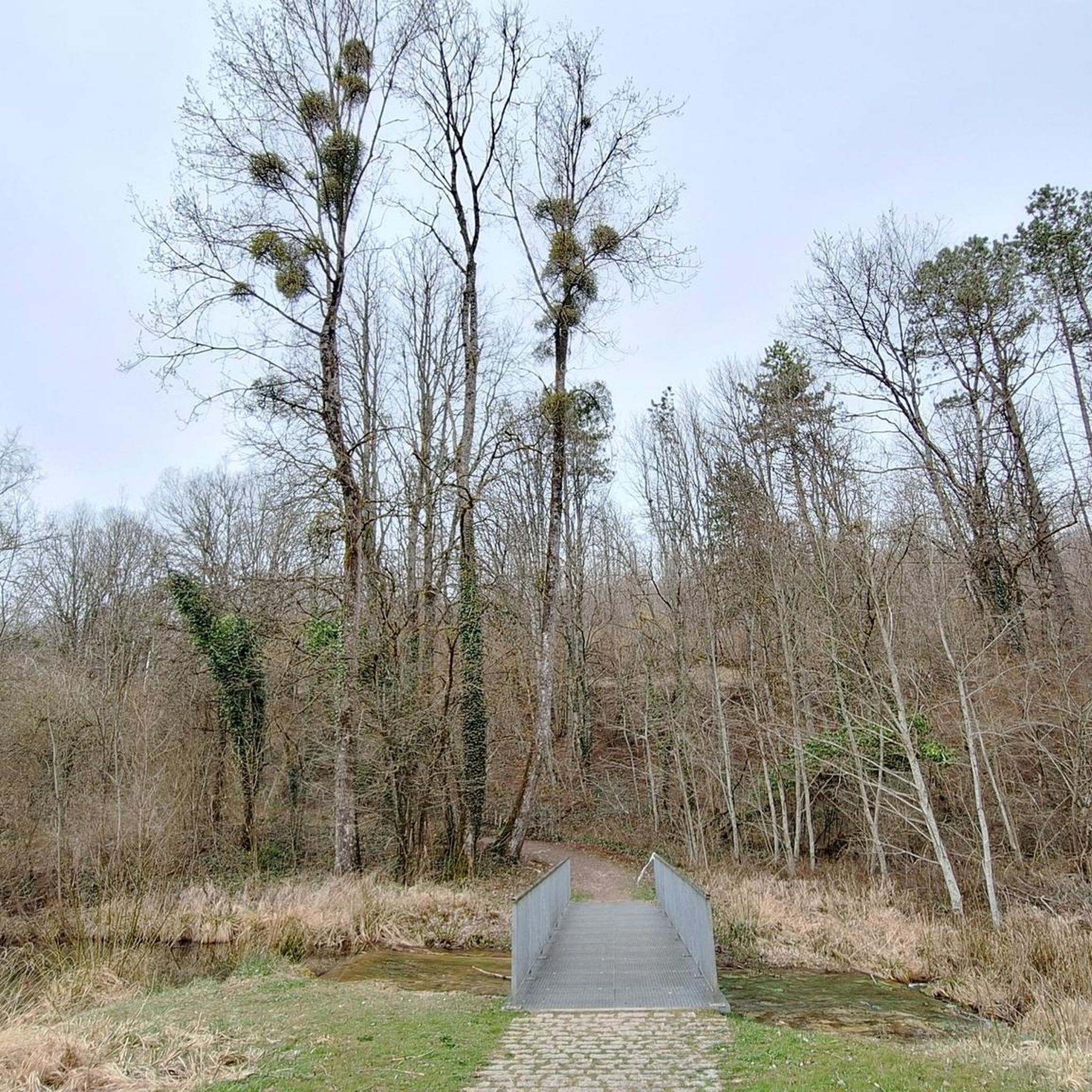
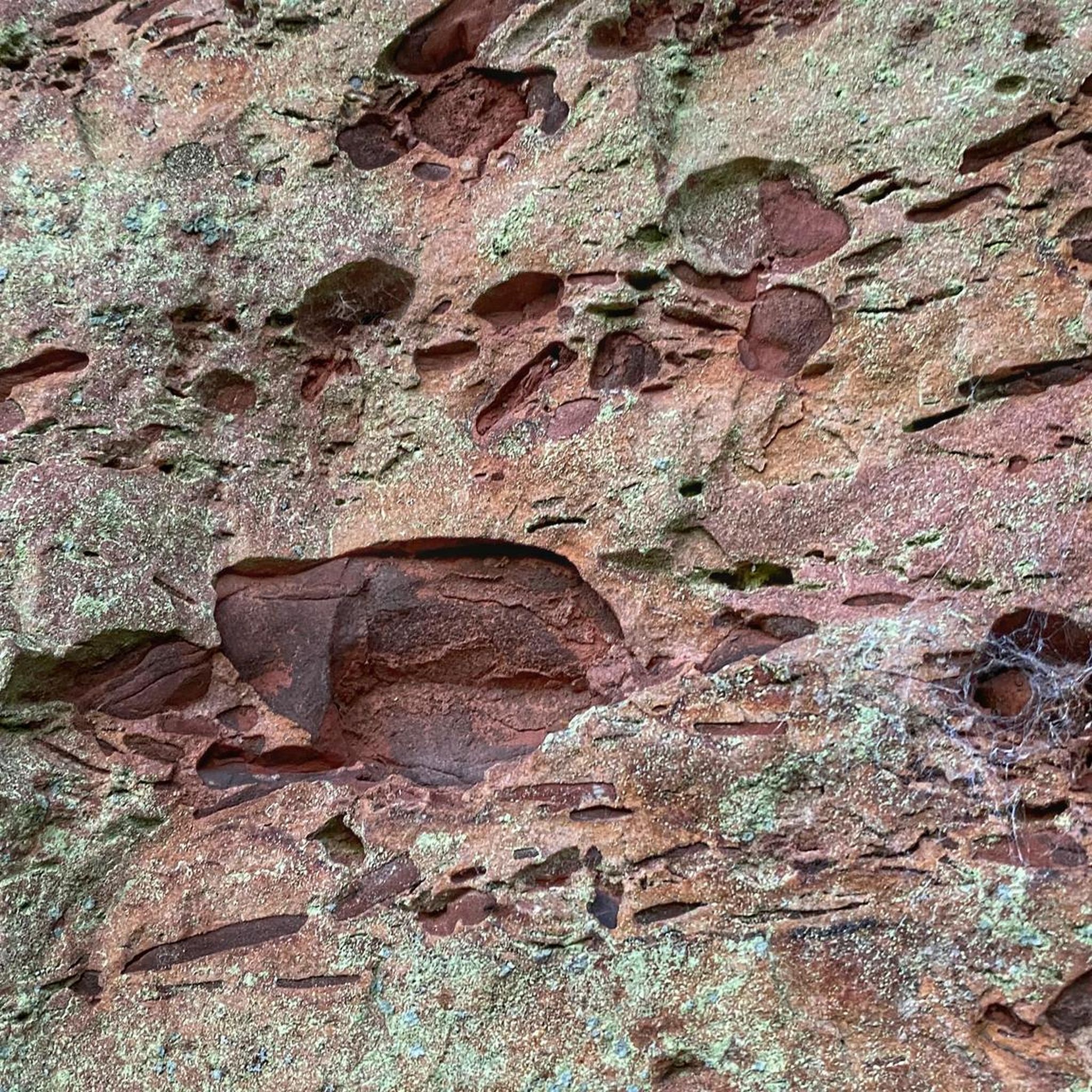
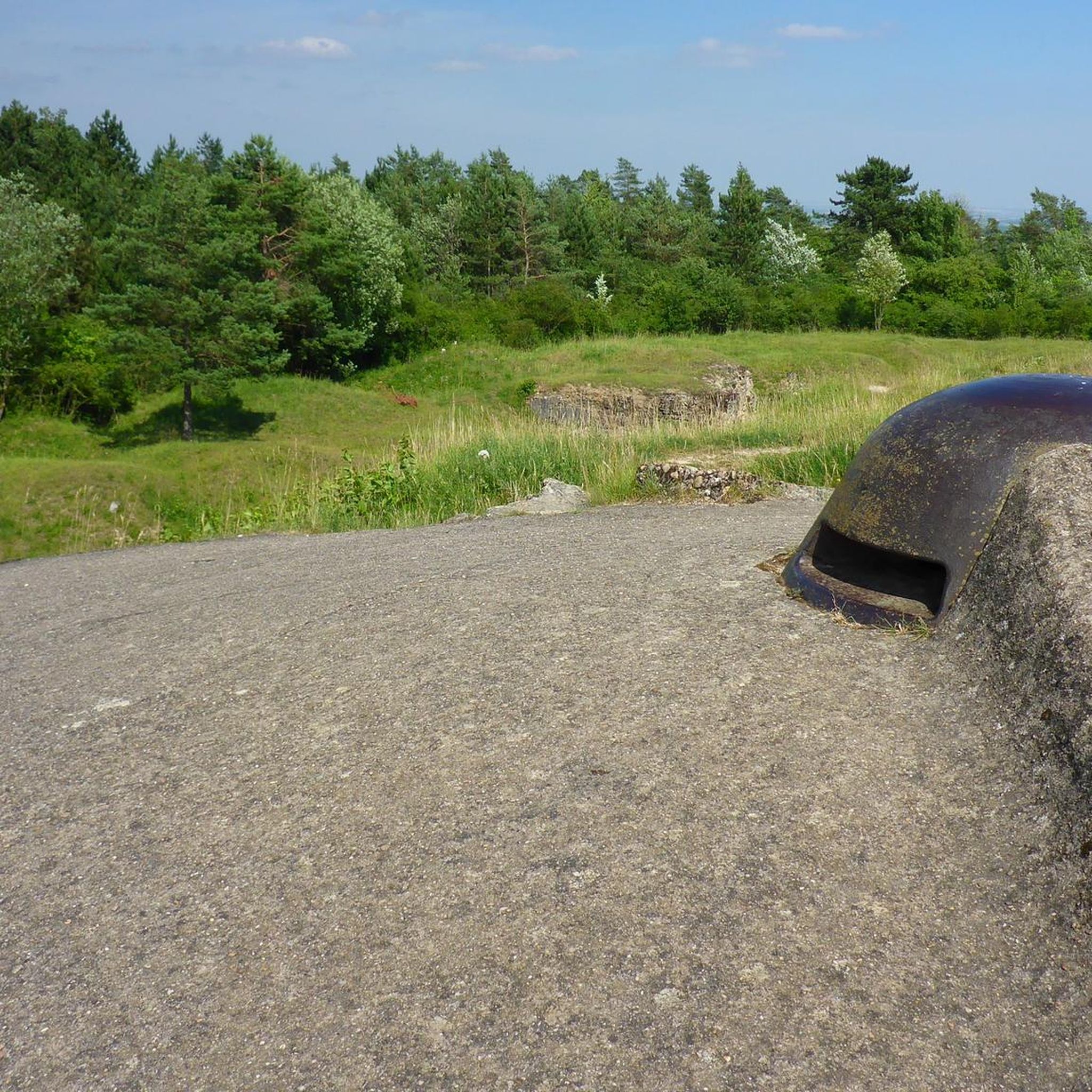

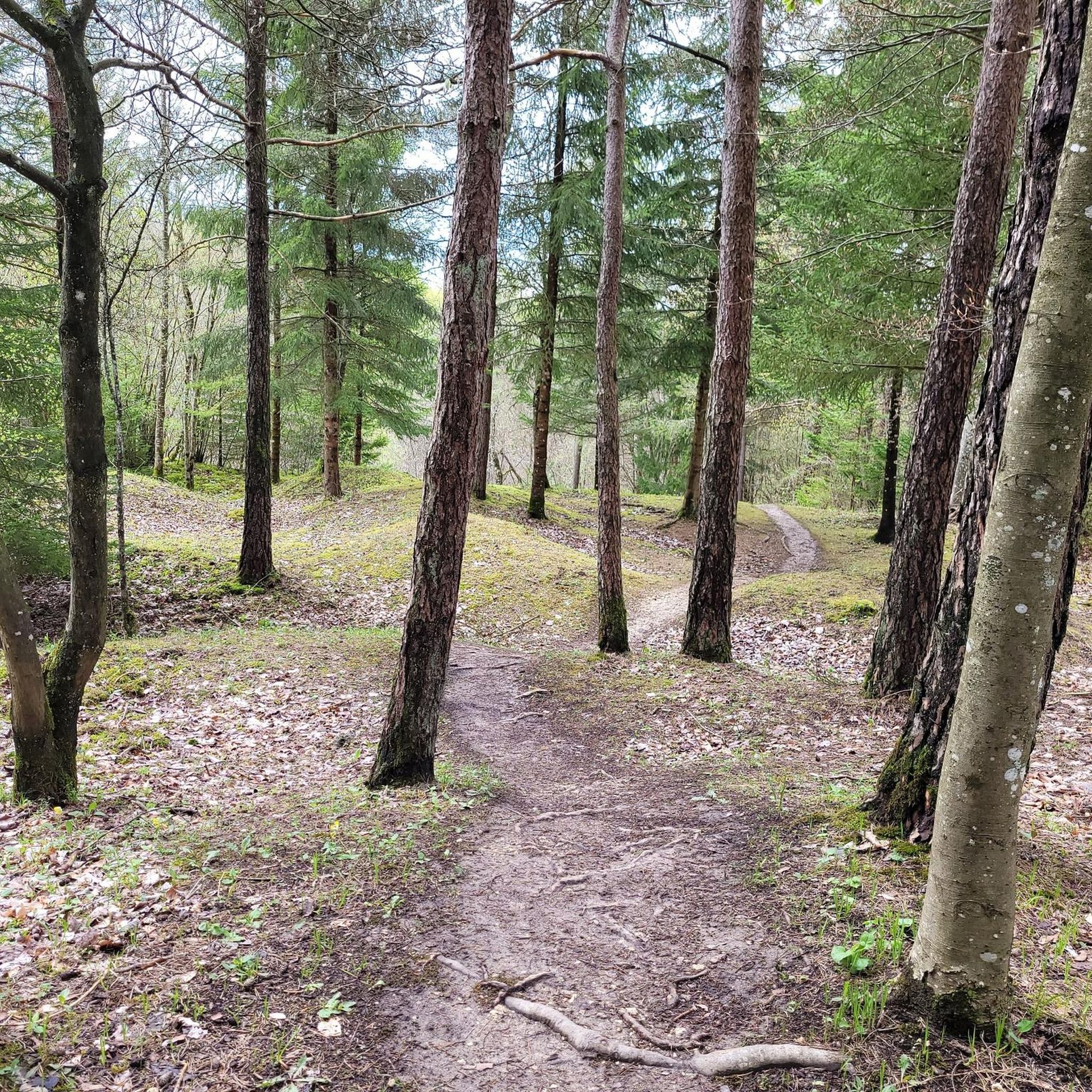
Tips from the Community

Crash site of the Caudron G4, ->Two heroes rest in peace. We will remember them 🌸. If you want to know their stories. I recommend the book by Damien Legrand "A young aviator fallen at Verdun" From Editions coollibri. Facebook page: Chroniques de guerre.
1
0

This beautiful gravel path, known as the Tacot path, connects the Verdun Memorial to Vaux-devant-Damloup. It's the perfect track for picking up speed in a lovely natural setting steeped in history.
0
0

Verdun is a very beautiful city that has been very important since the Middle Ages. It's lovely to walk through the place and admire it.
1
0

Caution, there's a tree across the path. It's possible to bypass it.
0
0
Hello, thank you for your "like." It honors the memory of all those soldiers who remained in the field of honor. And as for hiking, you're right, there's plenty to do while remaining very careful; hell is raging out there. Best regards 💮.
2
0

I highly recommend it, there are a lot of really nice singles
1
0

The Ossuary of Douaumont is an impressive memorial that holds the remains of more than 130,000 unknown French and German soldiers who died during the Battle of Verdun (1916). The bones are visible through small windows in the base – a confronting reminder of the horrors of war. In front of the ossuary is the Nécropole nationale de Douaumont, the largest French military cemetery of the First World War, with 16,142 graves, including a Muslim and Jewish plot. The complex was recognized as a UNESCO World Heritage Site in 2023.
8
0
The Mémorial de Verdun, located near the ruined village of Fleury-devant-Douaumont, is a leading museum and commemoration site for the Battle of Verdun (1916). The museum displays more than 2,000 objects and uses authentic objects, photographs and audiovisual installations to show how French and German soldiers experienced this battle – in the exact same place where they fought.
8
3
Frequently Asked Questions
How many mountain bike trails are available around Vaux-Devant-Damloup?
There are over 115 mountain bike trails in the Vaux-Devant-Damloup area, offering a wide range of options for different skill levels. You'll find 30 easy routes, 52 moderate routes, and 34 difficult routes to explore.
Are there any easy mountain bike trails suitable for beginners or families?
Yes, there are 30 easy mountain bike trails in the region. A good option for an accessible ride is the Tavannes Tunnels loop from Fleury-devant-Douaumont, which is about 19.9 km long and takes you through historical landscapes.
What kind of terrain can I expect on mountain bike trails in Vaux-Devant-Damloup?
The terrain around Vaux-Devant-Damloup is characterized by a unique blend of historical battlefields and regenerating natural areas. You'll ride through forests, past remnants of the 'red zone' reclaimed by nature, and sometimes near tranquil natural features like the Vaux pond. The trails offer a mix of surfaces, from forest paths to more challenging sections.
Are there any circular mountain bike routes available?
Yes, many of the mountain bike trails in the area are circular routes. For example, the popular VTT STS S2-S3 loop from Eix is a moderate 24.3 km loop, and the more challenging Douaumont Ossuary loop from Douaumont covers 40.4 km in a loop.
What historical sites or landmarks can I see while mountain biking in the area?
The region is rich in history, particularly from World War I. Many trails pass by significant sites. You can explore routes near the Douaumont Ossuary, the Verdun Memorial, or even the perimeter of the destroyed village of Vaux-devant-Damloup. The Fort de Doualmont – La Ferme de Thiaumont. loop from Eix is another route that leads through historical sites.
Are there any caves or shelters accessible near the mountain bike trails?
Yes, the area has several historical shelters and caves. You might find routes that pass near the Abri DV3 (Fort de Vaux Shelter) or the Douaumont Cave Shelter. The Gibet Caves are also in the vicinity, offering a glimpse into the region's past.
What do other mountain bikers say about the trails in Vaux-Devant-Damloup?
The mountain bike trails around Vaux-Devant-Damloup are highly rated by the komoot community, with an average score of 4.6 out of 5 stars from over 130 reviews. Riders often praise the unique blend of natural beauty and historical significance, making for a truly immersive experience.
Is there parking available near the mountain bike trailheads?
While specific parking details vary by trailhead, you can generally find parking options near major historical sites like Fort Vaux or the Douaumont Ossuary, which often serve as starting points for many routes. It's advisable to check the route details on komoot for specific parking recommendations.
Can I reach the mountain biking areas by public transport?
Public transport options directly to Vaux-Devant-Damloup are limited. The nearest major town with better public transport links is Verdun. From Verdun, you might need to consider local taxi services or cycling to reach specific trailheads, as direct bus services to the smaller villages are infrequent.
Are there places to eat or drink near the mountain bike trails?
While Vaux-Devant-Damloup itself is a small village, you can find cafes and restaurants in the broader Verdun area. Some historical sites or visitor centers might have small shops or snack bars, especially during peak season. It's always a good idea to pack sufficient water and snacks for your ride.
What is the best time of year to go mountain biking in Vaux-Devant-Damloup?
Spring and autumn generally offer the most pleasant conditions for mountain biking in Vaux-Devant-Damloup, with milder temperatures and beautiful scenery. Summer can be warm, while winter rides are possible but may involve colder temperatures and potentially muddy or icy conditions, especially in forested areas.
Are there any specific natural features to look out for on the trails?
Beyond the historical landscapes, the region features regenerating forests and the tranquil Vaux pond. The area is part of the Meuse department, known for its natural beauty reclaiming areas once impacted by conflict, offering a unique blend of nature and history.
Most popular routes around Vaux-Devant-Damloup
Most popular attractions around Vaux-Devant-Damloup

Get inspired with the komoot mobile app


Explore more
Browse the best MTB trails in other regions.
