Attractions and Places To See around Rüttgen - Top 20
Best attractions and places to see around Rüttgen include a variety of historical sites and natural trails. The area offers opportunities to explore significant historical fortifications and museums, alongside outdoor activities. Visitors can discover the region's past through its industrial heritage and military history. The surroundings of Rüttgen provide diverse attractions for those interested in both cultural exploration and natural landscapes.
Best attractions and places to see around Rüttgen
- The most popular attractions is Rock Garden Trail at Haard Nature…
Last updated: October 9, 2026
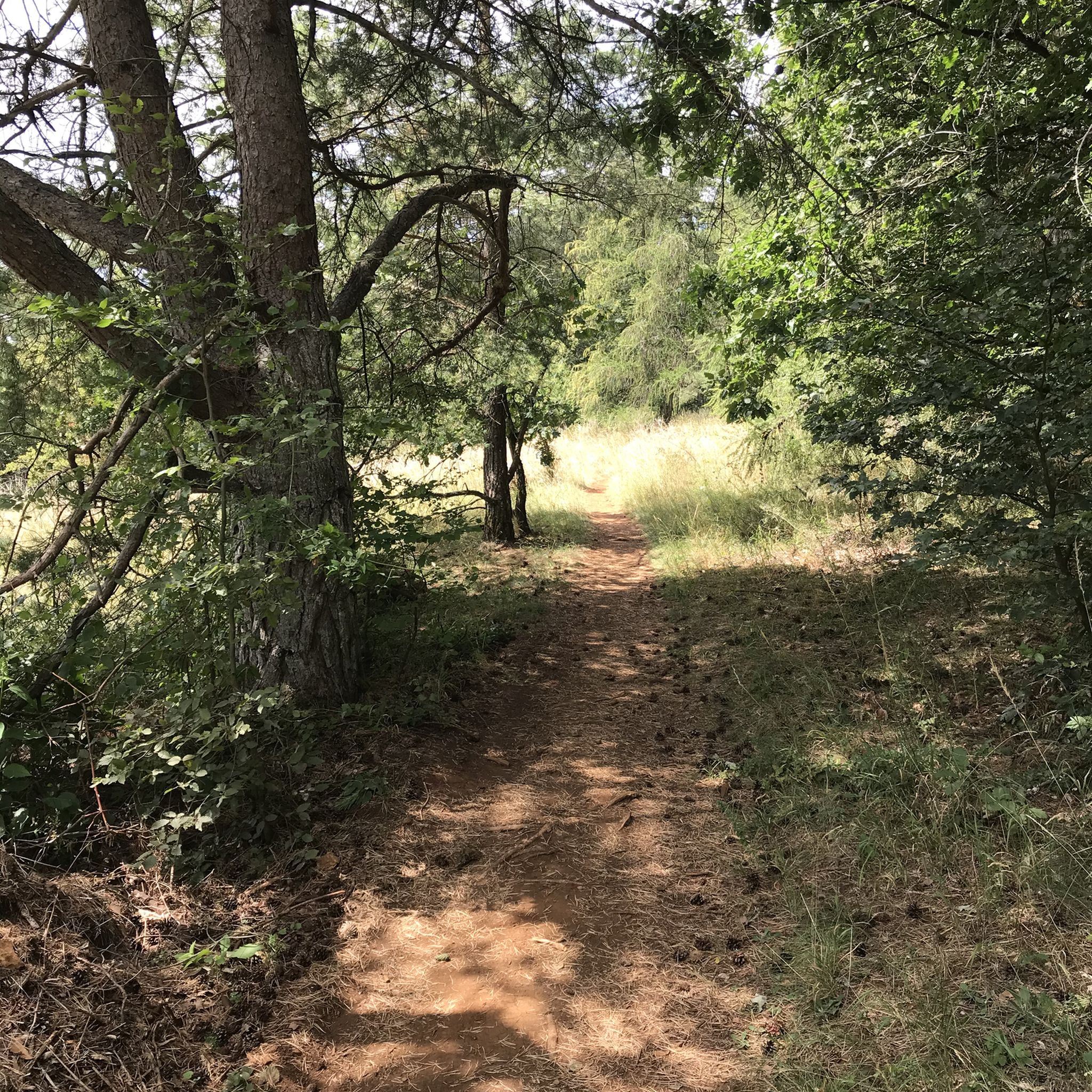
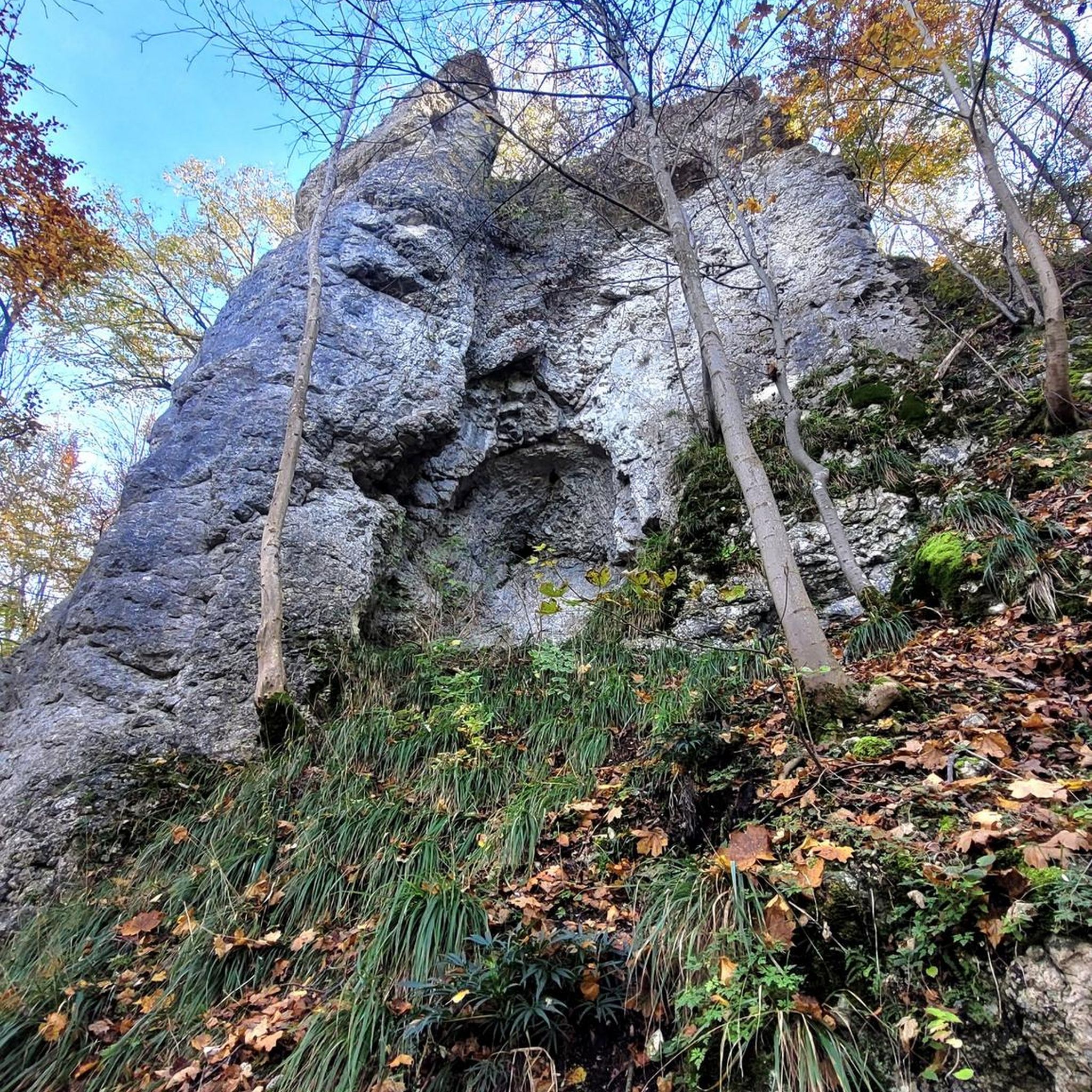
Rock Garden Trail at Haard Nature Reserve
Highlight • Trail
Translated by Google •
Tip by

National Mining Museum of Luxembourg
Highlight • Historical Site
Translated by Google •
Tip by

Sign up now to discover places like this
Get recommendations on the best single tracks, peaks, & plenty of other exciting outdoor places.
Porte de Sierck
Highlight • Historical Site
Tip by

Ouvrage du Kobenbusch
Highlight • Historical Site
Translated by Google •
Tip by

Ouvrage de Galgenberg (Maginot Line)
Highlight • Historical Site
Tip by
Sign up for free to discover even more attractions around Rüttgen.
Already have an account?
Start today with a free account
Your next adventure awaits.
Tips from the Community

Truly the prime example of how one imagines a medieval city gate, beautiful and well-preserved.
1
0


Great little museum with many exhibits from the black gold mining era.
2
0

🚪 **Porte de Sierck – Historic City Gate of Rodemack** The **Porte de Sierck** is the imposing northern gate of the medieval city walls of **Rodemack** – once the entrance to the fortress from the direction of Sierck-les-Bains. Built in the **15th century**, it was fortified with battlements, machicolation, and a round-arched portal and was part of the defense system of the "1,000-year-old city." 🧱 Today, the gate is excellently preserved and leads visitors directly into the romantic alleys of the historic town center. A little further on, the battlement walk begins along the city wall. **Tip:** This is an ideal photo spot in the early morning or in diffused light – then the sandstone walls are particularly atmospheric. Anyone walking through the gate immediately feels transported back to the Middle Ages.
3
0
🛡️ **Ouvrage de Kobenbusch – Mighty Fortification of the Maginot Line** The **Ouvrage de Kobenbusch**, located south of Cattenom near the Luxembourg border, is one of the large underground fortifications of the **Maginot Line**. It was built between 1930 and 1935 and consisted of several combat blocks, underground connecting tunnels, a barracks, ammunition depots, and machine rooms – on several levels, anchored deep in the limestone. ⚙️ Particularly noteworthy: The technical systems were designed to be self-sufficient for months – including power generation, ventilation, a kitchen, and a hospital. The fort was occupied without a fight during World War II, continued to be used in part after the war, and is now privately owned. 🚷 It's **not open to the public**, but some ventilation towers and blockhouses are still visible in the forest near the D64 road (between Cattenom and Berg-sur-Moselle). **Tip:** For Maginot fans, a walk through the forest is worthwhile – with a little research, you'll find several bunker remains. Respect barriers, as some entrances are unstable or secured.
1
0
🛡️ **Ouvrage du Galgenberg – A Deep Look into the Maginot Line** The **Ouvrage de Galgenberg** is a large underground fortification of the **Maginot Line**, located south of Cattenom. It was built between 1930 and 1935 and served to defend the French border against Germany. The complex consists of several **combat bunkers**, **barracks**, **tunnels**, and **supply facilities** located deep underground. During the Cold War, the fort was modernized and remained in active use until the 1980s. 🔦 Today, it is accessible for guided tours (registration only), including a view of the original equipment: rails, power supply, ventilation systems, and gun emplacements. **Tip:** Ideal for military and history buffs – bring warm clothing, as it's chilly inside! Guided tours with former soldiers or experts are particularly impressive.
1
0

You are in the middle of the pithead of the former "Walert" mine. For almost a century, from the 1880s to 1963, iron ore was mined here, both in the opencast and in galleries. At the time, the mine mainly supplied the factories of Rodange and Seraing in Belgium, where the ore was transported by rail. The site became a museum in 1973 and the use of the pithead facilities was changed: the first offices were converted into a brewery; the locomotive shed now houses the visitor reception; the playground occupies the former wood stock, while the red rocks of the opencast mine are slowly being reclaimed by vegetation. The most spectacular part of the mine is underground (44.5 ha concession). The guided tour begins in the Museum reception building. The train will then take you underground for a walking tour through the galleries, among the tools and machines of three generations of miners.
1
0

The tour takes you through the tunnels of the "Walert" mine, which was in operation from 1891 to 1963. Discover more than 70m underground large tunnels on two levels and impressive cavities in which your museum guide brings the time of the miners to life again. The machines and tools on display testify to iron ore mining in the region from the 1860s to the closure of the last mine in Lorraine in 1997. https://www.mnm.lu/de/ The museum is open to individual visitors: April-June and September : Thursday - Sunday 2:00 p.m. - 6:00 p.m Guided tour of the mine and mine train at 2:30 p.m., 3:30 p.m. and 4:30 p.m July-August: Tuesday – Sunday 2:00 p.m. – 6:00 p.m Guided tour of the mine and mine train at 2:30 p.m., 3:30 p.m. and 4:30 p.m October-March : every 2nd Sunday of the month 2:00 p.m. – 5:30 p.m. (by reservation) Guided tour of the mine and mine train at 2:30 p.m. and 3:30 p.m
2
0
Frequently Asked Questions
What kind of outdoor activities can I do around Rüttgen?
The area around Rüttgen offers diverse outdoor activities, particularly gravel biking, road cycling, and general cycling. You can find routes like the challenging Tomb of the Cavalier – La Borne des Quatre Seigneurs loop for gravel biking, or moderate road cycling tours such as the Medieval Garden of Rodemack loop. For general cycling, explore routes like the Lake Mirgenbach loop.
Are there any historical sites to visit near Rüttgen?
Yes, the region is rich in historical sites. You can explore the National Mining Museum of Luxembourg, where you can take a mine train into old iron ore tunnels. Other significant historical attractions include the fortifications of the Maginot Line, such as Ouvrage du Kobenbusch and Ouvrage de Galgenberg, offering insights into military history. Don't miss the impressive medieval Porte de Sierck.
What natural attractions can I find around Rüttgen?
Nature enthusiasts can explore the Rock Garden Trail at Haard Nature Reserve, known for its challenging paths through forests and viewpoints. While the guide focuses on specific highlights, the broader region, particularly towards the High Fens-Eifel Nature Park (near Roetgen in the Aachen district), offers extensive natural beauty, including the Dreilägerbach Reservoir.
Are there family-friendly attractions in the Rüttgen area?
Absolutely! The National Mining Museum of Luxembourg is a great family-friendly option. Visitors can take a mine train deep into the tunnels, providing an engaging and educational experience about the history of iron ore mining and the lives of miners.
What are the best hiking trails near Rüttgen?
For hikers, the Rock Garden Trail at Haard Nature Reserve is highly recommended. It's known for its challenging and engaging paths. While specific hiking routes are not detailed in the nearby routes data, the area offers various trails suitable for different skill levels, often passing by historical sites like the Maginot Line fortifications.
Can I find challenging trails for mountain biking or hiking?
Yes, the Rock Garden Trail at Haard Nature Reserve is specifically highlighted as a challenging and engaging path for both hikers and mountain bikers. It's considered a 'secret mega-spot' for outdoor enthusiasts looking for more demanding terrain.
What do visitors particularly enjoy about the attractions around Rüttgen?
Visitors appreciate the blend of historical exploration and natural beauty. The National Mining Museum is praised for its immersive mine train tours, while the Rock Garden Trail is loved for its 'super blocked' and 'mega fun' challenging paths. The historical sites like the Maginot Line fortifications offer impressive insights into the past.
Are there any viewpoints or scenic spots in the area?
The Rock Garden Trail at Haard Nature Reserve is categorized as a viewpoint, suggesting scenic spots along its challenging paths. Additionally, walks around historical sites like Ouvrage du Kobenbusch often offer pleasant surroundings, sometimes around a nearby lake.
What kind of historical fortifications can I explore?
The area features significant historical fortifications, primarily parts of the Maginot Line. You can visit Ouvrage du Kobenbusch and Ouvrage de Galgenberg. These sites provide a deep look into military history, with some offering guided tours into underground bunkers and tunnels, showcasing original equipment.
Can I combine historical exploration with outdoor activities?
Yes, many attractions allow for this combination. For instance, you can take a superb walk around the lake near Ouvrage du Kobenbusch, passing by several works of the Maginot Line. The region's cycling and hiking routes often traverse areas with historical significance, allowing you to enjoy both nature and history.
What are some unique cultural experiences available?
A unique cultural experience is visiting the National Mining Museum of Luxembourg. It offers a hands-on journey into the region's industrial heritage, allowing visitors to understand the challenging lives of miners and the history of iron ore extraction through an authentic mine train ride and guided tours.
Are there any medieval structures to see?
Yes, the impressive medieval Porte de Sierck is a notable medieval structure. It's a beautiful city gate where you can even climb up to the ramparts for a different perspective of the village.
Most popular routes around Rüttgen
Most popular attractions around Rüttgen

Get inspired with the komoot mobile app


Explore more
Still not found the Highlight you’re looking for? See guides of the top attractions in other regions:
