Attractions and Places To See around La Robine-Sur-Galabre - Top 20
Best attractions and places to see around La Robine-Sur-Galabre include a blend of geological formations, historical sites, and natural landscapes. This region, situated within the UNESCO Geopark of Haute-Provence, is characterized by its distinctive black marl hills, known as "robines," and significant paleontological discoveries. Visitors can explore dramatic gorges, mountain passes, and a variety of natural rock formations. The area offers opportunities to engage with both its ancient geological past and its cultural heritage.
Best attractions and places to see…
Last updated: May 25, 2026
Digne-les-Bains
Highlight • Settlement
Translated by Google •
Tip by

Fontbelle Pass
Highlight • Mountain Pass
Translated by Google •
Tip by

Sign up now to discover places like this
Get recommendations on the best single tracks, peaks, & plenty of other exciting outdoor places.
Sign up for free
Thoard
Highlight • Other
Translated by Google •
Tip by

Saut de la Pie Waterfall
Highlight • Waterfall
Translated by Google •
Tip by

Col du Pas de Bonnet (886 m)
Highlight • Mountain Pass
The first part, up to the village …
Translated by Google •
Tip by

Sign up for free to discover even more attractions around La Robine-Sur-Galabre.
Sign up for free
Already have an account?
Start today with a free account
Your next adventure awaits.
Login or Signup
Popular around La Robine-Sur-Galabre
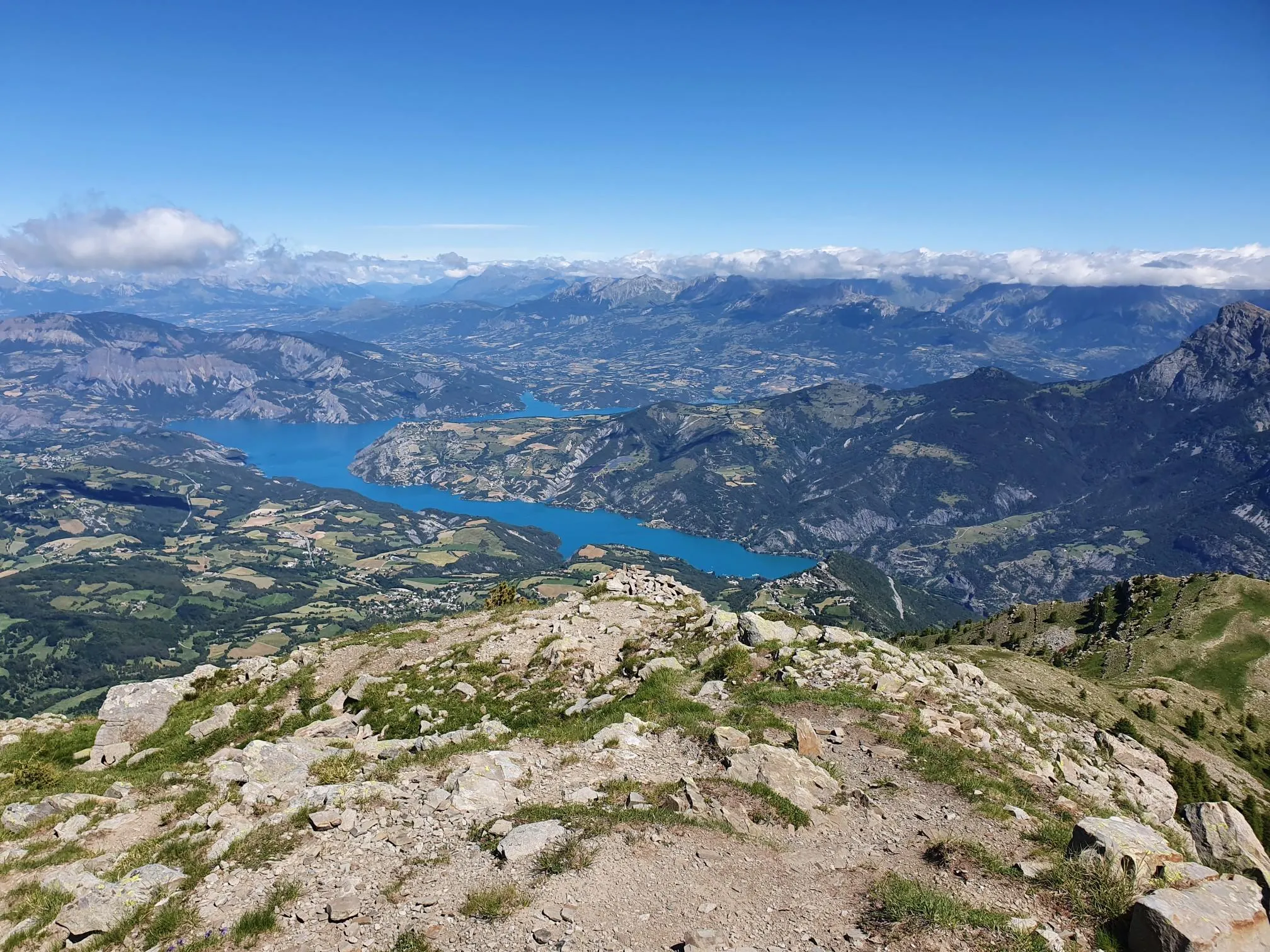
10 geological hikes in the Alpes-de-Haute-Provence – Cradle of the Geoparks
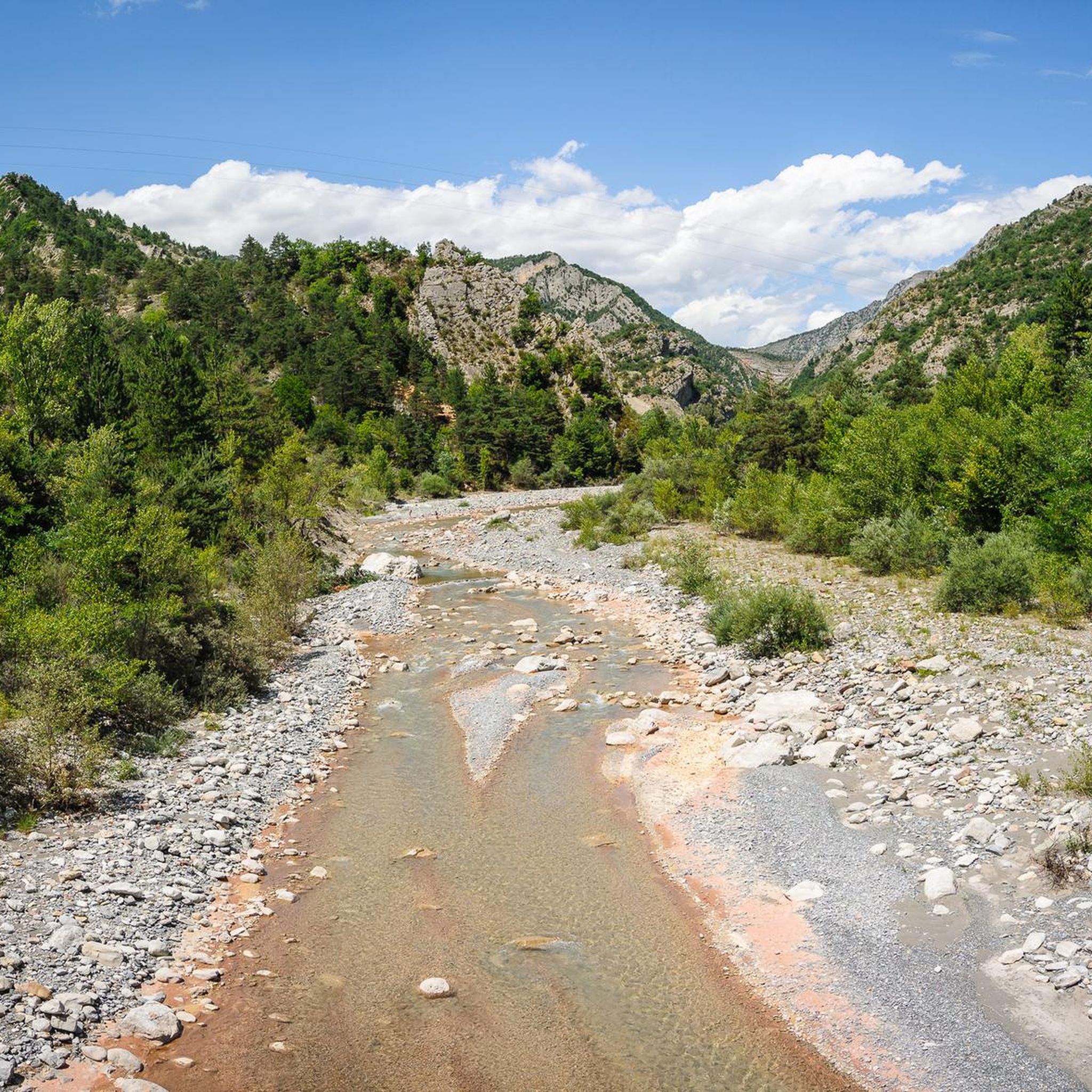
Hiking around La Robine-Sur-Galabre
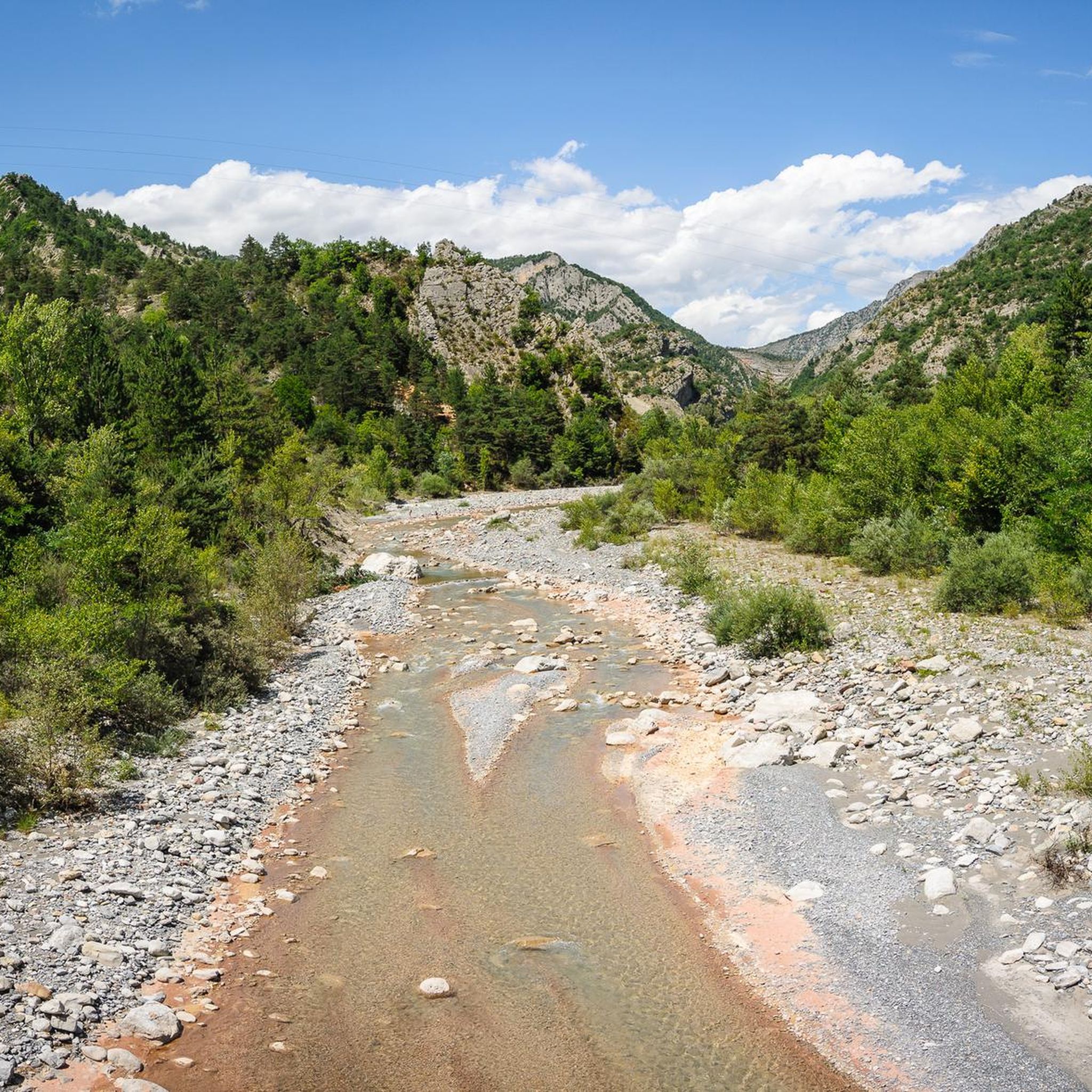
MTB Trails around La Robine-Sur-Galabre
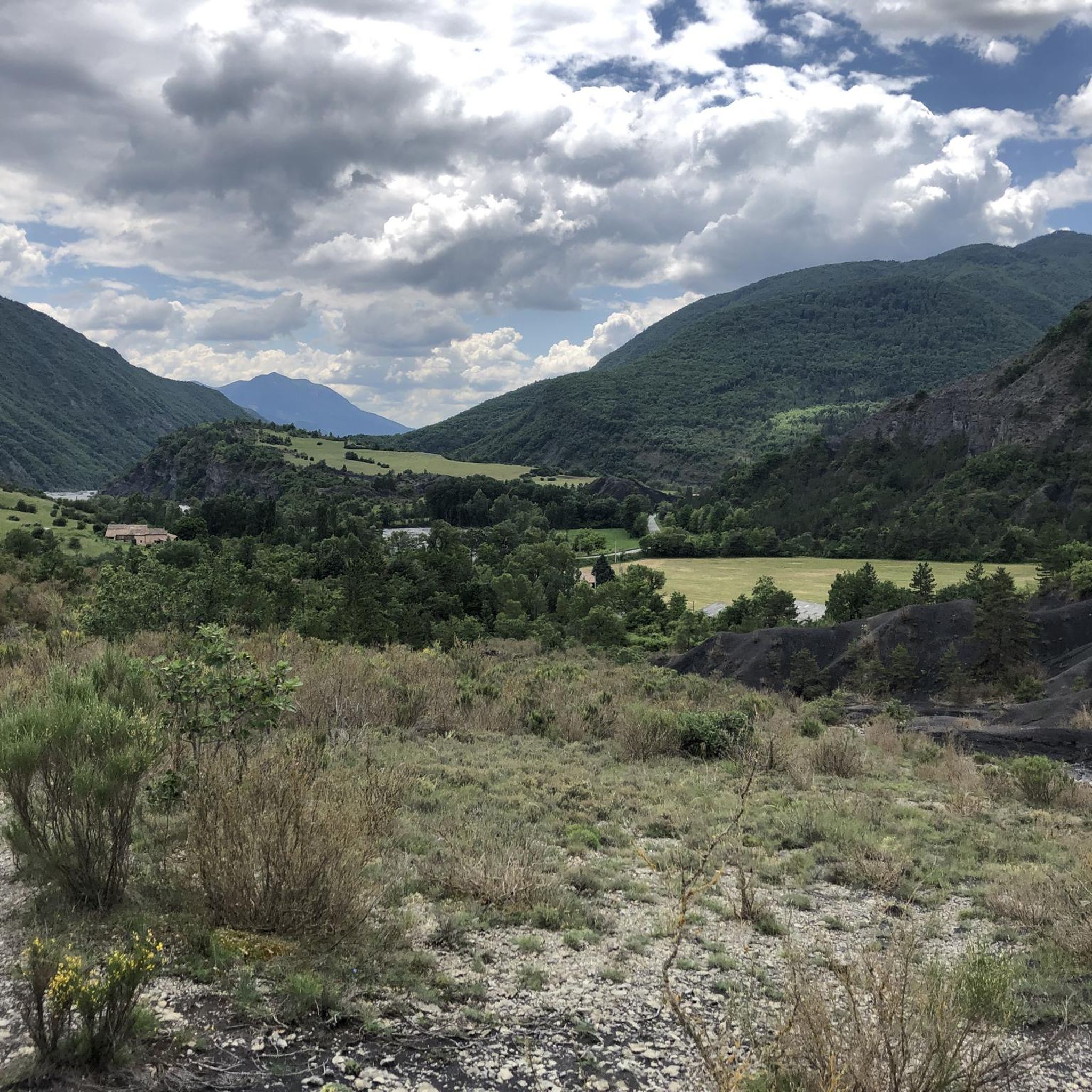
Cycling around La Robine-Sur-Galabre
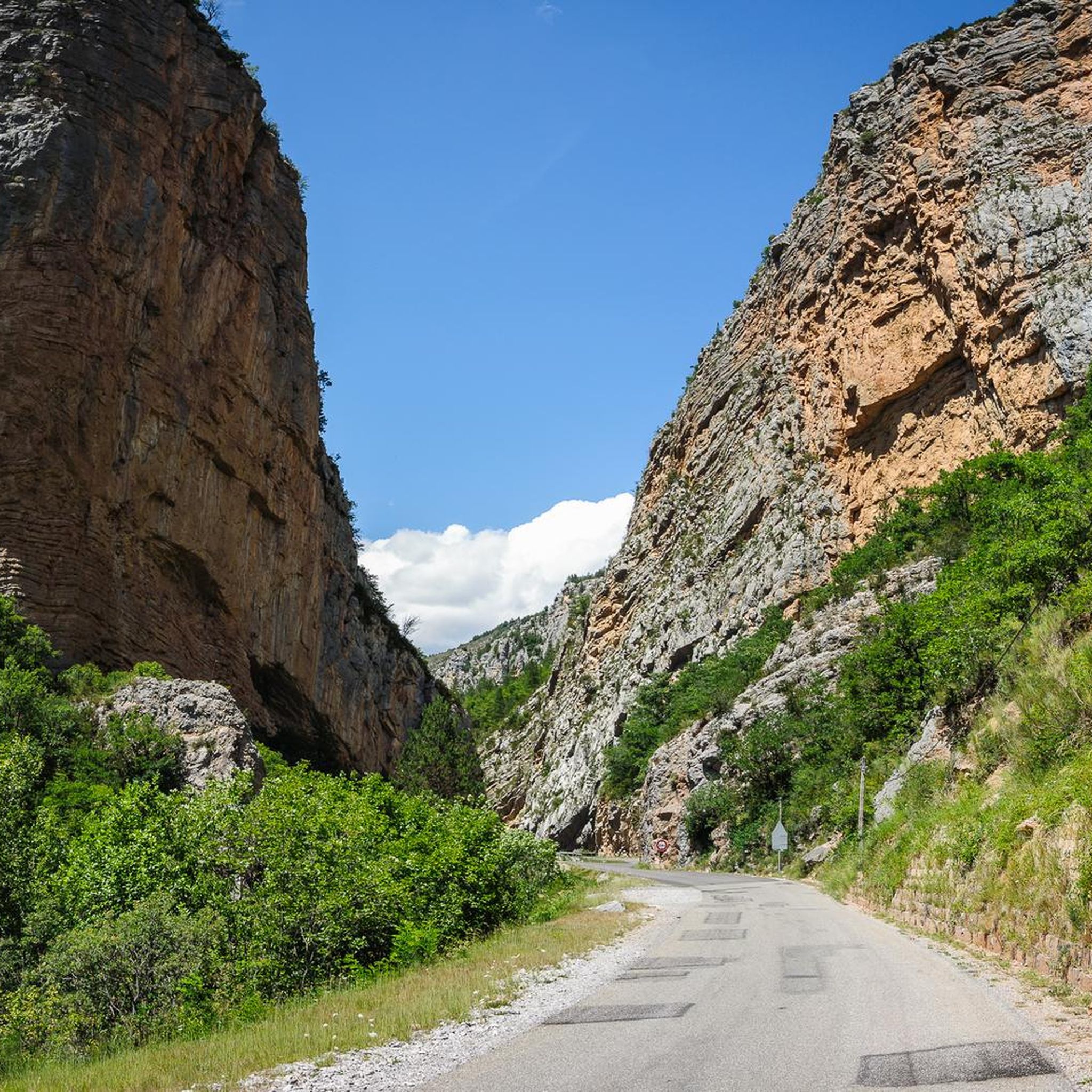
Road Cycling Routes around La Robine-Sur-Galabre
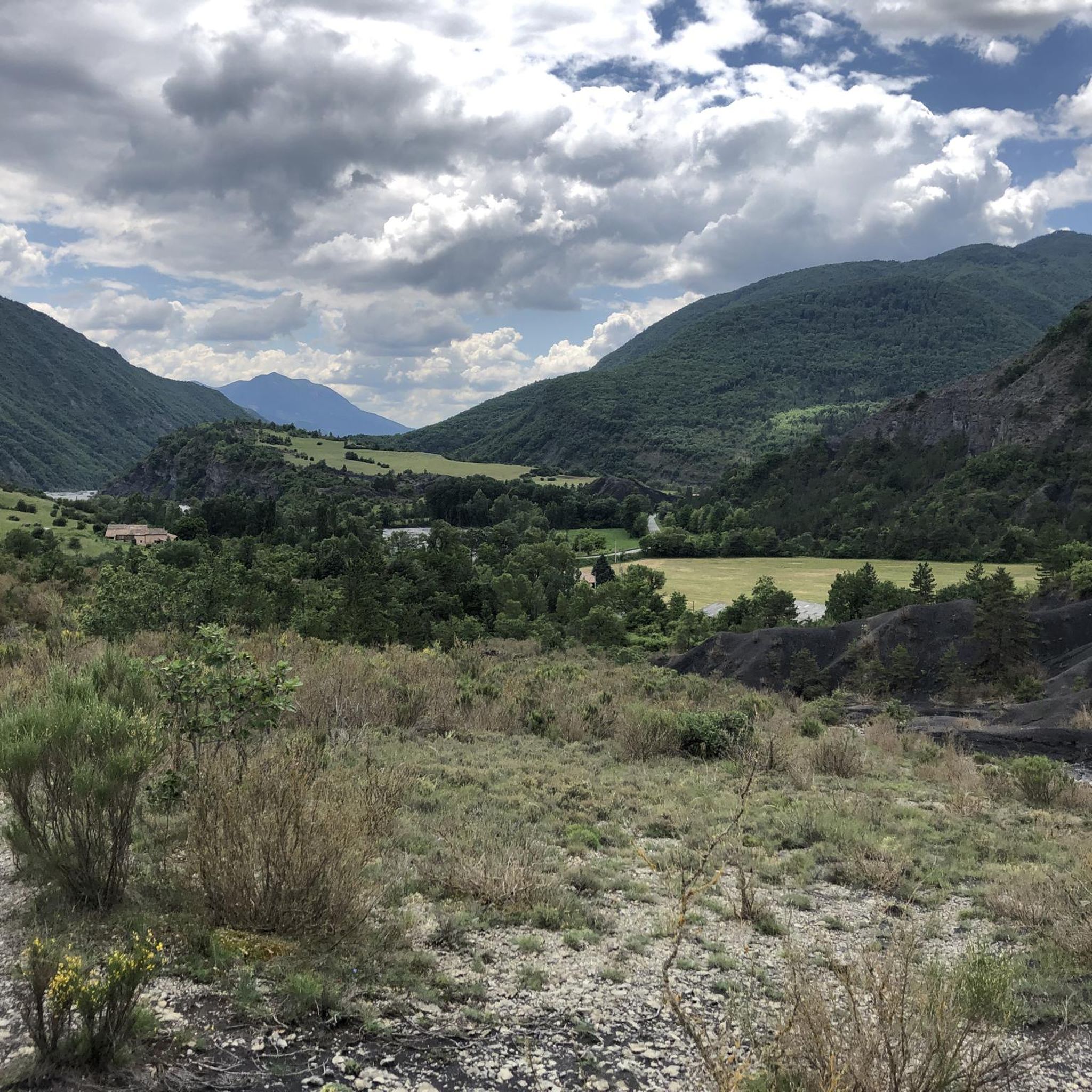
Running Trails around La Robine-Sur-Galabre

Gravel biking around La Robine-Sur-Galabre
Other adventures around La Robine-Sur-Galabre

Tips from the Community

climb suitable for everyone, with very gentle and regular slopes
0
0

Obligatory photo when you arrive at this waterfall.
11
0

Thoard is a dynamic medieval village. The town is full of streets and galleries. The bell tower of the 12th century church dominates the city perched on its rocky outcrop. We enjoy an ice cream there or sit at the inn. Village festivals punctuate the lives of residents throughout the year in this town where the surrounding area is concentrated. Beautiful views of the lavender fields make it a destination that smells of Provence.
2
0
From Sisteron, the Col de Fontbelle is 26.3 kilometers of climbs with segments at 6 or 7%, and others between 1.5 and 5%. In your ascent, passing the intermediate Mézien pass after the 6th kilometer tells you that you have made the first part complicated and that you are starting the second part, long but less steep. On the open parts of the pass, you can see the mountain of Gueruen and the mountain of Mélan and its Grande Aiguille.
2
0


A wild and picturesque place and very rich in environmental terms: exceptional plants (orange lilies, goat's beard, coal, yew) colonize its inaccessible walls. The waterfall offers us, through its different lighting, and throughout the seasons, a very beautiful and always renewed spectacle. It is also an archaeological site since in 1953 workers discovered over the waterfall, under a rock, about forty ancient weapons dating from the 4th century BC. They are currently stored in the Digne les Bains museum.
1
0

The Col de Fontbelle culminates at 1304m. From the village of Thoard it is a climb of almost 13km which comes in two parts. The first is the most difficult with sustained percentages over almost 9 km including 3 at more than 8% on average which will take you to the hamlet of Mélan then the intermediate pass of Hyssop (1236m) where moreover an exceptional panorama will offer to you (we don't make an effort for nothing anyway). The second part is relatively simple with lower percentages, barely 2.5 km at 3% average which joins the col de Fontbelle located in the forest in a VERY isolated way
3
0
Frequently Asked Questions
What unique geological features can I explore around La Robine-sur-Galabre?
La Robine-sur-Galabre is renowned for its distinctive geological formations within the UNESCO Geopark of Haute-Provence. You can witness the stunning 'robines,' which are eroded black marl hills creating a unique, almost lunar landscape. Other intriguing natural rock formations include the Demoiselles Coiffées, Rocher Gassendi, and Lame de Facibelle. Don't miss the impressive Clue de Barles, a spectacular gorge carved by the Bès river, or the Vélodrome d'Esclangon, a semicircular sandstone cliff offering one of the most beautiful geological panoramas.
Are there any historical sites or cultural landmarks to visit in the area?
Yes, the region offers several historical and cultural sites. You can visit the historic Château La Robine, which dates back to a 16th-century reconstruction and features elements like mullioned windows and courtyard arches. Other notable landmarks include the solidly built stone Chapelle Saint-Pons, perched on a promontory overlooking the village, and the tiny Orthodox hermitage, Chapelle de Saint Jean du Désert, with its distinctive bulb-shaped roof. The nearby town of Digne-les-Bains is also a settlement with historical significance and geological treasures.
What kind of outdoor activities are available near La Robine-sur-Galabre?
The natural environment around La Robine-sur-Galabre is perfect for outdoor enthusiasts. You'll find numerous opportunities for hiking and mountain biking through picturesque forested hills and ravines. Geological tours and circuits are also popular. For specific routes, you can explore options for gravel biking, MTB trails, and cycling in the surrounding area.
Are there family-friendly attractions around La Robine-sur-Galabre?
Yes, the region offers attractions suitable for families. The town of Digne-les-Bains is categorized as family-friendly and provides amenities like an aquatic complex. The Ichthyosaur geological site, where a 180-million-year-old marine reptile skeleton is preserved in situ, is accessible via an enjoyable hiking trail and offers a unique educational experience for all ages.
Where can I see a waterfall near La Robine-sur-Galabre?
You can visit the Saut de la Pie Waterfall, a wild and picturesque site rich in ecological terms. It features exceptional plants like orange lilies and yew, and offers a beautiful and ever-changing spectacle throughout the seasons.
What is the Ichthyosaur geological site and how can I visit it?
The Ichthyosaur geological site is one of the most significant attractions, preserving the fossilized skeleton of a 4-meter-long marine reptile, approximately 180 to 185 million years old, in its original discovery location. This unique scientific and educational experience is accessible via an enjoyable hiking trail. It's one of the first ichthyosaurs in Europe to be protected and exhibited in situ.
What are the mountain passes like for cycling or scenic drives?
The area features several mountain passes offering varying gradients and scenic views. The Col du Labouret, peaking at 1240m, presents different challenges depending on your starting point, with some sections reaching 8% grades. Another pass is the Col du Pas de Bonnet (886 m), which offers a 7-kilometer climb from Digne-les-Bains with an average gradient of 4.5%.
Are there any charming villages to visit nearby?
Yes, the dynamic medieval village of Thoard is a great option. Perched on a rocky outcrop and dominated by its 12th-century church bell tower, it's full of charming streets and galleries. You can enjoy an ice cream or sit at the local inn, and take in beautiful views of the lavender fields.
What is the best way to experience the geological wonders of the UNESCO Geopark of Haute-Provence?
To fully experience the geological wonders, consider exploring the numerous hiking and cycling trails that traverse the region. Many routes are designed as geological tours, allowing you to observe the unique rock formations, such as the 'robines' and the Clue de Barles, up close. The Ichthyosaur site also offers a direct encounter with ancient geological history.
What kind of local cuisine can I expect in La Robine-sur-Galabre?
Visitors can savor local specialties, such as the 'assiette robinoise,' which often features snails, at local establishments like the Bistrot de pays. The region's cuisine reflects the flavors of Provence.
What is the significance of the 'robines' in the landscape?
The 'robines' are a defining feature of the landscape around La Robine-sur-Galabre. These eroded black marl hills, composed of limestone, clay, and iron sulfide, have been shaped by millennia of erosion, creating a picturesque and unique environment. They are interspersed with vast green meadows and various trees, contributing to the region's distinctive natural beauty.
Most popular routes around La Robine-Sur-Galabre
Most popular attractions around La Robine-Sur-Galabre

Get inspired with the komoot mobile app


Explore more
Still not found the Highlight you’re looking for? See guides of the top attractions in other regions:
