Attractions and Places To See around Saint-Dos - Top 19
Best attractions and places to see around Saint-Dos, a commune in the Pyrénées-Atlantiques department of Nouvelle-Aquitaine, France, offers a tranquil setting. The area features several historical and cultural points of interest, alongside natural beauty. It serves as a gateway to exploring the rich heritage and diverse landscapes of the wider region.
Best attractions and places to see around Saint-Dos
- The most popular attractions is Salies‑de‑Béarn Greenway, a cycle way that was an old railway line rehabilitated as a greenway.…
Last updated: June 23, 2026
Tunnel
Highlight (Segment) • Other
Translated by Google •
Tip by

Salies‑de‑Béarn Greenway
Highlight (Segment) • Cycleway
Translated by Google •
Tip by

Sign up now to discover places like this
Get recommendations on the best single tracks, peaks, & plenty of other exciting outdoor places.
Sign up for free
Gramont Castle in Bidache
Highlight • Castle
Translated by Google •
Tip by

Bourg-Neuf Washhouse Fountain
Highlight (Segment) • Monument
Its construction is linked to the Bourgneuf district which developed to the west of the medieval enclosure. The houses are connected to Chemin du Lavoir by …
Translated by Google •
Tip by

Pont de la Légende and Monréal Tower, Sauveterre-de-Béarn
Highlight • Bridge
Translated by Google •
Tip by

Sign up for free to discover even more attractions around Saint-Dos.
Sign up for free
Already have an account?
Start today with a free account
Your next adventure awaits.
Login or Signup


Tips from the Community

## The tunnel The tunnel, located between the Puyoô and Salies-de-Béarn stations, is one of the significant structures on line n° 662.000 connecting Puyoô to Mauléon. It is a single-track tunnel 848.5 m long and 5.00 m wide between the abutments. The height under the crown is 6.00 m. It is a multi-radius arch. The structure is generally oriented North-South, with a curve of R400 m for the first 250 meters on the North side, then a straight section to the South end. The longitudinal profile has a constant gradient of 0.01 m/m from the North. A central aqueduct equips the structure along its entire route. The maximum cover is 49 m. The tunnel is built in the Campanian flysch (Upper Cretaceous). The construction of the tunnel (1879-1883) was carried out from two headings via shafts approximately 35 m deep, located at PM219 and PM632. The shafts were retained as ventilation shafts. The masonry thicknesses (limestone rubble set in lime mortar) vary from 0.50 m to 1.20 m. The length of the tunnel, initially projected at 400 m, was increased to 787 m following the decision to lower the profile (from 20‰ to 16‰). During construction, ground instabilities encountered during the excavation of access trenches led to a further extension of the structure, which finally reached a length of 848.5 m. Numerous ground instabilities (landslides) caused significant delays in the progress of the work. The tunnel was electrified in 1930 and the overhead line equipment was removed in 1971.
0
0

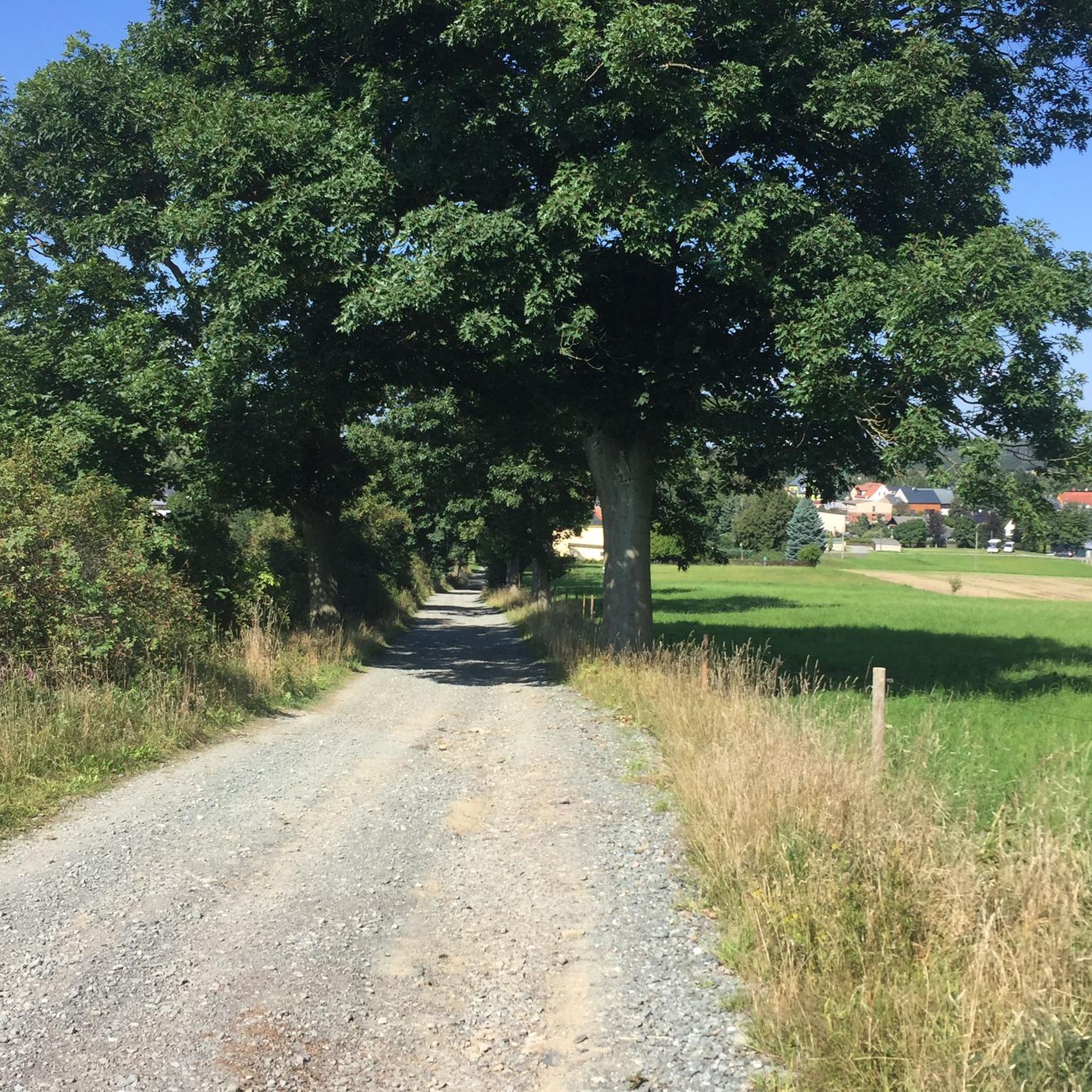
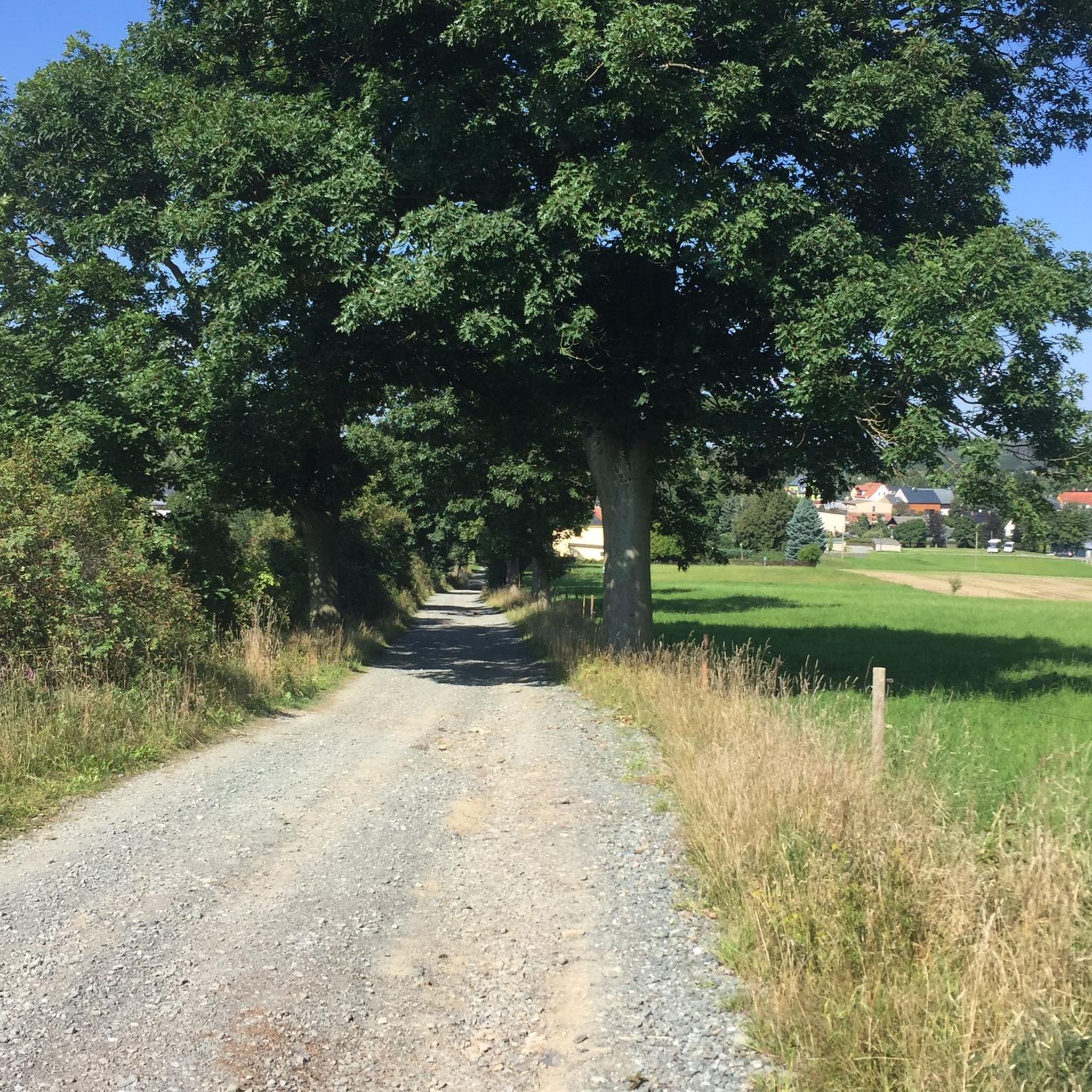
A really beautiful cycle path on an old railway line. It is completely asphalted and is therefore a wonderful ride and there are one or two bridge highlights to admire along the way.
2
0

THE FOUNTAIN-WASHBOARD OF BOURG-NEUF Its construction is linked to the Bourgneuf district which developed to the west of the medieval enclosure. The houses are connected to Chemin du Lavoir by stairs built on the old ramparts. They were taken down to fetch water from the fountain and do laundry chores. The washhouse is made up of two basins and flat stones or boards on which the washerwomen soaped or beat the linen. This fountain-washhouse is mentioned in the municipal registers in 1609 under the name of Cappellade fountain and was, until the mid-1960s, before water supply, the nerve center of the Bourgneuf district. Here is the testimony of a resident who remembers this recent past: “This Bourgneuf fountain was very famous because the water was very fresh and most of the women of Sordes came at midday with their jug to collect water. They waited sitting on the stones of the washhouse and that's where we learned the stories of the village. It was the housewives' meeting. » (Source: Pays d’Orthe Cultural Center)
0
0


An old railway line rehabilitated as a greenway, very pleasant to enter Salies-de-Béarn.
3
0

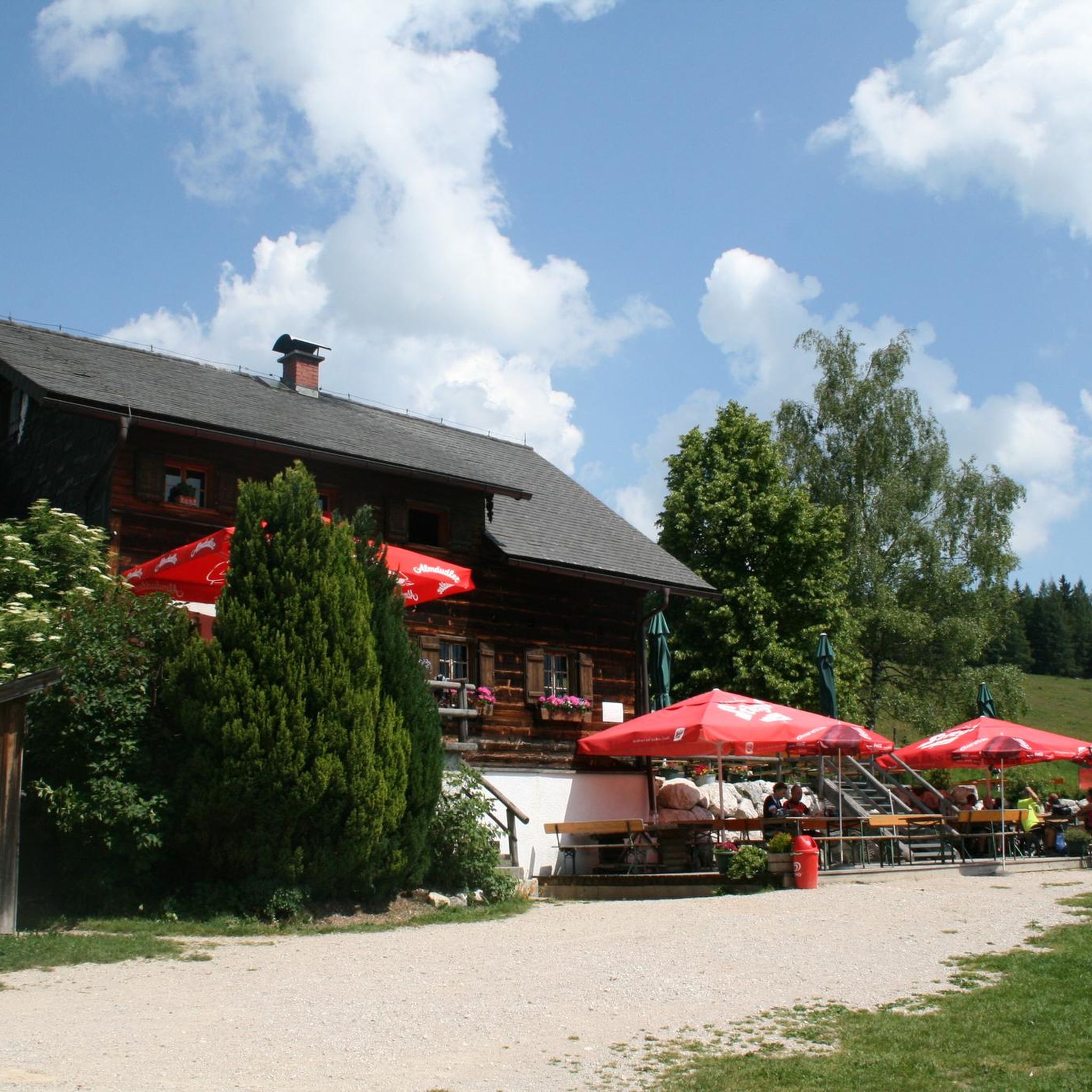
Impressive castle located in the town of the same name, in the French department of Pyrénées-Atlantiques. It was the seat of the sovereign principality of Bidache. In ruins, it is being consolidated
0
0

Bidache Castle is located in the town of the same name, in the French department of Pyrénées-Atlantiques. It was the seat of the sovereign principality of Bidache. In ruins, it is being consolidated
1
0
Frequently Asked Questions
What historical sites can I explore near Saint-Dos?
The region around Saint-Dos is rich in history. You can visit the Pont de la Légende and Monréal Tower in Sauveterre-de-Béarn, which are part of a historic 'Castral Rescue' town with impressive ramparts. Another significant site is Gramont Castle in Bidache, an impressive ruin that was once the seat of a sovereign principality. Don't miss the ancient Viellenave bridge and mill, with origins dating back to the 12th century, or the historical Bourg-Neuf Washhouse Fountain, a vital water source until the mid-1960s.
Are there any natural features or scenic viewpoints to enjoy?
Yes, the area offers natural beauty and scenic spots. The Pont de la Légende and Monréal Tower in Sauveterre-de-Béarn provide superb views of the ruins and the river. The surrounding countryside features delightful, green, and wooded parks with olive trees, oaks, pines, and laurels, offering a natural ambiance and views of the landscape.
What outdoor activities are available around Saint-Dos?
For outdoor enthusiasts, the region offers various activities. You can enjoy cycling on the Salies‑de‑Béarn Greenway, an asphalted former railway line. There are also numerous cycling routes, including road cycling and touring bicycle options, as well as MTB trails. For more details on routes, explore the Road Cycling Routes around Saint-Dos, Cycling around Saint-Dos, and MTB Trails around Saint-Dos guides.
Are there family-friendly attractions in the area?
Yes, several attractions are suitable for families. The Bourg-Neuf Washhouse Fountain is a historical site that offers an interesting glimpse into local life and is marked as family-friendly. The Salies‑de‑Béarn Greenway is also a pleasant, asphalted path perfect for family bike rides.
What is the Salies-de-Béarn Greenway like for cycling?
The Salies‑de‑Béarn Greenway is a very pleasant cycle path, rehabilitated from an old railway line. It is completely asphalted, making it a smooth ride into Salies-de-Béarn. Cyclists particularly enjoy the scenic route and the bridge highlights along the way.
Can I visit any abbeys or religious sites near Saint-Dos?
Yes, the region is home to significant religious heritage. Approximately 6.6 km from Saint-Dos, you can visit the Abbaye de Sorde in Sorde-l'Abbaye, a historical landmark listed on French pilgrim routes. Additionally, the Église Saint-André in Sauveterre-de-Béarn, about 11 km away, is a charming Roman-style church worth exploring.
What is the significance of the Pont de la Légende and Monréal Tower?
The Pont de la Légende and Monréal Tower in Sauveterre-de-Béarn are key features of a historic 'Castral Rescue' town. From the 11th century, Sauveterre served as a place of refuge and protection. Its strategic location on a rocky outcrop, combined with impressive ramparts, made it a significant stop on the pilgrimage route to Compostela, contributing to its prosperity in the 13th and 14th centuries.
Are there any museums or cultural experiences nearby?
Yes, about 7.9 km from Saint-Dos, in Salies-de-Béarn, you can visit the Museum du Sel et des Traditions Bearnaises. This museum offers insights into the local traditions and the history of salt, for which the town is well-known.
What do visitors particularly enjoy about the attractions around Saint-Dos?
Visitors appreciate the blend of historical discoveries and opportunities to enjoy the natural landscape. Many enjoy the scenic rides on the Salies‑de‑Béarn Greenway and the impressive historical architecture of sites like Gramont Castle and the Pont de la Légende. The tranquil setting and rich heritage are frequently highlighted.
Can I find any unique local markets in the vicinity?
Yes, several nearby towns host vibrant markets. Salies-de-Béarn, about 8 km away, has a market on Thursdays. Peyrehorade, approximately 11 km distant, holds markets on Wednesdays and Saturdays. Saint-Palais, around 16 km away, has a market on Fridays.
Are there opportunities for relaxation and wellness near Saint-Dos?
For relaxation, the thermal baths in Salies-de-Béarn, located about 7.8 km from Saint-Dos, provide an opportunity for wellness and rejuvenation.
Most popular attractions around Saint-Dos

Get inspired with the komoot mobile app


Explore more
Still not found the Highlight you’re looking for? See guides of the top attractions in other regions:
