The best road cycling routes around Pouzols-Minervois
4.4
(89)
1,704
riders
138
rides
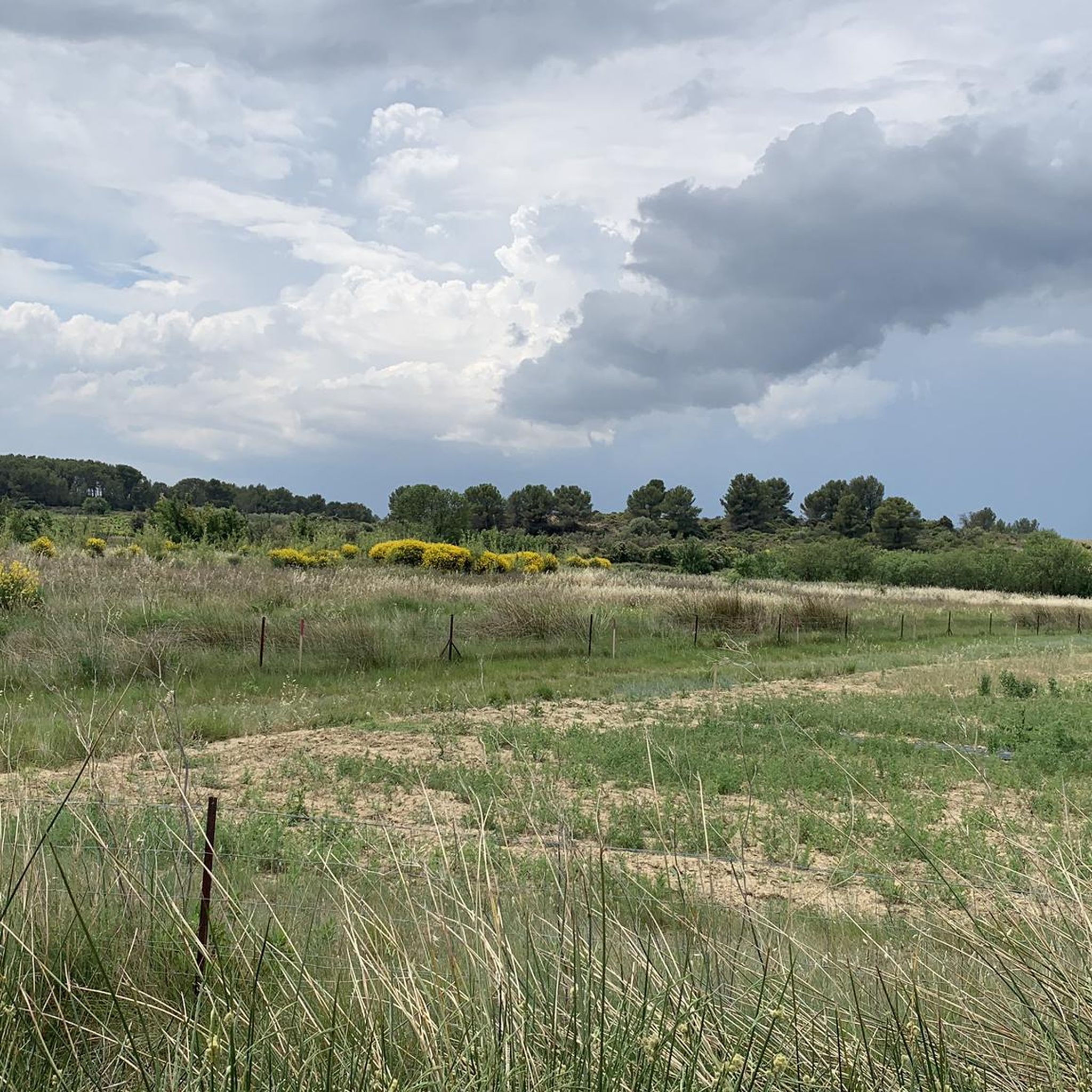
Road cycling routes around Pouzols-Minervois traverse a landscape characterized by gently rolling hills, extensive vineyards, and picturesque olive groves. This area forms a scenic transition between the Montagne Noire and the Corbières, offering varied terrain for cyclists. Routes often wind through scrubland, vineyards, and wooded plots, providing a mix of flat sections and moderate climbs. The historic Canal du Midi, with its towpaths, also features prominently in the region's cycling opportunities.
Best road cycling routes around Pouzols-Minervois
- The most popular…
Last updated: August 28, 2026
3.5
(2)
36
riders
80.6km
04:15
1,400m
1,400m
Hard road ride. Very good fitness required. Mostly well-paved surfaces and easy to ride.
32
riders
Easy road ride. Great for any fitness level. Mostly well-paved surfaces and easy to ride.

Sign up for free
4.8
(4)
36
riders
46.2km
01:55
300m
300m
Easy road ride. Great for any fitness level. Mostly well-paved surfaces and easy to ride.
27
riders
107km
05:14
1,340m
1,340m
Hard road ride. Very good fitness required. Mostly well-paved surfaces and easy to ride.
10
riders
24.6km
01:00
160m
160m
Easy road ride. Great for any fitness level. Mostly well-paved surfaces and easy to ride.
Get access to more routes and recommendations from other explorers.
Sign up for free
Already have an account?
Our route recommendations are based on thousands of hikes, rides, and runs completed by other people on komoot.
Start today with a free account
Your next adventure awaits.
Login or Signup
Tips from the Community

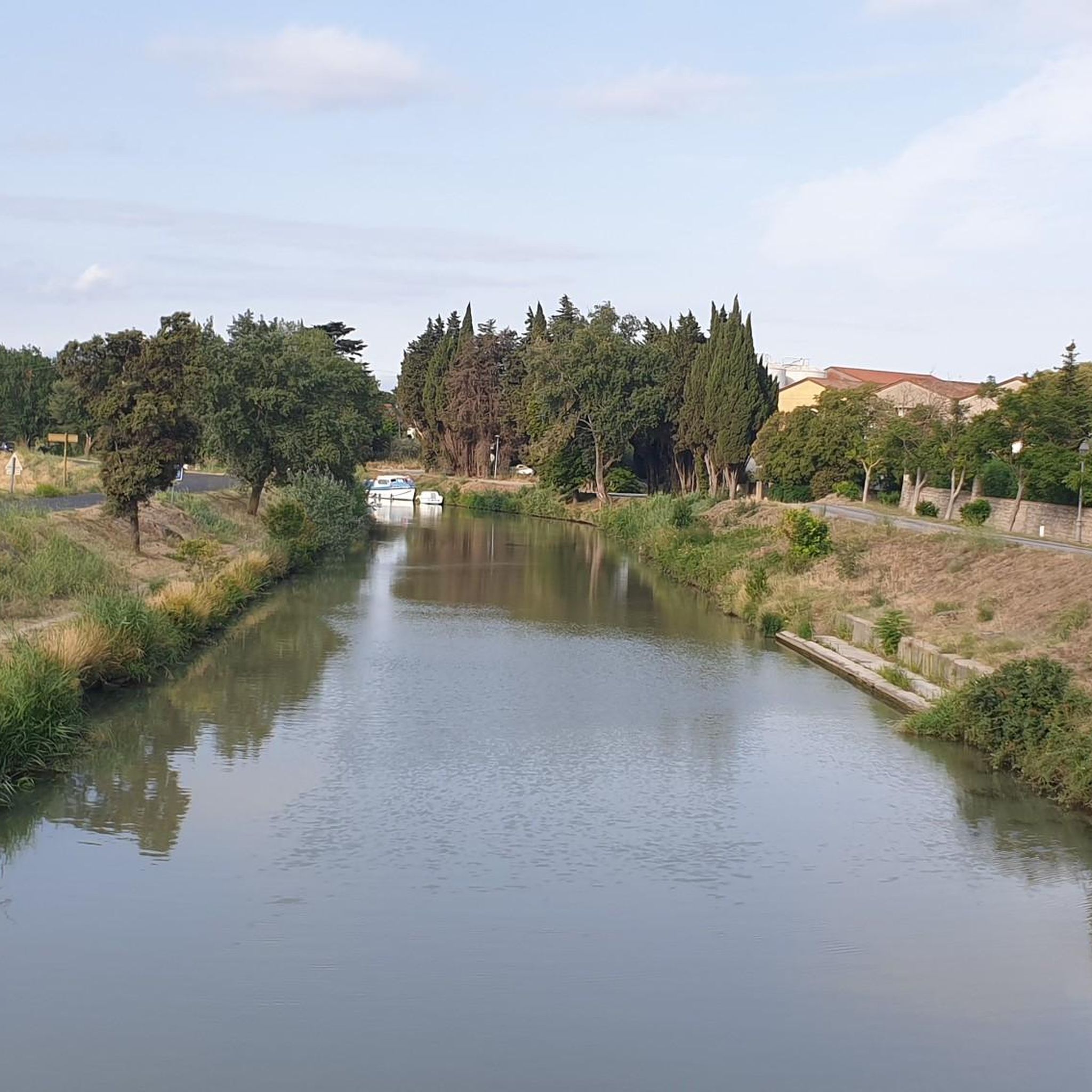
Paraza is a wine-growing village in the Minervois region of the Aude, rich in its history dating back beyond the Roman period. It is marked by the construction of the Canal du Midi, during which Pierre Paul Riquet resided at the Château de Paraza during the works on the Canal and the Pont canal du Répudre.
0
0
Typical wine village on the Canal du Midi, dominated by its double castle, one intended for winemaking and the other serving as a residence. The latter was built in the 18th century on the ruins of a 12th-century castle. This large building with a square tower overlooking the plain with beautiful Italian terraced gardens is extended on its right by its "winegrower's folly", a 19th-century model of its kind opening its doors to the Canal du Midi.
0
0

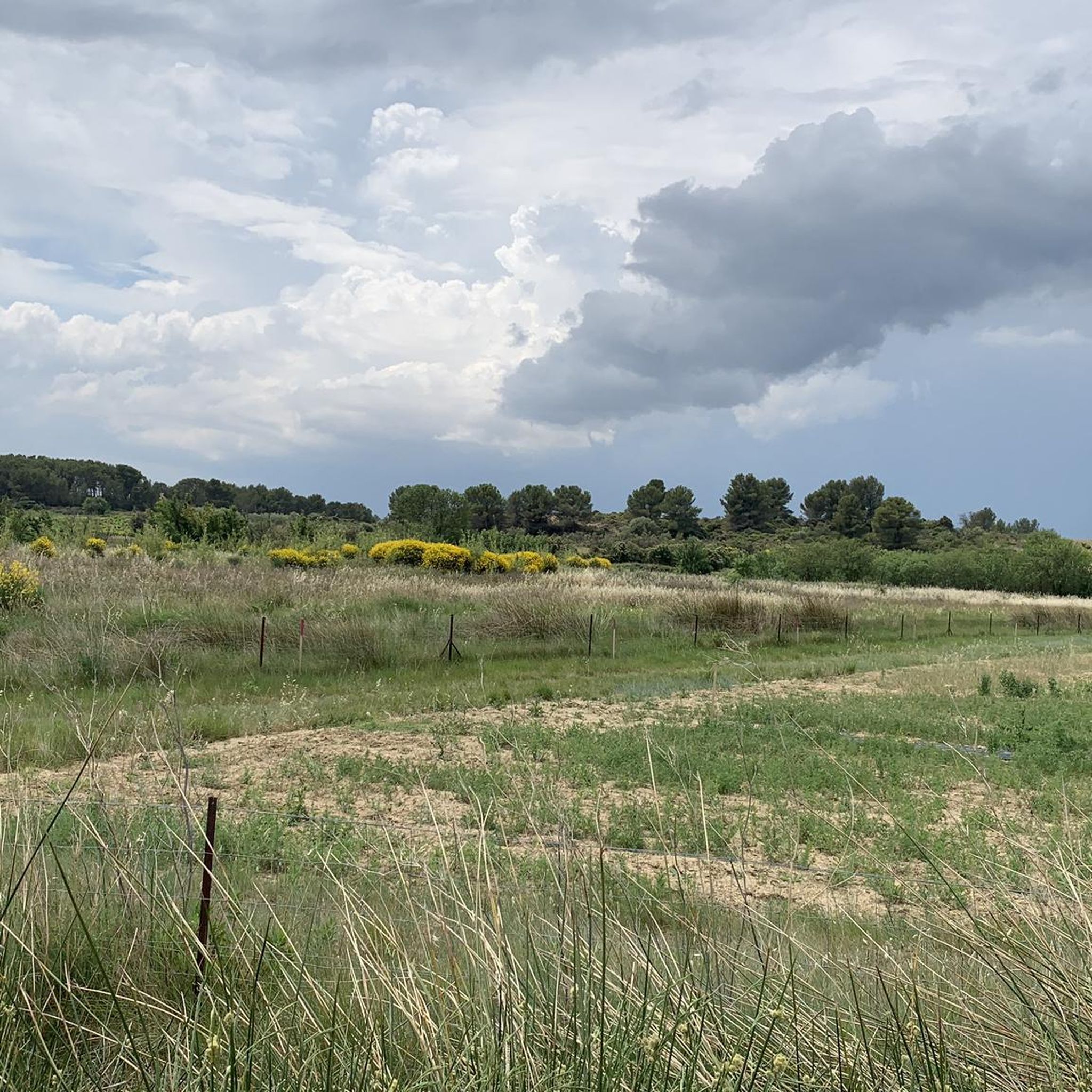
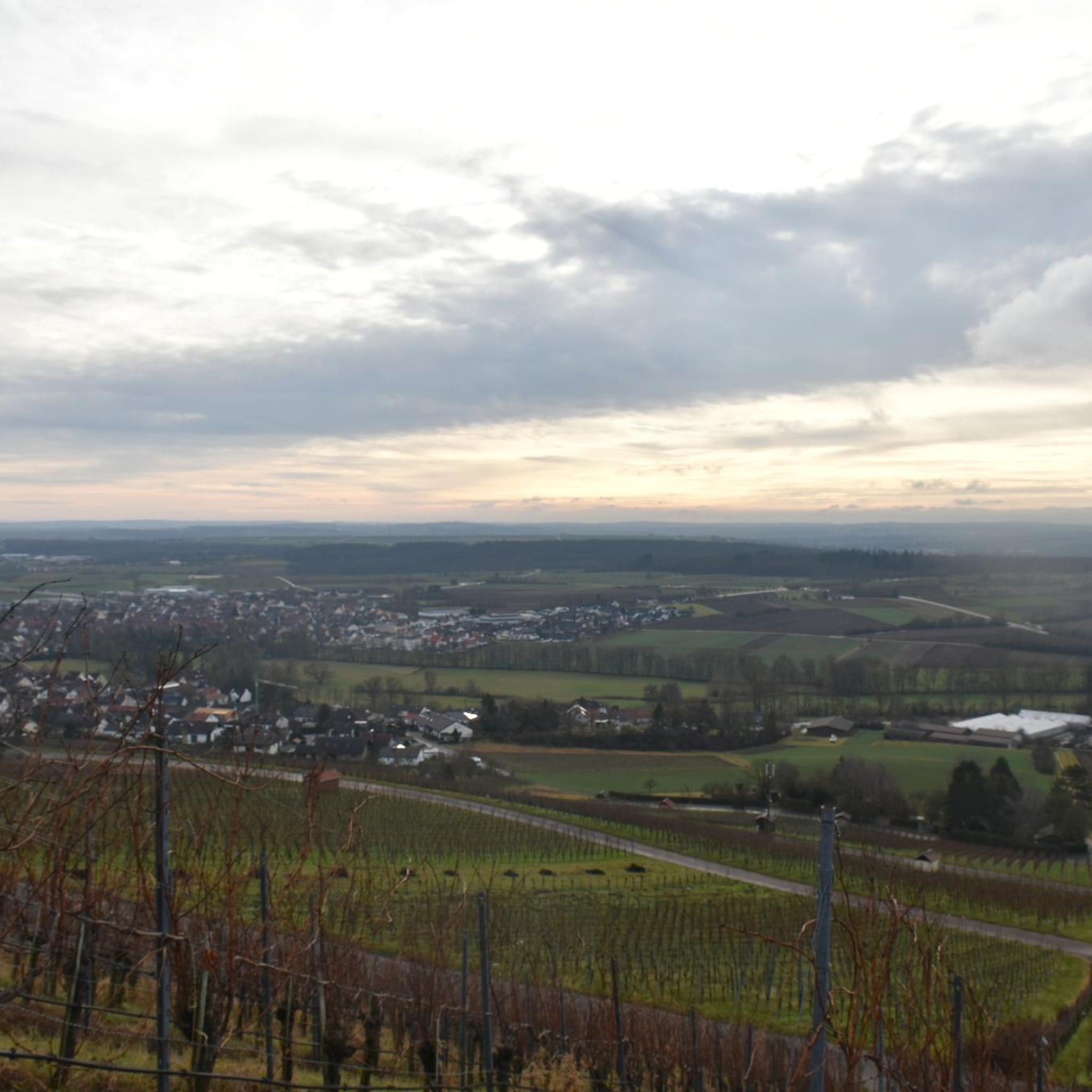
Viewpoint over Azillanet ! A nice stop to enjoy a superb perspective over Azillanet, a village whose history dates back to at least the 9th century, when it was mentioned under the name of Azelanum.
1
0
At the entrance to La Livinière stands a monument astonishing in its size and history: the Notre-Dame du Spasme basilica. This Marian shrine, which became a minor basilica in 1959, has been a major pilgrimage site in the Minervois for several centuries. Its origin is linked to Nicolas de La Jugie, lord of La Livinière in the 14th century, who is said to have brought back from Jerusalem a statue representing the Virgin at the moment of her swoon at the foot of the Cross. The interior of the building reveals an architecture vaster than one might imagine from the road: three naves and a large space capable of accommodating many pilgrims. A detail that gives the place a unique history: the original statue of Notre-Dame du Spasme, venerated for centuries by the inhabitants and pilgrims, disappeared during a theft in 1960.
1
0
In the heart of Cesseras, the Saint-Geniès church surprises with its elegance and medieval character. Built in the 15th century in the southern Gothic style, it retains a single nave, a polygonal choir, and beautiful stone vaults whose sculpted keystones bear witness to the know-how of the builders of the Minervois. Classified as a Historic Monument since 1933, it succeeded a first place of worship mentioned as early as 844. By lingering for a few moments before its stones, one discovers that the history of Cesseras dates back much further than the Middle Ages: the territory has been occupied since prehistoric times, while the village developed around an old feudal castle. Another interesting detail: the name Saint-Geniès recalls Saint Genès of Rome, a Christian martyr from the 3rd century.
1
0
The Saint-Laurent church catches the eye with its sober architecture and unique location. Built in 1678, it is adjacent to the site of the former fortress of Guillaume d'Azillanet, a medieval lord whose name remains attached to the village's history. Behind its stones lie several centuries of history: once fortified, Azillanet depended on the lords linked to the abbey of Caunes-Minervois before joining the royal domain. The village subsequently experienced the great upheavals of the Minervois, between the Albigensian Crusade, the Hundred Years' War, and the Wars of Religion.
1
0
In the heart of Olonzac, the church of Notre-Dame de l'Assomption recalls the ancient history of this Minervois town. While the current building mainly dates from the modern era, religious presence on the site dates back several centuries: a first church dedicated to Saint-Jean du Puits already existed in 852, before a new Notre-Dame church was built to support the village's development. Rebuilt in the 19th century, it today bears witness to the many transformations that Olonzac has undergone over time. Looking up at the bell tower, one can also think of the old bell from 1677 preserved in the church. Classified as a historical monument, it still bears the mark of the White Penitents of Olonzac, a religious confraternity once very present in local life.
1
0
The very origin of the name Beaufort intrigues historians. It would come from the Latin Bellum Fortis ("powerful fortress"), a name that recalls the defensive importance of the site in the Middle Ages. Observing the relief surrounding the castle, it is easy to understand why this promontory was chosen to monitor the passage routes of the Minervois.
1
0
Frequently Asked Questions
What kind of terrain can I expect on road cycling routes around Pouzols-Minervois?
The region offers a diverse landscape, transitioning from the Montagne Noire to the Corbières and the Mediterranean coast. You'll encounter gently rolling hills, extensive vineyards, and picturesque olive groves. Routes often wind through scrubland and wooded plots, providing a mix of flat sections and moderate climbs. From elevated points, you can enjoy panoramic views across the coastal plain and the Corbières Hills.
How many road cycling routes are available in the Pouzols-Minervois area?
There are over 150 road cycling routes around Pouzols-Minervois, catering to various skill levels. These include easy, moderate, and difficult options, ensuring there's a suitable ride for every cyclist.
Are there any easy or family-friendly road cycling routes in Pouzols-Minervois?
Yes, the area offers nearly 30 easy, paved routes, some lasting up to two hours with minimal elevation gain, perfect for families or those seeking a relaxed ride. The towpaths along the Canal du Midi and the Canal de Jonction are particularly peaceful and natural options. An example of an easy route is the Paraza — Along the Canal du Midi – Beautiful, peaceful spot! loop from Pouzols-Minervois.
What are some notable landmarks or attractions I can see while cycling in the region?
The region is rich in historical and natural attractions. You can cycle past the historic Canal du Midi, a UNESCO World Heritage site, and explore traditional villages. Nearby attractions include the charming Port of Somail, the medieval village of Minerve, and the Canal de Jonction. Many routes also pass through vineyards, offering opportunities to visit wine estates.
Are there challenging road cycling routes for experienced riders?
Absolutely. For experienced cyclists, there are over 30 difficult routes with significant elevation changes, some lasting five hours or more. These routes often feature unpaved segments and demand good to very good fitness. An example is the challenging View to olonzac – Minerve loop from Bize-Minervois, which includes substantial elevation gain and panoramic views.
What is the best time of year for road cycling in Pouzols-Minervois?
The region generally offers pleasant cycling conditions for much of the year. Spring and autumn are ideal, with milder temperatures and vibrant landscapes. Summers can be warm, but early mornings or late afternoons are still enjoyable. The clear days often provide spectacular sunsets over the vineyards and the Corbières Hills.
Can I find places to eat or drink along the cycling routes?
Yes, many routes wind through traditional villages and past wine estates. The area is known for its local Minervois wines, and many estates and cooperative cellars offer tasting breaks. You'll find cafes and restaurants in the villages, providing opportunities for refreshment and to sample local cuisine.
What do other road cyclists enjoy most about cycling in Pouzols-Minervois?
The routes in Pouzols-Minervois are highly rated by the komoot community, with an average score of 4.6 stars from nearly 100 reviews. Cyclists often praise the varied terrain, the peaceful atmosphere along the Canal du Midi, the stunning vineyard views, and the charm of the traditional villages.
Are there any specific viewpoints or scenic spots along the routes?
Yes, from elevated points such as Le Fort Pouzols-Minervois, you can enjoy breathtaking panoramic views across the coastal plain, vineyards, and the Corbières Hills. On clear days, the majestic outline of Canigou mountain in the Eastern Pyrenees is visible. The 'chemin des vignes' (vineyard path) also offers stunning views of the viticultural landscape.
Where can I park my car when starting a road cycling route in Pouzols-Minervois?
Pouzols-Minervois and surrounding villages typically offer public parking areas. When planning your route, check the starting point for available parking options. Many routes begin in or near villages, making it convenient to find a spot.
Is it possible to combine road cycling with other activities in the area?
Absolutely. The region is part of the 'Via Tolosona,' one of the pilgrimage paths to Saint-Jacques de Compostelle, offering a historical dimension. There are also numerous hiking trails, including the GR7 route, for further exploration. You can also visit the Natural Tunnel of Minerve or the Daniel Bridge and the Brian Gorges.
Are there any specific natural features to look out for while cycling?
Beyond the extensive vineyards and olive groves, the region boasts a rich biodiversity. You'll cycle through scrubland and wooded plots, enjoying the abundance of trees. The Canal du Midi and Canal de Jonction are significant natural features, with the latter partly lined with pine trees, offering a pleasant environment.
Most popular routes around Pouzols-Minervois
Most popular attractions around Pouzols-Minervois

Get inspired with the komoot mobile app


Explore more
Browse the best Road cycling routes in other regions.
