Attractions and Places To See around La Barthe-De-Neste - Top 20
Best attractions and places to see around La Barthe-De-Neste include historical landmarks, natural features, and cultural sites. Situated at the foot of the Lannemezan Plateau and at the entrance to the Neste and Aure valleys, the commune offers varied landscapes. The region features remnants of a 10th-century keep, 13th-century churches, and the Neste River valley. It serves as a crossroads with a rich past and diverse points of interest.
Best attractions and places to see around La Barthe-De-Neste
- The most popular attractions is Road of the Baronnies, a scenic route that is well-maintained and winds along or crosses several rivers. It offers a superb driving or cycling experience.
- Another must-see spot is Col de Coupe, a mountain pass. This pass features a pretty road with many switchbacks and offers views of the Pyrenees and the Pic du Midi.
- Visitors also love Mauvezin Castle, a fortress built on a rocky outcrop from the 12th century. Its inner courtyard showcases medieval military architecture, including replicas of war machines.
- La Barthe-De-Neste is known for its historical sites, natural landscapes, and cultural points of interest. Visitors can explore ancient ruins, churches, scenic mountain passes, and local markets.
- The attractions around La Barthe-De-Neste are appreciated by the komoot community, with 37 upvotes and 7 photos shared by users.
Last updated: June 23, 2026
Col de Coupe
Highlight • Mountain Pass
Very pretty road with many switchbacks and beautiful views of the Pyrenees and the Pic du Midi.
Translated by Google •
Tip by

Abbaye de l'Escaladieu
Highlight • Religious Site
Translated by Google •
Tip by

Sign up now to discover places like this
Get recommendations on the best single tracks, peaks, & plenty of other exciting outdoor places.
Sign up for free
Cabane d'Oueil Lusent
Highlight • Mountain Hut
Translated by Google •
Tip by

Mauvezin Castle
Highlight • Other
You can visit the castle during your hike!
Translated by Google •
Tip by

Road of the Baronnies
Highlight • Other
Translated by Google •
Tip by
Sign up for free to discover even more attractions around La Barthe-De-Neste.
Sign up for free
Already have an account?
Start today with a free account
Your next adventure awaits.
Login or Signup
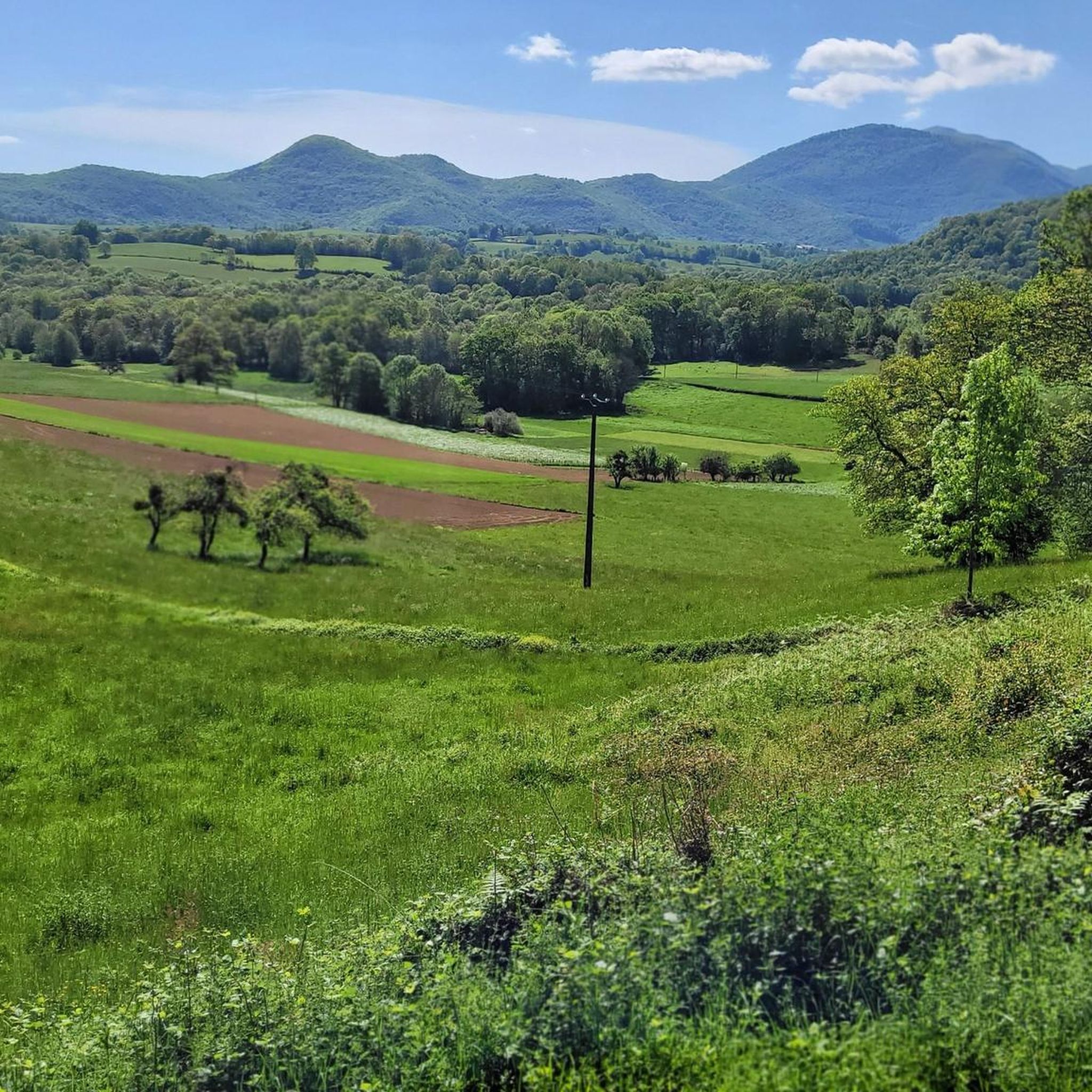
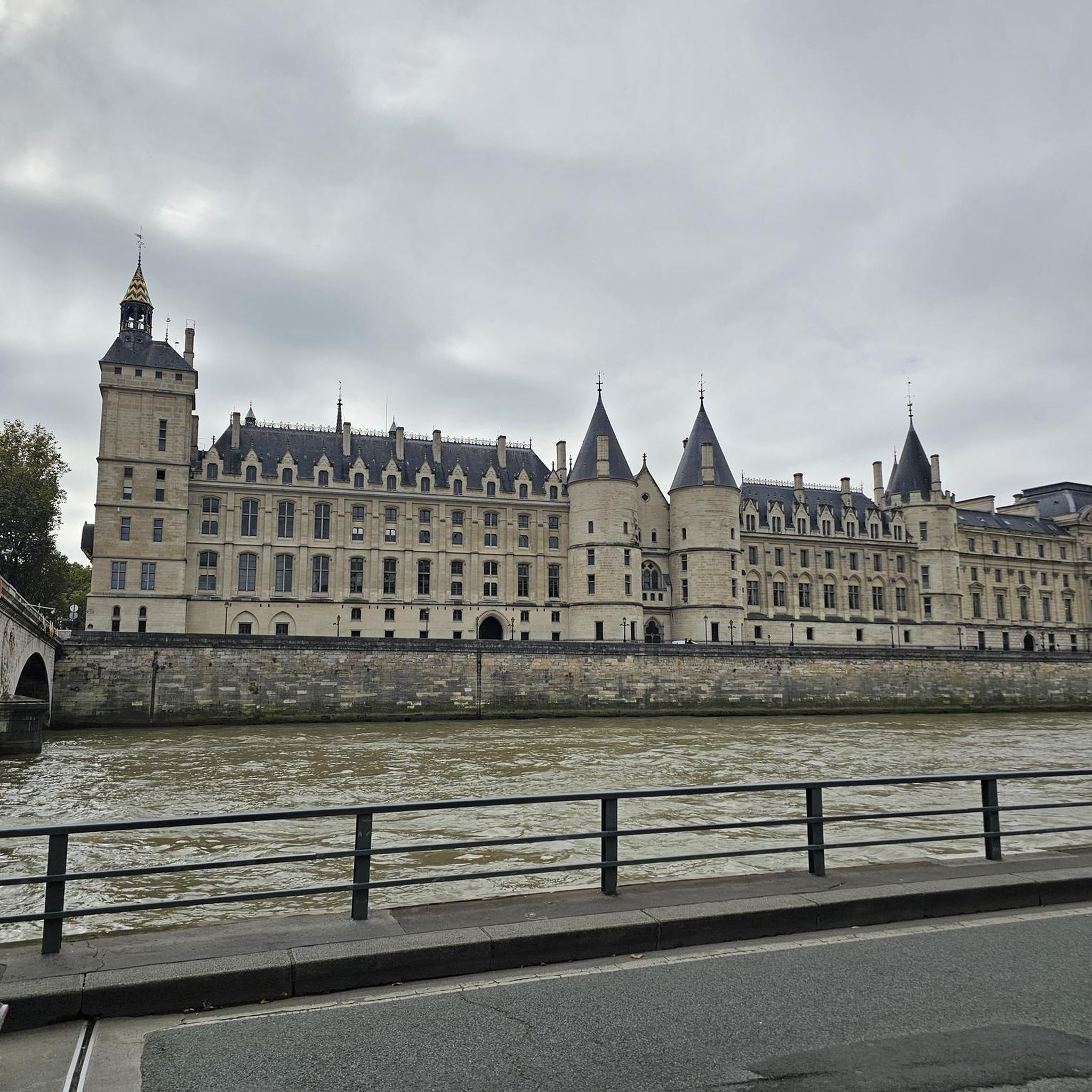
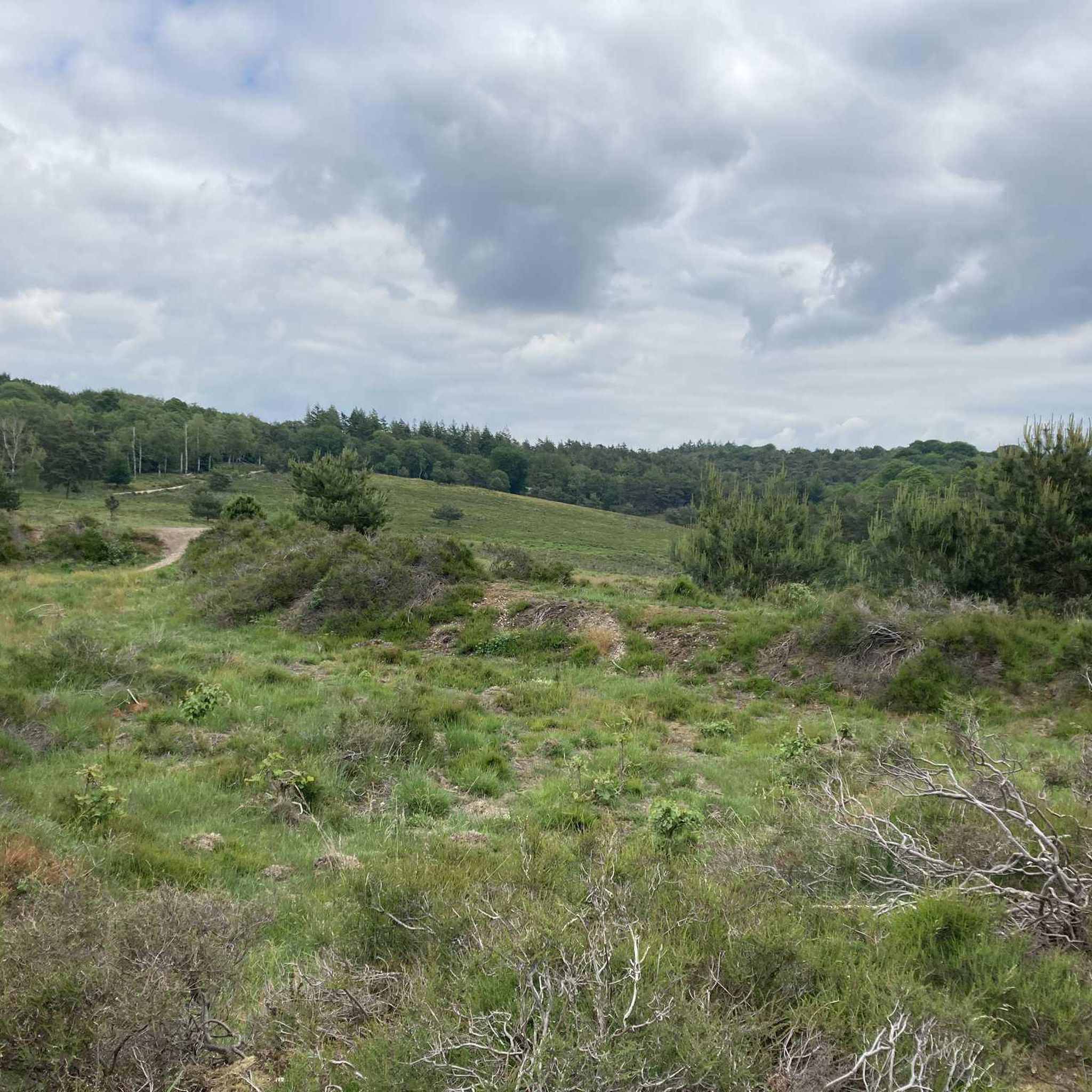



Tips from the Community

It's a real climb to get here, but it's worth it! Be warned if you try to follow the "trail" to the Gourgue d'Asque from here on a mountain bike: it's not very busy, littered with dead wood, difficult to follow (almost invisible in places due to lack of traffic), and the descent is really steep!
0
0

One of the first passes in the baronies to test yourself before attacking the mountain. Not very high percentage, superb view of the Pyrenees mountain range.
1
0

Small climb but nice and quiet, beautiful route and beautiful views
1
0

Mauvezin castle dominates the entire Toulouse-Bayonne road from its crenellated keep. The inner courtyard is a perfect example of medieval military architecture, in which replicas of war machines are exhibited. You can visit the castle during your hike!
2
1

Superb, winding road to perfection but well maintained along or crossing many rivers. I love !
2
0
Very beautiful abbey very well preserved. Located along the road and very easy to access. Fullness guaranteed!
0
0
The pass is easier on the Hetches side. Very pretty road with many switchbacks and beautiful views of the Pyrenees and the Pic du Midi.
3
0

Unspectacular pass, but with a nice approach through idyllic villages
3
0
Frequently Asked Questions
What historical sites can I explore around La Barthe-De-Neste?
The region is rich in history. You can visit the ruins of a 10th-century keep in the 'Le Village' quarter, the 13th-century Saint-Barthélemy Church, and the 19th-century Church of Saint-Jean-Baptiste. Nearby, don't miss Mauvezin Castle, a fortress with medieval military architecture, and Abbaye de l'Escaladieu, an important Cistercian monastery and stop for Camino de Santiago pilgrims.
Are there any natural attractions or scenic viewpoints in the area?
Yes, La Barthe-De-Neste offers beautiful natural features. You can enjoy the Neste River Valley, which transitions from mountainous terrain to a wider valley. For stunning vistas, head to Col de Coupe, which provides views of the Baronnies valley, the Pyrenees, and the Pic du Midi. The village itself also offers attractive views of the Pyrenees foothills.
What outdoor activities can I do near La Barthe-De-Neste?
The area is perfect for outdoor enthusiasts. You can explore a variety of hiking trails, such as the 'Drinking Water loop from Lortet' or the 'Panoramic view loop from Capvern'. For cyclists, there are routes like the 'Escapade between Tarbes and Saint-Gaudens' or the 'Palomières Pass – Col de Coupe loop'. Gravel biking options include the 'Dungeon church – Winding, car-free road loop'. You can find more details on these activities and routes in the dedicated guides for hiking, cycling, and gravel biking around La Barthe-De-Neste.
What is the Gouffre d'Esparros and is it worth visiting?
The Gouffre d'Esparros (Esparros Chasm) is a remarkable natural site located approximately 7 km from La Barthe-De-Neste. It is renowned for its exceptionally rich aragonite formations, which are known for their beauty and variety of concretions. It has been developed as an eco-installation for public access and is highly recommended for those interested in unique geological wonders.
Are there any family-friendly attractions or activities?
Families can enjoy pleasant walks and picnics at La Plantade, a large, well-maintained sylvester plantation with resting areas and pétanque. Exploring Mauvezin Castle with its replicas of war machines can also be an engaging experience for children. The local Sunday market offers a chance to discover local produce and crafts.
What cultural insights can I gain in La Barthe-De-Neste?
La Barthe-De-Neste has a rich cultural heritage. You can visit the local market held every Sunday morning under the new market hall to experience local life and produce. The Lavoir de la rue du Pont, also known as 'Fontaine aux chiens,' is an old communal washhouse fed by thermal water with historical significance. The village's past as a strategic crossroads and seat of the ancient county of Aure also offers a glimpse into its historical importance.
What do visitors enjoy most about the attractions around La Barthe-De-Neste?
Visitors particularly appreciate the scenic beauty and historical depth of the region. The Road of the Baronnies is loved for its superb, winding, and well-maintained path along rivers. Col de Coupe is praised for its beautiful views of the Pyrenees. The well-preserved Abbaye de l'Escaladieu is also a favorite for its historical significance and easy access.
Can I find local markets or places to buy local produce?
Yes, a vibrant market is held every Sunday morning under the new market hall in the town center. Here, you can find local produce sold directly by farmers and artisans, offering a great opportunity to experience the regional flavors and crafts.
Are there any unique historical features related to water in the area?
Indeed. The Lavoir de la rue du Pont, also known as 'Fontaine aux chiens' (Dog Fountain), is a notable old communal washhouse. It is unique because it is fed by thermal water, which was historically believed to have dermatological properties and was even used for bathing ailing dogs.
What is the 'Road of the Baronnies' and why is it popular?
The Road of the Baronnies is a highly popular scenic route. It's known for being superb, winding, and well-maintained, often running alongside or crossing several rivers. It offers an excellent experience for both driving and cycling, providing beautiful views and an enjoyable journey through the landscape.
What is the significance of La Barthe-De-Neste's location?
La Barthe-De-Neste holds historical significance due to its strategic location. It is situated at the foot of the Lannemezan Plateau and at the entrance to the Neste and Aure valleys, making it a natural crossroads. Historically, it was the seat of the ancient county of Aure and later the district of the 'Quatre Vallées,' benefiting from its position at the intersection of 'La Ténarèze' (an ancient route) and a Roman road.
Most popular routes around La Barthe-De-Neste

Get inspired with the komoot mobile app


Explore more
Still not found the Highlight you’re looking for? See guides of the top attractions in other regions:
