The best running trails around Coulanges
4.2
(7)
218
runners
52
runs
Jogging routes around Coulanges offer diverse landscapes for outdoor enthusiasts. The region, particularly Coulanges-la-Vineuse, features an extensive network of circuits ideal for running, characterized by small valleys formed by erosion. The terrain includes vineyards on south and southeast-facing slopes, with elevations between 155-310 meters. Geological features such as limestone, clay, and Kimmeridgian marl formations contribute to the unique landscape, providing varied and scenic running trails.
Best jogging routes around Coulanges
- The most popular jogging route is Digoin Canal Bridge –…
Last updated: June 18, 2026
15
runners
8.87km
00:55
20m
20m
Moderate run. Good fitness required. Mostly paved surfaces. Suitable for all skill levels.
4.0
(1)
17
runners
6.81km
00:42
20m
20m
Moderate run. Good fitness required. Mostly paved surfaces. Suitable for all skill levels.

Sign up for free
3
runners
11.3km
01:10
30m
30m
Moderate run. Good fitness required. Mostly paved surfaces. Suitable for all skill levels.
7
runners
Moderate run. Good fitness required. Mostly paved surfaces. Suitable for all skill levels.
3
runners
8.37km
00:57
150m
150m
Moderate run. Good fitness required. Mostly paved surfaces. Suitable for all skill levels.
Get access to more routes and recommendations from other explorers.
Sign up for free
Already have an account?
Our route recommendations are based on thousands of hikes, rides, and runs completed by other people on komoot.
Start today with a free account
Your next adventure awaits.
Login or Signup

Tips from the Community

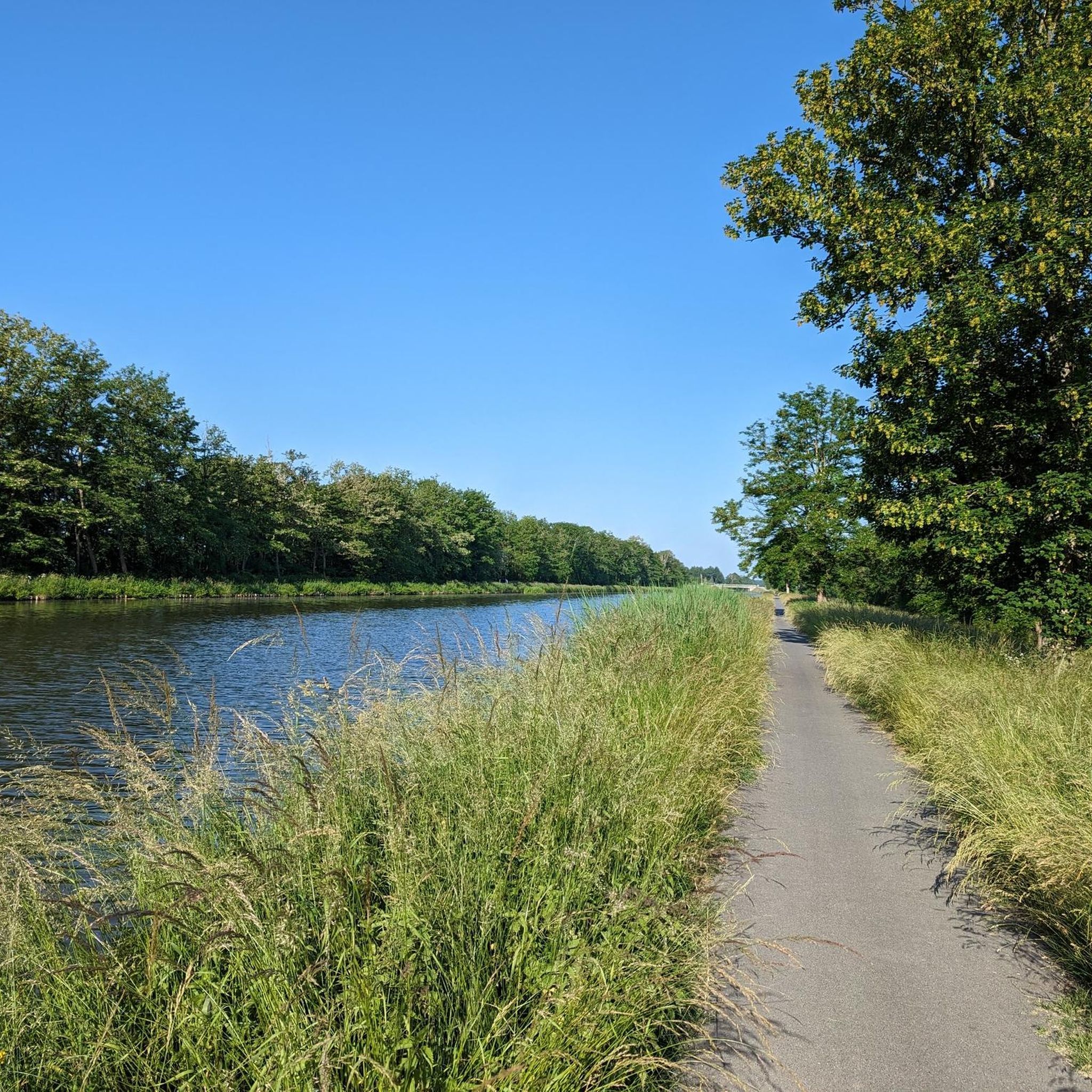
A nice road that runs along the canal. It's pretty quiet and mostly straight so you can go pretty fast.
0
0

Long, good route also for racing bikes. Better during off-season.
0
0

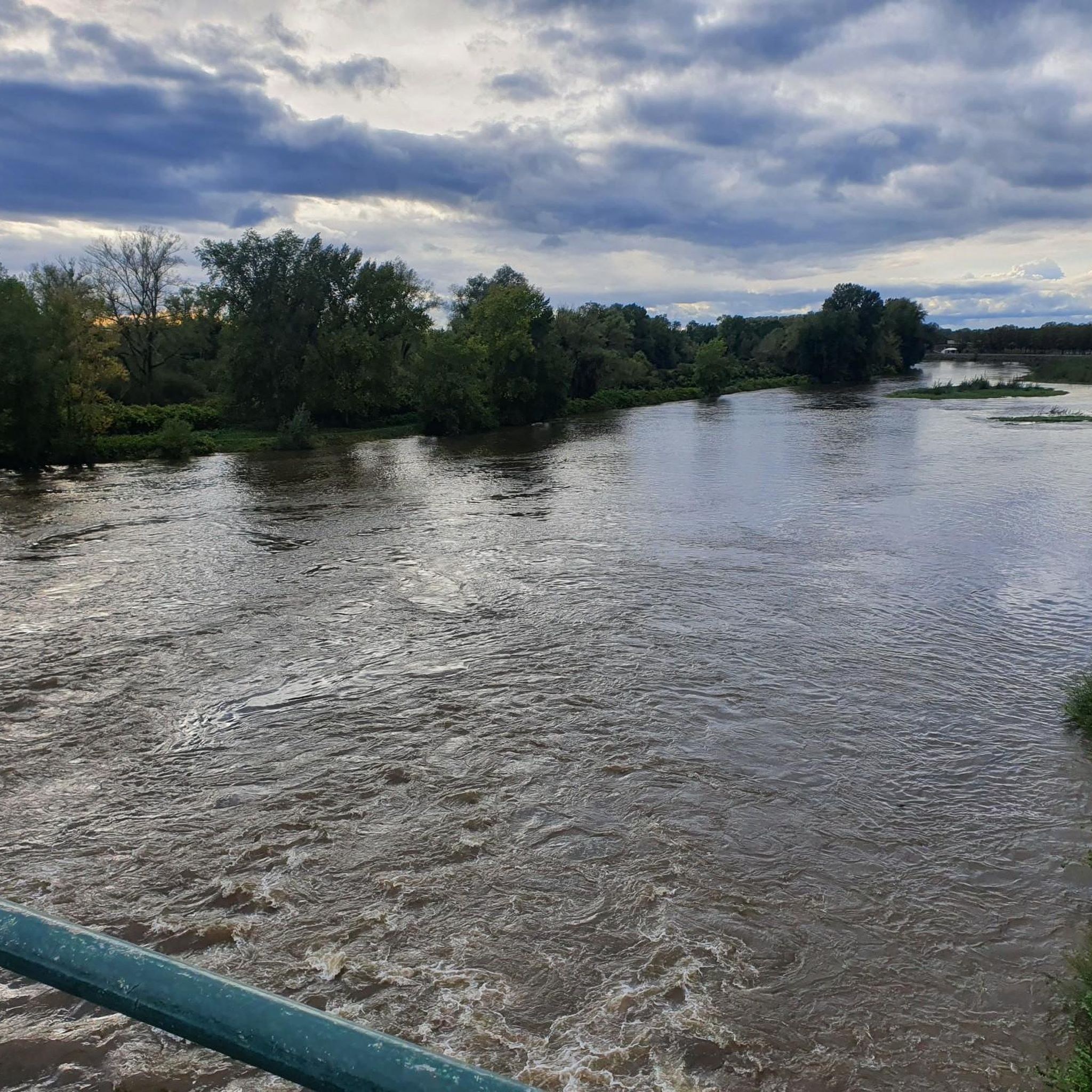
Refreshing drinks in a nice atmosphere on the banks of the Loire.
0
0

Impressive "canal bridge" over the Loire, which was built over 180 years ago.
0
0

A large number of flint leaf tips dating from the Solutrean (Paleolithic) period were found near Digoin, in Volgu, indicating very early human settlement. Further Gallo-Roman and Merovingian traces of a settlement have been found. The place was known by the Latin name Denegontium, later Digonium. For several centuries, the city's activities developed on the banks of the river, where a port had been established on the Loire. From there, wine from the Mâcon and Chalon-sur-Saône area, wood from the Morvan, and stone blocks were exported to the Loire Valley and Paris. At the end of the 18th century, the construction of the Canal du Charolais (today: Canal du Centre) was pushed forward from Burgundy to connect the Saône with the Loire. This canal became navigable from 1794, intensifying the problems with the Loire's unreliable navigability. With the construction of the Roanne-Digoin Canal (1832) and the Loire Side Canal, shipping on the Loire itself gradually reduced and ceased completely during the second half of the 19th century. A stone canal bridge 243 meters long (eleven arches) enables the central canal to be linked to the Loire side canal. At the end of the 19th century, water from the Arroux River was diverted near Gueugnon and channeled into the Canal du Center via a supply canal east of the city in order to improve the canal's water supply. At that time, this canal was navigable for small ships. In the 1950s, the port of Gueugnon was closed and shipping on this supply channel ceased. Even after the decline of inland shipping, Digoin was an important transport hub for rail and road connections due to its central length. Thanks to good transport links, Digoin was able to expand its economy by establishing potteries and the Sarreguemines earthenware industry. Source: Wikipedia
2
0
Since the upper Loire was not without problems for shipping due to its irregular water level, a side canal running parallel to the river was built between 1827 and 1838. The Canal latéral à la Loire also represents the link between the Canal de Briare and the Canal du Centre. Inland vessels can travel from the English Channel via Paris and Lyon to the Mediterranean via four consecutive canals. Under the direction of Jean Joseph Pierre Vigoureux, the engineer Adolphe Jullien built one of the first large canal bridges in France near Digoin from 1834 onwards. It was completed in 1837[1] and opened to shipping at the same time as the canal was opened. The bridge was widened in 1870. From 1890 to 1896 it was reworked again by Léonce-Abel Mazoyer to adapt it to the dimensions of ships of the Freycinet class, with the water depth being increased by raising the trough walls. (Source: Wikipedia)
2
1

Always surprising a canal bridge!
0
0

The Digoin aqueduct is both a curiosity and a rarity. This 243-meter bridge allows barges to pass over the Loire River. It is also open to pedestrians and cyclists, who are asked to walk alongside their bicycles during the crossing. This remarkable structure was designed in the 1880s and 1890s. It allows the Loire Lateral Canal to connect with the Canal du Centre a little further downstream.
5
1
Frequently Asked Questions
How many running routes are available in the Coulanges area?
Komoot offers over 45 diverse running routes around Coulanges, catering to various preferences and fitness levels. These include paths through vineyards, along canals, and across varied countryside.
What kind of terrain can I expect on jogging trails in Coulanges?
The terrain in Coulanges is quite varied. Particularly in Coulanges-la-Vineuse, you'll find small valleys formed by erosion, vineyards on south and southeast-facing slopes, and geological features like limestone, clay, and Kimmeridgian marl formations. Many routes also feature flat canal paths, offering a mix of challenges and scenic views.
Are there any easy or beginner-friendly running routes in Coulanges?
Yes, Coulanges offers several easy running options. For a gentle start, consider the Digoin Canal Bridge – Digoin Canal Bridge loop from Digoin, a moderate 4.2-mile (6.8 km) path that follows the canal, providing a flat and accessible running experience.
What are the typical distances of running trails near Coulanges?
Running trails in Coulanges vary in distance. Many popular routes range from 4 to 6 miles (6.5 to 10 km). For example, the Digoin Canal Bridge – Digoin Canal Bridge loop from Molinet is 5.5 miles (8.9 km), while the Running loop from Molinet is 5.0 miles (8.1 km).
What can I see along the jogging routes in Coulanges?
Many running routes in Coulanges offer scenic views and points of interest. You can often find yourself running alongside the Canal Latéral à la Loire or the Loire River. Notable landmarks include the Digoin Canal Bridge and the Pont-Levis on the Arroux.
Are there any circular running routes in the Coulanges area?
Yes, many of the running routes in Coulanges are designed as loops, perfect for circular runs. Examples include the Digoin Canal Bridge – Digoin Canal Bridge loop from Molinet and the Digoin Canal Bridge – Digoin Canal Bridge loop from Digoin, both offering convenient starting and ending points.
What do other runners enjoy most about jogging in Coulanges?
The running routes in Coulanges are highly rated by the komoot community, with an average score of 5.0 stars. Runners often praise the varied terrain, the picturesque canal paths, and the peaceful countryside, which provide a refreshing escape for outdoor activity.
Are there any running routes with significant elevation changes in Coulanges?
While many routes feature gentle canal paths, the region, especially Coulanges-la-Vineuse, is characterized by small valleys and vineyards on slopes, offering some elevation. For a route with more varied elevation, consider the Étang Neuf loop from La Motte-Saint-Jean, which includes more noticeable ascents and descents.
Is Coulanges-la-Vineuse or Coulanges-les-Nevers better for jogging?
Both locations offer opportunities for runners. However, Coulanges-la-Vineuse is particularly noted for its extensive network of 20 circuits covering 195 kilometers, specifically designed for hiking and walking, which are also ideal for jogging. Its unique geological features and vineyards provide a more varied and extensively documented landscape for outdoor activities.
What is the best time of year for jogging in Coulanges?
Coulanges benefits from a favorable microclimate, particularly in the vineyard areas of Coulanges-la-Vineuse. Spring and autumn generally offer pleasant temperatures for running, with vibrant scenery. Summer mornings and evenings are also ideal to avoid the midday heat, while winter can provide crisp, refreshing runs, especially on the well-maintained canal paths.
Are there any routes that offer views of the Loire River or Canal?
Absolutely. Many routes are designed to showcase the region's waterways. The View of the Loire Bend – Loire Canal Pathway loop from Molinet is an excellent choice, offering direct views and paths along the Loire Canal Path and glimpses of the Loire itself.
Most popular attractions around Coulanges

Get inspired with the komoot mobile app


Explore more
Browse the best Running Trails & Routes in other regions.
