The best walks and hikes around Came
4.0
(25)
159
hikers
28
hikes
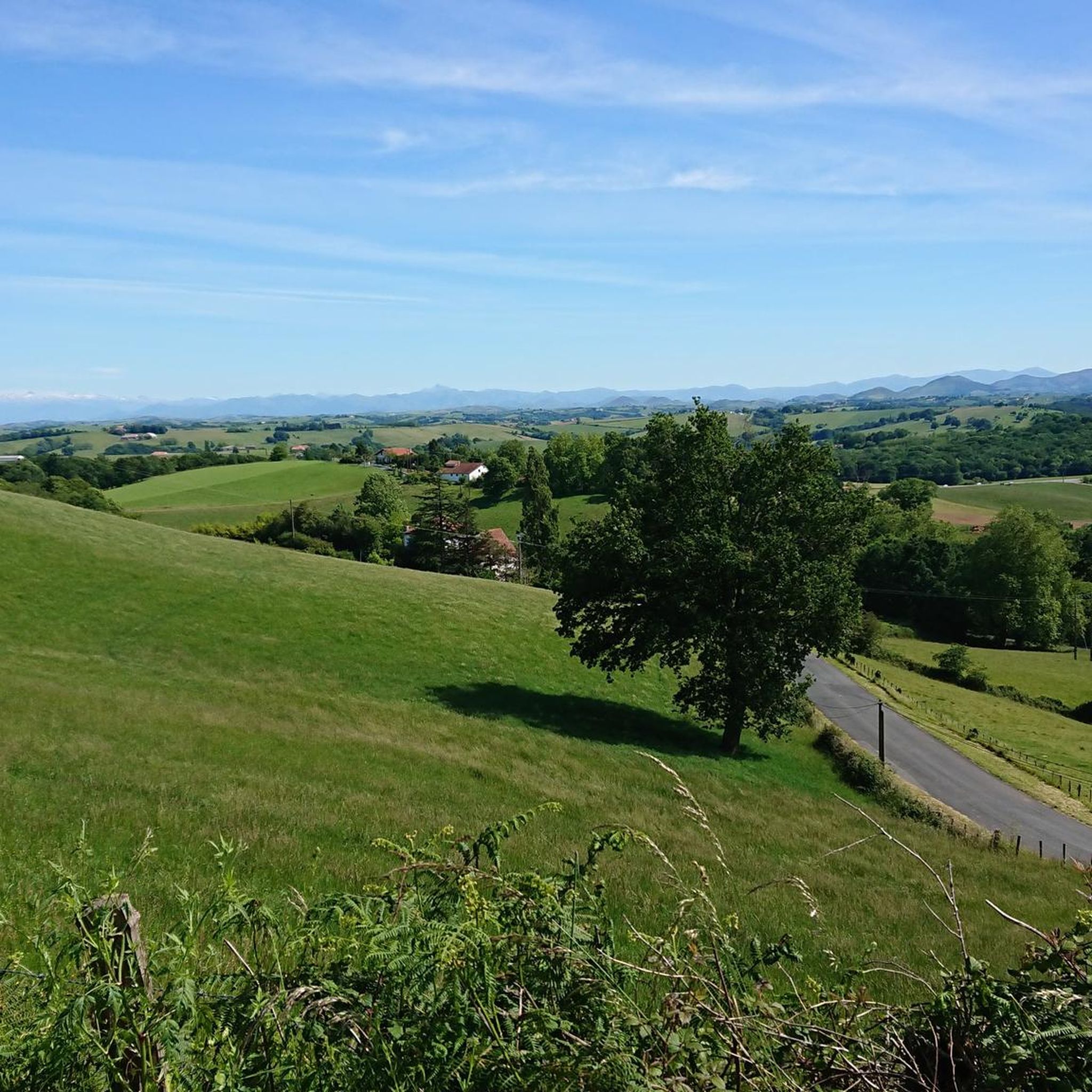
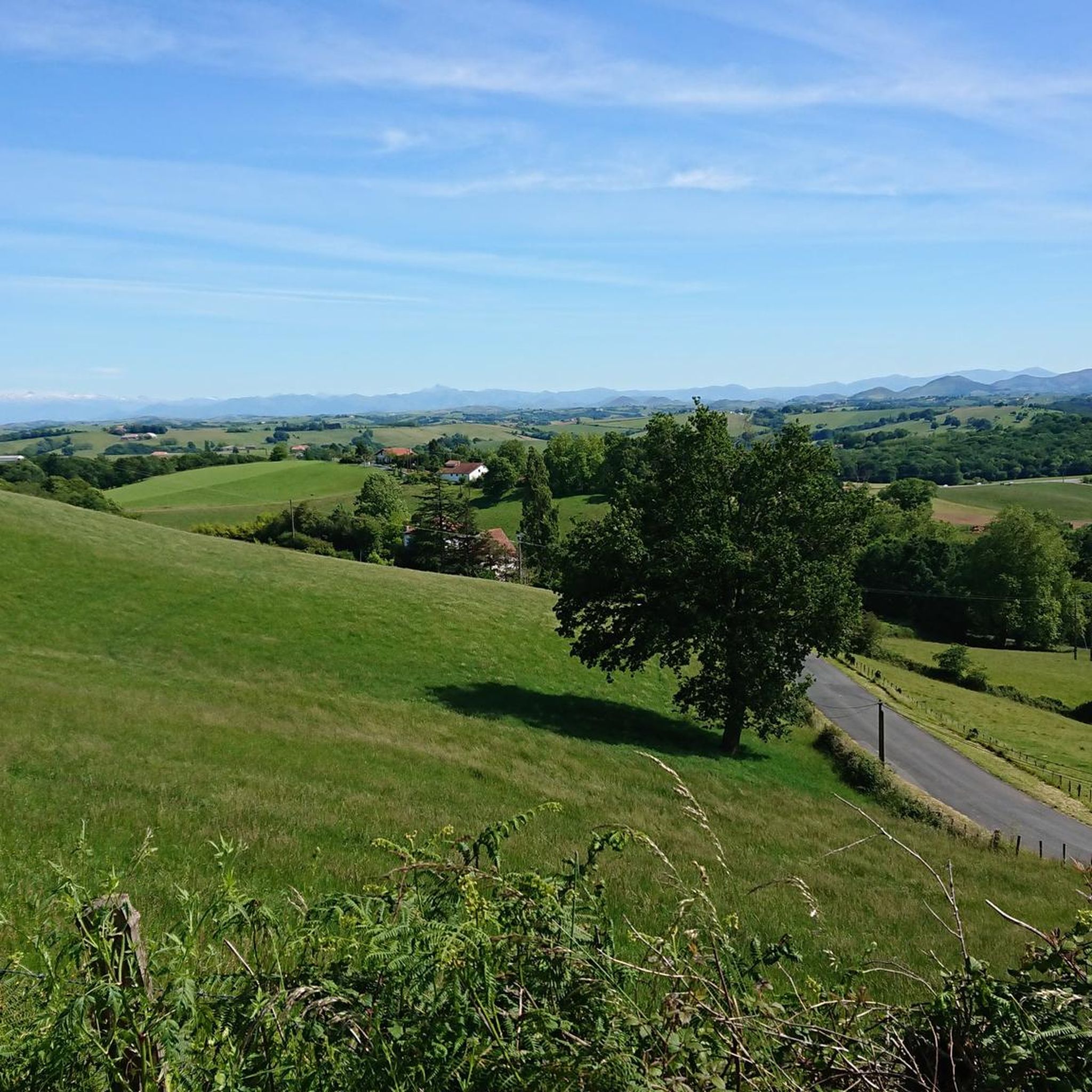
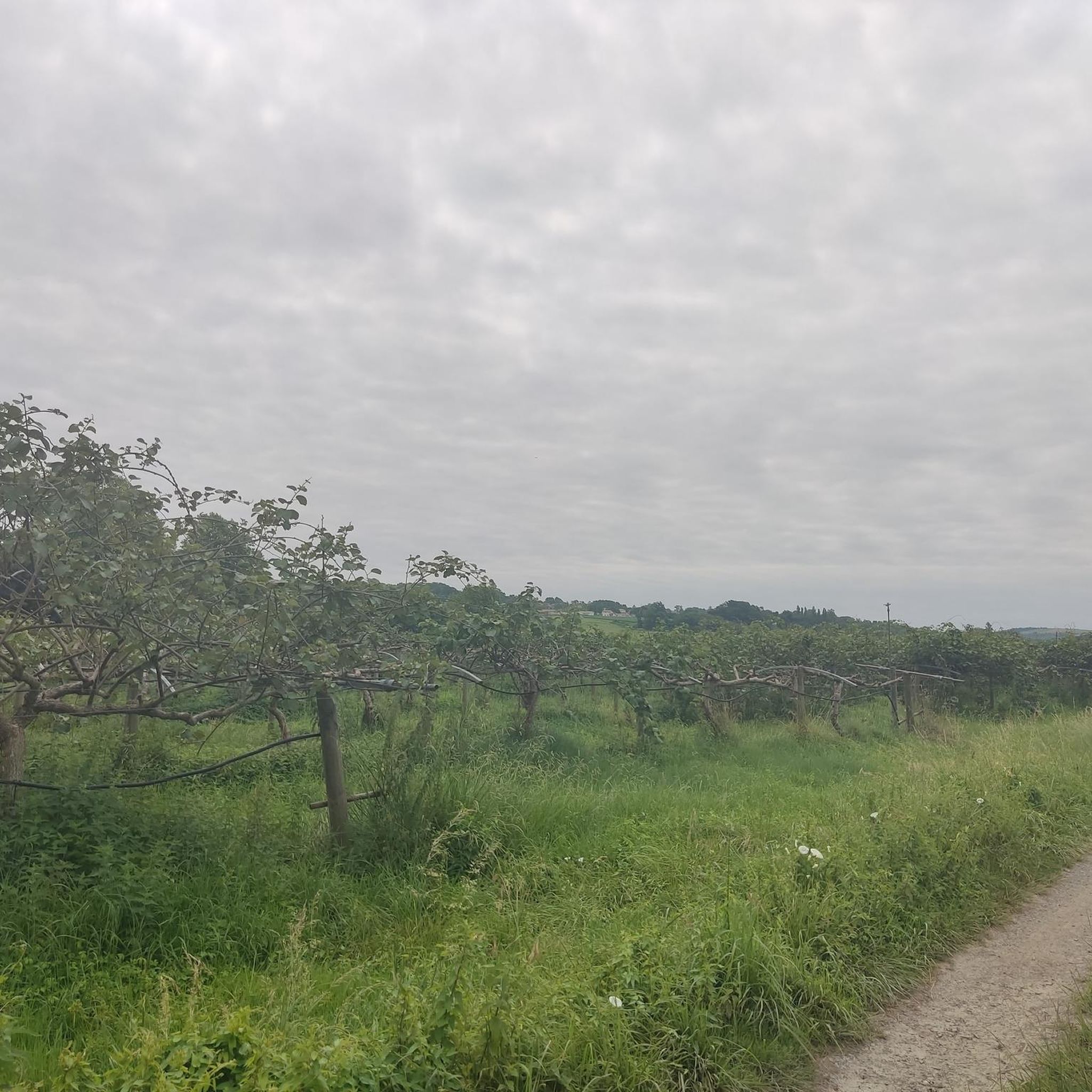
Hiking around Came offers routes through a landscape characterized by historical landmarks and gentle countryside. The region's trails often connect cultural sites, providing varied scenery without significant elevation changes. Hikers can expect paths that traverse rural areas, linking villages and historical structures. The terrain is generally mild, suitable for a range of abilities.
Best hiking trails around Came
- The most popular hiking route is Château de Montréal - Peyrehorade Loop, a 9.2 miles (14.8 km) trail that takes 4…
Last updated: May 6, 2026
4.0
(2)
19
hikers
14.8km
04:01
200m
200m
Moderate hike. Good fitness required. Easily-accessible paths. Suitable for all skill levels.
4.5
(4)
27
hikers
7.99km
02:10
110m
110m
Moderate hike. Good fitness required. Easily-accessible paths. Suitable for all skill levels.

Sign up for free
4.0
(1)
10
hikers
6.45km
01:45
90m
90m
Easy hike. Great for any fitness level. Easily-accessible paths. Suitable for all skill levels.
5.0
(1)
9
hikers
Moderate hike. Good fitness required. Easily-accessible paths. Suitable for all skill levels.
10
hikers
12.6km
03:17
90m
90m
Moderate hike. Good fitness required. Easily-accessible paths. Suitable for all skill levels.
Get access to more routes and recommendations from other explorers.
Sign up for free
Already have an account?
Our route recommendations are based on thousands of hikes, rides, and runs completed by other people on komoot.
Start today with a free account
Your next adventure awaits.
Login or Signup

Tips from the Community

Beautiful village, don't forget to go through the gate! 🤩
0
0

beautiful Romanesque village with lovingly renovated houses, one of the few sights in the area
0
0

THE FOUNTAIN-WASHBOARD OF BOURG-NEUF Its construction is linked to the Bourgneuf district which developed to the west of the medieval enclosure. The houses are connected to Chemin du Lavoir by stairs built on the old ramparts. They were taken down to fetch water from the fountain and do laundry chores. The washhouse is made up of two basins and flat stones or boards on which the washerwomen soaped or beat the linen. This fountain-washhouse is mentioned in the municipal registers in 1609 under the name of Cappellade fountain and was, until the mid-1960s, before water supply, the nerve center of the Bourgneuf district. Here is the testimony of a resident who remembers this recent past: “This Bourgneuf fountain was very famous because the water was very fresh and most of the women of Sordes came at midday with their jug to collect water. They waited sitting on the stones of the washhouse and that's where we learned the stories of the village. It was the housewives' meeting. » (Source: Pays d’Orthe Cultural Center)
0
0


The Château de Montréal has had many functions since its construction in the 1550s. Originally built to control river traffic on the Gaves united, it later became the residence of the Viscounts of the Orthe region, before becoming a military hospital, a convent and a technical college. It is however today the town hall of Peyrehorade.
4
0

Superb abbey! Please note the cryptoporticus is under construction (November 2022). Beautiful presentation of the restoration work and suitable for all
1
0

Bastide founded in 1289 by Edward 1st of England. Franchises confirmed in 1321, authorizing a weekly market and two annual fairs. In 1342, the King-Duke authorized the installation of a river port. The city was fortified and money was minted there. During the Wars of Religion, the city was burned in 1523, then part of the enclosure was destroyed. On a hill overlooking the river called the Gaves reunited, elongated plan adapted to the topography. https://www.tourismelandes.com/patrimoine-culturel/la-bastide-dhastingues-pcuaqu040v50r70x/
1
0

The abbey of Sordes, in the commune of Sorde-l'Abbaye, is a Benedictine abbey from the 10th century. Located on the banks of the Gave river, it is part of a remarkable heritage site, marked by its remains and its history linked to the paths of Santiago de Compostela.
1
0
Frequently Asked Questions
How many hiking trails are available in Came?
There are over 30 hiking trails around Came, offering a variety of experiences for different skill levels. The komoot community has explored these routes over 160 times, providing an average rating of 3.9 stars.
What types of terrain can I expect on hikes in Came?
Hiking around Came features a landscape characterized by historical landmarks and gentle countryside. Trails often traverse rural areas, connecting villages and historical structures. The terrain is generally mild, with gentle ascents and descents, making it suitable for a range of abilities.
Are there any easy hiking trails suitable for beginners in Came?
Yes, Came offers several easy trails. For instance, The Bastide of Hastingues loop from Abbaye d'Arthous is an easy 4.0-mile (6.4 km) trail that leads through historical bastide towns and rural settings, typically completed in about 1 hour 45 minutes. Overall, there are 14 easy routes to choose from.
Are there any longer or more challenging hikes in Came?
While the region is known for its mild terrain, there are moderate options for those looking for a longer walk. The Château de Montréal - Peyrehorade Loop is a moderate 9.2-mile (14.8 km) trail that takes around 4 hours to complete, featuring historical sites and gentle ascents. There are 16 moderate and 4 difficult routes available.
What interesting landmarks or attractions can I see along the hiking trails in Came?
Many trails in Came pass by significant historical and cultural sites. You can explore places like The Bastide of Hastingues, the Gramont Castle in Bidache, or the Bourg-Neuf Washhouse Fountain. These attractions are often integrated into the hiking routes, offering a blend of nature and history.
Are there any circular hiking routes in Came?
Yes, many of the trails in Came are designed as loops, allowing you to start and end at the same point. An example is the Abbaye de Sordes – Heritage loop from Sorde-l'Abbaye, a moderate 5.0-mile (8.0 km) path that explores the area's heritage with mild elevation changes.
What is the best time of year to go hiking in Came?
Given the mild terrain and focus on historical sites and rural paths, hiking in Came is generally pleasant during spring, summer, and autumn. These seasons offer comfortable temperatures and good visibility for enjoying the countryside and landmarks. Winter walks are also possible, though some paths might be muddier.
Are the hiking trails in Came suitable for families with children?
Yes, many of the trails in Came are suitable for families due to their generally mild terrain and gentle elevation changes. The region's focus on rural paths and historical sites can also make for an engaging experience for children. Look for the 'easy' graded routes for the most family-friendly options.
Can I bring my dog on the hiking trails in Came?
Most rural and natural trails in Came are generally dog-friendly, provided dogs are kept under control, especially when passing through farmlands or near livestock. It's always advisable to check local signage for specific restrictions, particularly around historical sites or protected areas.
Are there any trails that offer views of castles or other historical buildings?
Absolutely. Many routes are designed to showcase the region's rich history. For example, the Château de Gramont de Bidache – View of Château de Gramont loop from Bidache offers excellent views of the historic castle. You'll find numerous opportunities to see historical structures throughout the area.
What are the typical trail conditions in Came?
The trails in Came primarily consist of rural paths, tracks, and sometimes paved sections through villages. They are generally well-maintained, but conditions can vary with weather. After rain, some unpaved sections might be muddy. Appropriate footwear is always recommended.
Are there any cafes or pubs near the hiking trails in Came?
As the trails often link villages and rural areas, you may find local cafes, bakeries, or small eateries in the towns you pass through. It's a good idea to check the specific route details or local information for amenities along your chosen path, especially in smaller hamlets.
Most popular attractions around Came

Get inspired with the komoot mobile app


Explore more
Browse the best Hikes in other regions.
