The best mountain hikes in La Gomera
4.8
(33)
153
hikers
25
hikes
Mountaineering in La Gomera offers diverse and challenging terrain across its rugged, volcanic landscape. The island is characterized by deep ravines, striking volcanic rock formations like Roque Agando, and a mountainous spine with significant elevation changes. At its heart lies Garajonay National Park, a UNESCO World Heritage Site preserving ancient laurisilva forests, providing unique environments for ascents and descents. This variety ensures a constantly engaging experience for mountaineers.
Best mountaineering routes in La Gomera
- The most popular mountaineering route is…
Last updated: October 5, 2026
4.0
(1)
10
hikers
9.18km
04:25
750m
750m
Moderate mountaineering route. Good fitness required. Mostly accessible paths. Sure-footedness required.
5.0
(2)
9
hikers
9.26km
03:46
630m
630m
Moderate mountaineering route. Good fitness required. Mostly accessible paths. Sure-footedness required.

5.0
(2)
9
hikers
Moderate mountaineering route. Good fitness required. Mostly accessible paths. Sure-footedness required.
4.5
(2)
15
hikers
12.1km
05:14
790m
790m
Hard mountaineering route. Very good fitness required. Mostly accessible paths. Sure-footedness required.
5.0
(2)
13
hikers
18.2km
06:50
960m
960m
Hard mountaineering route. Very good fitness required. Mostly accessible paths. Sure-footedness required.
Get access to more routes and recommendations from other explorers.
Already have an account?
Our route recommendations are based on thousands of hikes, rides, and runs completed by other people on komoot.
Start today with a free account
Your next adventure awaits.
Popular around La Gomera
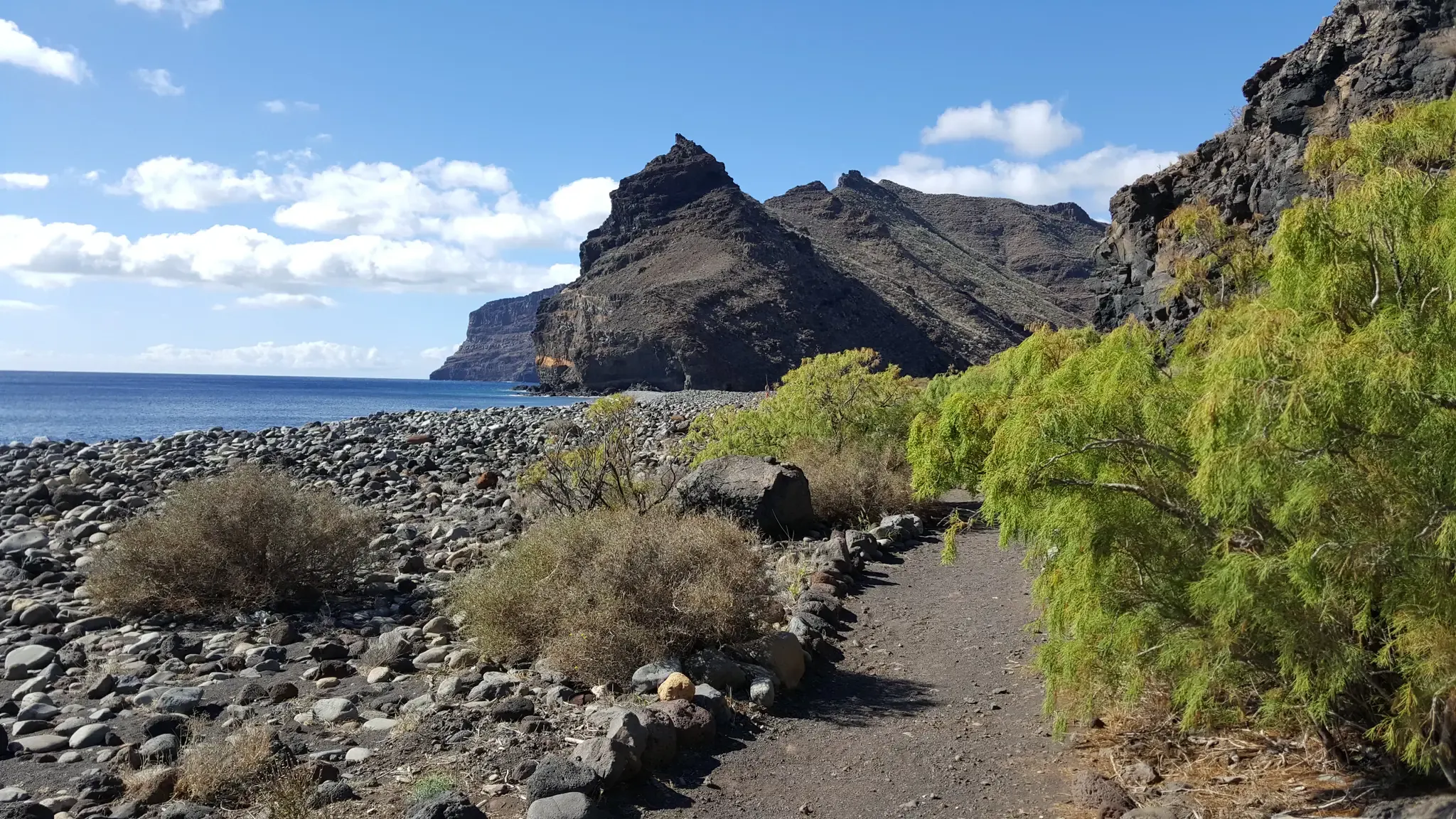
GR 132 – Up and down on an island loop of La Gomera
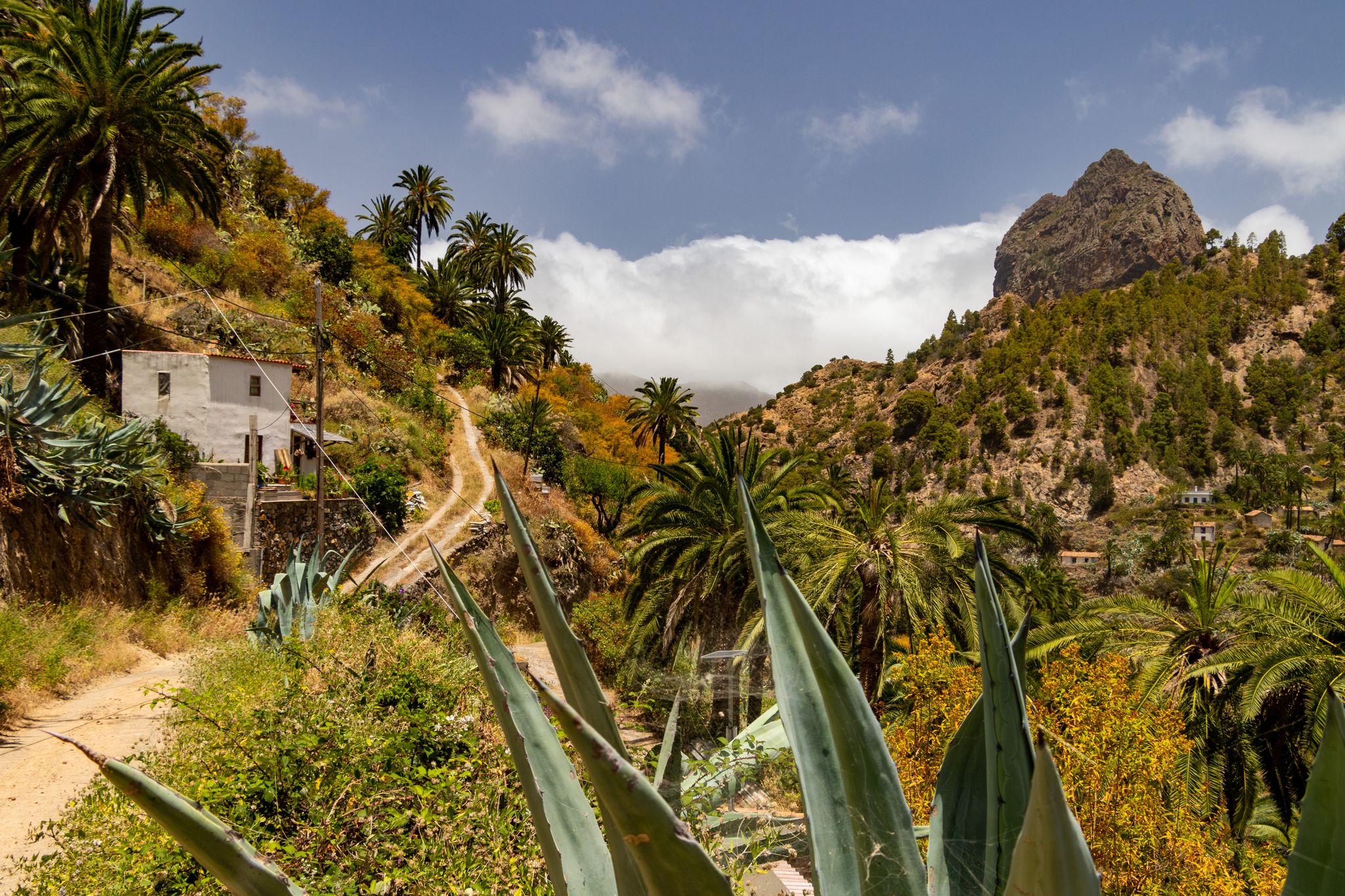
La Palma, El Hierro y La Gomera – explore the Canaries’ Green Islands on foot
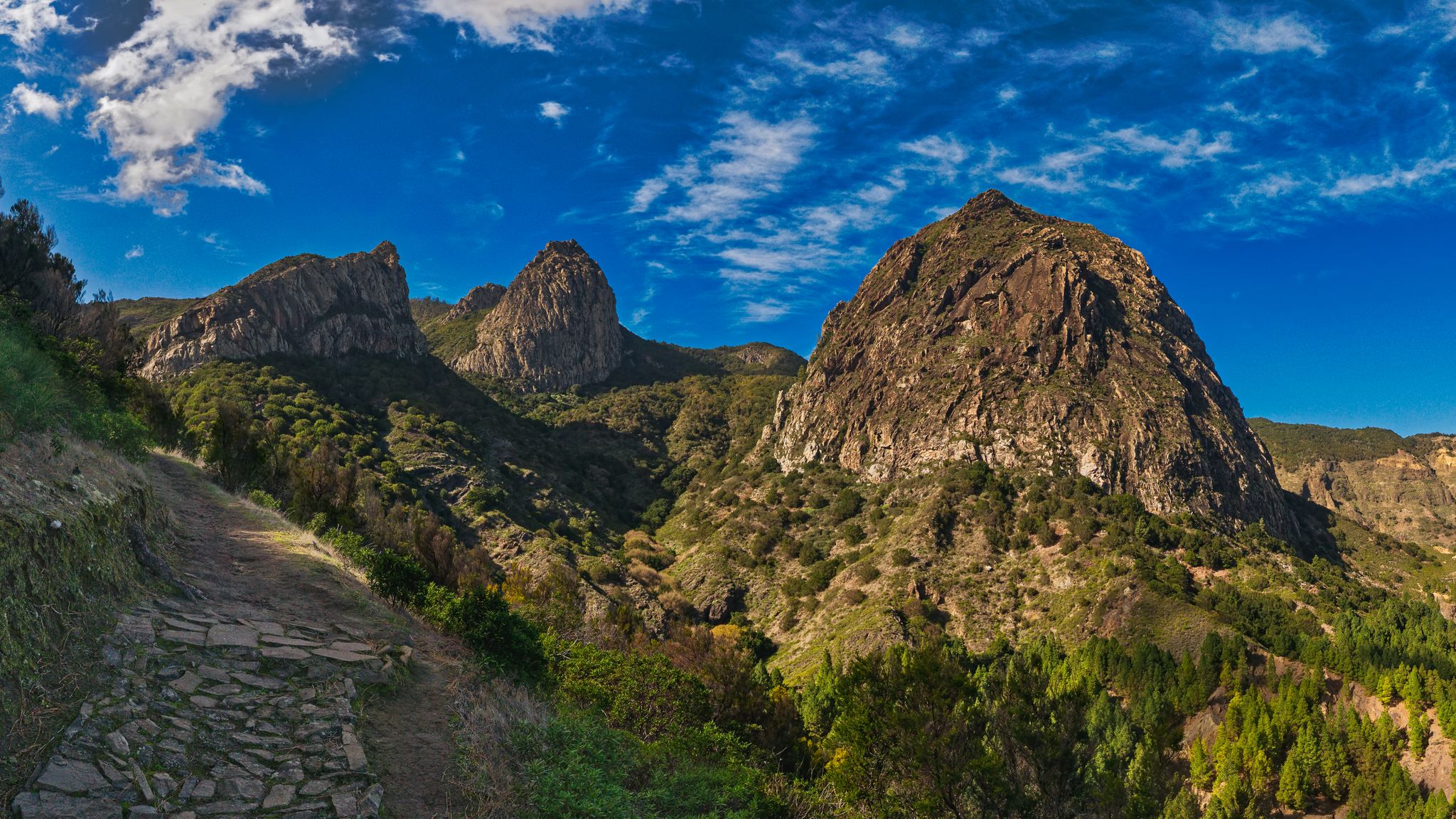
The magical island – Cumbres de La Gomera Natural Trail (GR 131)
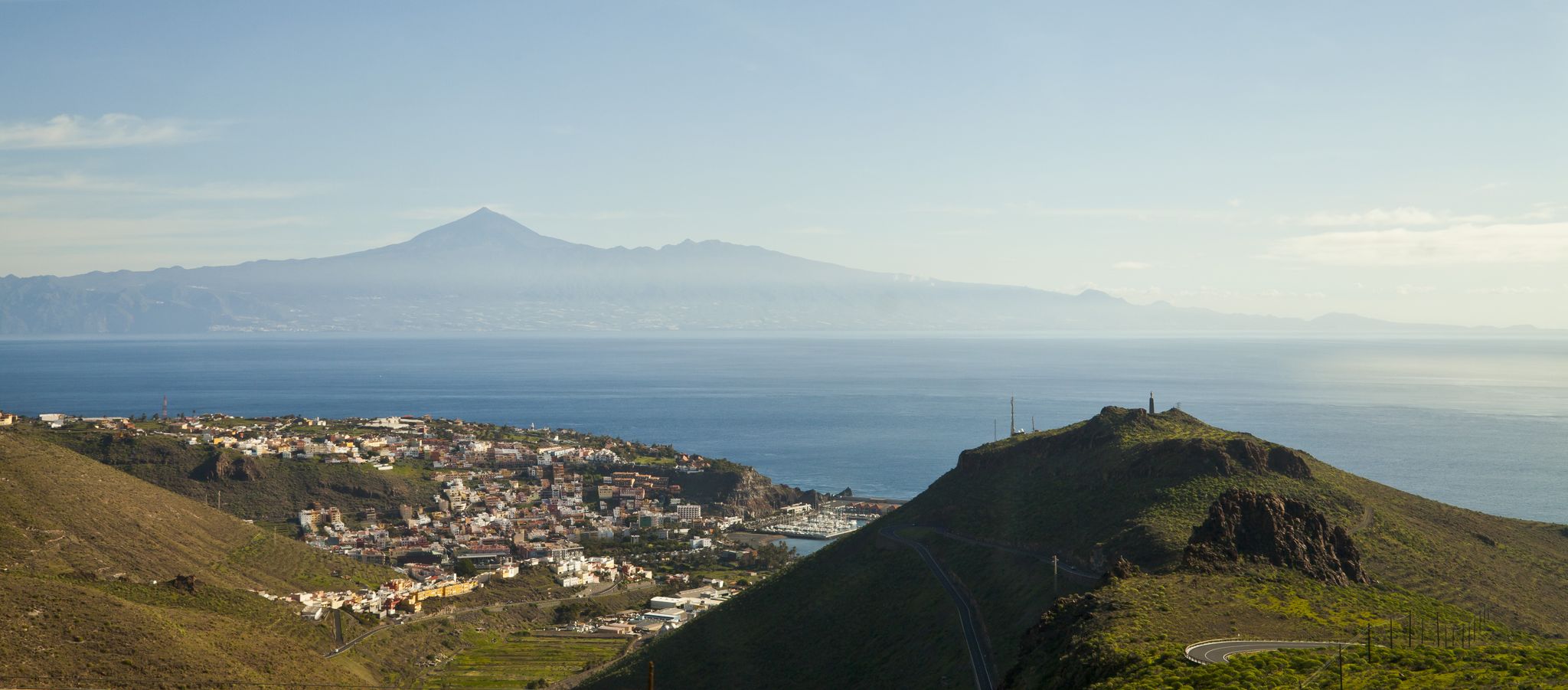
My favourite hikes on Tenerife and La Gomera
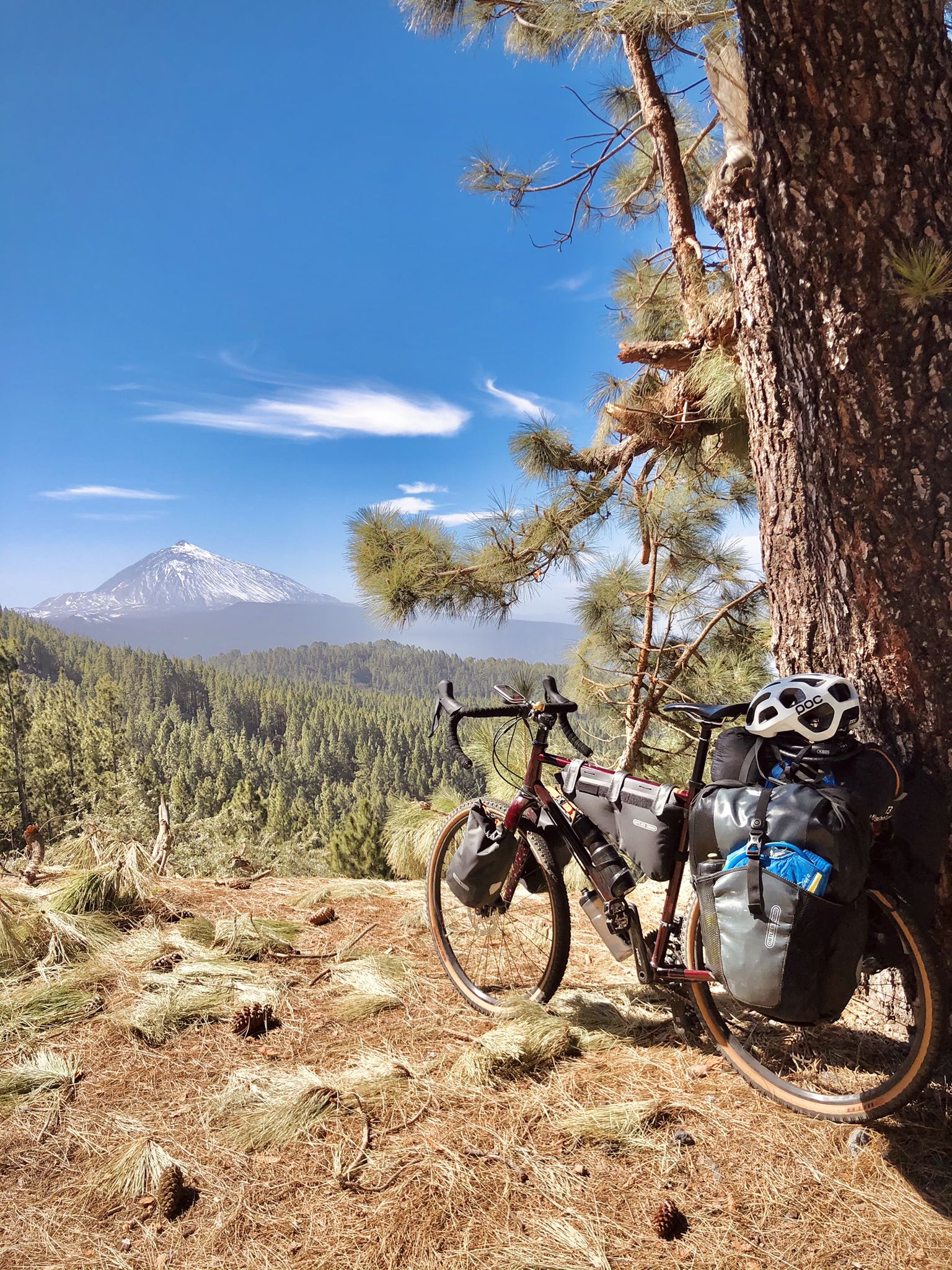
Gravel biking on Tenerife and La Gomera
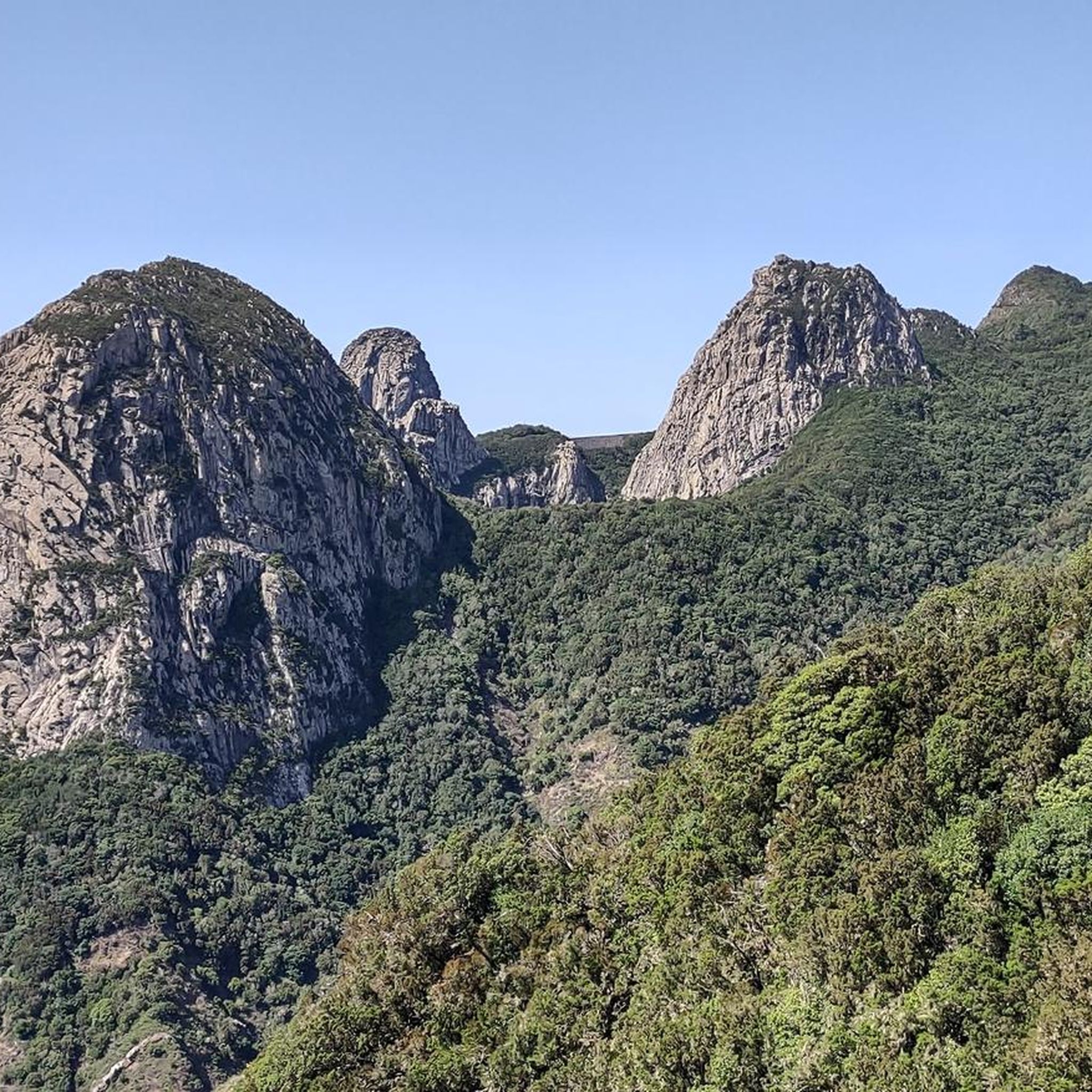
Hiking in La Gomera
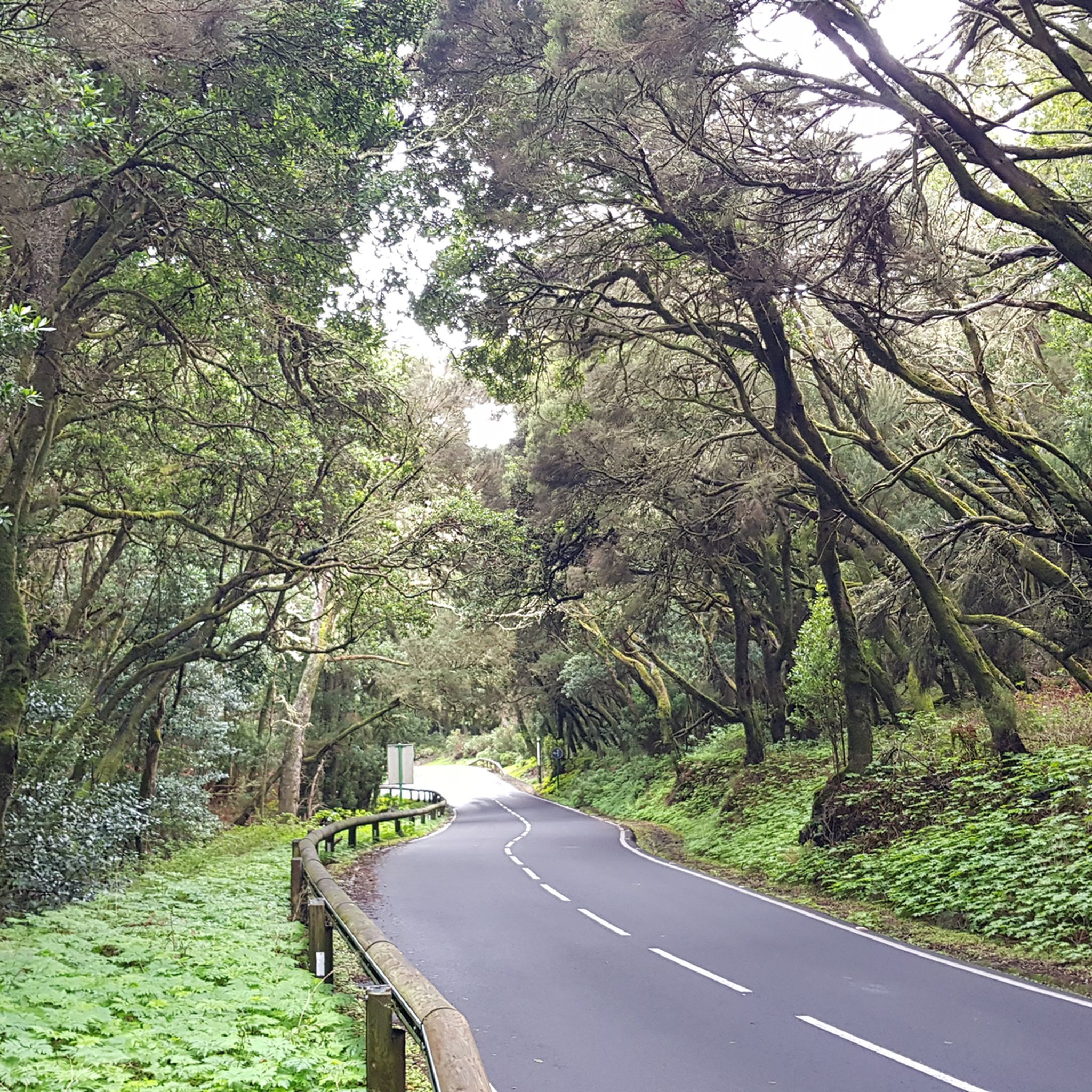
Road Cycling Routes in La Gomera
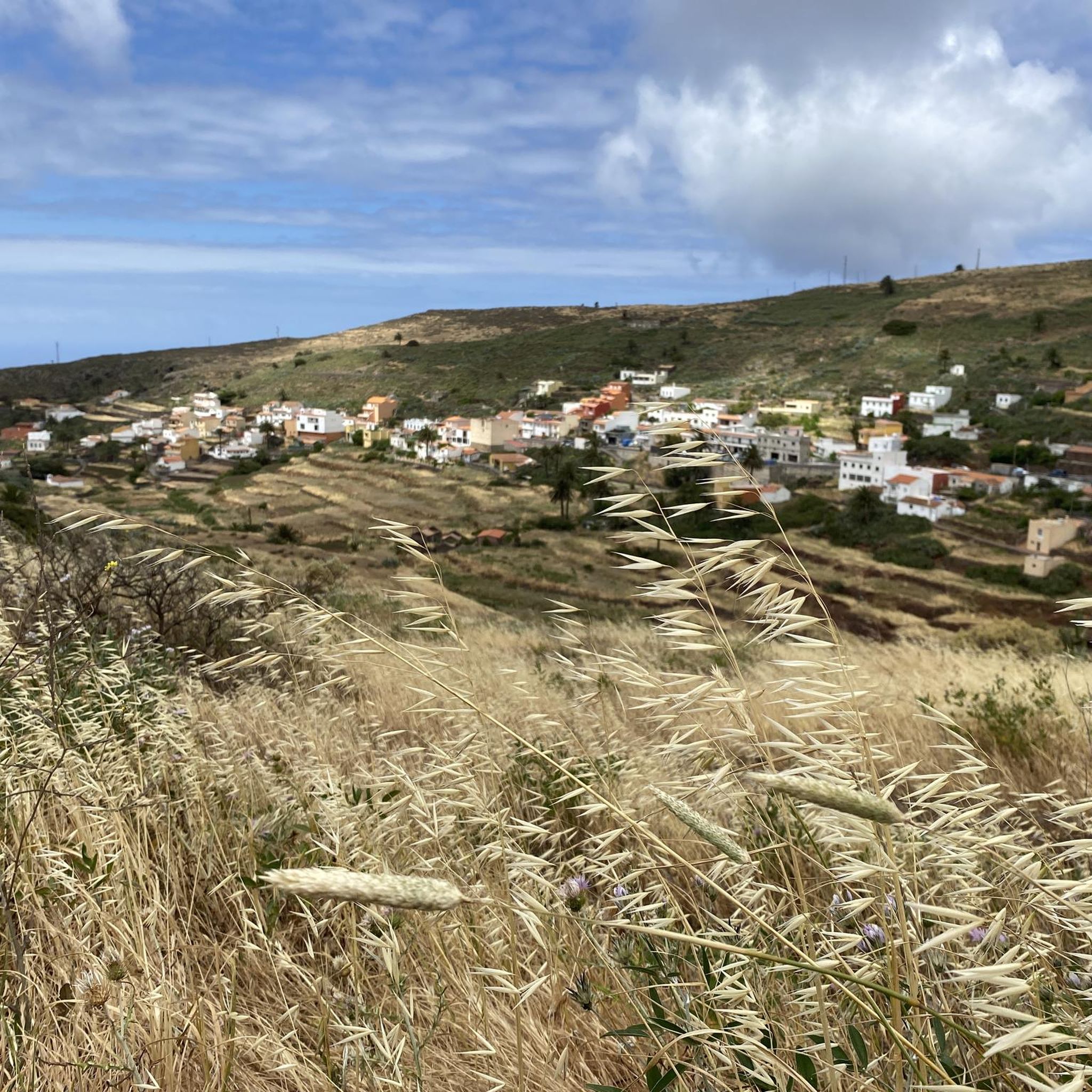
Running Trails in La Gomera
MTB Trails in La Gomera
Cycling in La Gomera
Other adventures in La Gomera


Tips from the Community

One of the most beautiful places/districts in Valle Gran Rey, both in terms of its enchanting appearance and its quality of living.
0
0

A beautiful photo opportunity at a "lost place"—it's always surprising how a house was built here in the middle of nowhere (okay, there must have been water). This gives you an idea of how arduous life used to be (but perhaps happier in nature).
0
0
A nice place to take a break, with a great view.
0
0

It's best to climb the shadeless south-facing slope early in the morning.
0
0
It's best to climb the shadeless south-facing slope early in the morning.
0
0

Moni has already noted everything very well, and I'd like to agree. The Hotel Valle Gran Ray is right across the street. It's a very good place to stay; cleanliness is a top priority there. The staff is always very attentive and tries to ensure our stay is pleasant. When the weather is nice, breakfast is served on the terrace with the wonderful sound of the sea in front of you. Many items from the breakfast buffet are freshly prepared on request. The swimming pool is a great place to cool off after a hike and work on a tan. We would be happy to book the Valle Gran Ray again.
3
0

Hautacuperche is one of the most famous rebels of La Gomera. Since 2007, he has been commemorated with a bronze statue on the beach of Valle Gran Rey. In 1488, Hautacuperche led a rebellion of the locals against the Spanish occupiers. The inhabitants of La Gomera suffered from various oppressions by the Spanish occupier Hernan de Peraza. When the Guanche princess Iballa was finally persecuted, the council of natives decided on a rebellion. Rebellion against the Spaniards In 1488, Hautacuperche is said to have killed Hernan de Perza in the cave. Thereupon Pedro de Vera, the governor of Gran Canaria, issued the order to kill all men over 15 years of age who belonged to certain tribes. The women and children were to be enslaved. The outcome was tragic, but Hautacuperche was given the highest respect. Leader of the insurgents In the summer of 2007, a monument was erected to Hautacuperche: his statue stands imposingly on the beach of Valle Gran Rey. The location is very close to the Baja del Secreto, from where Hautacuperche is said to have set out to lead the Rebelion der Gomeros. Bronze statue in Valle Gran Rey Cast entirely in bronze, the statue of Hautacuperche impresses with a height of four meters. It stands in La Puntilla in Valle Gran Rey, directly opposite the Hotel Gran Rey at the beach entrance with its back to the sea.
2
0
The colorful houses are very beautiful. You can learn a lot about the irrigation system here. The streets are lovely for walks.
3
0
Frequently Asked Questions
How many mountaineering routes are available in La Gomera?
La Gomera offers a wide network of trails, with over 30 dedicated mountaineering routes listed on komoot. These routes cater to various skill levels, from moderate ascents to more challenging climbs across the island's rugged terrain.
What makes La Gomera a unique destination for mountaineering?
La Gomera stands out due to its incredible diversity. You'll traverse everything from the ancient, misty laurisilva forests of Garajonay National Park to arid coastal environments, deep ravines, and striking volcanic formations like Roque de Agando. This variety ensures a constantly engaging experience for mountaineers.
Are there any circular mountaineering routes in La Gomera?
Yes, many of the mountaineering routes in La Gomera are designed as loops, allowing you to start and finish in the same location. For example, the Roque Argando loop from La Gomera is a popular choice, offering views of the iconic Roque Agando.
What is the best time of year for mountaineering in La Gomera?
La Gomera's mild subtropical climate makes it an ideal destination for outdoor activities year-round. Temperatures are consistently pleasant, making it particularly attractive for winter mountaineering when many other regions are colder.
Are there any family-friendly mountaineering options in La Gomera?
While many routes involve significant elevation changes, there are some easier options suitable for families or those new to mountaineering. These routes often feature well-marked paths and less strenuous ascents, allowing everyone to enjoy the island's natural beauty.
What kind of terrain and landscapes can I expect on these routes?
You can expect a dramatic and varied landscape. Routes often lead through dense, humid laurisilva forests, across high peaks and upland ridges, and into deep ravines (barrancos). You'll also encounter impressive volcanic rock formations and, in some areas, stunning coastal cliffs.
Are there any routes that feature waterfalls?
Yes, La Gomera's rugged landscape includes several beautiful waterfalls. You can find routes that pass by or lead to natural attractions such as the Arure Waterfall or the Waterfall in Barranco de Arure, offering refreshing sights along your journey.
How well-marked are the mountaineering trails in La Gomera?
La Gomera is known for its extensive and exceptionally well-marked trail network. Many paths provide clear information on distances, difficulty levels, and elevation changes, making navigation straightforward for mountaineers.
What are some notable landmarks or natural monuments to see along the routes?
The island is rich in natural landmarks. You can climb to Alto de Garajonay, the island's highest point, for panoramic views. Other prominent features include the striking Roque de Agando and the unique Raso de la Bruma (Misty Forest) within Garajonay National Park.
Are there challenging climbs for experienced mountaineers?
Absolutely. La Gomera's rugged and mountainous spine, with its high peaks and deep ravines, provides ample opportunities for demanding ascents and descents. Routes like the Dangerous Rockfall loop from Vallehermoso are rated as difficult, appealing to those seeking a significant challenge.
What do other mountaineers enjoy most about the routes in La Gomera?
The komoot community highly rates mountaineering in La Gomera, with an average score of 4.7 stars. Reviewers often praise the diverse landscapes, the unique atmosphere of the laurisilva forests, and the well-maintained trails that offer a rewarding challenge.
Where can I experience the unique laurisilva forest?
The ancient laurisilva forest is primarily found within Garajonay National Park, a UNESCO World Heritage Site. Many routes, such as the Laurisilva Trail, lead directly through this magical, misty woodland, offering a truly immersive experience.
Most popular routes in La Gomera
Most popular attractions in La Gomera

Get inspired with the komoot mobile app


Explore more
Browse the best Mountain Hikes & Routes in other regions.
