The best cycling routes around Altengottern
4.6
(3406)
13,793
riders
392
rides
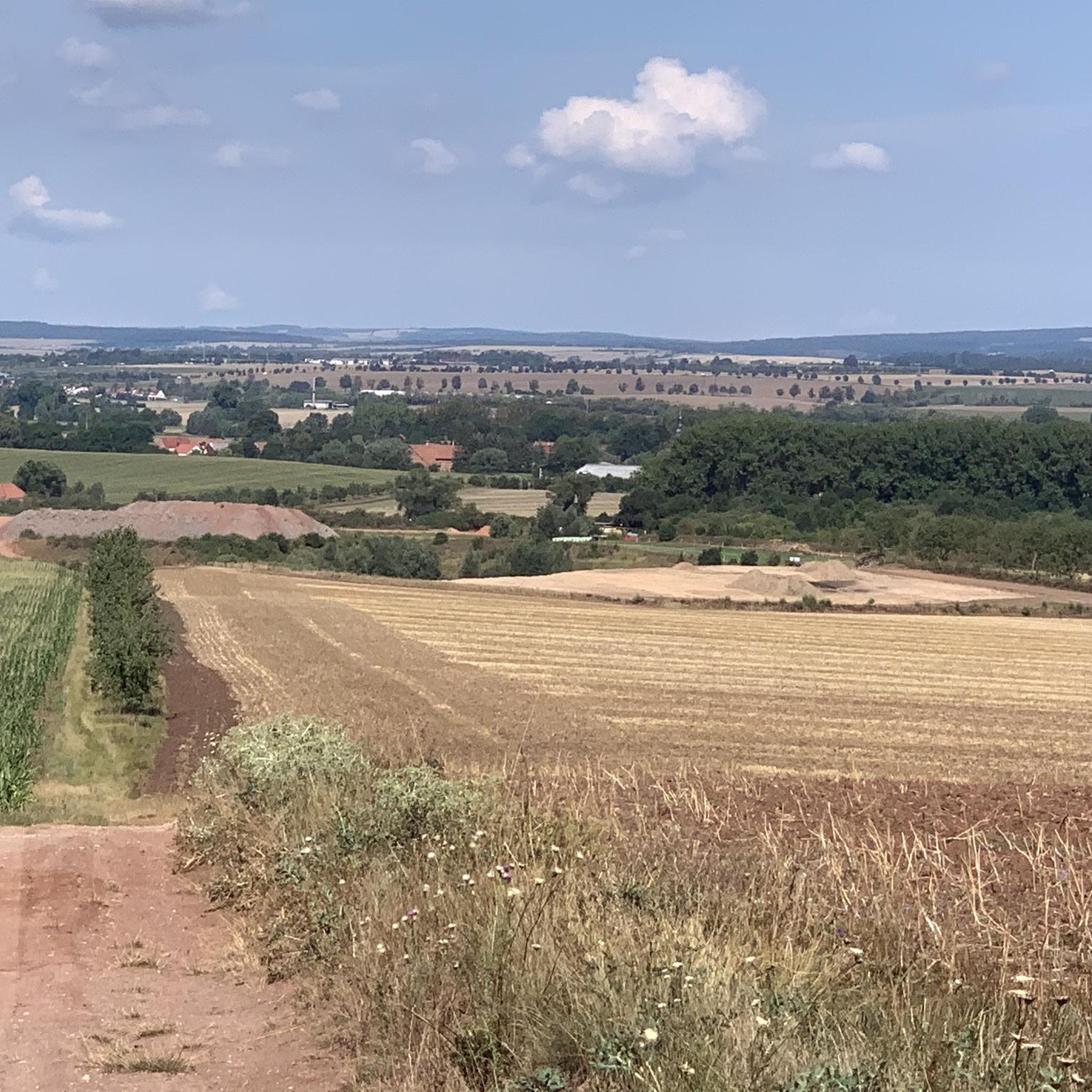
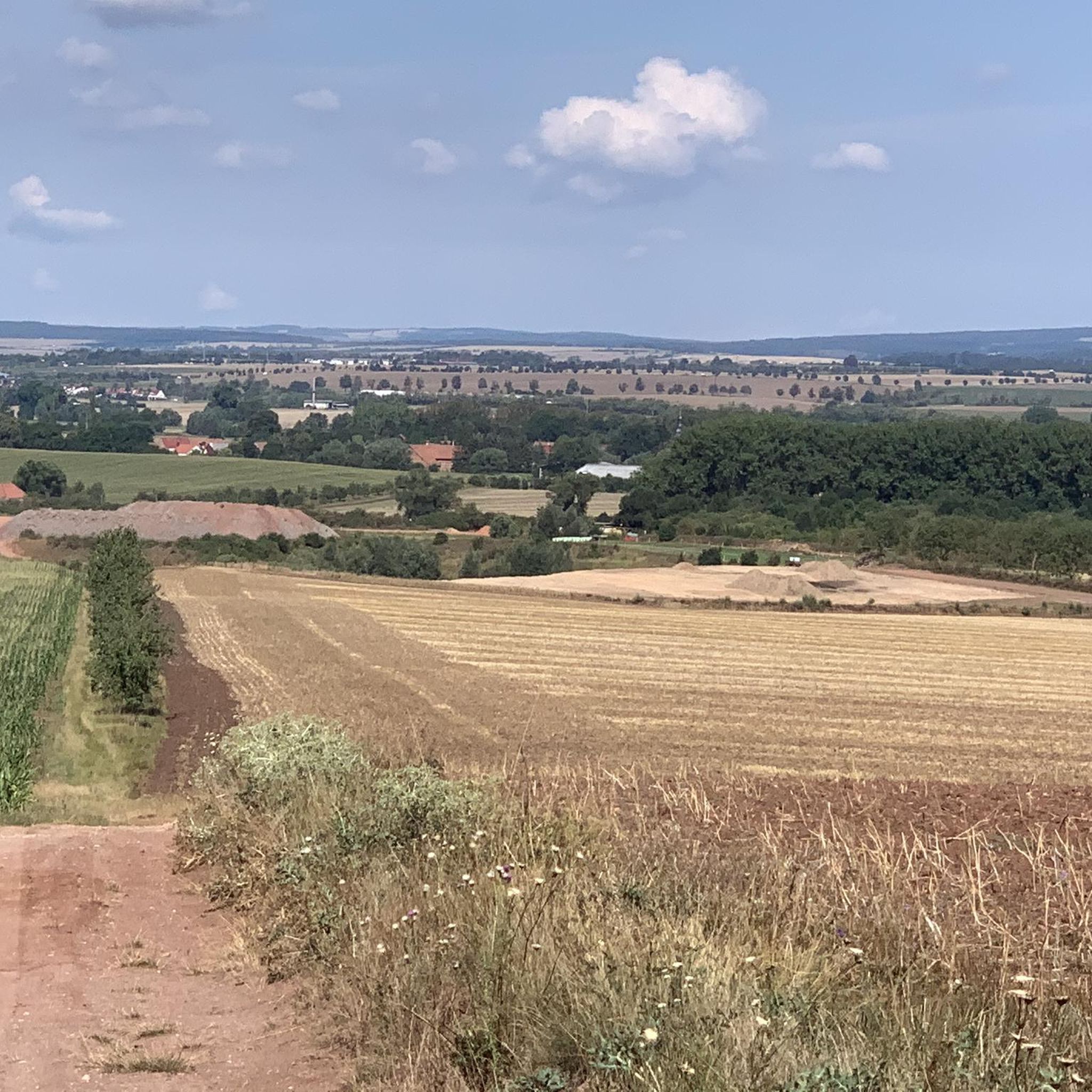
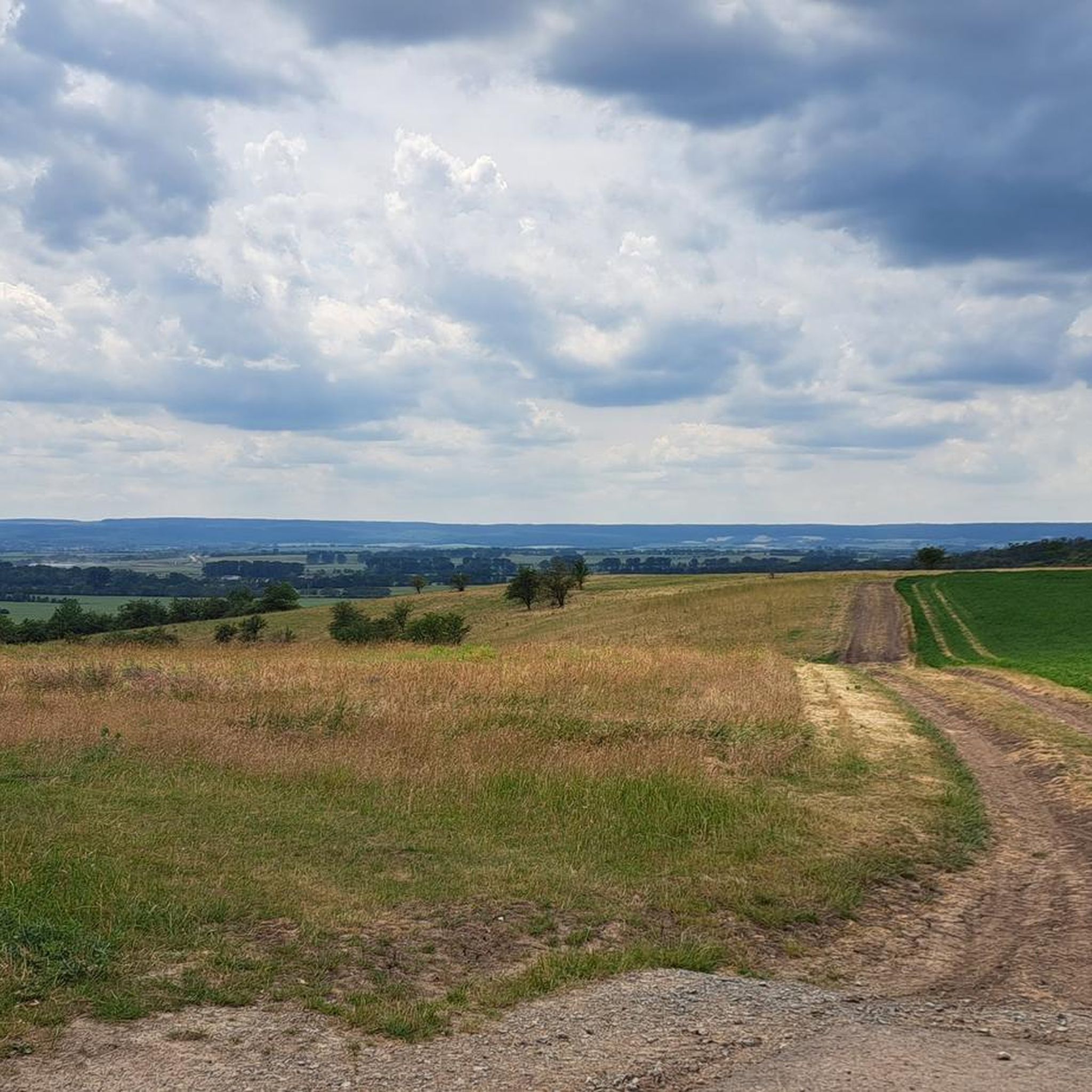
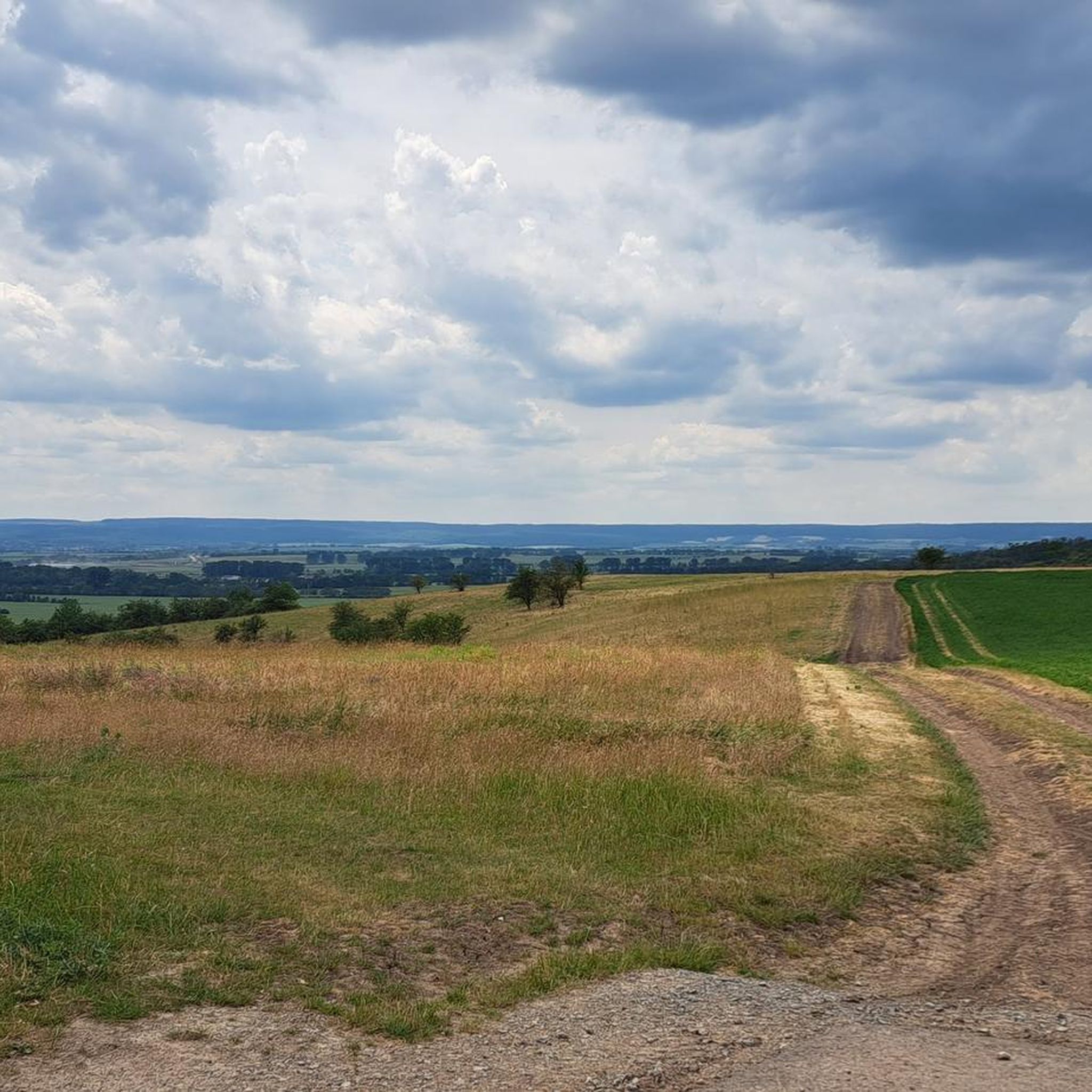
Touring cycling around Altengottern features routes through the Unstrut river valley and the gently rolling countryside, often referred to as "Thuringian Tuscany." The landscape is characterized by open fields, historical towns like Mühlhausen, and dedicated cycle paths. Elevation changes are generally moderate, making the region accessible for various cycling abilities. The area includes natural features such as the Rote Berg/Hopfenberg with ancient trees and meadow orchards, offering expansive views across the flat Thuringian basin.
Best touring cycling routes around Altengottern
…Last updated: May 6, 2026
4.8
(10)
75
riders
Easy bike ride. Great for any fitness level. Mostly paved surfaces. Suitable for all skill levels.
4.5
(13)
46
riders
Moderate bike ride. Good fitness required. Mostly paved surfaces. Suitable for all skill levels.

Sign up for free
4.3
(4)
18
riders
Easy bike ride. Great for any fitness level. Mostly paved surfaces. Suitable for all skill levels.
15
riders
54.1km
03:13
210m
210m
Moderate bike ride. Good fitness required. Mostly paved surfaces. Suitable for all skill levels.
5.0
(7)
17
riders
Easy bike ride. Great for any fitness level. Mostly paved surfaces. Suitable for all skill levels.
Get access to more routes and recommendations from other explorers.
Sign up for free
Already have an account?
Our route recommendations are based on thousands of hikes, rides, and runs completed by other people on komoot.
Start today with a free account
Your next adventure awaits.
Login or Signup
Tips from the Community

The inner, oldest city wall of Mühlhausen was almost 2.8 kilometers long (of which 2.2 kilometers are preserved to this day) and enclosed an area of around 50 hectares. This area had the shape of a slightly rounded and not entirely regular rectangle, whose maximum east-west extent is almost twice as long (1000 meters) as its maximum north-south extent (500 meters). Its original structure included the four main gates, namely the Görmartor in the northeast, the Erfurter Tor in the southeast, the Felchtaer Tor in the southwest, and the Frauentor, named after the Marienkirche (=Frauenkirche), in the northwest, as well as probably four posterns: the Eselspforte and the Burgpforte on the north side, and the - unnamed - postern at the exit of Brunnenkreßstraße and another, only inferred, postern to Spielbergstraße on the south side. It is unclear whether the original main access to the castle via Breitenstraße was already closed with the construction of the wall between the castle and the city before 1251 or only after the demolition of the castle from 1256 onwards. As material for the inner (and later also outer) city wall, including the gates and towers, the travertine found in Mühlhausen and quarried here was used, a geologically young freshwater limestone. The inner city wall was constructed as a double-shell masonry. Its thickness up to the height of the rampart varies between approximately 1.5 meters and - reached only exceptionally - a maximum of 2 meters. Source: https://www.muehlhausen.de/tourismus/erkunden/sehenswuerdigkeiten/besondere-baudenkmaeler/stadtmauer/
1
0
The Inner Frauen Gate (Innere Frauentor) in Mühlhausen is an important relic of the medieval city fortifications and one of the city's most significant historical structures. It is located in the northwest of the old town and formerly served as one of the central entrances to the city. Merchants, travelers, and visitors entered the city through this gate, thus playing an important role both economically and militarily. The Frauen Gate owes its name to the street that led directly to St. Mary's Church, the so-called Frauenkirche (Church of Our Lady). Architecturally, it is a so-called double gate system, consisting of a high gate tower and a gatehouse situated in front of it. Between these two parts was a narrow, specially secured area known as the zwinger. This construction method served defensive purposes, as attackers could be trapped between the gates in an emergency and repelled more easily. The original gate was built in the Middle Ages, presumably in the 13th century. After a city fire, it was rebuilt in 1655 in the form in which it can still be seen today. Over time, the city structure changed, and parts of the fortifications were demolished or added to. For example, another Frauen Gate disappeared in 1830, the outline of which is still indicated in the street paving today. Today, the Inner Frauen Gate is the only preserved gate of Mühlhausen's inner city wall and thus a particularly valuable testimony to the city's history. It is part of one of the best-preserved medieval city fortifications in Germany and attracts many visitors. Together with the remaining sections of the wall, it provides a vivid impression of how strongly fortified and organized medieval cities once were.
1
0
In the 14th century, an outer city wall was built to protect Mühlhausen's suburbs. Of the three original gate towers, only the 15th-century tower of the outer Frauentor remains today. Anyone entering the gate from the west has an impressive view of the city. The gate features late Gothic details, such as a barrel vault with decorated keystones. In addition, remnants such as a painted niche, arched windows, brackets for the gate, and traces of the portcullis are still visible on the outside.
1
0

The very well-preserved Frauentor (Women's Gate) in the city wall is also worth seeing.
0
0

Small and beautiful town with a large town entrance sign.
0
0

A really great cycle path along the Riedgraben
1
0
The weir is beautifully embedded in nature
0
0
Frequently Asked Questions
How many touring cycling routes are available around Altengottern?
There are nearly 400 touring cycling routes in the Altengottern region, offering a wide variety of options for different skill levels and preferences. This includes over 180 easy routes, 130 moderate routes, and 80 more challenging trails.
Are there easy cycling routes suitable for beginners in Altengottern?
Yes, Altengottern offers numerous easy routes perfect for beginners or those seeking a relaxed ride. An excellent option is the Kleinbahn Museum Kirchheilingen – Rest Area on the K2 Cycle Path loop from Großwelsbach, which is an easy 15.7-mile (25.3 km) trail with moderate elevation changes.
What options are there for longer or more challenging touring cycling routes?
For cyclists looking for a longer adventure, the Former Railway Bridge – Unstrut Bridge loop from Seebach covers over 33 miles (54 km) and offers a moderate challenge through varied landscapes. The region also features around 80 difficult routes for experienced touring cyclists.
What is the best time of year for touring cycling in Altengottern?
The best time for touring cycling in Altengottern is typically from spring through autumn (April to October). During these months, the weather is generally mild and pleasant, ideal for exploring the Unstrut river valley and the 'Thuringian Tuscany' countryside. Winter cycling is possible but may involve colder temperatures and potential snow or ice.
Are there family-friendly cycling routes in the Altengottern area?
Absolutely. The region's generally moderate elevation changes and dedicated cycle paths make it suitable for families. Many easy routes, such as the Mühlhausen City Walls – Thuringian Tuscany loop from Seebach, are ideal for family outings, offering historical sights and scenic rural landscapes without excessive difficulty.
What kind of scenery can I expect on touring cycling routes around Altengottern?
Cycling around Altengottern offers diverse scenery, including the picturesque Unstrut river valley, gently rolling countryside often called 'Thuringian Tuscany,' open fields, and historical towns like Mühlhausen. You'll also find well-maintained cycle paths winding through these varied landscapes.
Are there any circular cycling routes available?
Yes, many touring cycling routes in Altengottern are designed as loops, allowing you to start and end at the same point. Examples include the popular Rest Area on the K2 Cycle Path – Kleinbahn Museum Kirchheilingen loop from Großwelsbach and the Schwanenteich Mühlhausen – Mühlhausen City Wall Park loop from Seebach.
What interesting places can I explore along the touring cycling routes?
Along the routes, you can explore historical towns like Mühlhausen with its city walls. Nature lovers can visit the Unstrut Valley Nature Reserve or discover the unique Unstrut Sculpture Trail. The Fairy Trail in Hainich National Park also offers a magical detour.
What do other touring cyclists enjoy most about cycling in Altengottern?
The Altengottern region is highly rated by the komoot community, with an average score of 4.6 stars from over 3,300 reviews. Reviewers often praise the well-maintained cycle paths, the charming historical towns, and the beautiful, accessible landscapes of the Unstrut river valley and 'Thuringian Tuscany'.
Is public transport available to access the cycling routes?
While specific public transport connections directly to every trailhead may vary, Altengottern and nearby larger towns like Mühlhausen are generally connected by regional bus services. It's advisable to check local transport schedules for routes that accommodate bicycles if you plan to use public transport to reach your starting point.
Are there places to stop for refreshments or rest along the routes?
Yes, the region offers various spots for breaks. You might find rest areas along cycle paths, and towns like Mühlhausen provide cafes and restaurants. For a more rustic stop, consider places like Grill Zum Unstruttal or the Brunstal Rest Area.
Most popular routes around Altengottern
Most popular attractions around Altengottern

Get inspired with the komoot mobile app


Explore more
Browse the best Cycling routes in other regions.
