Attractions and Places To See around Longuyon - Top 20
Best attractions and places to see around Longuyon include a blend of historical landmarks, cultural sites, and natural features. Situated in the Meurthe-et-Moselle department of France, Longuyon is characterized by its rural setting, surrounded by forests and traversed by the Crusnes and Chiers rivers. The area offers a variety of points of interest, from ancient castles to unique monuments and natural parks. These diverse attractions provide opportunities for exploration and discovery within the town and its immediate surroundings.
Best attractions…
Last updated: July 6, 2026
Torgny Village
Highlight • Settlement
Translated by Google •
Tip by

Ruins of Montquintin Castle
Highlight • Castle
Translated by Google •
Tip by

Sign up now to discover places like this
Get recommendations on the best single tracks, peaks, & plenty of other exciting outdoor places.
Sign up for free
Cons-la-Grandville Castle
Highlight • Castle
Translated by Google •
Tip by

Naisse Mill
Highlight • Historical Site
Translated by Google •
Tip by

14th Regiment Hussars Bridge
Highlight • Bridge
Translated by Google •
Tip by

Sign up for free to discover even more attractions around Longuyon.
Sign up for free
Already have an account?
Start today with a free account
Your next adventure awaits.
Login or Signup

Tips from the Community

In 1577, Henri le Clercq built a powder mill on the banks of the Ton in the lower town of Virton, which became a sawmill a hundred years later. In 1797, the buildings were redeveloped by the new owners, a fact clearly reflected in the first land registry of the town of Virton, dated 1850. In 1875, the sawmill was converted into a bark mill and tannery. In 1928, these buildings were purchased by Jean Naisse. He modernized the equipment to operate a sawmill that remained in operation until 1970. The small building to the east has preserved its mill and waterwheel from the early 19th century. The large western building houses the old tannery. It is recognizable by the nine rectangular openings that were necessary for drying the hides. In 1930, a traditional living area of the same size was added to form the current building. All buildings and the surrounding area have been listed as historic monuments since November 9, 1990. (Information board on site)
12
0

🏰 **Château de Cons-la-Grandville – A Journey Through the Centuries** The imposing castle of **Cons-la-Grandville**, near the border with Luxembourg, combines Romanesque origins with Renaissance and Baroque architecture. Built on the foundations of a Gallo-Roman villa, it was expanded and remodeled several times from the 11th century onwards. Particularly worth seeing: the Romanesque cloister, the elegant façade, and the magnificent courtyard. 🕰️ The château was the residence of the noble de Cons family, later also a monastery, and has been lovingly restored. Today it is a listed monument and open to visitors. **Tip:** Be sure to visit the cloister – one of the oldest preserved of its kind in Lorraine. Ideal as a stopover on the way between France and Luxembourg.
0
0

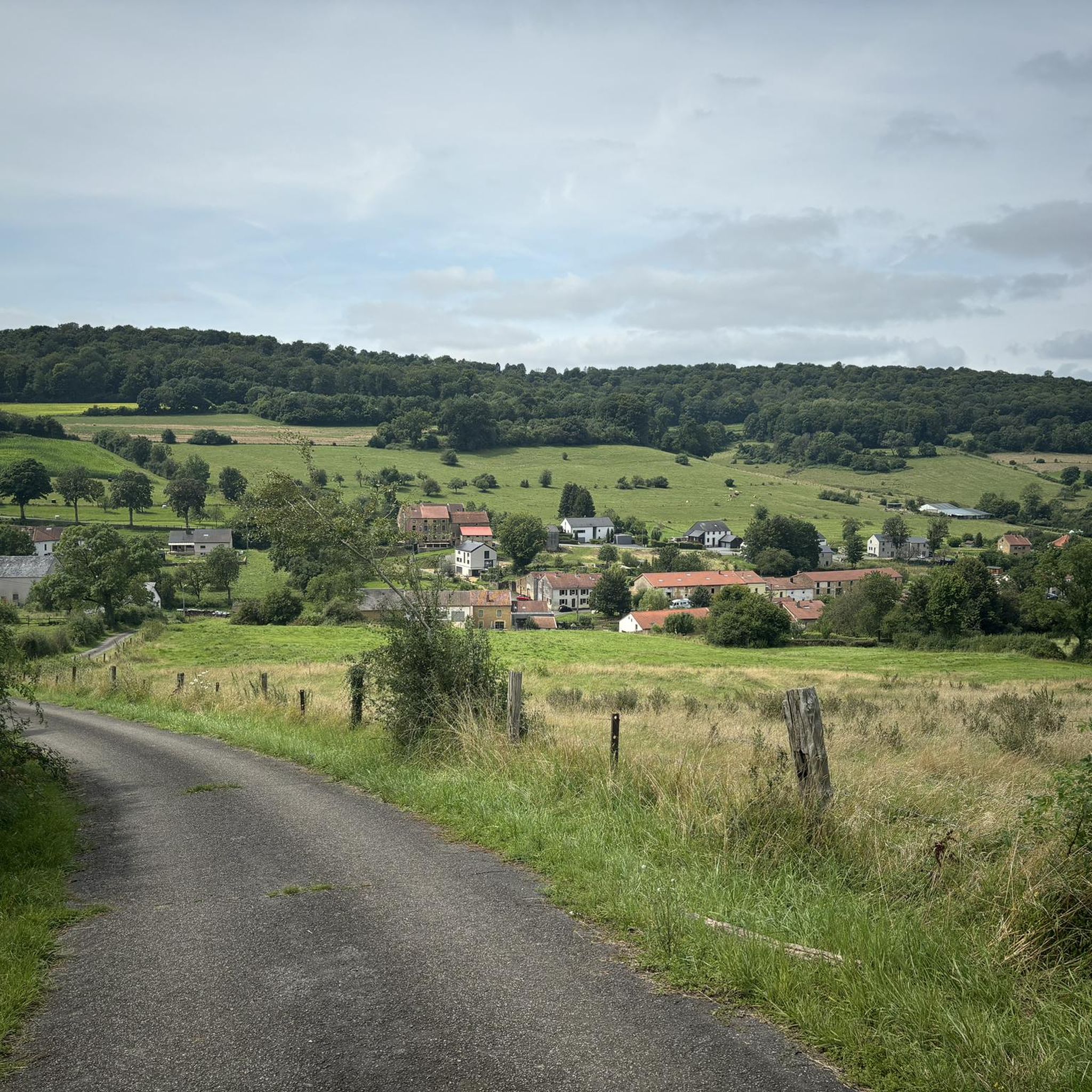
On the edge of a wooded massif, where the climate is favorable for growing wine, lies Torgny, Belgium's southernmost village. The houses here, built of yellow sandstone with Roman roof tiles, are striking, lending a Mediterranean flair. A truly beautiful sight. No wonder this place is considered one of the most beautiful villages in Wallonia.
1
0
The remains of Montquintin Castle stand on a ridge overlooking the Ton valley. The once feudal castle was built on the orders of Louis II, Count of Chiny. After a turbulent history, the castle fell victim to a fire in 1869. Since then, it has stood as a ruin high above the Ton river valley.
0
0

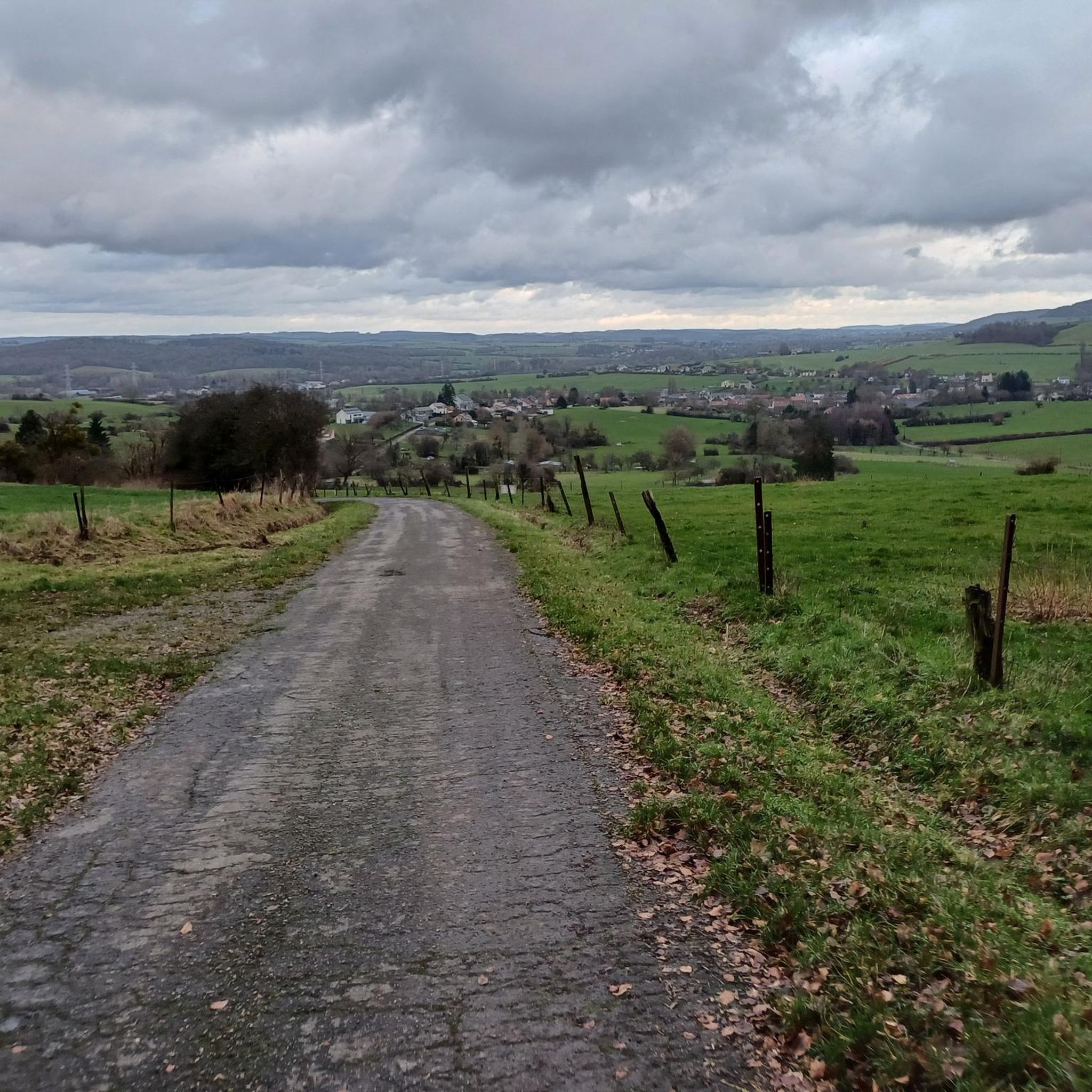
PLEASE NOTE: on this - beautiful - circuit, after the village of Alondrelle, the path as mentioned on this circuit has become impassable between the meadows. If you go further, from the entrance to the woods towards Torgny, the path is not very suitable for vehicles or even almost impassable by bike if it has rained a lot! A mountain bike is essential!
0
0

The ruins of this ancient feudal castle are impressive. They dominate the Ton valley and are currently the subject of a program of archaeological excavations.
0
0
This ancient feudal castle is now a ruin, but it has retained its undeniable charm. Located on a hill overlooking the Ton valley, it is the subject of a restoration program and archaeological excavations.
0
0

Charming little historic town with an excellent restaurant Le Gras Q
1
0
Frequently Asked Questions
What historical landmarks can I explore in and around Longuyon?
Longuyon and its surroundings are rich in history. You can visit the impressive Cons-la-Grandville Castle, an 11th-century site showcasing Romanesque, Renaissance, and classical styles. Another significant historical site is the Ruins of Montquintin Castle, an ancient feudal castle undergoing restoration. Within Longuyon, explore the classified historical monument of Eglise Sainte-Agathe, consecrated in 1287, or the unique Glacière, a 19th-century natural refrigerator built by the Brothers of St-Jean-Baptiste de la Salle.
Are there any unique cultural sites or monuments in Longuyon?
Yes, Longuyon features several unique cultural sites. The Town Hall (La Mairie) is an imposing building from 1867 with Renaissance and classical architectural styles. Don't miss Le Totem, a unique monument in France gifted by Canadian troops in 1967. The Office de Tourisme du Longuyonnais, housed in a former blue SNCF train car, symbolizes the town's historical connection to the railway.
What natural attractions are there for families in Longuyon?
For families, the Parc de Profonde Fontaine is an excellent choice. This recreational area offers a pond, various bird species, ponies, goats, llamas, and donkeys. It's equipped with picnic tables, exercise equipment, and a playground for young children. It also serves as a starting point for marked hiking trails and an educational path. You can find more information about the park here.
What outdoor activities can I do near Longuyon's attractions?
The Longuyon area is ideal for outdoor enthusiasts. You can explore various cycling and mountain biking routes. For road cycling, consider routes like the 'Moulin de Charpont viaduct – Cons-la-Grandville Castle loop' or the 'Château de Martigny loop'. Mountain bikers can tackle trails such as the 'Vineyard of Poirier Loup – Cabane de Radru loop'. Gravel biking options include the 'Orval Abbey – View of the Abbey's castle loop'. Find more details on these and other routes in the MTB Trails around Longuyon, Road Cycling Routes around Longuyon, and Gravel biking around Longuyon guides.
Are there any unique villages or settlements worth visiting near Longuyon?
Absolutely! Just a short distance away, you'll find Torgny Village, recognized as one of Belgium's most beautiful villages. It boasts a sunny microclimate, perfect for wine growing, and features charming stone houses with red tile roofs. The village also has a beautiful nature reserve with orchids and hillside vineyards, giving it a Mediterranean flair.
What is the best time of year to visit Longuyon for outdoor activities?
The region around Longuyon offers pleasant conditions for outdoor activities during spring, summer, and early autumn. These seasons provide favorable weather for hiking, cycling, and exploring natural sites like the Parc de Profonde Fontaine. The mild temperatures and lush landscapes make it ideal for enjoying the rivers Crusnes and Chiers, and the surrounding forests.
Can I visit any military history sites near Longuyon?
Yes, a significant military history site nearby is Fort de Fermont, located approximately 8 km from Longuyon. This is one of the most well-preserved and impressive fortifications of the Maginot Line. Visitors can explore its underground facilities, armaments, and an outdoor museum showcasing military equipment. Another site with military significance is the 14th Regiment Hussars Bridge, which commemorates a historical event from World War I.
Are there any dog-friendly walking options in the Longuyon area?
Many of the natural areas and trails around Longuyon are suitable for walks with dogs, provided they are kept on a leash and owners clean up after them. The Parc de Profonde Fontaine, with its open spaces and marked trails, is generally welcoming to dogs. Always check local signage for specific restrictions in certain areas or nature reserves.
What do visitors enjoy most about the attractions around Longuyon?
Visitors particularly appreciate the blend of historical depth and natural beauty. They enjoy discovering ancient castles like Cons-la-Grandville Castle and the charming, unique atmosphere of Torgny Village. The opportunity to explore well-preserved historical sites and engage in outdoor activities amidst picturesque landscapes, often with a sense of tranquility, is frequently highlighted.
Are there any historical mills or industrial heritage sites to see?
Yes, you can visit the Naisse Mill. This historic site, particularly its small eastern building, preserves its early 19th-century mill and waterwheel. The larger western building once housed a tannery and is now recognized as a historic monument, offering a glimpse into the region's industrial past.
What are the main rivers in Longuyon and can I walk along them?
Longuyon is traversed by the Crusnes and Chiers rivers, which converge in the town. Walking alongside the Chiers river, especially behind La Chapelle and through the vegetable gardens, offers a pleasant and scenic experience, allowing you to enjoy the rural setting and natural beauty of the area.
Most popular routes around Longuyon
Most popular attractions around Longuyon

Get inspired with the komoot mobile app


Explore more
Still not found the Highlight you’re looking for? See guides of the top attractions in other regions:
