The best road cycling routes around Foug
4.6
(97)
2,030
riders
19
rides
Road cycling routes around Foug are situated in the Meurthe-et-Moselle department of France's Grand Est region, offering diverse landscapes for cyclists. The area features a mix of flat canal paths along the Moselle River and more varied terrain with elevations ranging from 231 to 396 meters, including extensive forested areas. This region benefits from its proximity to established cycling networks like the Boucle de la Moselle, providing a blend of natural beauty and historical significance.
Best road cycling routes around…
Last updated: May 21, 2026
8
riders
43.5km
01:51
310m
310m
Moderate road ride. Good fitness required. Mostly well-paved surfaces and easy to ride.
9
riders
105km
04:26
700m
700m
Moderate road ride. Good fitness required. Mostly well-paved surfaces and easy to ride.

Sign up for free
9
riders
109km
04:45
990m
990m
Hard road ride. Very good fitness required. Mostly well-paved surfaces and easy to ride.
8
riders
90.8km
03:55
700m
700m
Moderate road ride. Good fitness required. Some segments of this route may be unpaved and difficult to ride.
7
riders
95.6km
04:08
770m
770m
Moderate road ride. Good fitness required. Mostly well-paved surfaces and easy to ride.
Get access to more routes and recommendations from other explorers.
Sign up for free
Already have an account?
Our route recommendations are based on thousands of hikes, rides, and runs completed by other people on komoot.
Start today with a free account
Your next adventure awaits.
Login or Signup

Tips from the Community

In the 18th century, the church of Saint-Brice was attached to the parish of Autreville, deanery of Neufchâteau, diocese of Toul. It was under the patronage of the canons of Saint-Euchaire de Liverdun, now in Meurthe-et-Moselle. The current building was constructed in 1768 at the instigation of Jean-Baptiste Panel, parish priest of Harmonville and Autreville since 1763. A foundation stone preserved in the south wall mentions, which is quite rare, the names of the contractors and the king's architect, residing in Metz »: Dominique George. Only one other church is known to be attributable to him, that of Maizières, in Meurthe-et-Moselle. The two contractors, Dieudonné Mariiez and Jacques Jérôme Prétot, are moreover from this same village. Archives attest to the numerous repair works carried out during the first half of the 19th century, which ended with the purchase of a clock (1841) and three bells (1843). The building is, as is often the case in the region, a barn church whose plastered nave ends in a pentagonal choir with a ribbed vault. The nave and choir are covered by a long tiled roof of mechanical tiles replacing the original hollow tiles. The in-built bell tower is, for its part, covered by a slate spire on a square base. Built in rendered rubble – the ashlar being exclusively reserved for the facade – the church is of great sobriety, tempered neither by the visible corner chains, nor by the molded segmental arch lintel of the portal, nor by the sculpted decorative element, perhaps an old eucharistic oculus (15th century?) inserted into the masonry of the bell tower. Inside, the choir has retained its wooden paneling. The two side altars, the pews with turned wooden armrests and feet, the pulpit adorned with lambrequins and topped by an angel blowing its trumpet, are very likely contemporary with the construction. The church of Saint-Brice preserves a statue of Saint Roch (last quarter of the 16th century) from an old chapel that housed a hermit in the 18th century, and an octagonal baptismal font with a baluster base. In 1998, for the repair of the plasterwork and zinc roofing of the church, the Sauvegarde de l’Art français granted aid of 75,000 F.
0
0

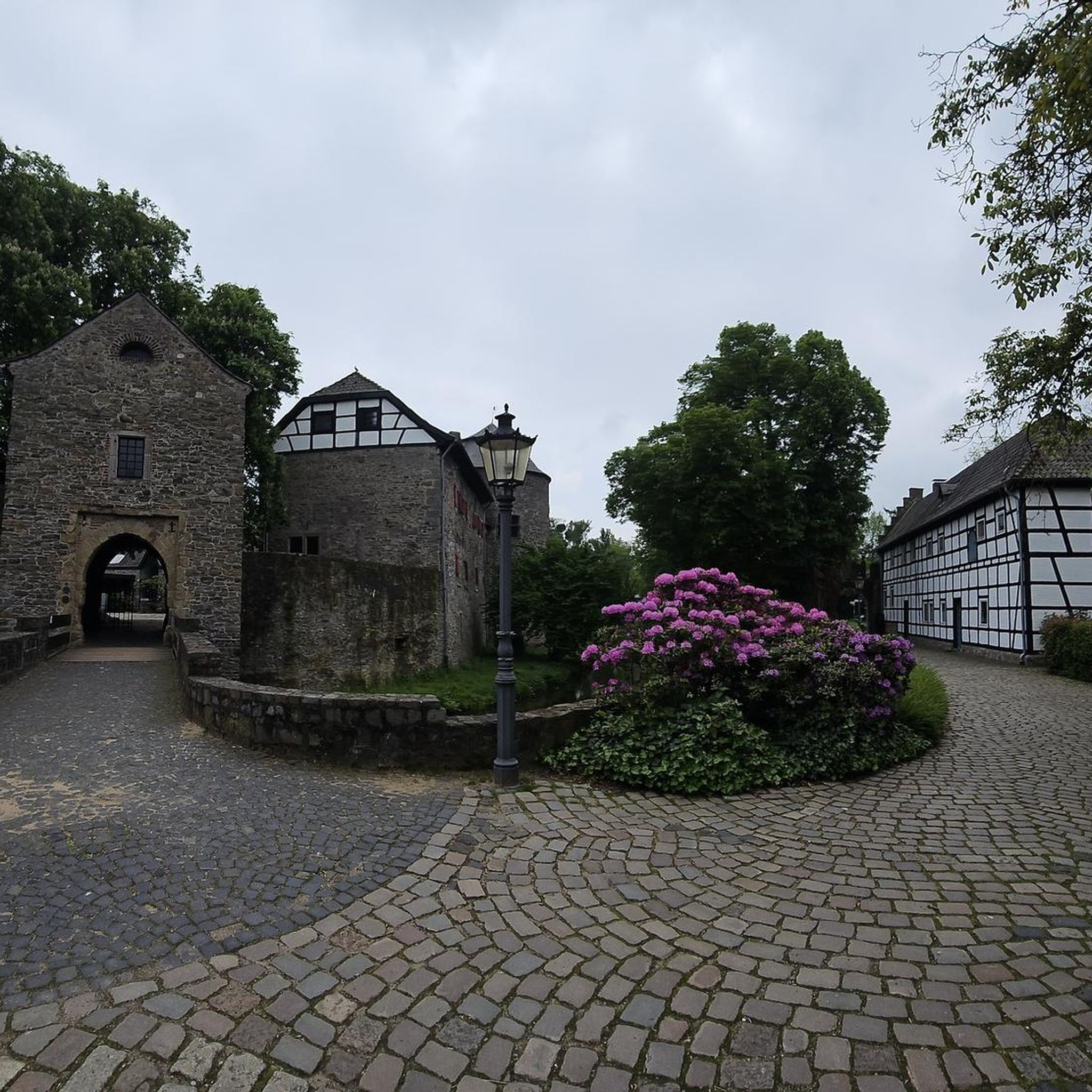
Very impressive when you drive through the old city gates.
1
0
From outside the city you have a great view of the impressive cathedral.
1
0

The Villey-le-Sec Dam offers a great mix of stunning scenery and challenges for road cyclists. Located on the Moselle River, you'll ride on well-maintained paths and enjoy views of this relaxing river.
1
0

A good steep hill for me, requires a bit of training to climb it, especially the second part.
0
0

The lock and dam are managed by Voies Navigables de France. Construction of the hydroelectric power plant began in May 1986. It is attached to the dam. As the name suggests, the structure is used to generate electricity by taking advantage of the waterfall caused by the dam. The power plant does not operate during periods of high or low water. It is managed by EDF. [https://www.villeylesec.fr/L-ecluse-et-le-barrage?lang=fr]
3
0

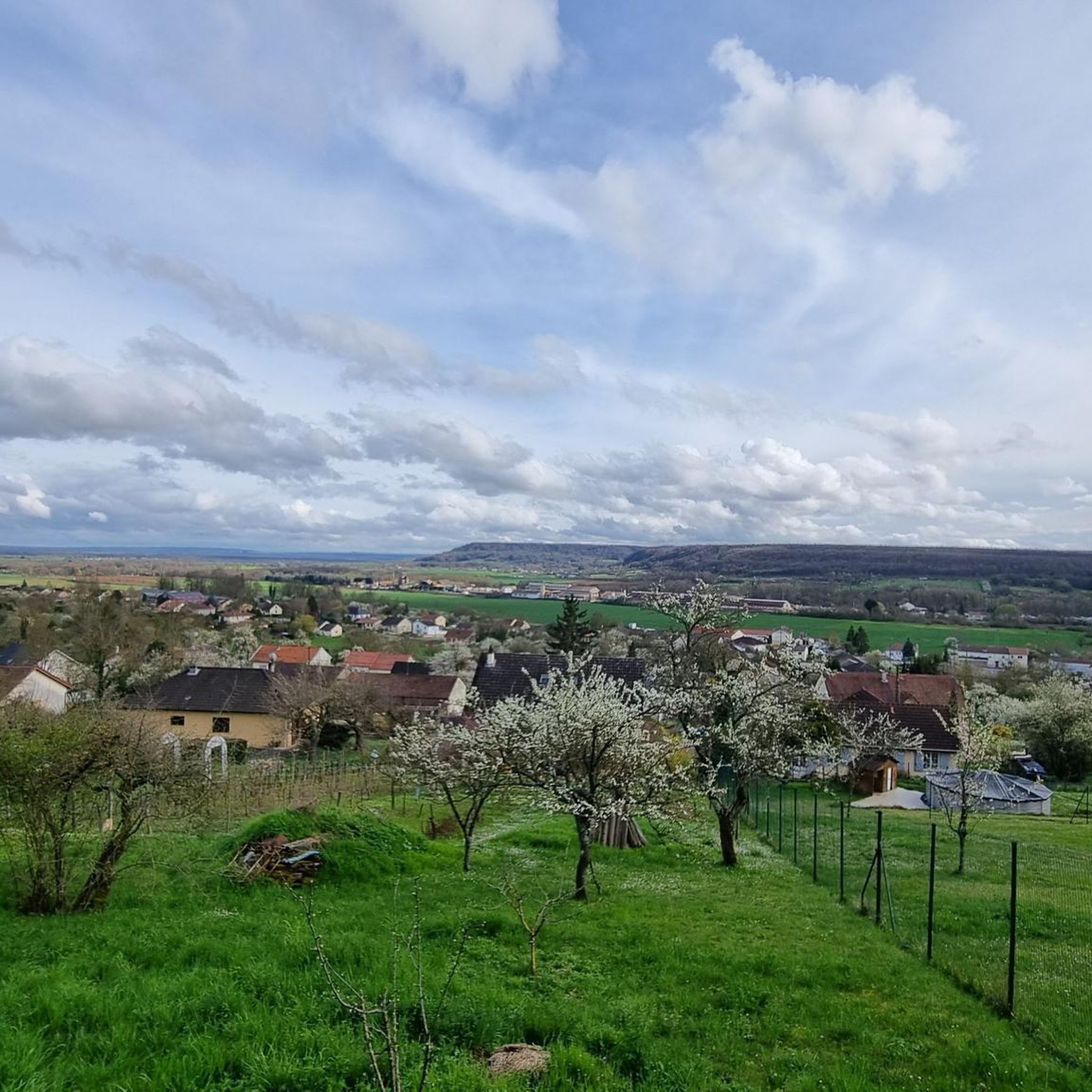
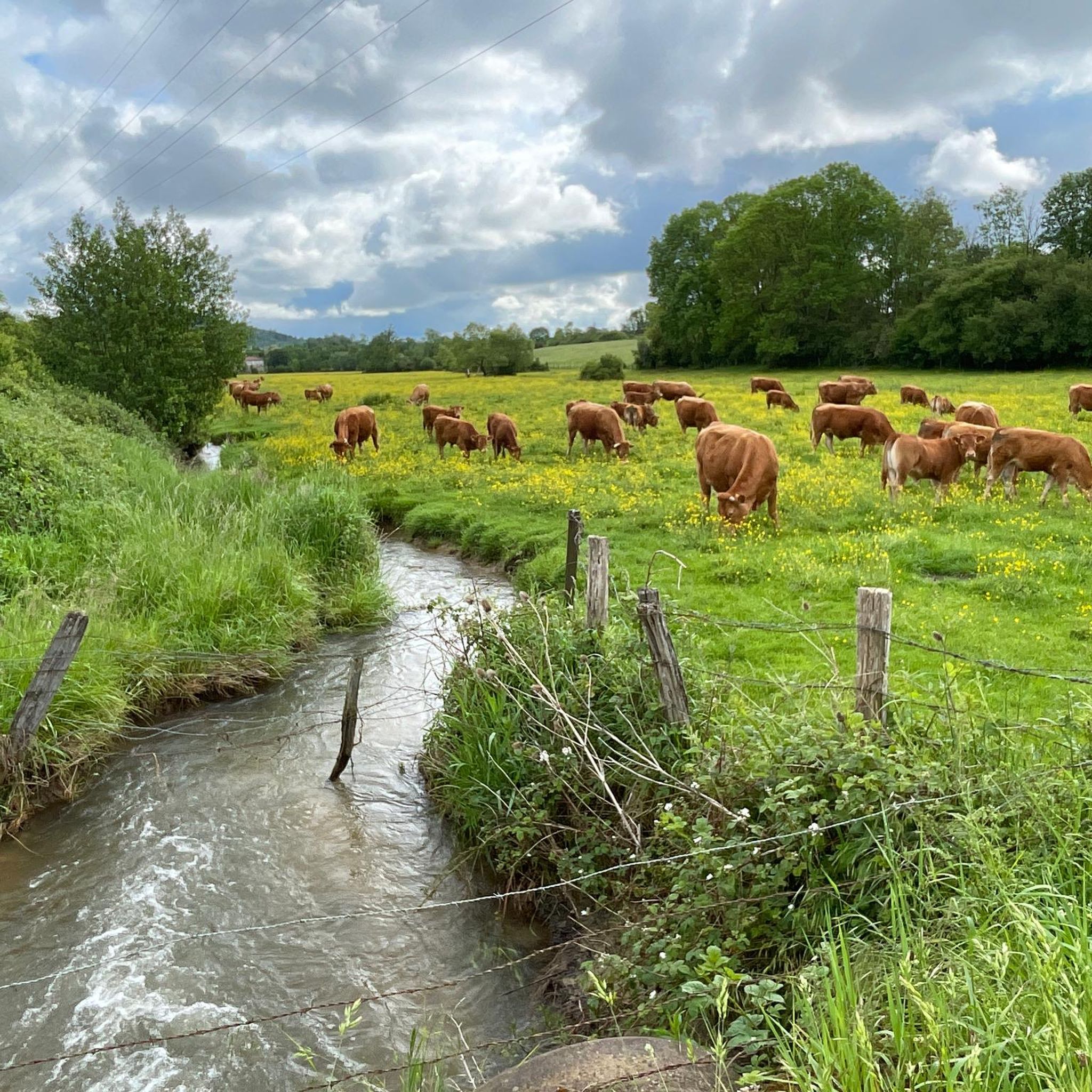
Pretty little road through fields and forest.
0
0

One of the entrances to this town fortified by Vauban
5
0
Frequently Asked Questions
How many road cycling routes are available around Foug?
There are over 170 road cycling routes available around Foug, catering to various skill levels. You'll find a mix of easy, moderate, and challenging options to explore the region.
What kind of terrain can I expect when road cycling near Foug?
The terrain around Foug is quite varied. You can expect relatively flat canal paths along the Moselle River, ideal for relaxed rides, as well as more undulating routes with elevations ranging from 231 to 396 meters, particularly in the extensive forested areas. This mix allows for both gentle rides and more challenging excursions into the surrounding hills.
Are there routes suitable for beginners or families in Foug?
Yes, Foug offers several easy road cycling routes perfect for beginners or families. For instance, the Port de France in Toul – Toul War Memorial loop from Trondes is an easy 45.2 km path that explores the historic town of Toul. The canal paths, part of the larger Moselle Loop, also provide gentle, flat rides with minimal elevation gain.
What is the best time of year for road cycling in Foug?
The best time for road cycling in Foug is generally from spring to autumn. During these seasons, the weather is most favorable, and the natural landscapes, including the vineyards along the Moselle, are at their most picturesque. While winter cycling is possible, conditions can be colder and some paths might be less accessible.
Are there long-distance road cycling routes near Foug?
Yes, Foug is well-positioned for longer rides. The region is close to the 85 km Moselle Loop (Boucle de la Moselle), which connects Nancy, Liverdun, and Toul. Additionally, the larger EuroVelo 19 Meuse Cycle Route follows the Moselle River, offering extensive opportunities for multi-day tours through blooming landscapes and viticulture areas.
Are there circular road cycling routes available in Foug?
Many road cycling routes around Foug are designed as loops, allowing you to start and end in the same location. An example is the Roadbike loop from Foug, a 42.3 km trail that takes you through the local countryside. The Moselle Loop also offers various circular sections.
What natural features can I see while cycling around Foug?
Cyclists around Foug can enjoy diverse natural beauty. The routes often follow the tranquil Moselle River valley, characterized by picturesque scenery, meadows, and dense wooded areas. Foug itself is surrounded by extensive forests, covering nearly 55% of its communal land, offering shaded rides. You're also close to the Lorraine Regional Nature Park, which features agricultural plateaus, forest valleys, and wetlands.
Are there any historical landmarks or towns to visit along the routes?
Absolutely. Many routes integrate visits to historic towns and landmarks. Toul, just 10 km from Foug, is a highlight with its Gothic cathedral, such as Saint Stephen's Cathedral, and well-preserved ramparts like the Vauban Fortifications. Further afield, Nancy, famous for its UNESCO-listed Place Stanislas, offers significant cultural points of interest.
Where can I find scenic viewpoints on road cycling routes near Foug?
The varied topography around Foug provides several opportunities for scenic viewpoints. Routes that ascend into the hills, particularly those reaching the higher points north and south of the village (up to 396 meters), offer panoramic views of the surrounding landscapes, including the Moselle River valley and forested areas. The Canal Path (La Voie Bleue) – Villey-le-Sec Hill loop from Foug combines riverside cycling with ascents into the hills, likely offering great vistas.
Is there public transport access to road cycling routes in Foug?
While Foug is a smaller commune, its proximity to larger towns like Toul and Nancy, which are well-connected by regional public transport, means you can often reach starting points for routes. For specific route access via public transport, it's advisable to check local bus or train schedules connecting to towns along the Moselle Loop or EuroVelo 19.
Where can I park my car when starting a road cycling tour in Foug?
In Foug and surrounding towns like Toul, you can typically find public parking areas. For routes starting directly from Foug, there are local parking options. When planning your tour, look for designated parking near trailheads or in the centers of villages and towns along your chosen route.
Are there places to stop for refreshments or accommodation along the routes?
Yes, the region around Foug, especially along the Moselle Loop and near towns like Toul and Nancy, offers numerous opportunities for refreshments and accommodation. You'll find cafes, restaurants, and hotels in these urban centers, as well as smaller eateries and guesthouses in the villages scattered along the cycling paths.
What do other road cyclists enjoy about cycling in Foug?
The road cycling routes in Foug are highly rated by the komoot community, with an average score of 4.3 stars from over 90 reviews. Reviewers often praise the diverse terrain, which offers a good mix of flat sections along the Moselle and more challenging climbs, as well as the beautiful natural scenery and historical points of interest along the way.
Most popular attractions around Foug

Get inspired with the komoot mobile app


Explore more
Browse the best Road cycling routes in other regions.
