The best road cycling routes around Saint-Couat-D'Aude
4.3
(55)
1,022
riders
103
rides
Road cycling routes around Saint-Couat-D'Aude traverse a landscape characterized by rolling hills, vineyards, and waterways such as the Canal du Midi. The region offers varied terrain, from routes along historic bridges and spillways to climbs towards cols. This area provides a mix of moderate and challenging road cycling experiences.
Best road cycling routes around Saint-Couat-D'Aude
- The most popular road cycling route is Col du Poteau – Carcassonne loop from Saint-Couat-d'Aude, a 51.3 miles (82.5 km) trail that takes 4…
Last updated: August 28, 2026
3.0
(1)
16
riders
79.8km
03:37
690m
690m
Moderate road ride. Good fitness required. Mostly well-paved surfaces and easy to ride.
4.0
(1)
10
riders
48.4km
02:17
490m
490m
Moderate road ride. Good fitness required. Mostly well-paved surfaces and easy to ride.

Sign up for free
4.0
(2)
8
riders
55.2km
02:21
370m
370m
Moderate road ride. Good fitness required. Some segments of this route may be unpaved and difficult to ride.
5.0
(1)
9
riders
64.4km
03:15
720m
720m
Moderate road ride. Good fitness required. Some segments of this route may be unpaved and difficult to ride.
6
riders
25.1km
01:05
210m
210m
Easy road ride. Great for any fitness level. Mostly well-paved surfaces and easy to ride.
Get access to more routes and recommendations from other explorers.
Sign up for free
Already have an account?
Our route recommendations are based on thousands of hikes, rides, and runs completed by other people on komoot.
Start today with a free account
Your next adventure awaits.
Login or Signup

Tips from the Community

The l'Aiguille lock is a double lock on the Canal du Midi located in the commune of Puichéric.
0
0
L'Epanchoir de l'Argent Double, classified as a historic monument: started in 1677 and completed in 1694 according to Vauban's plans, it allows the canal to evacuate its excess water.
0
0
L'Epanchoir de l'Argent Double, classified as a historic monument: started in 1677 and completed in 1694 according to Vauban's plans, it allows the canal to drain its excess water.
0
0

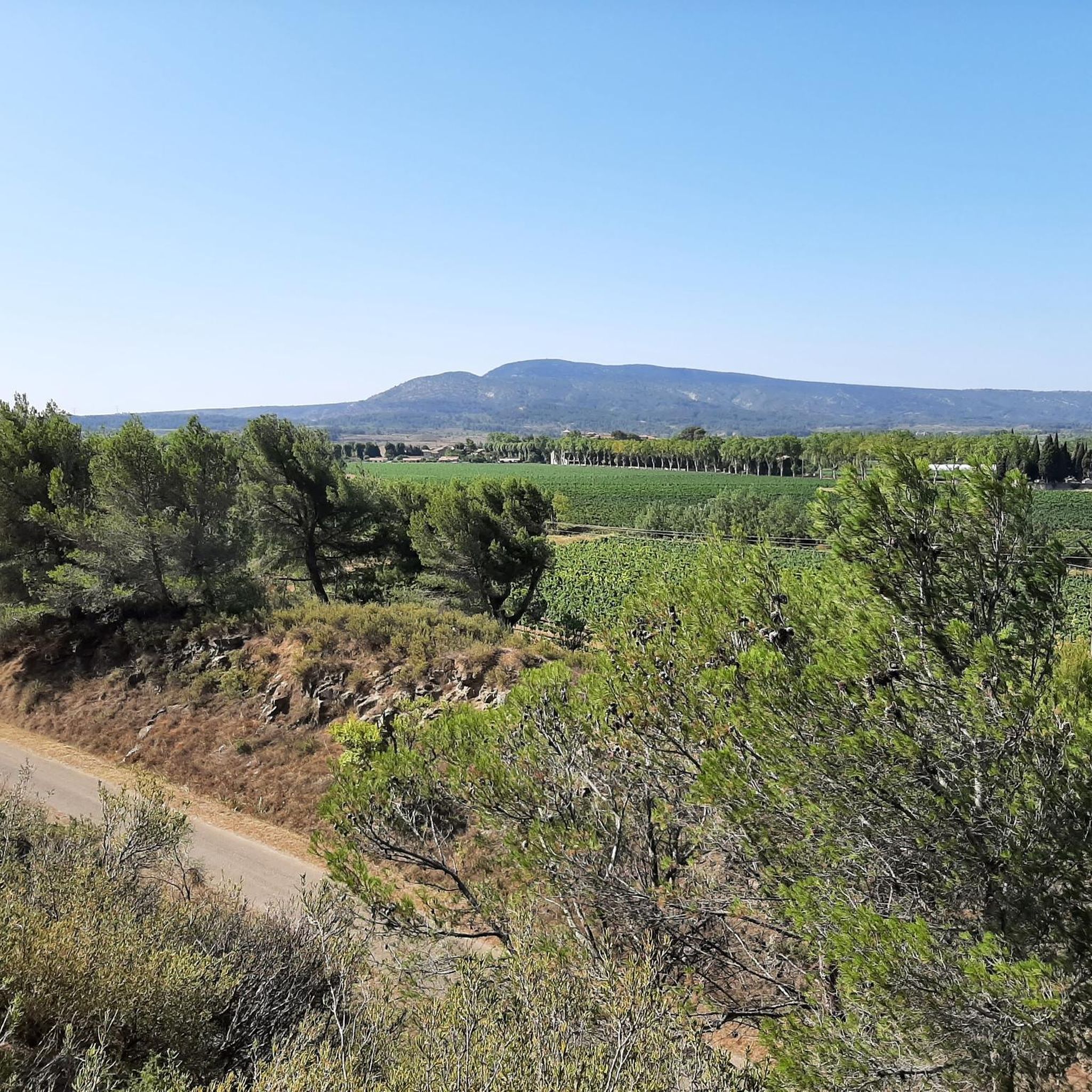
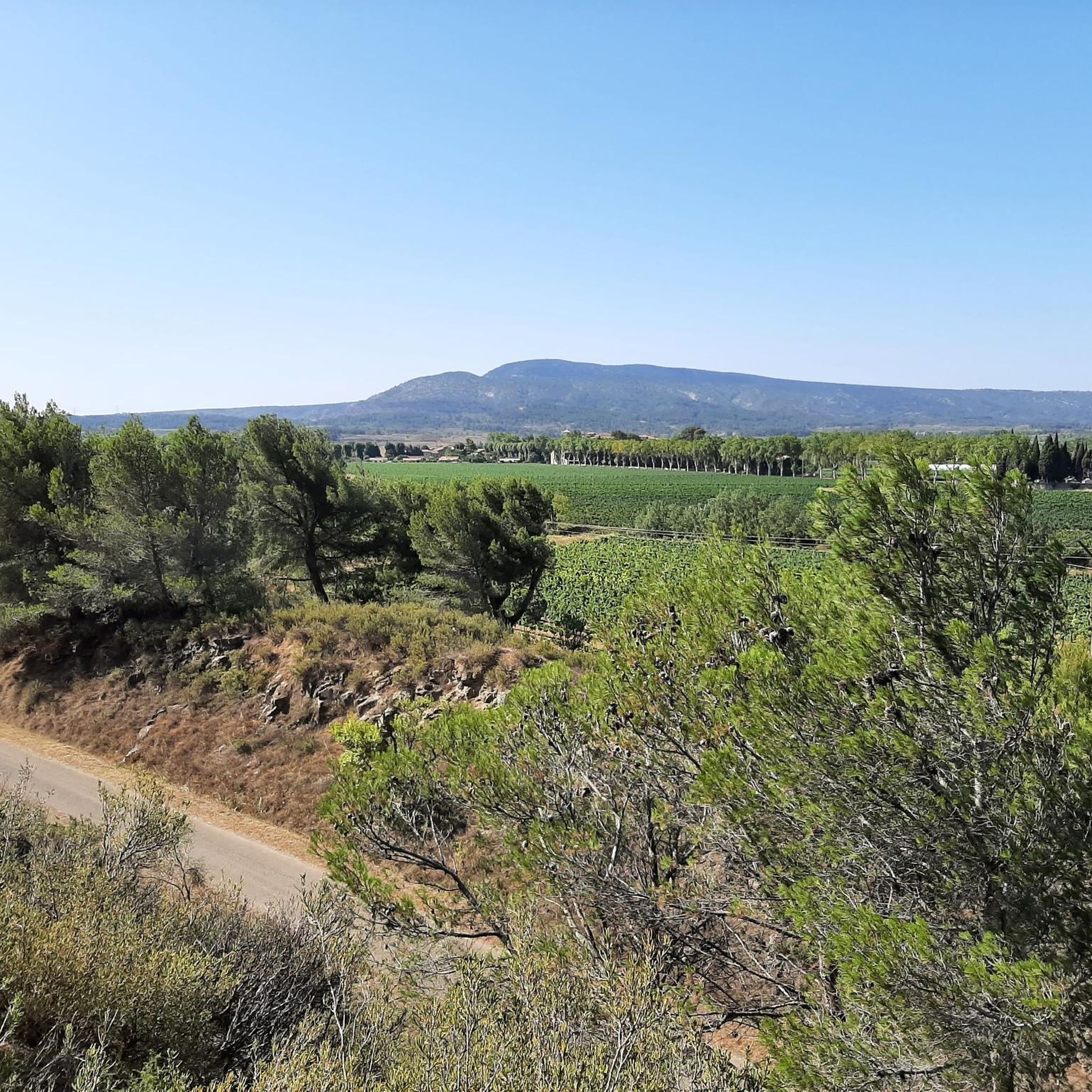
gentle climb between 4 and 4.5% gradient. nice asphalt. stunning view over the landscape.
0
0

From this viewpoint, the village appears surrounded by the vineyards of Minervois and protected by the relief. The domed bell tower of the Saint-Étienne church stands out clearly above the roofs.
1
0
In the heart of Félines-Minervois, the church of Notre-Dame de l'Assomption is a discreet witness to a history much older than its stones suggest. Built in 1694 in an ogival style and organized around three naves, it preserves a precious relic from the early Middle Ages: a Visigothic lintel, probably from an ancient place of worship that has since disappeared. This stone fragment recalls that a Christian community already existed here more than a thousand years ago. The church is part of a territory shaped by several millennia of history. The first traces of human occupation date back to prehistory, notably with the l'Abeurador cave, where evidence testifies to one of the oldest known agricultural practices in the south of France. Later, the Gallo-Roman period left its mark with installations related in particular to ceramic production, which could be the origin of the village's name, derived from the Latin figulinas, meaning “place where pottery is made”. In the Middle Ages, the heart of local power was not yet in Félines but around the castle of Ventajou, an important fortress mentioned as early as the 9th century. Situated on a promontory overlooking the valley, it controlled the passage routes between the Minervois and the foothills of the Black Mountain. Like many sites in the region, it was affected by the events of the crusade against the Albigensians at the beginning of the 13th century, before gradually losing its importance in favor of the current village.
1
0
In the heart of the old village of La Livinière, the church of Saint-Étienne is a discreet but remarkable witness to nearly a millennium of history. Mentioned as early as 1102, it retains a Romanesque nave from the 12th century, supplemented over the centuries by side chapels and Gothic additions. Its vaults and sculptures recall the craftsmanship of medieval builders in the Minervois. Its most remarkable feature remains its domed bell tower, rare in the region. Built on a Romanesque base and then topped with a stone dome in the 17th century, it gives the church an immediately recognizable silhouette. A local tradition recounts that this bell tower was inspired by buildings observed in the East by a knight returning from a crusade, a story that adds a touch of mystery to this monument. The church is part of La Livinière's eventful history: a former fortified village established around a castle, possession of the lords of La Livinière then the Trencavels, the town has traversed the great periods of Languedoc's Middle Ages. The La Jugie family, who marked the village in the 14th century, also left their mark in the church with the discovery of a family tomb in the Saint-Blaise chapel. Right next to the church, the J. Callas & H. Roquebernou garden offers a pleasant interlude in the heart of the village. This landscaped space accompanies the discovery of the monument by providing a place of calm and respite.
1
0
At the entrance to La Livinière stands a monument astonishing in its size and history: the Notre-Dame du Spasme basilica. This Marian shrine, which became a minor basilica in 1959, has been a major pilgrimage site in the Minervois for several centuries. Its origin is linked to Nicolas de La Jugie, lord of La Livinière in the 14th century, who is said to have brought back from Jerusalem a statue representing the Virgin at the moment of her swoon at the foot of the Cross. The interior of the building reveals an architecture vaster than one might imagine from the road: three naves and a large space capable of accommodating many pilgrims. A detail that gives the place a unique history: the original statue of Notre-Dame du Spasme, venerated for centuries by the inhabitants and pilgrims, disappeared during a theft in 1960.
1
0
Frequently Asked Questions
What types of road cycling routes can I find around Saint-Couat-D'Aude?
The region offers a diverse range of road cycling experiences, from routes along historic bridges and spillways to climbs towards cols. You'll find a mix of moderate and challenging options, often traversing vineyard landscapes and canal-side paths.
How many road cycling routes are available in Saint-Couat-D'Aude?
There are over 100 road cycling routes around Saint-Couat-D'Aude documented on komoot. This includes 19 easy, 67 moderate, and 21 difficult routes, catering to various skill levels.
What are the typical difficulty levels for road cycling in Saint-Couat-D'Aude?
Road cycling routes in Saint-Couat-D'Aude are predominantly moderate, with 67 routes falling into this category. There are also 19 easy routes for beginners or those seeking a relaxed ride, and 21 difficult routes for experienced cyclists looking for a challenge.
Are there any long-distance road cycling routes in the area?
Yes, for those looking for longer rides, routes like the Col du Poteau – Carcassonne loop from Saint-Couat-d'Aude cover over 80 kilometers and include significant elevation gain, offering a substantial challenge.
What is the best time of year for road cycling in Saint-Couat-D'Aude?
The region generally offers pleasant conditions for road cycling for much of the year. Spring and autumn provide comfortable temperatures and beautiful scenery, while summer can be warm, making early morning or late afternoon rides ideal. Winter cycling is also possible, though some routes might be less accessible depending on weather.
What can I see along the road cycling routes in Saint-Couat-D'Aude?
Many routes feature scenic viewpoints and historical landmarks. You might pass by the Canal du Midi Bridge, the Argent-Double aqueduct and spillway, or the Aiguille Lock - Canal du Midi. The region is also known for its vineyard landscapes.
Are there any circular road cycling routes around Saint-Couat-D'Aude?
Yes, many of the road cycling routes are designed as loops. For example, the Argent-Double Spillway – Suspension Bridge loop from Douzens offers a moderate circular path, and the Roman Stone Bridge – Vins de Dagne Café-Restaurant loop from Saint-Couat-d'Aude is another popular option.
What do other road cyclists say about the routes in Saint-Couat-D'Aude?
The road cycling routes in Saint-Couat-D'Aude are highly rated by the komoot community, with an average score of 4.4 stars from over 70 reviews. Cyclists often praise the varied terrain, the scenic vineyard views, and the historic structures encountered along the way.
Are there routes suitable for beginners or those new to road cycling?
Yes, Saint-Couat-D'Aude offers 19 easy road cycling routes. These typically feature less elevation gain and shorter distances, providing a good starting point for beginners to enjoy the region's beauty on two wheels.
Can I find routes that include stops for refreshments?
Many routes pass through or near villages and towns where you can find cafes and restaurants. The Roman Stone Bridge – Vins de Dagne Café-Restaurant loop from Saint-Couat-d'Aude, for instance, is specifically named for passing a café-restaurant, making it convenient for a break.
What kind of terrain can I expect on road cycling routes here?
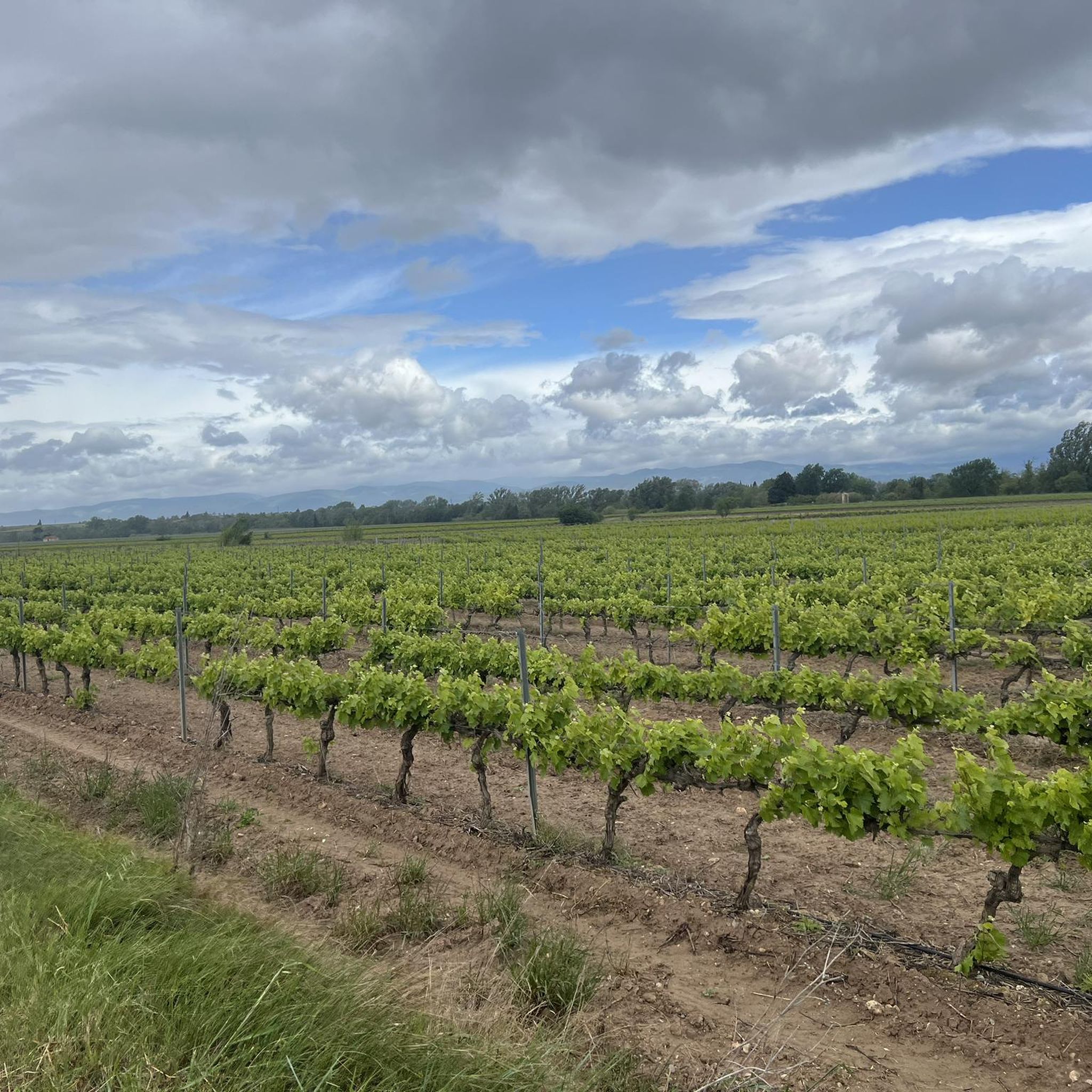
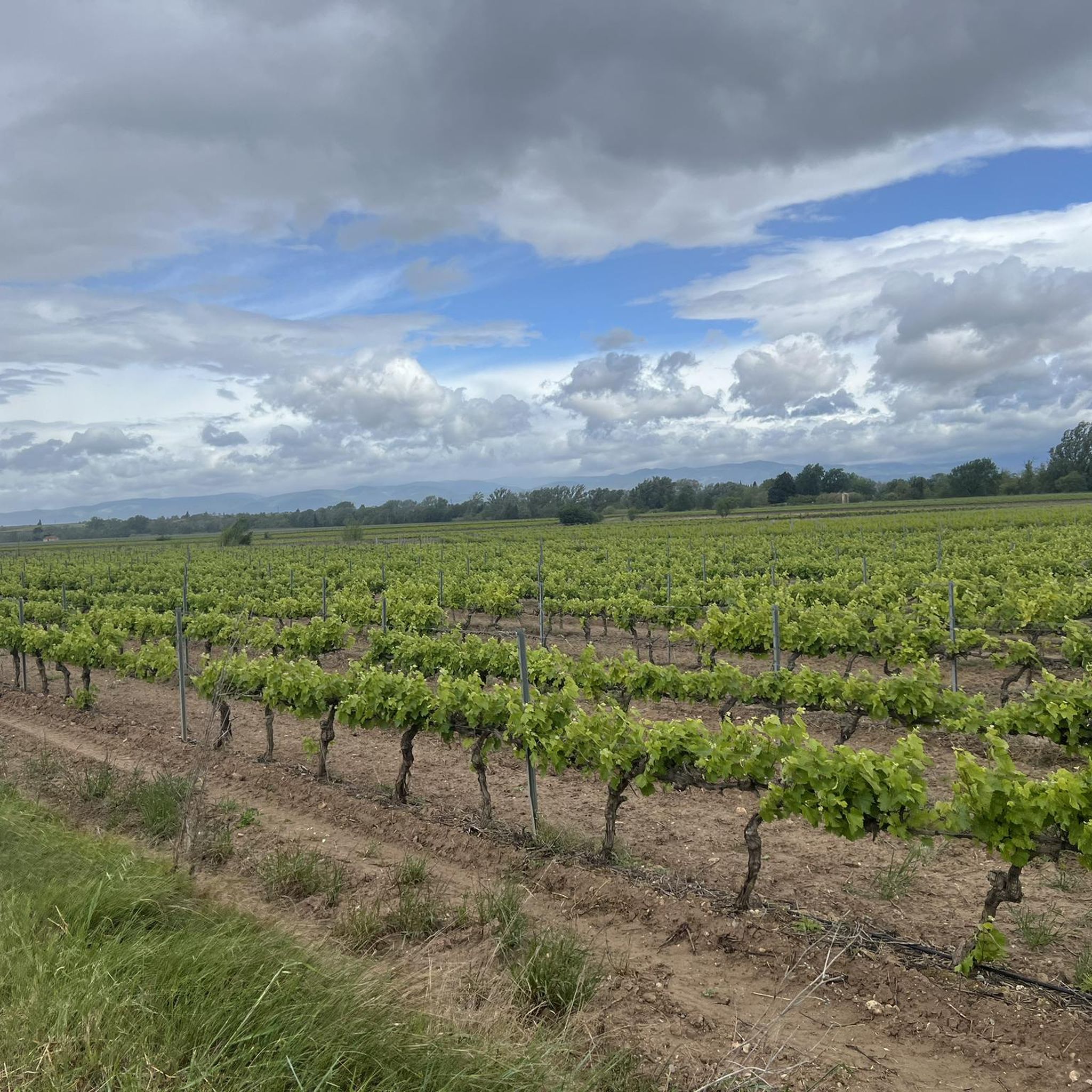
The terrain around Saint-Couat-D'Aude is characterized by rolling hills, extensive vineyards, and flat sections along waterways like the Canal du Midi. You'll encounter a mix of gentle inclines and more challenging climbs, offering varied cycling experiences.
How long do road cycling tours typically take in Saint-Couat-D'Aude?
Tour durations vary significantly based on distance and difficulty. A moderate route like the Plane tree avenue – Canal du Midi Bridge loop from Escales might take around 2 hours, while a more challenging and longer route such as the View to olonzac – Minerve loop from Saint-Couat-d'Aude could take over 2.5 hours.
Most popular routes around Saint-Couat-D'Aude
Most popular attractions around Saint-Couat-D'Aude

Get inspired with the komoot mobile app


Explore more
Browse the best Road cycling routes in other regions.
