Attractions and Places To See around Diesdorf - Top 20
Best attractions and places to see around Diesdorf include historical sites, cultural institutions, and diverse natural features. This municipality in Saxony-Anhalt, Germany, offers insights into its rich history and cultural heritage. The surrounding landscape, shaped by the Saale Ice Age, features terminal moraines and wooded areas. Visitors can explore ancient burial sites and extensive forests, providing varied opportunities for outdoor activities.
Best attractions and places to see around Diesdorf
- The most popular attractions is Lac du Mirgenbach, a lake…
Last updated: June 22, 2026
Charles le Téméraire cycle route
Highlight (Segment) • Cycleway
Translated by Google •
Tip by

U4 - Blast Furnace Park (Uckange)
Highlight • Other
Translated by Google •
Tip by
Sign up now to discover places like this
Get recommendations on the best single tracks, peaks, & plenty of other exciting outdoor places.
Sign up for free
Hackenberg Fort
Highlight • Historical Site
Translated by Google •
Tip by

Ouvrage de Galgenberg (Maginot Line)
Highlight • Historical Site
Tip by

Lac du Mirgenbach
Highlight • Lake
Tip by
Sign up for free to discover even more attractions around Diesdorf.
Sign up for free
Already have an account?
Start today with a free account
Your next adventure awaits.
Login or Signup
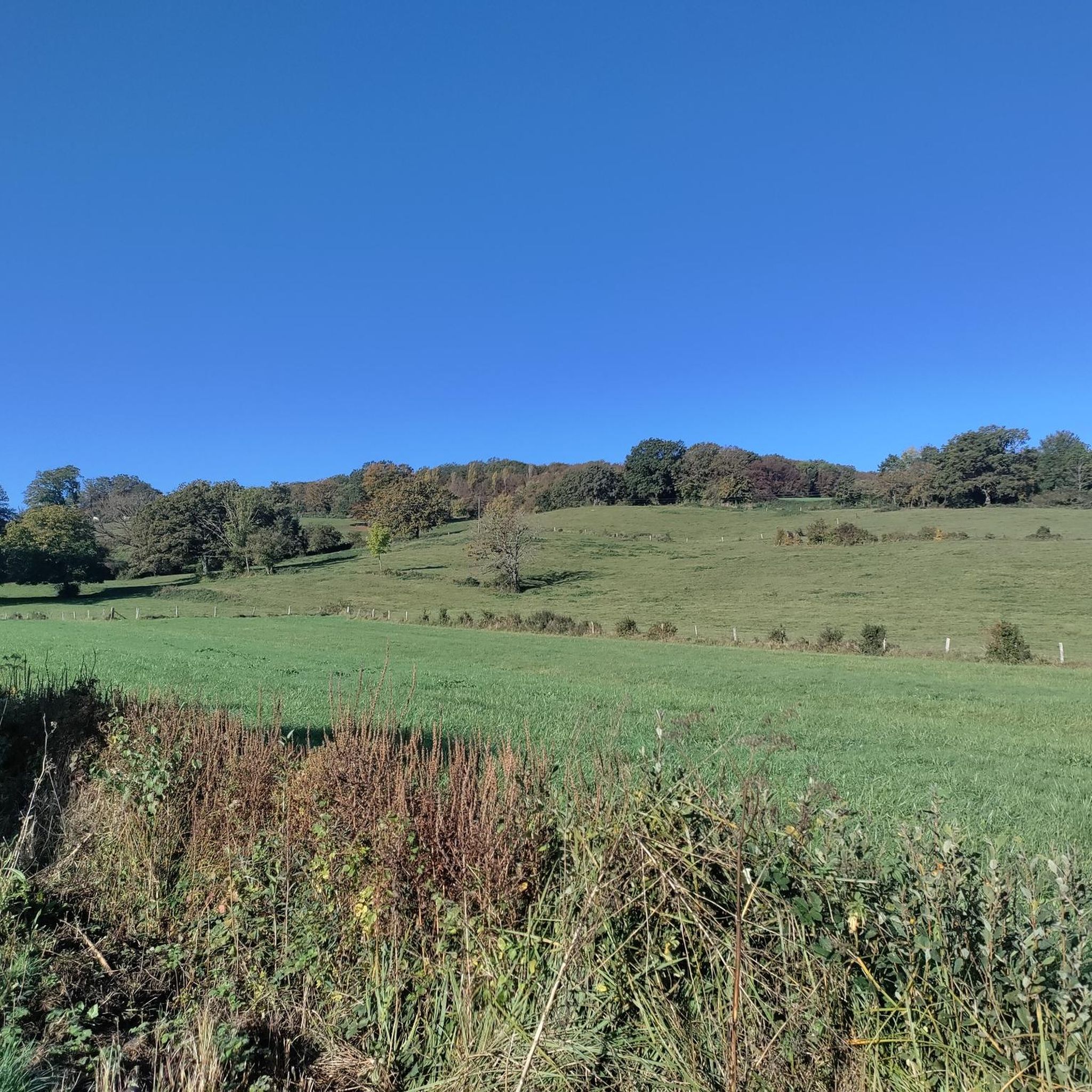
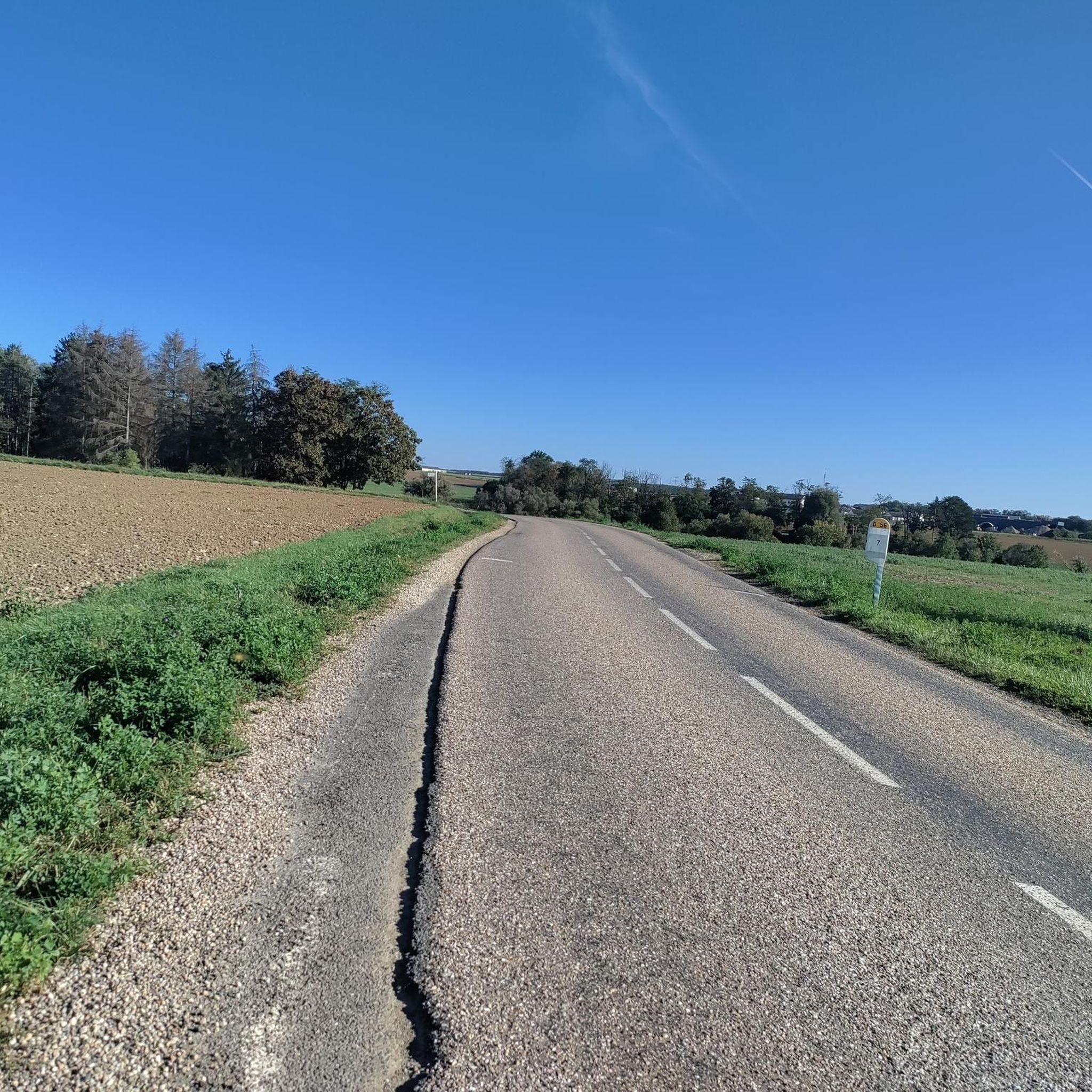
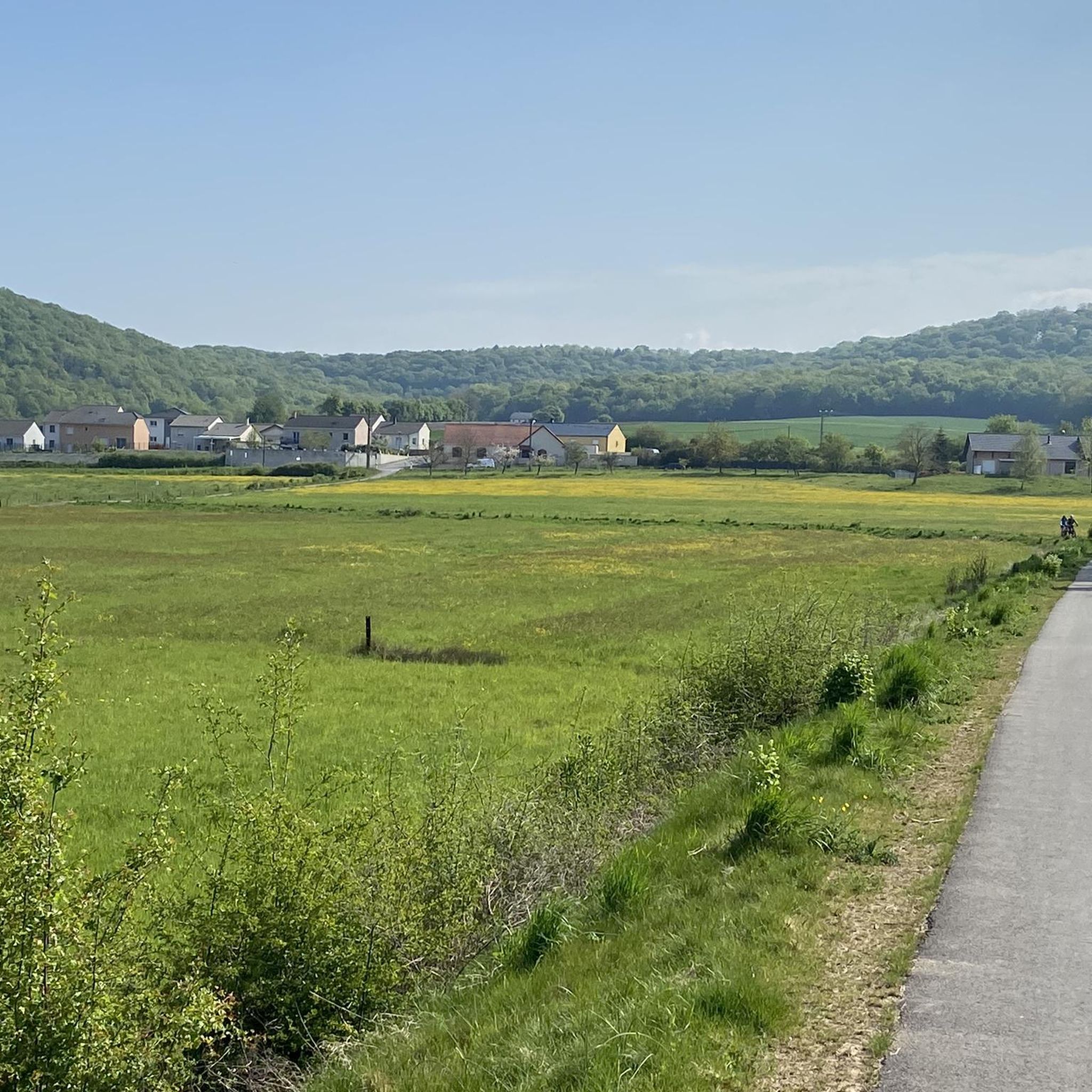
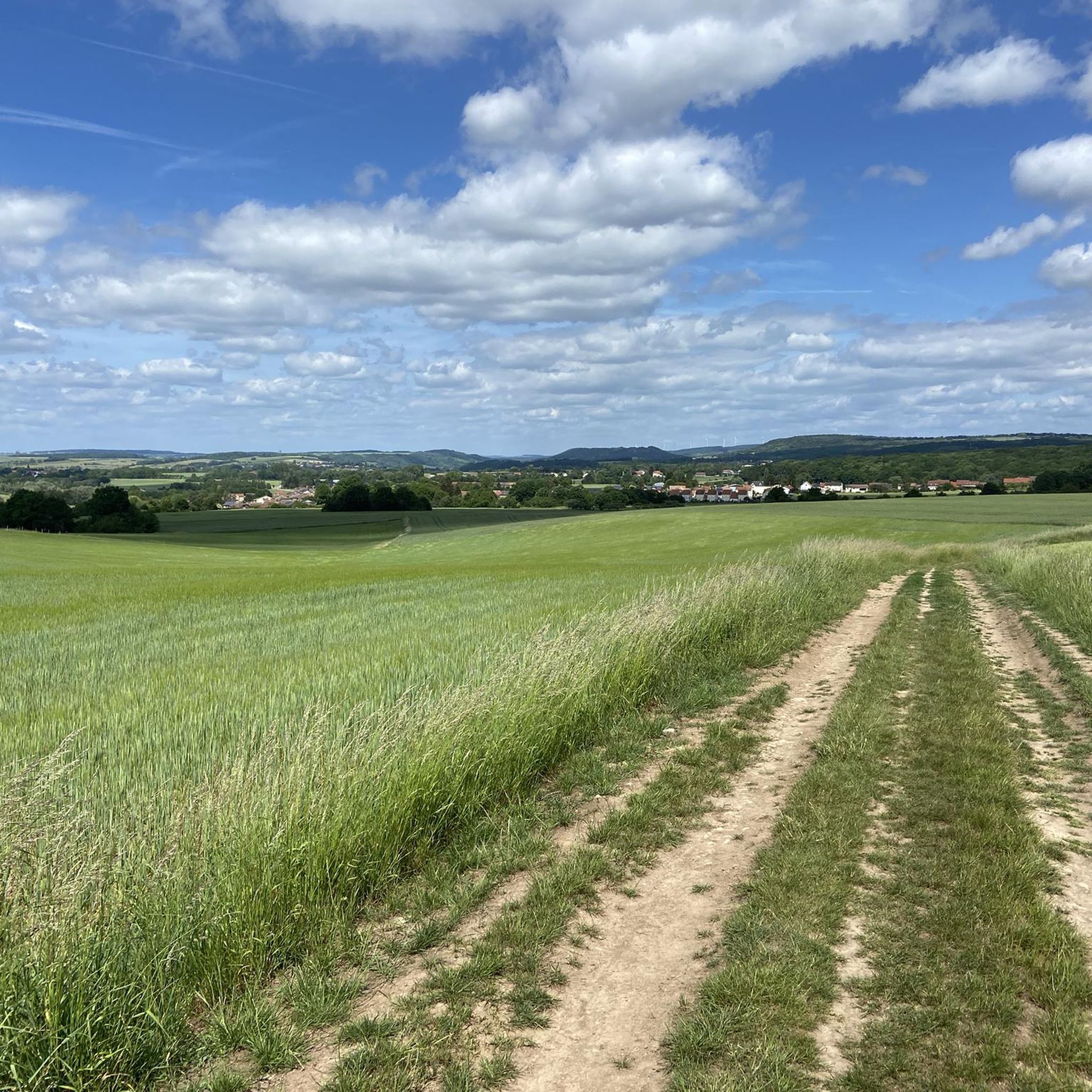
Tips from the Community

Really fantastic cycle path
0
0

🛡️ **Ouvrage du Hackenberg** – The Largest Fortification of the Maginot Line** The **Ouvrage du Hackenberg** near **Veckring** is the most impressive and largest fortification of the **Maginot Line** – a real must-see for history buffs. Built between 1929 and 1935, it includes: 🔩 **17 combat and entry blocks**, 🚇 over **10 km of underground tunnels**, 🚂 an **internal electric railway**, ⚙️ barracks, ammunition depots, a hospital, and a power supply. During World War II, the fort was combat-ready, but was evacuated without a fight after the armistice in 1940. The French Army later reused the facility during the Cold War. 🎟️ Today, Hackenberg has been beautifully restored and can be visited on guided tours – including a ride on the original narrow-gauge railway. Tip: Be sure to take a guided tour – it lasts about two hours. The underground coolness is pleasant even in summer! It's ideal for a half-day excursion with a historical twist.
0
0
🛡️ **Ouvrage du Galgenberg – A Deep Look into the Maginot Line** The **Ouvrage de Galgenberg** is a large underground fortification of the **Maginot Line**, located south of Cattenom. It was built between 1930 and 1935 and served to defend the French border against Germany. The complex consists of several **combat bunkers**, **barracks**, **tunnels**, and **supply facilities** located deep underground. During the Cold War, the fort was modernized and remained in active use until the 1980s. 🔦 Today, it is accessible for guided tours (registration only), including a view of the original equipment: rails, power supply, ventilation systems, and gun emplacements. **Tip:** Ideal for military and history buffs – bring warm clothing, as it's chilly inside! Guided tours with former soldiers or experts are particularly impressive.
1
0
🚧 **Barrage du Lac du Mirgenbach – The Technical Heart of the Lake** At the southern end of **Lac du Mirgenbach** is the **dam (barrage)**, which serves to regulate the water and cool the nearby **Cattenom Nuclear Power Plant**. The facility is not open to the public, but is easily visible from the paths around the lake. 🌊 The dam marks the transition between technology and nature: Here, the water flows in controlled channels, creating an exciting interplay of industrial function and scenic tranquility. **Tip:** Those who walk the circular path around the lake have a good view of the dam from the eastern shore – particularly interesting for technology enthusiasts and landscape photographers.
3
0

The Voie Bleue runs from the fortified town of Thionville, with its two lock bridges, true masterpieces of military architecture, along the port of Illange, the first river port for metallurgical products, passing by its industrial heritage and the former U4 blast furnace, one of the few buildings of the 20th century steel industry that is now a cultural and historical centre. Just before Metz, the cycle path crosses a beautiful wetland with idyllic ponds. Take the opportunity of your stay in the Lorraine capital to stroll through the old town: the Saint-Etienne Cathedral and the Pompidou-Metz Centre for Contemporary Art are two must-sees.
5
0

A super asphalted one-way road leads up to the fort and back down again 🚴👍
1
0

Here, we pass over the canalized Moselle, it's really pleasant.
1
0

beautiful rosel section
1
0
Frequently Asked Questions
What historical and cultural sites can I visit in Diesdorf?
Diesdorf is rich in history and culture. You can explore the Diesdorf Open-Air Museum, one of Germany's oldest, featuring over 20 historical timber-framed houses. The Monastery Church of St. Mary and Crucis Diesdorf, a significant Brick Romanesque church, is also a must-see. Don't miss the Alte Darre, the former monastery's brewing and baking house, which now serves as the local historical museum.
Are there any natural attractions or unique landscapes to explore near Diesdorf?
Yes, the surrounding countryside of Diesdorf is characterized by the Saale Ice Age Landscape, featuring terminal moraines and wooded areas. You can also explore the Diesdorfer Wohld, a large forested area with an avenue of Trees of the Year, perfect for nature walks.
Where can I find ancient burial sites in the Diesdorf area?
Ancient burial sites, known as Megalithic Graves (Hünengräber), are scattered throughout the municipal area. A 7.5-kilometer hiking trail, the Hünengrabwanderweg, specifically leads past these graves, the historical market square, and the church walls, offering a glimpse into the region's prehistoric past.
What are some family-friendly activities available in Diesdorf?
For family fun, the Diesdorf Open-Air Swimming Pool (Erlebnisbad Diesdorf), located next to the Open-Air Museum, is a popular spot, especially during summer. The Diesdorf Open-Air Museum itself is also very family-friendly, offering an engaging look at rural life.
Can I find remnants of the former Inner German Border near Diesdorf?
Yes, remnants and information about the former Inner German Border, including a watch post and a section of the wall from the Iron Curtain era, can be found nearby in Waddekath. This area is also part of the Green Belt.
What is the best time to visit Diesdorf attractions?
The best time to visit Diesdorf attractions largely depends on your interests. Spring and summer are ideal for enjoying outdoor activities, the Open-Air Museum, and the swimming pool. Autumn offers beautiful foliage in the forested areas. Historical sites like the Monastery Church and Alte Darre can be visited year-round.
Are there opportunities for hiking and cycling around Diesdorf?
The region's diverse landscape, with its forests and gentle hills, provides various routes for hiking and cycling enthusiasts. You can find numerous options for road cycling, touring, and mountain biking. For specific routes, explore the guides for Road Cycling Routes around Diesdorf, Cycling around Diesdorf, and MTB Trails around Diesdorf.
What is special about the Diesdorf Market Square?
The Diesdorf Market Square is a picturesque historical site featuring traditional regional houses. It offers a relaxing atmosphere with benches, making it a pleasant spot to take a break and soak in the local ambiance.
Are there any notable churches or religious sites in the area besides the Monastery Church?
Yes, in addition to the prominent Monastery Church of St. Mary and Crucis Diesdorf, you can also visit the Fieldstone Church Wallstawe, a small stone church typical of the region, notable for its tower unusually located on the east side.
What is the significance of Knesebeck Castle Wall?
While the current building of Knesebeck Castle serves as a conference venue, its history dates back to the 13th century. Visitors can explore a well-maintained park and remnants of an old defensive wall, offering a glimpse into its medieval past.
Where can I learn more about the history of brewing and baking in Diesdorf?
The Alte Darre, the old brewing and baking house of the former monastery, dating back to the 14th century, has been restored and now functions as the local historical museum. It's the perfect place to delve into this aspect of Diesdorf's history.
Are there any specific trails for exploring the natural features around Diesdorf?
Beyond the Hünengrabwanderweg which combines history and nature, the Diesdorfer Wohld offers opportunities for nature walks through its large forested area, featuring an avenue with the Trees of the Year.
Most popular routes around Diesdorf

Get inspired with the komoot mobile app


Explore more
Still not found the Highlight you’re looking for? See guides of the top attractions in other regions:
