Attractions and Places To See around Épineuil - Top 18
Best attractions and places to see around Épineuil include a variety of natural features, historical landmarks, and cultural sites. The village is situated along the Armançon river and the Bourgogne Canal, offering scenic views and outdoor opportunities. Épineuil is also recognized for its wine appellation, with vineyards covering the surrounding hillsides. This region provides access to significant historical and natural sites within the Yonne department.
Best attractions and places to see around Épineuil
- The most popular attractions is Château de…
Last updated: July 2, 2026
Towpath of the Canal de Bourgogne
Highlight (Segment) • Trail
Translated by Google •
Tip by

Château de Tanlay
Highlight • Castle
the first of the films "Angélique Marquise des anges" by Bernard Borderie, with Michèle Mercier, Robert Hossein, and Jean Rochefort is …
Translated by Google •
Tip by

Sign up now to discover places like this
Get recommendations on the best single tracks, peaks, & plenty of other exciting outdoor places.
Sign up for free
Fosse Dionne and the town of Tonnerre
Highlight • Historical Site
Translated by Google •
Tip by
Notre-Dame Church
Highlight • Religious Site
Translated by Google •
Tip by

Saint Peter's Church
Highlight • Other
Translated by Google •
Tip by
Sign up for free to discover even more attractions around Épineuil.
Sign up for free
Already have an account?
Start today with a free account
Your next adventure awaits.
Login or Signup


Tips from the Community

Magnificent Exterior Trompe l'oeil Gallery
0
0

A "chemin de halage", in German "treidelpfad", which runs alongside the waterway right next to the bed of the river or canal, was an indispensable part of the transport infrastructure in earlier times. Before ships could move using motor power, horses ran along the bank and pulled the ship against the current. This was called "treideln", and that is how the "treidelpfad" got its name. Where these paths directly on the bank have been preserved, they are now popular with hikers and cyclists.
1
0

The Dionne pit is a karst source called the Vauclusian source, located in the city center of Tonnerre. It is fed by the infiltration of precipitation into the surrounding limestone plateau as well as by the losses of at least one river. The Dionne pit is remarkable for its flow and the size of its hydrogeological network which extends to more than 40 km. His presence is at the origin of the creation of the city of Tonnerre. An elaborate washhouse was built around the spring in the 18th century. Wikipedia
0
0

A real must-see - this round wash house around a turquoise green source is unique in its kind and well worth the detour.
0
0
The church in Tonnerre was dedicated to Saint Peter / “Saint-PIERRE”. Simon, nicknamed Peter (the word means "rock"), was a fisherman on the Sea of Galilee when he - together with his brother Andrew - was called by Jesus Christ to be "fishers of men". According to Catholic understanding, he is the supreme apostle, and the two millennia-long line of popes - currently Francis - are his successor. On statues and paintings, Peter is almost always depicted with two keys in his hand; this attribute refers to the biblical saying in Matthew: “I will give you the keys of the kingdom of heaven; Whatever you bind on earth will be bound in heaven, and whatever you loose on earth will be loosed in heaven” (Chapter 16, verse 19). Saint-Pierre is - together with Saint-Paul - also known as the “Princes of the Apostles”, their common feast day in the saints' calendar is on June 29th.
0
0

The mystery of this pit is complete. The city was built around it.
0
2
We enjoyed a remarkable guided tour.
0
0

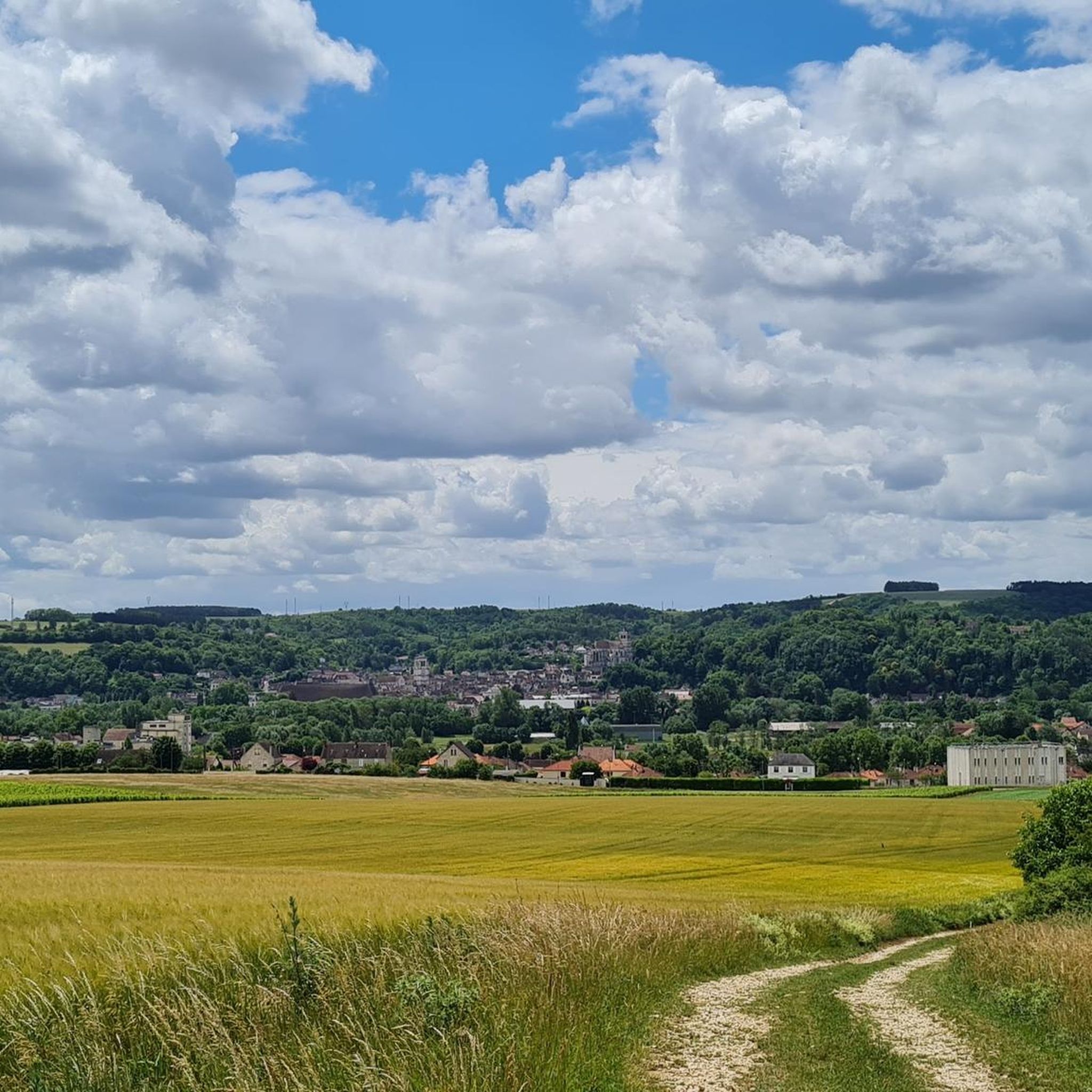
We were there in the morning and the church was still closed. The building from the outside and the beautiful view of the city from there made up for it.
3
0
Frequently Asked Questions
What natural features can I explore around Épineuil?
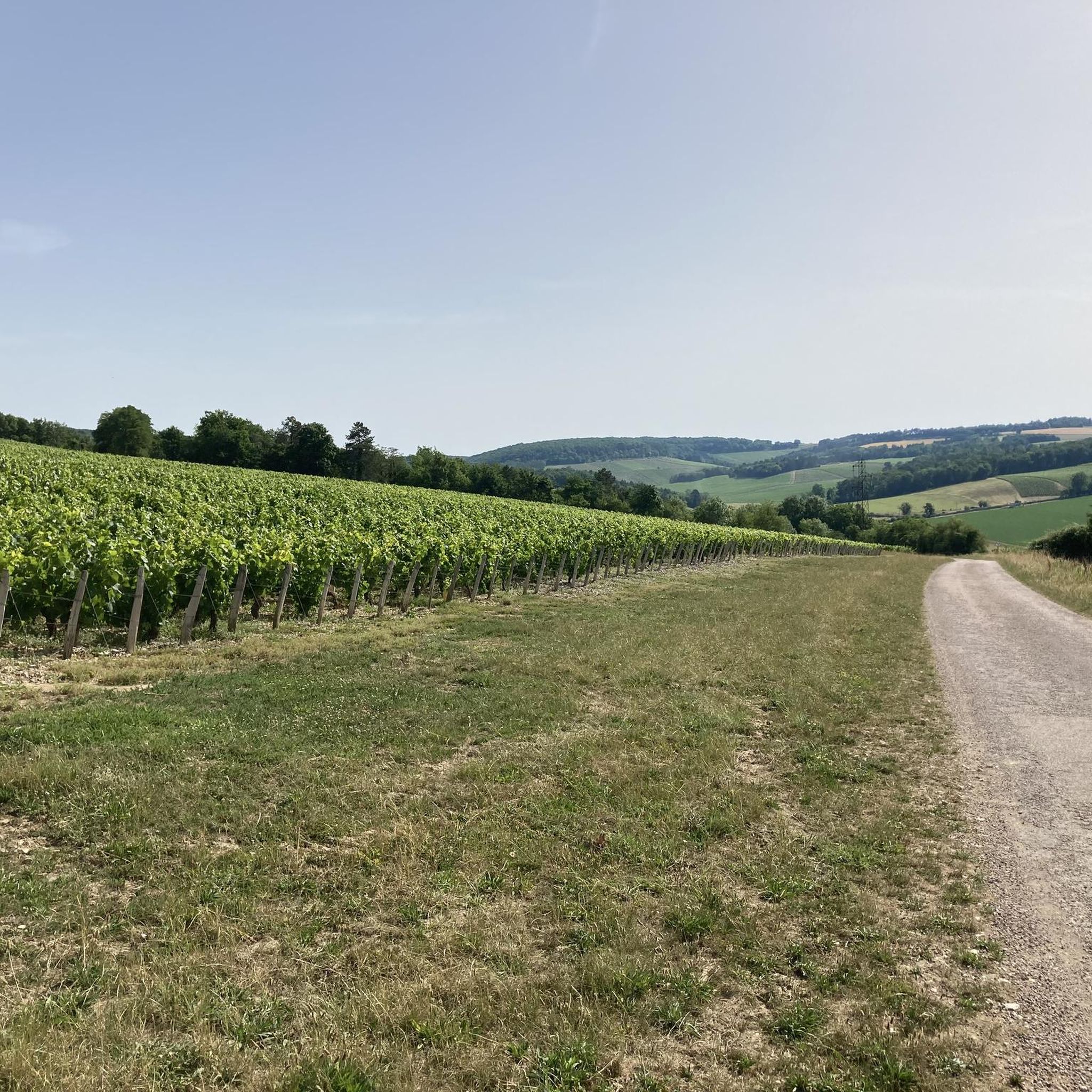
Épineuil is nestled in the scenic Armançon River Valley, offering picturesque views and opportunities for walks along the Bourgogne Canal. You can explore the vineyards on the hillsides (Coteaux d'Épineuil) and visit the significant natural spring, Fosse Dionne, near Tonnerre. The Towpath of the Canal de Bourgogne is also a great way to experience the local waterways.
Are there historical landmarks to visit near Épineuil?
Yes, the region is rich in history. Just 2 km away, Tonnerre features the medieval Hôtel-Dieu de Tonnerre and the unique Fosse Dionne. Further afield, you can visit the Renaissance Château de Tanlay (8 km) and the 15th-century Château d'Ancy-le-Franc (17 km). The UNESCO World Heritage site, Abbaye de Fontenay, is about 40 km away.
What outdoor activities can I do near Épineuil?
The area around Épineuil is perfect for outdoor enthusiasts. You can enjoy hiking, mountain biking, and road cycling. For detailed routes, check out the guides for Hiking around Épineuil, MTB Trails around Épineuil, and Road Cycling Routes around Épineuil.
Are there family-friendly attractions in the Épineuil area?
Many attractions are suitable for families. The Towpath of the Canal de Bourgogne offers easy walks and cycling. Historical sites like Château de Tanlay, Fosse Dionne and the town of Tonnerre, Notre-Dame Church, and Hôtel-Dieu de Tonnerre are also generally considered family-friendly, offering educational and engaging experiences.
What is Épineuil known for culturally?
Épineuil is renowned for its specific wine appellation, producing delicate red and rosé wines primarily from Pinot Noir and Pinot Gris grapes. The winemaking tradition dates back to the Middle Ages. Exploring the local vineyards and tasting regional wines is a highly recommended cultural experience.
What are some notable castles near Épineuil?
The most popular castle is Château de Tanlay, an exquisite example of Renaissance architecture known for its frescoes and unique details. Another significant castle is the 15th-century Château d'Ancy-le-Franc, located about 17 km away.
Can I find easy hiking routes around Épineuil?
Yes, there are several easy hiking options. For instance, the 'Saint Peter's Church – Notre-Dame Church loop from Tonnerre' is an easy 4.8 km hike, and the 'Tonnerre Lock – Burgundy Canal loop from Tonnerre' is an easy 7 km route. You can find more options in the Hiking around Épineuil guide.
What is the best time to visit Épineuil attractions?
The region is beautiful throughout the warmer months, typically from spring to autumn, when the vineyards are lush and outdoor activities are most enjoyable. Many historical sites and castles are open during this period. The local winemaking tradition can be appreciated year-round, but vineyard tours are best when the weather is mild.
Are there any charming villages or towns to visit nearby?
Absolutely. Tonnerre, just 2 km from Épineuil, is a significant town with historical sites and a Saturday market. About 19 km away, Noyers-sur-Serein is recognized as one of France's 'Most Beautiful Villages' and is worth a visit for its preserved medieval charm. Chablis, famous for its white wines, is also about 15 km away and hosts Sunday markets.
What do visitors enjoy most about the attractions around Épineuil?
Visitors particularly appreciate the blend of natural beauty, rich history, and cultural experiences. The scenic walks along the Bourgogne Canal, the impressive architecture of Château de Tanlay, and the unique Fosse Dionne are frequently highlighted. The well-preserved medieval Hôtel-Dieu de Tonnerre also receives high praise for its historical significance and excellent presentation.
Where can I experience the local winemaking heritage?
Épineuil itself is at the heart of its own wine appellation. You can explore paths that wind through the vineyards on the hillsides (Coteaux d'Épineuil). The nearby town of Chablis (15 km) is also world-renowned for its white wines and offers markets where you can sample local produce.
Are there any religious monuments worth visiting?
Yes, in Tonnerre, you can visit the Notre-Dame Church, which has a rich history dating back to the 11th century. Further afield, the Abbaye de Pontigny (20 km) and Église de Saint Martial (Seignelay) (28 km) are other notable religious sites in the vicinity.
Most popular routes around Épineuil

Get inspired with the komoot mobile app


Explore more
Still not found the Highlight you’re looking for? See guides of the top attractions in other regions:
