Attractions and Places To See around Hessdorf - Top 20
Best attractions and places to see around Hessdorf offer a diverse range of experiences. This region features a mix of historical sites, natural monuments, and religious buildings, providing opportunities for exploration. Visitors can discover significant cultural landmarks and tranquil natural settings. The area is suitable for those seeking family friendly activities Hessdorf and exploring local history.
Best attractions and places to see around Hessdorf
- The most popular attractions is Hackenberg Fort, a historical site that is part of the…
Last updated: August 26, 2026
Hackenberg Fort
Highlight • Historical Site
Translated by Google •
Tip by

Charlemagne Spring
Highlight • Natural Monument
legende-et-realite.blogspot.com/2009/04/la-legende-de-la-chapelle-de-rabas-et.html
Translated by Google •
Tip by

Sign up now to discover places like this
Get recommendations on the best single tracks, peaks, & plenty of other exciting outdoor places.
Sign up for free
Kédange-sur-Canner Church
Highlight • Religious Site
Translated by Google •
Tip by
Notre-Dame de Rabas Chapel
Highlight • Religious Site
Translated by Google •
Tip by

Sainte-Croix de Bouzonville abbey
Highlight • Religious Site
The **Saint-Croix Abbey** in **Bouzonville** is one of the oldest monastic complexes in the region. Founded in the …
Translated by Google •
Tip by

Sign up for free to discover even more attractions around Hessdorf.
Sign up for free
Already have an account?
Start today with a free account
Your next adventure awaits.
Login or Signup
Tips from the Community

⛪ **Saint-Croix Abbey in Bouzonville – Monastic Tradition with a Rich History** The **Saint-Croix Abbey** in **Bouzonville** is one of the oldest monastic complexes in the region. Founded in the **11th century**, it was a spiritual center between the Moselle and Saar rivers for centuries. The Romanesque-Gothic architecture of the monastery church has been rebuilt and restored several times, but its origins remain. 📜 After its dissolution during the French Revolution, the monastery was partially destroyed but later returned to religious use. Today, it is inhabited by a **Benedictine community** that welcomes visitors. **Tip:** The simple, spiritual atmosphere of the complex invites you to pause for a moment. Ideal for a quiet stroll or a quick visit to the monastery shop – featuring handmade products made by the nuns.
0
0
⛪ **Church of Kédange-sur-Canner – A Simple Jewel in the Moselle Valley** The **Église Saint-Martin** in **Kédange-sur-Canner** is a tranquil example of rural church architecture in Lorraine. Its origins date back to the **18th century**, and it has been restored several times over the years. The church is located slightly elevated in the village center and, with its steeple, offers a striking landmark. 🕊️ Its interior is simple, exuding a tranquil atmosphere – with harmonious proportions, light plaster, and a chancel illuminated by discreet glass panels. **Tip:** Those on quiet tours will find a quiet place to rest here with a view of village life – ideal for a moment of reflection or an architectural photo.
1
0
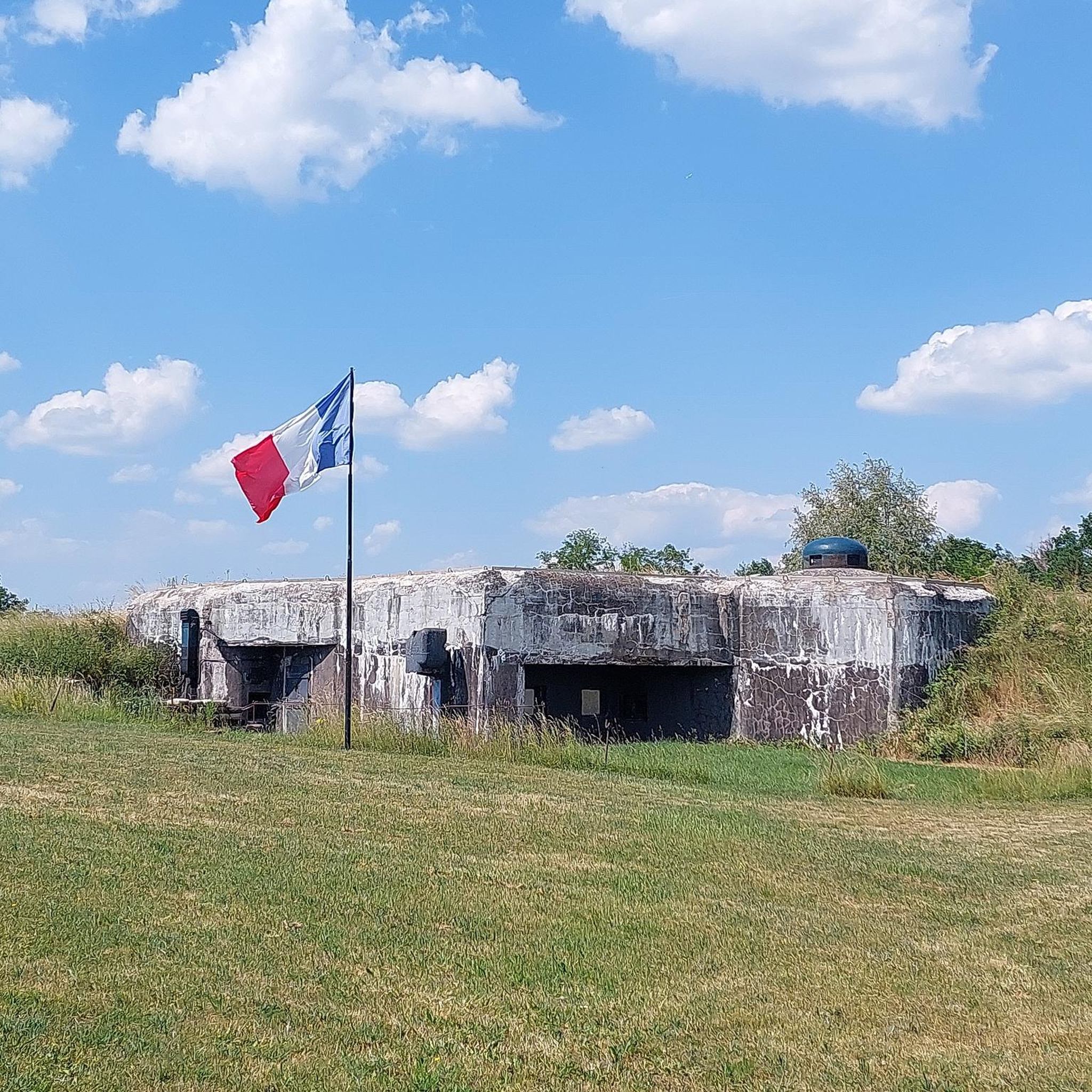
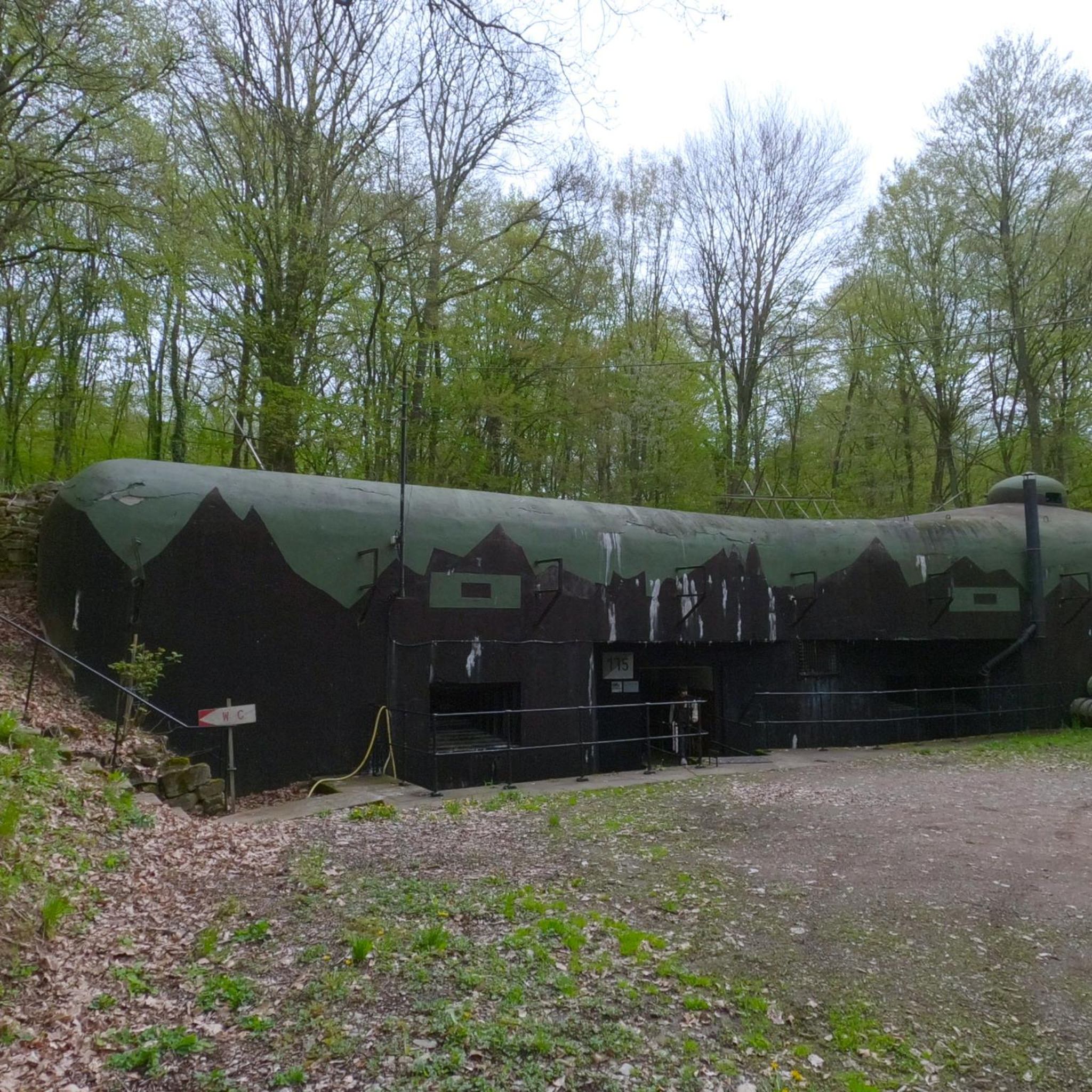
🛡️ **Ouvrage du Hackenberg** – The Largest Fortification of the Maginot Line** The **Ouvrage du Hackenberg** near **Veckring** is the most impressive and largest fortification of the **Maginot Line** – a real must-see for history buffs. Built between 1929 and 1935, it includes: 🔩 **17 combat and entry blocks**, 🚇 over **10 km of underground tunnels**, 🚂 an **internal electric railway**, ⚙️ barracks, ammunition depots, a hospital, and a power supply. During World War II, the fort was combat-ready, but was evacuated without a fight after the armistice in 1940. The French Army later reused the facility during the Cold War. 🎟️ Today, Hackenberg has been beautifully restored and can be visited on guided tours – including a ride on the original narrow-gauge railway. Tip: Be sure to take a guided tour – it lasts about two hours. The underground coolness is pleasant even in summer! It's ideal for a half-day excursion with a historical twist.
0
0

This cemetery, with its partly elaborate gravestones, is located directly on the main road in front of the church of Kedange.
0
0

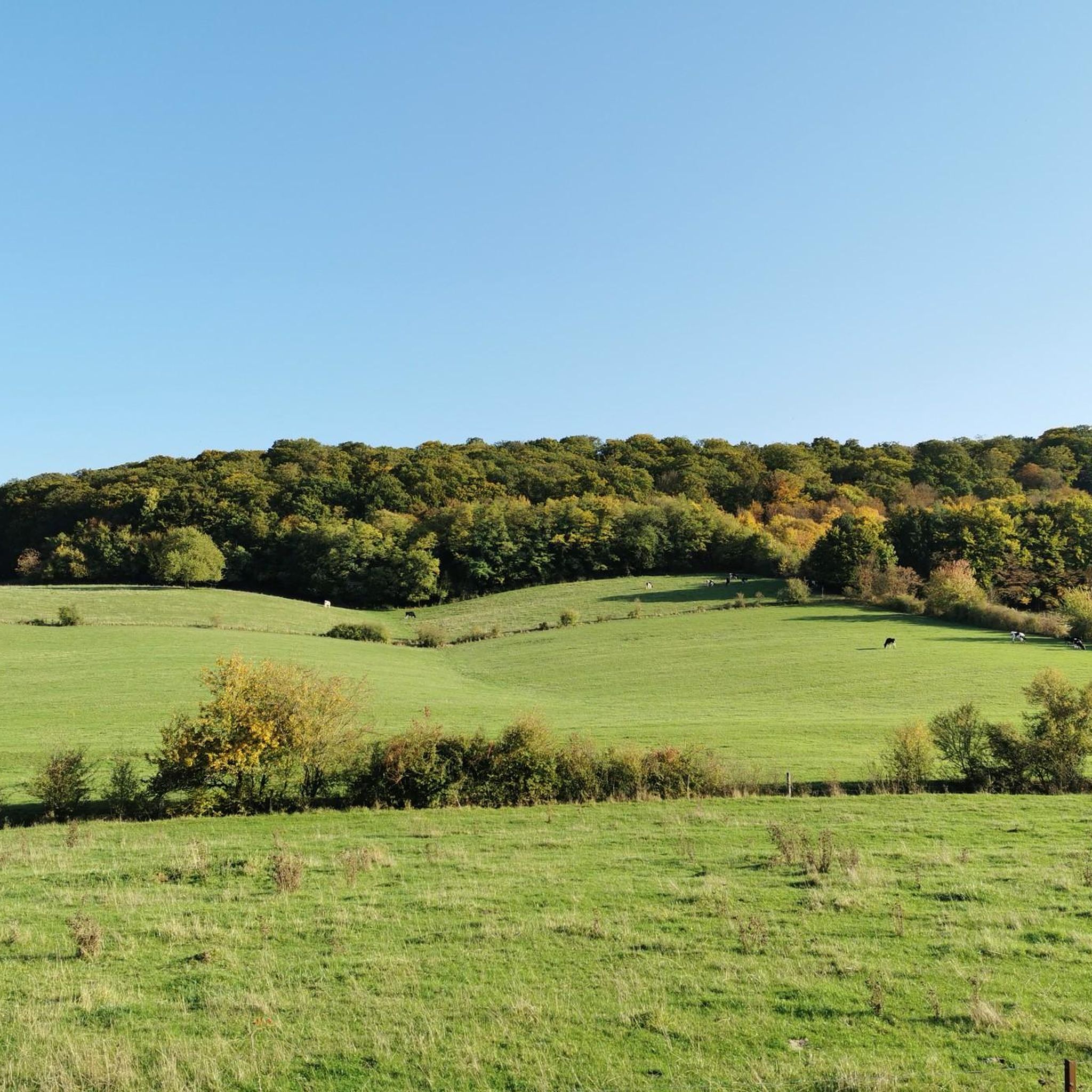
According to legend, it was built based on a promise made by Charlemagne.
2
0
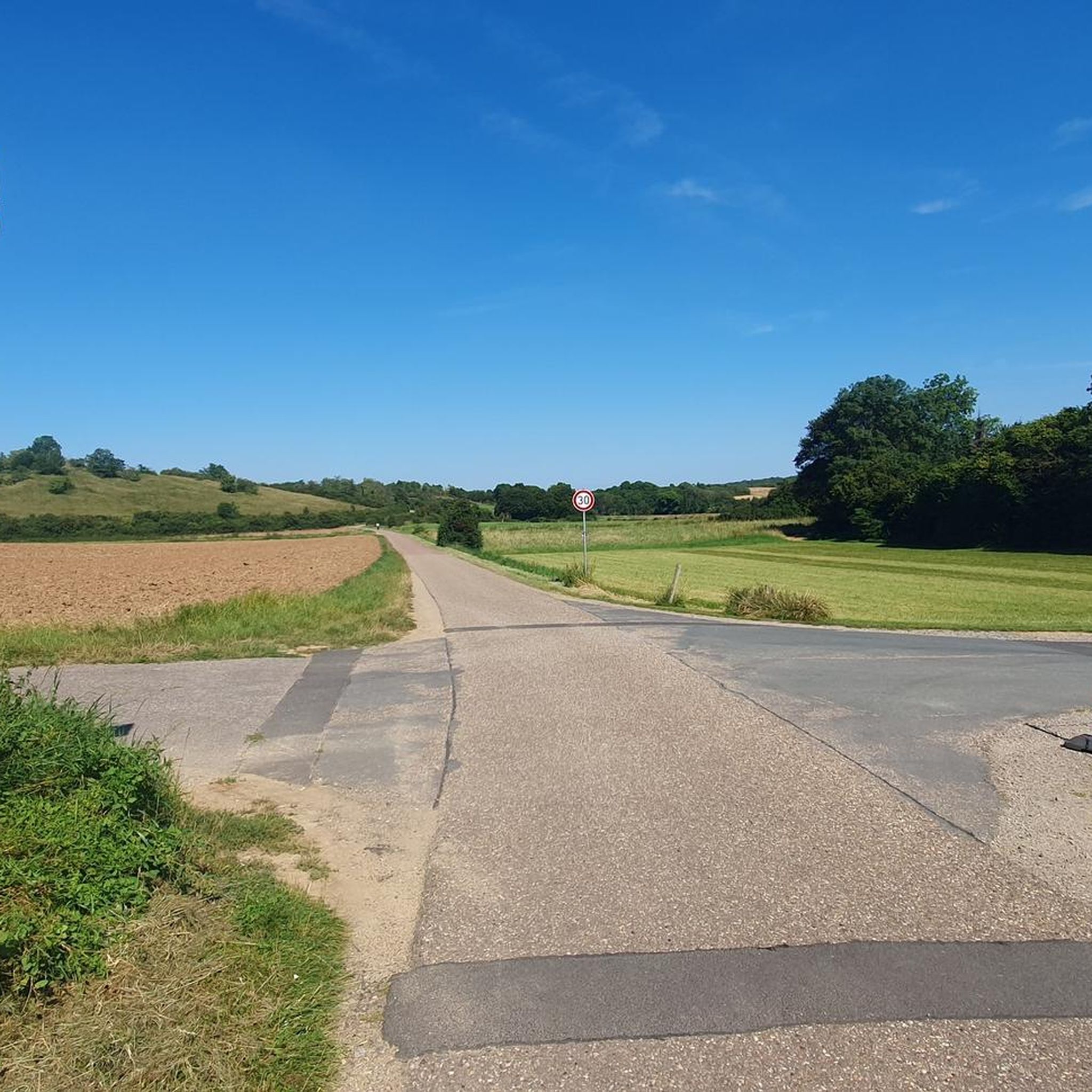
A super asphalted one-way road leads up to the fort and back down again 🚴👍
1
0
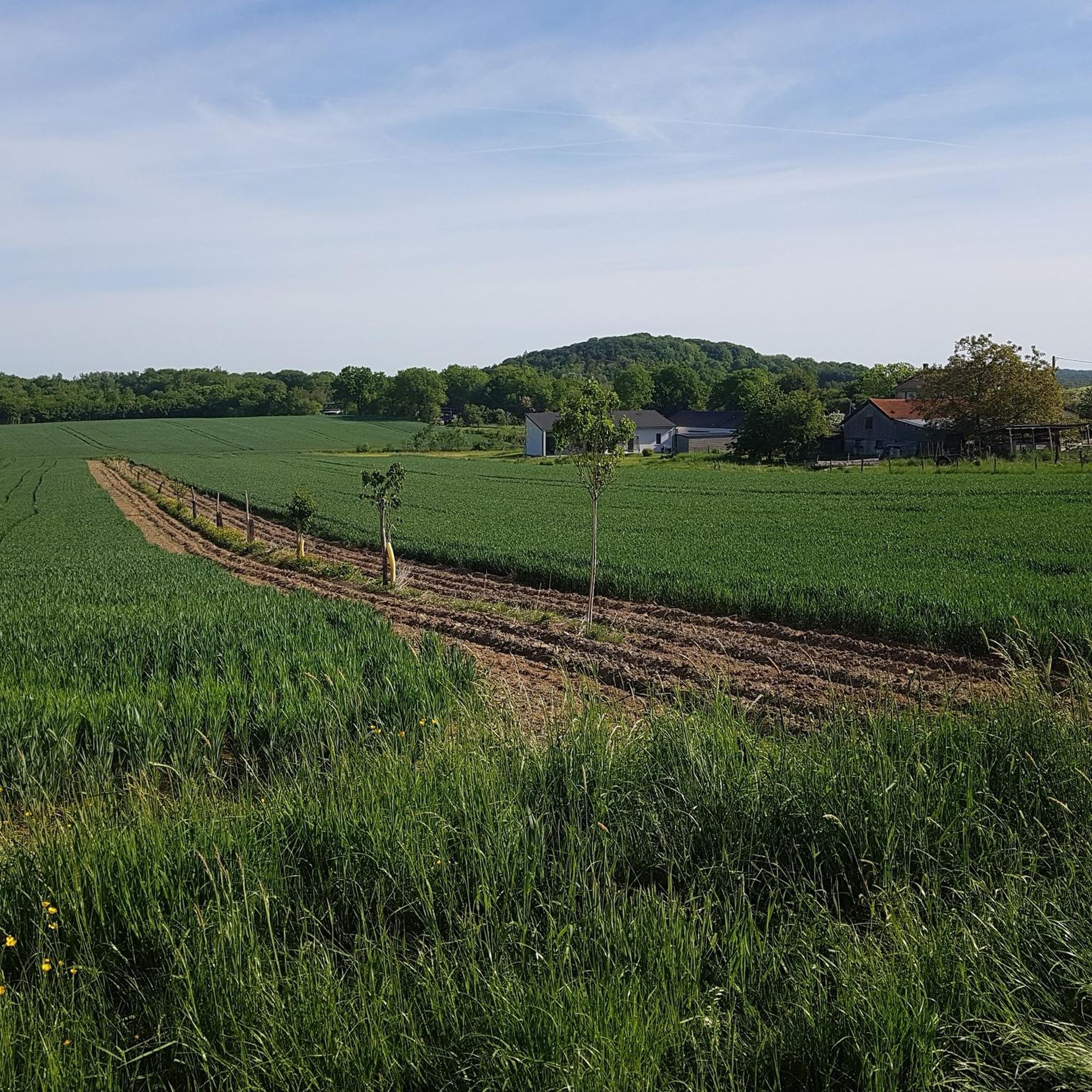
Rest area with a good view of the Nied and the abbey.
0
1

About the Notre-Dame de Rabas chapel, the legend says: "Overwhelming heat! A troop of hunters and a pack of dogs pursue a deer at bay in the woods of Saint-Hubert. They get lost. People and beasts suffer from intense thirst. Very touched to see his people and his animals suffer, Charlemagne then made a vow to build a chapel to the Virgin if she came to his aid. Suddenly, under the feet of his horse springs a fresh and clear source. This is how the first stones of the chapel were laid during the 9th century.
3
0
Frequently Asked Questions
Are there family-friendly attractions around Hessdorf?
Yes, Hessdorf offers several family-friendly attractions. For instance, Hackenberg Fort provides an engaging historical experience with demonstrations. The Charlemagne Spring is a natural monument with an intriguing legend that children might enjoy. Many of the religious buildings, such as Notre-Dame de Rabas Chapel and Kédange-sur-Canner Church, are also noted as family-friendly.
What historical sites can I visit near Hessdorf?
Hessdorf is rich in historical sites. The most prominent is Hackenberg Fort, a significant part of the Maginot Line, offering a unique insight into military history with turret demonstrations. The Charlemagne Spring also has historical significance tied to an ancient legend. Additionally, several religious buildings like Sainte-Croix de Bouzonville abbey and Kédange-sur-Canner Church are historical landmarks.
Are there any natural monuments or scenic viewpoints in the Hessdorf area?
Absolutely. The Charlemagne Spring is a notable natural monument, flowing in the middle of a forest and steeped in legend. It's also considered a viewpoint. The Sainte-Croix de Bouzonville abbey offers a good view of the Nied river, providing a scenic spot for reflection.
What kind of outdoor activities can I do near Hessdorf's attractions?
The Hessdorf area is great for outdoor activities. You can find numerous routes for cycling, mountain biking, and running. For cycling, explore routes like the 'Charles le Téméraire cycle route' or 'Moselle River loop'. Mountain bikers can tackle trails such as 'Canyon de Saint-Hubert loop'. Runners have options like the 'Running loop from Gomelange'. You can find more details and routes in the dedicated guides for Cycling around Hessdorf, MTB Trails around Hessdorf, and Running Trails around Hessdorf.
Are there any religious buildings or chapels worth visiting?
Yes, the region features several significant religious buildings. The Notre-Dame de Rabas Chapel is a beautiful, detached chapel with a fascinating legend. The Kédange-sur-Canner Church, part of the Saint Jacques de Compostela path, offers a tranquil interior. The Sainte-Croix de Bouzonville abbey, founded in the 11th century, is one of the oldest monastic complexes in the region and is still inhabited by a Benedictine community.
What do visitors enjoy most about the attractions around Hessdorf?
Visitors particularly appreciate the unique historical experiences, such as the 3-hour presentation and turret demonstration at Hackenberg Fort. The mythical and legendary aspects of sites like the Charlemagne Spring and Notre-Dame de Rabas Chapel are also highly regarded. The tranquil atmosphere of the churches and abbeys, like Kédange-sur-Canner Church and Sainte-Croix de Bouzonville abbey, provides moments of reflection.
Are there any hidden natural attractions or unique spots in the area?
The Charlemagne Spring, nestled in the forest, could be considered a hidden gem. Its ancient legend and continuous flow make it a unique natural monument. While not strictly 'hidden,' the detached Notre-Dame de Rabas Chapel, with its legendary origins, offers a serene and less-trafficked experience.
What are some of the best-rated outdoor attractions near Hessdorf?
Based on community feedback, Hackenberg Fort is highly popular, with many upvotes and photos shared, indicating its appeal as an outdoor historical site. The Charlemagne Spring is also well-regarded for its natural beauty and historical context, often visited by those exploring the surrounding forest.
Are there any circular walks or easy hiking trails around Hessdorf?
While specific circular walks are not detailed in the attractions data, the presence of numerous running and cycling routes suggests that many paths in the area are suitable for walking. For example, the 'Running loop from Gomelange' or 'Running loop from Hestroff' could be adapted for easy circular walks. For more detailed hiking options, you might explore the routes linked in the Running Trails around Hessdorf guide.
Is there parking available at the main attractions?
For Hackenberg Fort, there is an asphalted one-way road leading up to the fort, which implies parking facilities are available for visitors. For other attractions like the churches and the abbey, parking is generally available in the nearby village centers or designated areas, though it's always good to check local signage upon arrival.
Can I visit the attractions with my dog?
Many outdoor natural sites, such as the area around Charlemagne Spring and the trails mentioned in the nearby routes, are generally dog-friendly, especially if dogs are kept on a leash. For indoor attractions like Hackenberg Fort or the interiors of churches and abbeys, it's best to check their specific visitor policies beforehand, as dogs are often not permitted inside.
Are there any wheelchair accessible trails or attractions?
The Hackenberg Fort is noted to have a super asphalted one-way road leading up to it, which may offer some accessibility for wheelchairs, though the interior of the fort might have limitations. For natural trails, accessibility can vary greatly. It's recommended to check specific trail conditions or contact the sites directly for detailed information on wheelchair accessibility.
Most popular routes around Hessdorf

Get inspired with the komoot mobile app


Explore more
Still not found the Highlight you’re looking for? See guides of the top attractions in other regions:
