Top 20 Natural Monuments around Hochwalsch
Best natural monuments around Hochwalsch are characterized by the unique geological formations of the Vosges region, featuring impressive rock structures and natural caves. This area offers a diverse natural landscape, from dense forests to panoramic viewpoints. The natural monuments here provide insights into geological processes and historical human interaction with the environment.
Best natural monuments around Hochwalsch
- The most popular natural monuments is Brotsch Cave, a natural monument that is the largest natural cave in the Northern Vosges. It…
Last updated: June 26, 2026
Brotsch Cave
Highlight • Natural Monument
Also popular with climbers, which is evident not only from the steel eyelets, but also from the residue of magnesia ...
Translated by Google •
Tip by

Rocher de Dabo and Chapel Saint-Léon IX
Highlight • Viewpoint
Translated by Google •
Tip by

Sign up now to discover places like this
Get recommendations on the best single tracks, peaks, & plenty of other exciting outdoor places.
Sign up for free
Rocher du Calice
Highlight • Natural Monument
Translated by Google •
Tip by

Einsiedlerhütte and Troglodyte Houses of Falkenfelsen
Highlight • Historical Site
Translated by Google •
Tip by

Raspberry Rock
Highlight • Natural Monument
Translated by Google •
Tip by
Sign up for free to discover even more natural monuments around Hochwalsch.
Sign up for free
Already have an account?
Start today with a free account
Your next adventure awaits.
Login or Signup

Tips from the Community

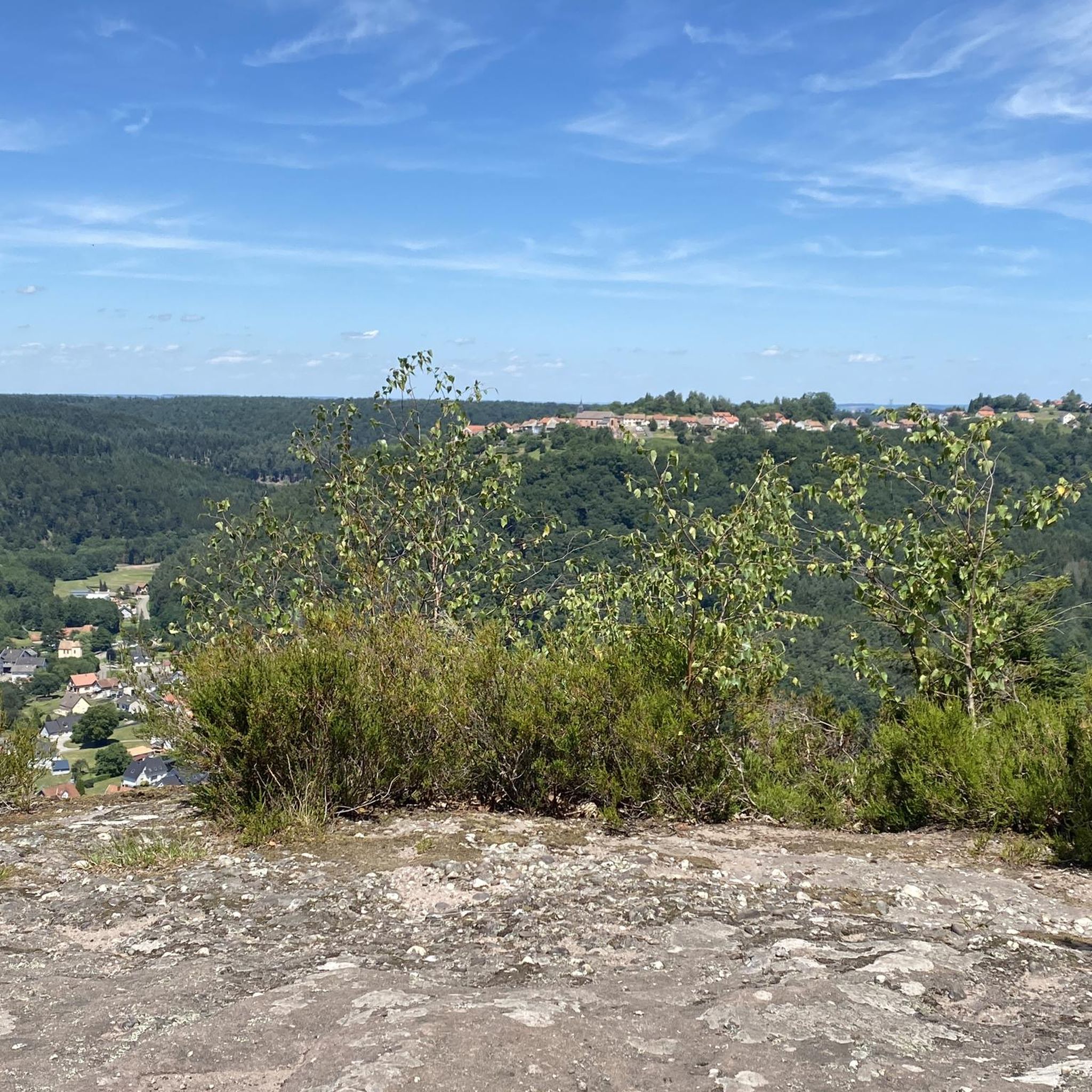
Fantastic view. Anyone attempting this should be free from vertigo. The descent is very steep and deep.
1
0

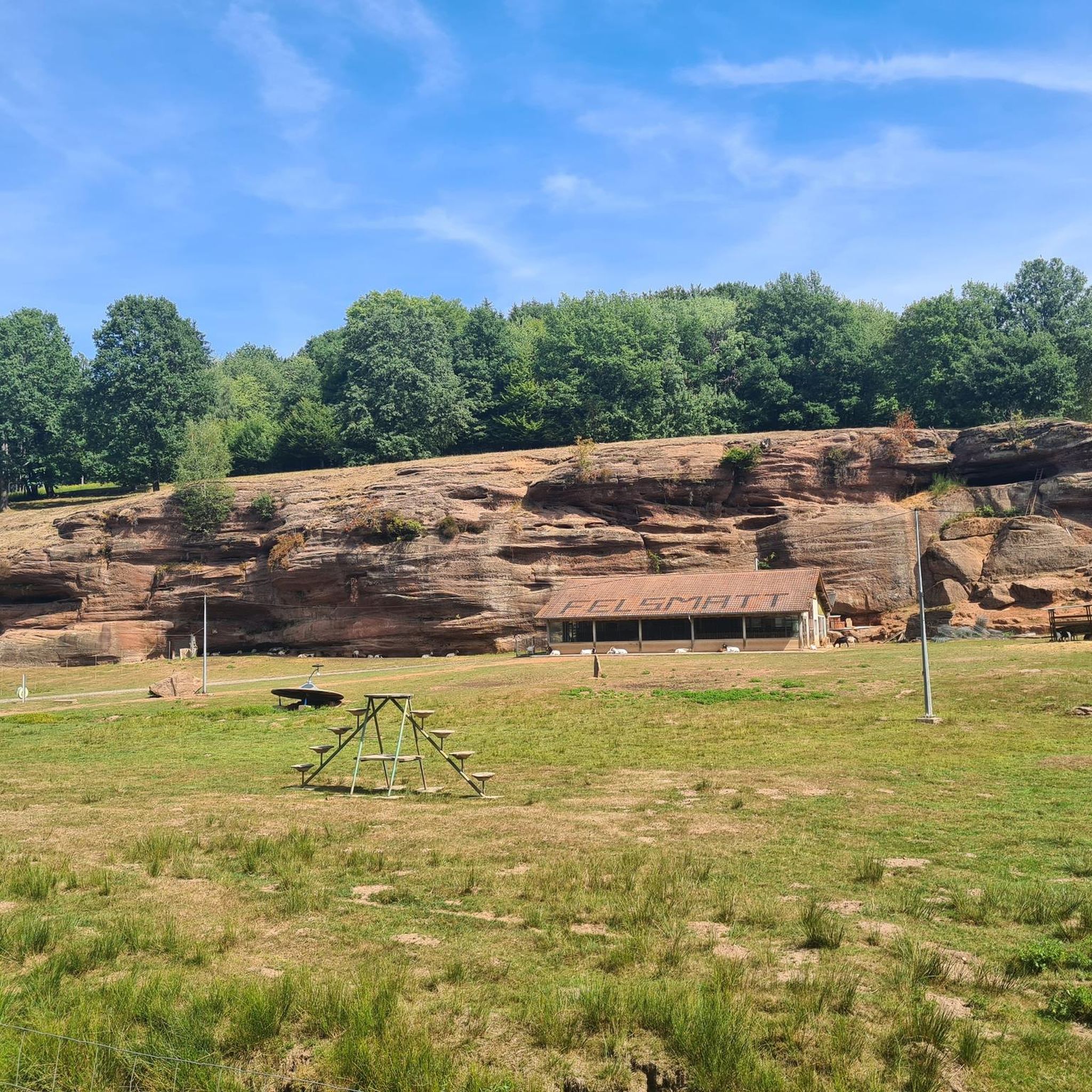
Under the very rock, which forms a rock shelter, lived for a long time the hermit known as "the Falkenfels", from 1895 until his death in 1902. There is no certainty about the origins of Edouard Hinbeer, nicknamed friendly by the population and in the archives the Waldbruder (brother of the forest). A valiant man, he looked after the pigs of the commune of Hellert. The population esteemed him, considered him a holy man and took turns bringing him their midday meals.
0
0

Interesting rock formation with a view. There is a niche lovingly decorated with garden gnomes...
0
0

The Rocher du Chalice, located not far from the Plan Incliné in the charming town of Saint-Louis, is a natural spectacle not to be missed. Nestled in the middle of the forest, this fascinating rock is a living witness to the natural erosion that has shaped the territory over the years. Its particular shape invites visitors to give free rein to their imagination, discovering various shapes, animals, faces and engravings sculpted by natural elements. To discover it, a walk is essential. From the Luge du Plan Incliné car park, follow the yellow dot markings for a distance of 1.2 km towards the Rocher du Chalice. The approach is via a path then a steep path, offering a little adventure before even reaching the rock. And the exploration doesn't stop there. You can extend your hike through several unusual underground passages, then via the Vallée des Éclusiers and Hofmuhl, before returning to the starting point, for a total circuit of 11.4 km.
1
0

Here you can find 2 former rock houses. Also a bench with a table for a picnic. There is an information board in French at the entrance. It's about 15 minutes from the parking lot. We did a little circular walk.
0
0

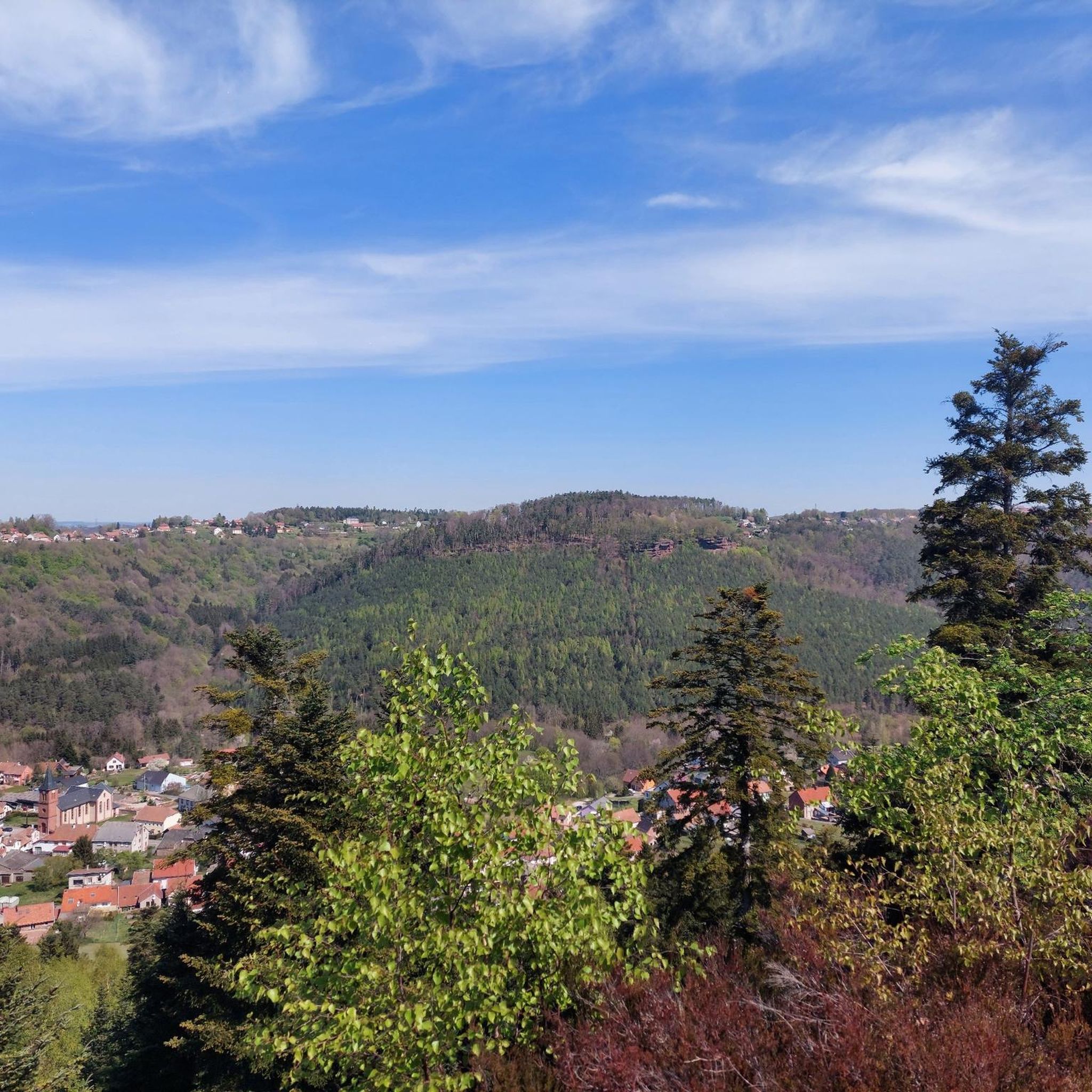
Emerging from the forest, from a height of 664 meters, the pink sandstone rock is a unique site. Places of Celtic worship, the Rock was topped in medieval times by a powerful castle, seat of the legendary county of Dabo. It was destroyed in 1690 on the orders of Louis XIV when the county was annexed to France. The current neo-Romanesque chapel is dedicated to Pope Leo IX, a native of the country. The Rocher de Dabo offers a grandiose view of the vast Vosges forest and the Lorraine plateau. The Rock is visible all year round but access to the platform is regulated during the winter. https://www.visit.alsace/ An observation tower is also integrated into the chapel, from where you can probably admire one of the most beautiful panoramas of the Vosges (weather permitting).
4
0

Carved from the pink sandstone of the Vosges by nature, this magnificent rock formation creates a magical setting. Its summit offers a beautiful view of the surroundings.
1
0
In the country of Dabo, this rock seems to spring from the forest massif to offer a magnificent 360 degree panorama of the surroundings. Between Alsace and Lorraine, it allows you to admire the two regions for miles around. The chapel that culminates at its summit further enhances the landscape.
3
0
Frequently Asked Questions
What are some of the most unique natural monuments around Hochwalsch?
The Hochwalsch region, part of the Vosges, is home to several distinctive natural monuments. You can explore the Brotsch Cave, the largest natural cave in the Northern Vosges, which is also popular with climbers. Another must-see is the Rocher de Dabo and Chapel Saint-Léon IX, a pink sandstone rock offering a magnificent 360-degree panorama of the Vosges forest and the Lorraine plateau. For a glimpse into history, visit the Einsiedlerhütte and Troglodyte Houses of Falkenfelsen, featuring former rock houses and a rock shelter.
Are there natural monuments around Hochwalsch that offer panoramic views?
Yes, several natural monuments provide stunning panoramic views. The Rocher de Dabo and Chapel Saint-Léon IX is renowned for its 360-degree vista over the Vosges forest and the Lorraine plateau. Additionally, the Brotsch Cave area also offers very nice views of the surroundings from its elevated position.
What kind of geological features can I expect to see at these natural monuments?
The natural monuments around Hochwalsch are characterized by the unique geological formations of the Vosges region. You'll encounter impressive rock structures, such as the pink sandstone of the Rocher de Dabo, and natural caves like the Brotsch Cave. The Rocher du Calice is a fascinating example of natural erosion, with its particular shape inviting visitors to imagine various forms sculpted by the elements.
Are there any historical sites among the natural monuments in the Hochwalsch area?
Absolutely. The Einsiedlerhütte and Troglodyte Houses of Falkenfelsen is a significant historical site, featuring former rock houses and a rock shelter where a hermit lived. The Rocher de Dabo and Chapel Saint-Léon IX also has a rich history, having been a place of Celtic worship and the site of a medieval castle before the current neo-Romanesque chapel was built.
What outdoor activities can I do near the natural monuments around Hochwalsch?
The Hochwalsch area offers a variety of outdoor activities. You can find numerous running trails, such as the 'Running loop from Plaine-de-Walsch' or 'Bois de Wackenberg loop from Guntzviller'. For cycling enthusiasts, there are gravel biking routes like the 'Saverne – Viaduct over the canal loop from Sarrebourg' and general cycling tours like 'The Valley of the Lock Keepers – Viaduct over the canal loop from La Guinguette'. You can explore more options on the dedicated guide pages for Running Trails around Hochwalsch, Gravel biking around Hochwalsch, and Cycling around Hochwalsch.
Are there hiking opportunities near these natural monuments?
Yes, hiking is a popular activity around the natural monuments. Many of the monuments themselves, like the Rocher du Calice, are best accessed via walks or hikes. The region offers trails of varying difficulty, often leading through forests and to viewpoints. For specific hiking routes, you can check the related guides for running, gravel biking, and cycling, as many paths are multi-use.
What do visitors enjoy most about the natural monuments in Hochwalsch?
Visitors frequently highlight the impressive views and the unique geological formations. The panoramic vistas from places like the Rocher de Dabo are particularly appreciated. Many also enjoy the sense of discovery when exploring natural caves like Brotsch Cave or historical rock shelters, finding them astonishing and inspiring. The blend of natural beauty and historical context is a major draw.
Are there any family-friendly natural monuments or trails around Hochwalsch?
While specific 'family-friendly' tags aren't always present, many natural monuments can be enjoyed by families. The walk to the Einsiedlerhütte and Troglodyte Houses of Falkenfelsen is described as a relatively short circular walk (about 15 minutes from parking), making it suitable for families. Exploring the unique shapes of the Rocher du Calice can also be an engaging experience for children.
What is the best time to visit the natural monuments in Hochwalsch?
The natural monuments in Hochwalsch can be visited throughout much of the year. Spring and autumn offer pleasant temperatures for hiking and exploring the forested areas. While the Rocher de Dabo is visible all year round, access to its platform may be regulated during winter. Always check local conditions, especially for higher elevations or specific sites, during colder months.
Can I bring my dog to the natural monuments and trails in Hochwalsch?
Generally, dogs are welcome on many trails in the Vosges region, including those leading to natural monuments. However, it's always advisable to keep them on a leash, especially in protected areas or near wildlife. Specific rules might apply to certain sites or indoor areas, so it's best to check local signage. For example, while the natural areas are usually accessible, the chapel at Rocher de Dabo might have restrictions.
Are there any natural monuments that are also popular for climbing?
Yes, the Brotsch Cave is not only a natural monument but also popular with climbers, with evidence of steel eyelets and magnesia residue. The Rocher de la Spille, a 9-meter high rock, also serves as a climbing wall.
Where can I find parking near the natural monuments in Hochwalsch?
Parking is generally available near popular natural monuments. For instance, there is a parking lot mentioned for the Einsiedlerhütte and Troglodyte Houses of Falkenfelsen, from which it's about a 15-minute walk. For the Rocher du Calice, you can start from the Luge du Plan Incliné car park. It's recommended to check specific highlight descriptions or local maps for the most convenient parking options.
Most popular routes around Hochwalsch
Most popular attractions around Hochwalsch

Get inspired with the komoot mobile app


Explore more
Extend your search for the best caves by checking out these guides of the top ones around Hochwalsch:
