Attractions and Places To See around Rodome - Top 20
Best attractions and places to see around Rodome offer a blend of historical significance and access to the natural landscapes of the Pyrenees. This medieval village in the Aude department of France provides a gateway to exploring notable mountain passes and scenic viewpoints. The area is characterized by its historical context, including remnants of a medieval church and an old castle gate, alongside its proximity to the broader Occitanie region's natural and heritage sites. Visitors can discover a variety of…
Last updated: June 23, 2026
Pailhères Pass
Highlight • Mountain Pass
Translated by Google •
Tip by

Pradel Pass
Highlight • Mountain Pass
Translated by Google •
Tip by
Sign up now to discover places like this
Get recommendations on the best single tracks, peaks, & plenty of other exciting outdoor places.
Sign up for free
Mijanès Pastoral Refuge
Highlight • Other
Translated by Google •
Tip by

Col du Garavel (1256 m)
Highlight • Mountain Pass
Translated by Google •
Tip by

Windmill site
Highlight • Other
Translated by Google •
Tip by

Sign up for free to discover even more attractions around Rodome.
Sign up for free
Already have an account?
Start today with a free account
Your next adventure awaits.
Login or Signup
Tips from the Community

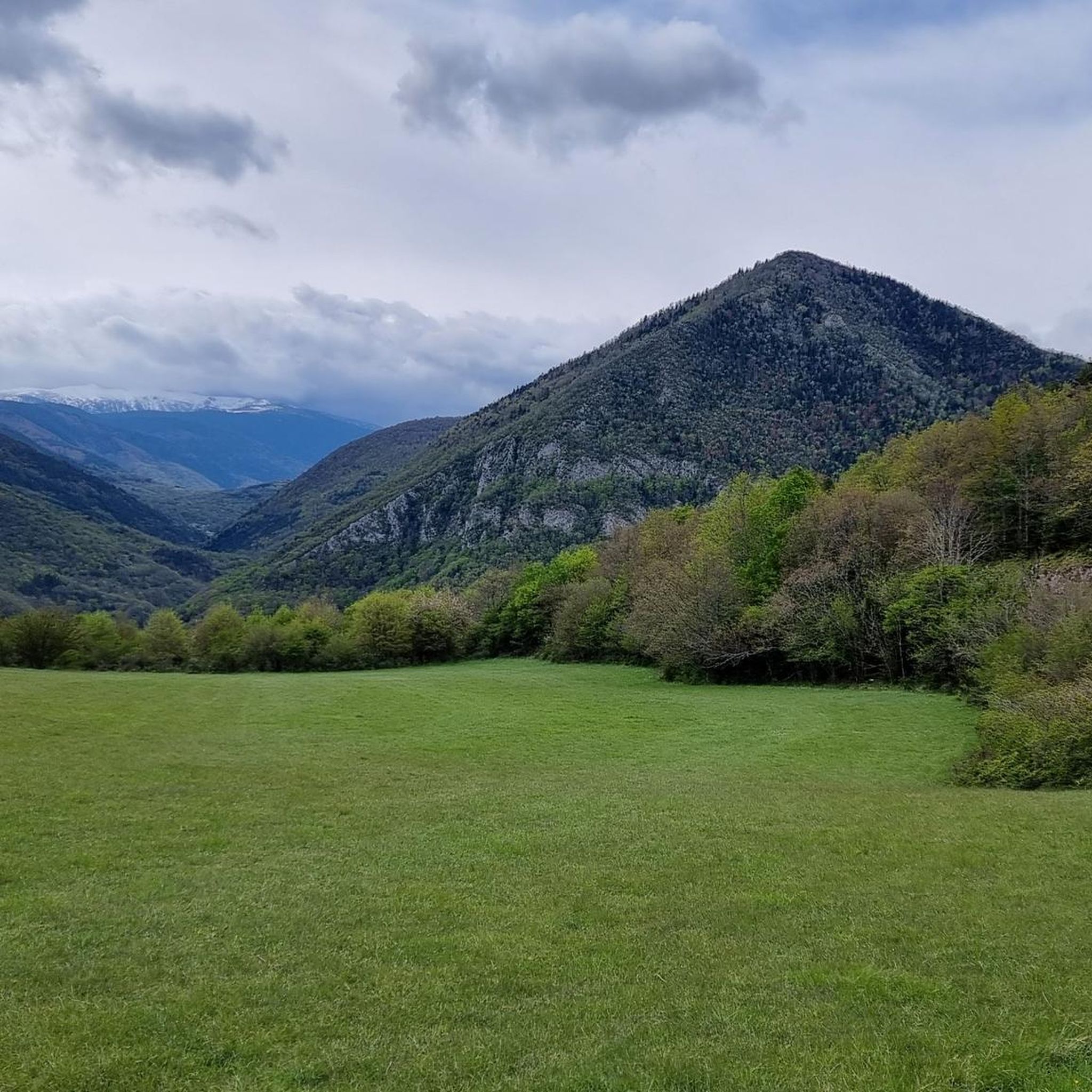
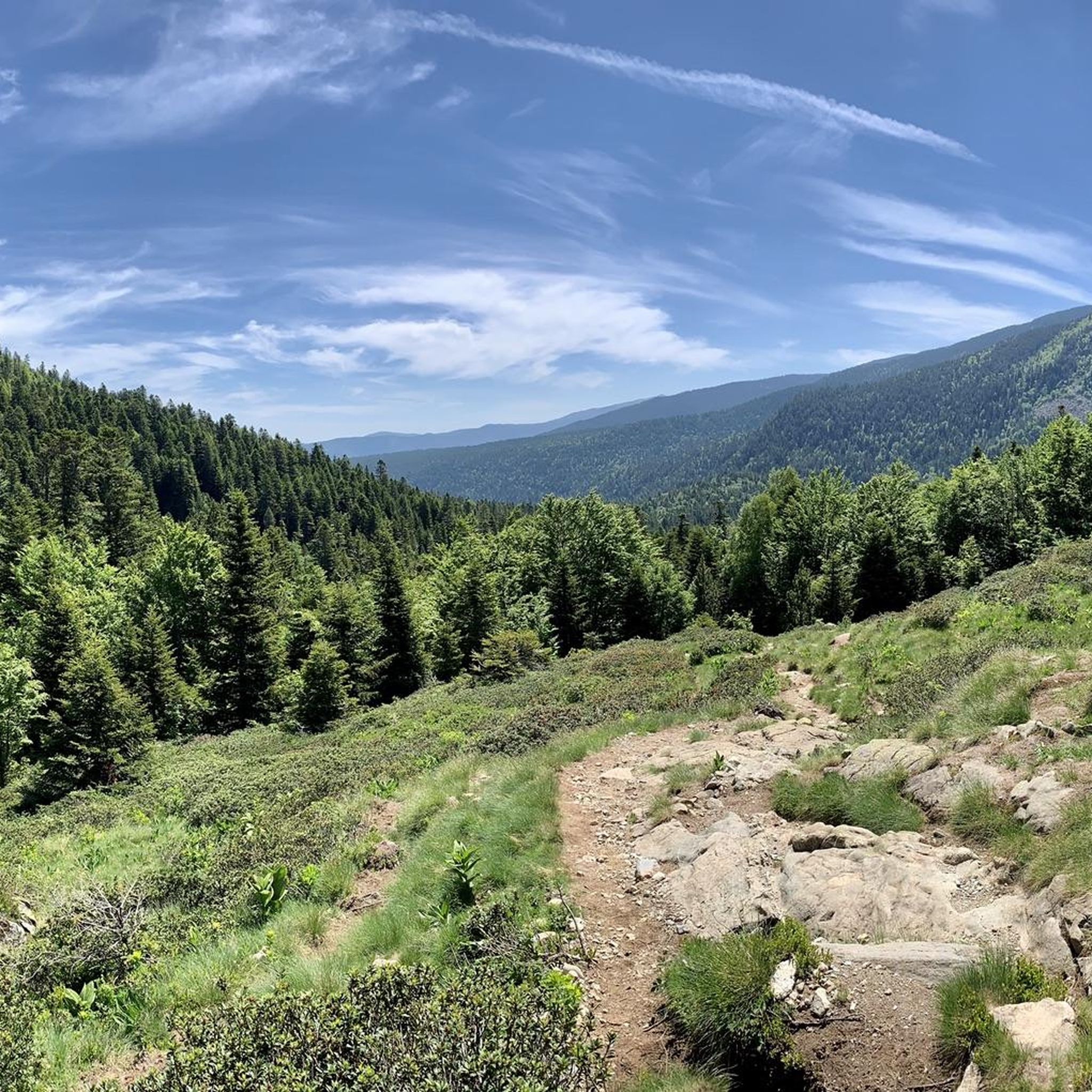
This spot is the same as the parking lot and the building of the Mijanès ski resort. I'll tell you about several interesting points about this place: - During the winter months, when the ski resort is open, there is a bar serving food. I'm mentioning this in case anyone is interested in climbing Port de Pailhères during these months. - This is where the road from Mijanès ends, and it is cleared when there is snow. During the winter months, there is a large barrier that prohibits the passage of cars and motorcycles, but it can be easily crossed by bike. If the barrier is down and you decide to climb by bike, keep in mind that you may encounter sections of the road with real mountains of snow. - From this point on, during the summer months, in addition to enjoying the road and the pass, you will constantly see herds of horses and cows. This is especially notable on sunny days in June and July.
0
0


From Axat, it's a long climb, 18km. It's quite beautiful down in the gorges, then a few kilometers of fairly monotonous woods. Arriving on the plateau, it clears up but it's rural. The impressive view is worth it when you reach the pass. Going down there must be a blast, the tarmac is good, it's quite wide and there's little traffic. I went down via Escouloubre: the tarmac is bad, gravel, but the forest is enchanting! Why not go the other way, then, up via Escouloubre and down via Bousquet / Roquefort etc.?
1
0

One of the best experiences on my entire tour. I have this picture with the view of the mountains as my screen background. The roads are still closed, the snow is piled up meters high on the sides and at the same time there is not a single car on the road. Simply fantastic
1
0

What more could you want, good road, decent, long climb
0
0
Col del Pradel is the brother (smaller or bigger) of the Col de Pailhères given its proximity. They are twinned because it is inevitable to climb one without passing the other. Once you move to the area to upload one, you also take the opportunity to upload the other. Col de Pradel is one of the ports that I like. Very narrow gravel road (old fashioned), with tree-lined sections and open sections with good views. A port that seems like you don't know where it takes you, and that is part of its charm. It is a tough port on both sides, although they are very different. I leave you its altimetry prepared by @cyclingcols --> http://www.cyclingcols.com/col/Pradel Col de Pradel does not disappoint any cyclist!
0
1

The Col du Pradel culminates at 1,673 meters above sea level. The climb from Ax-les-Thermes is 14.4 kilometers long at an average of 6.6% with passages at more than 11%.
0
0
The Col de Pailhères, or Port de Pailhères, is one of the emblematic passes of the Pyrenees and the Tour de France. Culminating at 2,001 meters above sea level, it is one of the few passes in the Pyrenees to exceed the symbolic bar of 2,000 meters. The climb from Mijanès is 10.6 kilometers long with an average of 8.2%, including some passages at more than 10%. It is also possible to climb from Ax-les-Thermes by means of a climb of 18.6 kilometers with an average of 6.9%.
4
0
Frequently Asked Questions
What historical sites can I explore in Rodome?
Rodome is a medieval village with a rich history. You can discover the vestiges of a medieval church near the cemetery and the old gate of Rodome Castle, which are tangible links to its ancient past. The village church, now dedicated to St. Jean, houses the oldest altarpiece in the Pays de Sault, dating back to 1666. Rodome also played a role in the 17th century as a stop on the famous 'Route Vauban'.
Are there any notable mountain passes to visit near Rodome?
Yes, the area around Rodome is renowned for its mountain passes. The most popular is Pailhères Pass, an emblematic Pyrenean pass culminating at 2,001 meters, known for its challenging climbs and scenic serpentines. Another significant pass is Pradel Pass, reaching 1,673 meters, which offers wonderful views, especially from its upper sections. You can also explore Col du Garavel (1256 m), an intermediate pass offering secluded nature and impressive vistas towards Col de Pailhères.
What kind of outdoor activities can I do around Rodome?
The region around Rodome is ideal for various outdoor activities, particularly hiking and cycling. For hiking, you can find routes like the 'Pic du Midi de Roquefeuil – Pic de sarasi pays de sault loop' or the 'View of Étang Bleu – Pic de Tarbesou loop'. Cyclists can enjoy challenging routes such as the 'Col des Sept Frères – Lake Belcaire loop' or the 'Pailhères Pass – Mijanès loop'. You can find more details on these and other routes in the Hiking around Rodome, Cycling around Rodome, and Road Cycling Routes around Rodome guides.
Are there any unique natural or cultural sites beyond the mountain passes?
Yes, beyond the mountain passes, you can visit the Windmill site near Puivert Castle. This area features ruins of medieval windmills and is part of a 'Land of Legends' with natural wonders like 'The Squid Oak' and 'The Great Rock Labyrinth'. Additionally, the broader Occitanie region offers access to natural beauties like the Gorges de la Pierre-Lys and the intermittent spring of Fontestorbes.
What are the hamlets associated with Rodome?
The village of Rodome includes two charming hamlets: Munès and Caillens. These hamlets contribute to the local character and offer a glimpse into the traditional rural life of the region.
What do visitors particularly enjoy about the attractions near Rodome?
Visitors appreciate the challenging climbs and scenic beauty of the mountain passes, especially Pailhères Pass, which is often compared to iconic Alpine passes. The secluded nature and impressive views from passes like Col du Garavel are also highly valued. Many enjoy the quiet roads with little traffic, making them perfect for cycling, and the presence of herds of horses and cows in areas like the Mijanès Pastoral Refuge adds to the natural charm.
Are there any facilities or services available at the mountain passes?
At the Mijanès Pastoral Refuge, which is near the start of the climb to Pailhères Pass, there is a ski resort building. During the winter months when the ski resort is open, a bar serving food is available. In summer, this area is known for its herds of horses and cows.
What are some other historical fortifications or towns near Rodome?
Beyond Rodome itself, the region offers significant historical fortifications. You can visit the Mont-Louis citadel and Villefranche-de-Conflent, both featuring impressive Vauban fortifications. These sites provide further insight into the historical defense strategies of the area.
What is the difficulty level of hiking trails around Rodome?
The hiking trails around Rodome vary in difficulty, ranging from moderate to difficult. For example, the 'Pic du Midi de Roquefeuil loop from Espezel' is moderate, while the 'View of Étang Bleu – Pic de Tarbesou loop from Station de Mijanès' is considered difficult. It's advisable to check the specific route details for elevation and terrain before setting out. More information can be found in the Hiking around Rodome guide.
Can I find challenging cycling routes near Rodome?
Absolutely. Rodome is an excellent base for challenging cycling. Many routes feature significant climbs and distances, such as the 'Col du Chioula – Col de Marmare (1361 m) loop' or the 'Lake Matemale – Mijanès loop'. These routes are generally rated as difficult, offering a rewarding experience for experienced cyclists. Consult the Cycling around Rodome and Road Cycling Routes around Rodome guides for detailed information.
What are the main geographical features of the Rodome area?
The Rodome area is characterized by its location in the Aude department, with a strong connection to the Pyrenees. It features numerous mountain passes, high-altitude viewpoints, and challenging climbs. The landscape transitions from medieval village settings to natural areas with forests and open plateaus, especially as you ascend towards the higher passes.
Most popular attractions around Rodome

Get inspired with the komoot mobile app


Explore more
Still not found the Highlight you’re looking for? See guides of the top attractions in other regions:
