Attractions and Places To See around Baigts-De-Béarn - Top 15
Best attractions and places to see around Baigts-De-Béarn. This commune in Nouvelle-Aquitaine, France, serves as a base for exploring the Béarn region, characterized by its rolling countryside, rivers, and forests. The area features a mix of historical sites, religious buildings, and natural landscapes, including the Gave de Pau river. It offers opportunities for outdoor activities like walking and cycling, alongside cultural exploration of nearby medieval towns.
Best attractions and places to see around Baigts-De-Béarn
- The most popular attraction is Salies‑de‑Béarn Greenway, a cycle way that is an old railway line rehabilitated as a greenway. It offers a pleasant route, especially for entering Salies-de-Béarn.
- Another must-see spot is Pont Vieux of Orthez, a 13th-century stone bridge. This landmark features a defense tower and provides views of the river in Orthez, the former capital of Béarn.
- Visitors also love Moncade Castle - Orthez, an old defense tower from the Middle Ages. The remains of the moat are an architectural example of fortifications from that period.
- Baigts-De-Béarn is known for historical sites, natural landscapes, and cultural attractions. The area offers a variety of experiences, from medieval towns to greenways and religious buildings.
- The attractions around Baigts-De-Béarn are appreciated by the komoot community, with over 45 photos and more than 48 upvotes.
Last updated: June 23, 2026
Tunnel
Highlight (Segment) • Other
Translated by Google •
Tip by

Saint Peter's Church
Highlight • Religious Site
Peter and Paul are also known as the “Princes of the Apostles”; their common feast day in the saints’ calendar is June 29th.
Translated by Google •
Tip by

Sign up now to discover places like this
Get recommendations on the best single tracks, peaks, & plenty of other exciting outdoor places.
Sign up for free
Moncade Castle - Orthez
Highlight • Other
Translated by Google •
Tip by

Pomarez Arenas
Highlight • Structure
These arenas helped give Pomarez its nickname “Mecca of Landes racing”.
Translated by Google •
Tip by

Salies‑de‑Béarn Greenway
Highlight (Segment) • Cycleway
Translated by Google •
Tip by

Sign up for free to discover even more attractions around Baigts-De-Béarn.
Sign up for free
Already have an account?
Start today with a free account
Your next adventure awaits.
Login or Signup

Tips from the Community

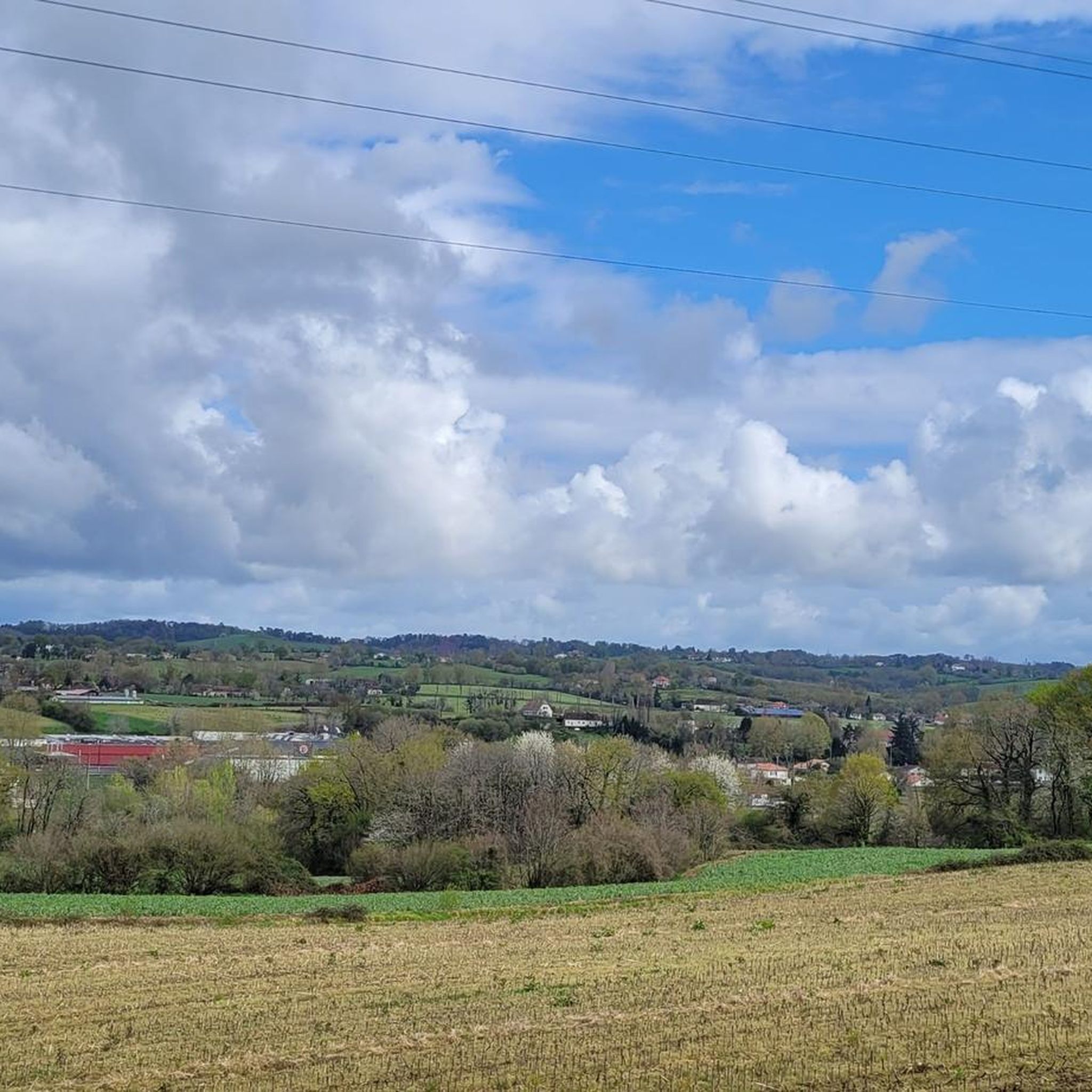
Chateau built by Gaston VIl Moncade from 1242 to 1262, protected by 3 lines of fortifications, and a "V"-shaped masonry moat. The main building protected the entrance to the keep. The ground floor, a pentagonal keep, without a door, served as a prison; on the first floor was the guardroom. This Castle was redeveloped by Gaston Febus in the 14th century. It was burned during the Wars of Religion, in 1569, and sold, at the Revolution, to demolition contractors who dismantled it. Remains restored in 1845.
0
0

## The tunnel The tunnel, located between the Puyoô and Salies-de-Béarn stations, is one of the significant structures on line n° 662.000 connecting Puyoô to Mauléon. It is a single-track tunnel 848.5 m long and 5.00 m wide between the abutments. The height under the crown is 6.00 m. It is a multi-radius arch. The structure is generally oriented North-South, with a curve of R400 m for the first 250 meters on the North side, then a straight section to the South end. The longitudinal profile has a constant gradient of 0.01 m/m from the North. A central aqueduct equips the structure along its entire route. The maximum cover is 49 m. The tunnel is built in the Campanian flysch (Upper Cretaceous). The construction of the tunnel (1879-1883) was carried out from two headings via shafts approximately 35 m deep, located at PM219 and PM632. The shafts were retained as ventilation shafts. The masonry thicknesses (limestone rubble set in lime mortar) vary from 0.50 m to 1.20 m. The length of the tunnel, initially projected at 400 m, was increased to 787 m following the decision to lower the profile (from 20‰ to 16‰). During construction, ground instabilities encountered during the excavation of access trenches led to a further extension of the structure, which finally reached a length of 848.5 m. Numerous ground instabilities (landslides) caused significant delays in the progress of the work. The tunnel was electrified in 1930 and the overhead line equipment was removed in 1971.
0
0


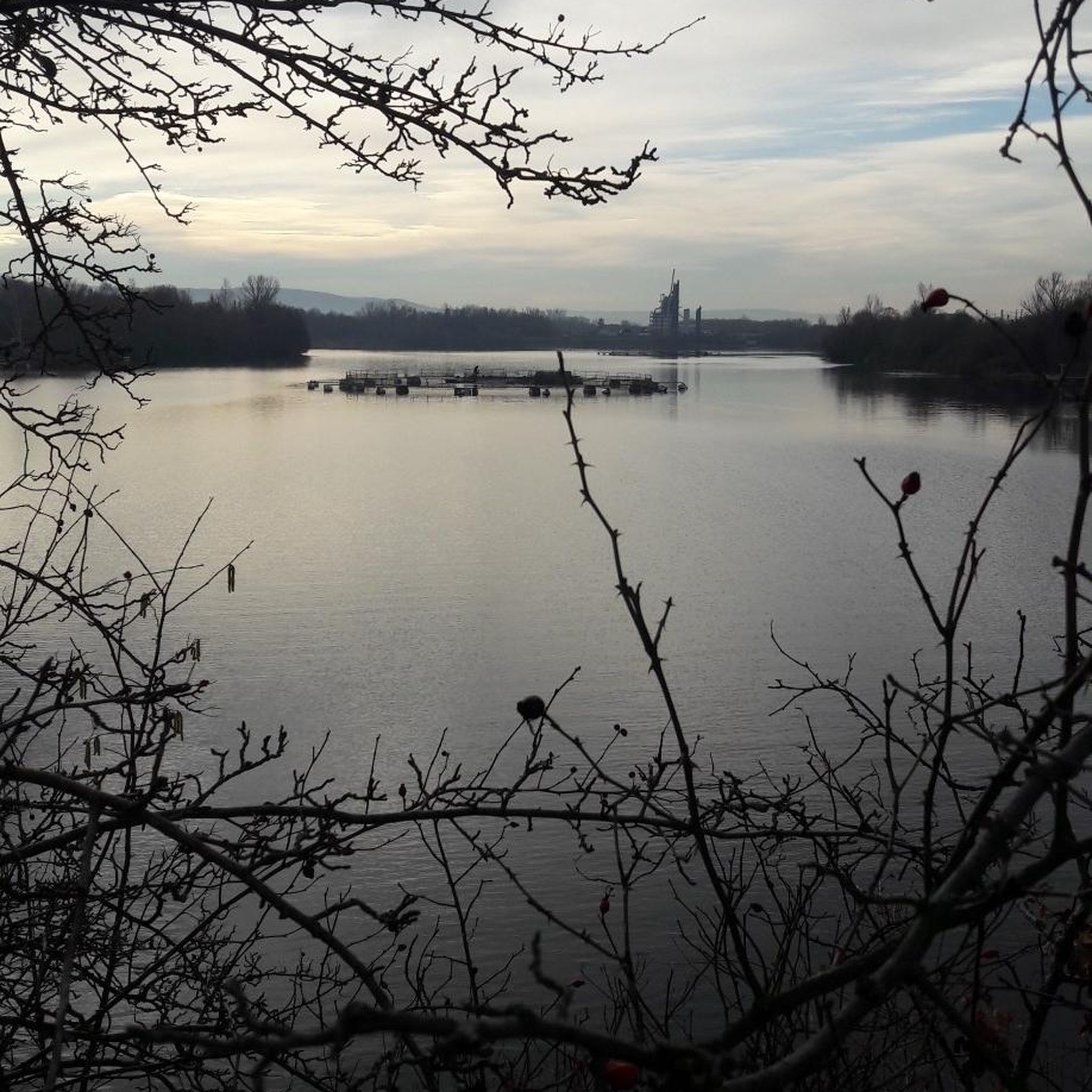
A really beautiful cycle path on an old railway line. It is completely asphalted and is therefore a wonderful ride and there are one or two bridge highlights to admire along the way.
2
0

Fully covered arenas, various shows and concerts are also organized there throughout the year: https://www.arenesdepomarez.fr
2
0

A really very beautiful and well-restored church 👍🏽 Well worth seeing 🤩
0
0

Built in cement in 1931 and covered in 1958, the Pomarez arenas are among the first completely covered in France. They host around fifteen bullfighting events each year, mainly Landes races, in addition to regular training from the Pomarez bullfighting school, the only one to teach this typically Landes game. The Pentecost races, those on the 1st Sunday of August and those on August 15 are benchmarks in the Landes bullfighting season. These arenas helped give Pomarez its nickname “Mecca of Landes racing”.
3
1

Frequently Asked Questions
What historical sites can I explore around Baigts-de-Béarn?
The region is rich in history. You can visit the 13th-century Pont Vieux of Orthez, a stone bridge with a defense tower, or the remains of Moncade Castle - Orthez, an old defense tower from the Middle Ages. Other notable historical towns include Salies-de-Béarn with its 17th-century buildings, Sauveterre-de-Béarn featuring the Pont de la Légende, and Navarrenx, France's first bastioned city with 16th-century ramparts.
Are there any unique religious buildings to see in Baigts-de-Béarn?
Yes, within Baigts-de-Béarn itself, you can visit Saint Peter's Church, dedicated to Saint Peter. Additionally, the Protestant Temple of Baigts-de-Béarn is notable for its unique Swiss-type architecture, a rarity in southwestern France, and its history tied to the region's religious wars.
What outdoor activities are available near Baigts-de-Béarn?
The area offers various outdoor activities. You can enjoy cycling or walking along the Salies‑de‑Béarn Greenway, an old railway line converted into a pleasant path. For more extensive routes, consider exploring the hiking, running, or mountain biking trails detailed in the guides for Hiking around Baigts-De-Béarn, Running Trails around Baigts-De-Béarn, and MTB Trails around Baigts-De-Béarn.
What natural features can I explore in the Baigts-de-Béarn area?
The commune is characterized by its rural landscape, including farmland and scattered forests. The Gave de Pau river forms its southern border, with numerous streams flowing into it. The wider Cœur de Béarn region offers verdant rolling countryside, rivers, and forests, providing a scenic backdrop for outdoor pursuits.
Are there any family-friendly attractions or activities nearby?
Yes, the Base de Loisirs d'Orthez-Biron offers a leisure center with a supervised sandy beach and playground, providing a great option for families. The Salies‑de‑Béarn Greenway is also suitable for family walks or bike rides.
What are some unique cultural experiences in the region?
Salies-de-Béarn, known as 'the Venice of Béarn,' offers unique saltwater springs and a Museum of Salt and Bearnaise Traditions. You can also experience the local markets in towns like Orthez (Tuesdays), Salies-de-Béarn (Thursdays), and Navarrenx (Wednesdays).
Where can I find information about local markets?
Local markets are a great way to experience the region. Orthez hosts a market on Tuesdays, Salies-de-Béarn has one on Thursdays, and Navarrenx features a market on Wednesdays. These markets offer local produce and goods.
What is Salies-de-Béarn known for?
Salies-de-Béarn, approximately 8 km from Baigts-de-Béarn, is often called 'the Venice of Béarn' due to its many streams and unique saltwater springs. It's also known for its 17th-century buildings, thermal baths, and the Museum of Salt and Bearnaise Traditions.
Can I visit any castles or old towers in the vicinity?
Absolutely. Besides Moncade Castle - Orthez, which is an old defense tower, you can also find a castle in the pretty village of Laas, about 15 km south. Sauveterre-de-Béarn features the Monréal Tower, offering impressive views.
Are there any notable gardens to visit near Baigts-de-Béarn?
Yes, for those interested in gardens, Parc du Sarrat (28km), Jardin du château de Momas (33km), and Jardins du château de Viven (38km) are all within a reasonable distance for a day trip and offer remarkable horticultural experiences.
What is the significance of the Pomarez Arenas?
The Pomarez Arenas, built in 1931 and covered in 1958, are among the first fully covered arenas in France. They host numerous bullfighting events, primarily Landes races, and are considered the 'Mecca of Landes racing.' They also organize various shows and concerts throughout the year.
What is the best way to explore the scenic countryside around Baigts-de-Béarn?
The verdant rolling countryside, rivers, and forests of the Cœur de Béarn region are ideal for exploration by walking or cycling. The Salies‑de‑Béarn Greenway offers a particularly pleasant route for both activities.
Most popular routes around Baigts-De-Béarn

Get inspired with the komoot mobile app


Explore more
Still not found the Highlight you’re looking for? See guides of the top attractions in other regions:
