Attractions and Places To See around Montignargues - Top 20
Best attractions and places to see around Montignargues include a mix of historical sites, natural features, and viewpoints. This village in the Gard department of France serves as a base for exploring both local points of interest and significant regional landmarks. The area features ancient Roman structures, distinctive dry-stone shelters, and natural sites like ochre formations and river views. Its proximity to cities like Nîmes and Uzès offers access to well-preserved historical monuments.
Best attractions and places to see around…
Last updated: June 24, 2026
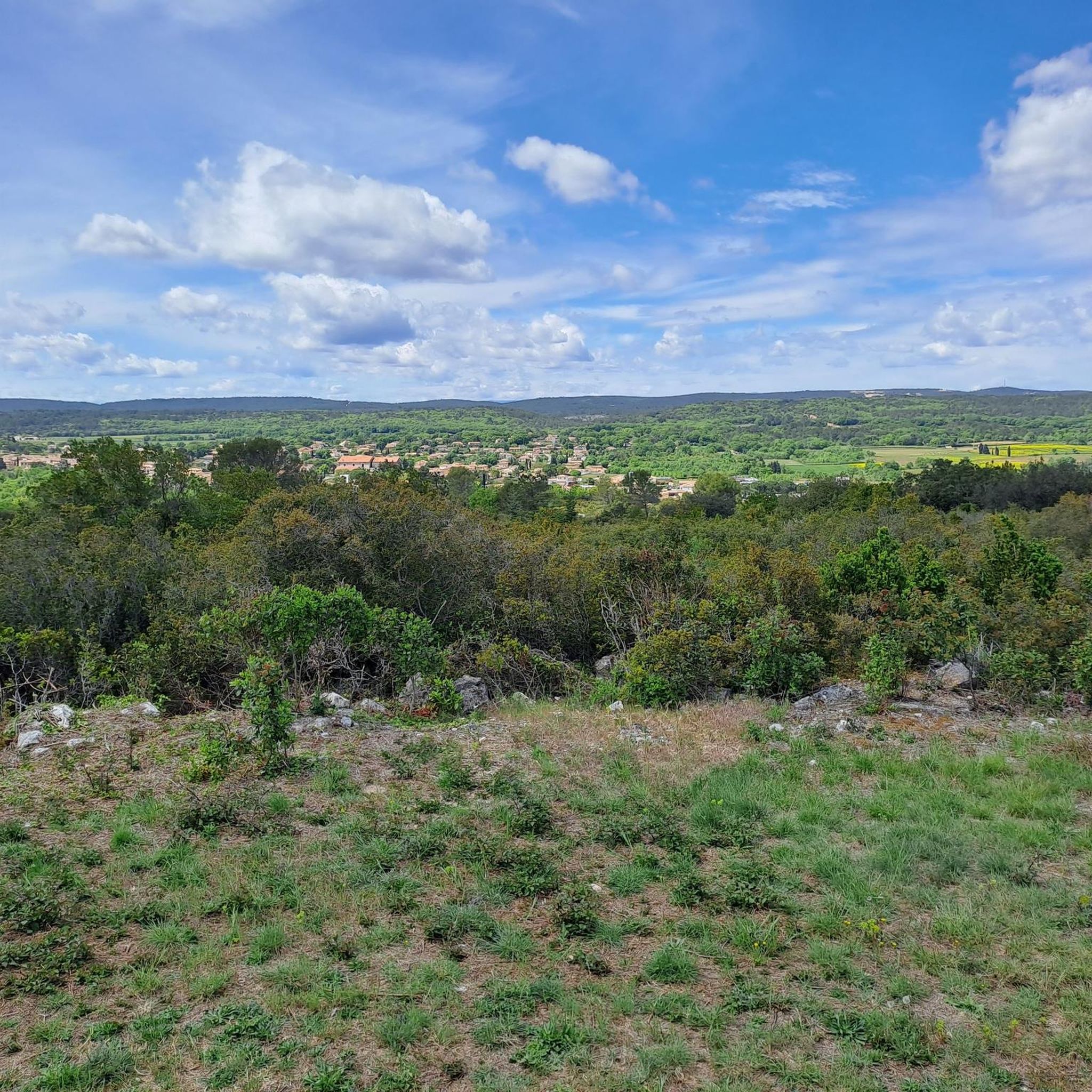
Le Castellas – View over the Gardon
Highlight • Viewpoint
Translated by Google •
Tip by

Ancient Roman Quarry
Highlight • Historical Site
Tip by

Sign up now to discover places like this
Get recommendations on the best single tracks, peaks, & plenty of other exciting outdoor places.
Sign up for free
The Large Solitary Capitelle (Clos de Gaillard)
Highlight • Historical Site
Translated by Google •
Tip by
Baume-Latrone Cave
Highlight • Cave
Translated by Google •
Tip by
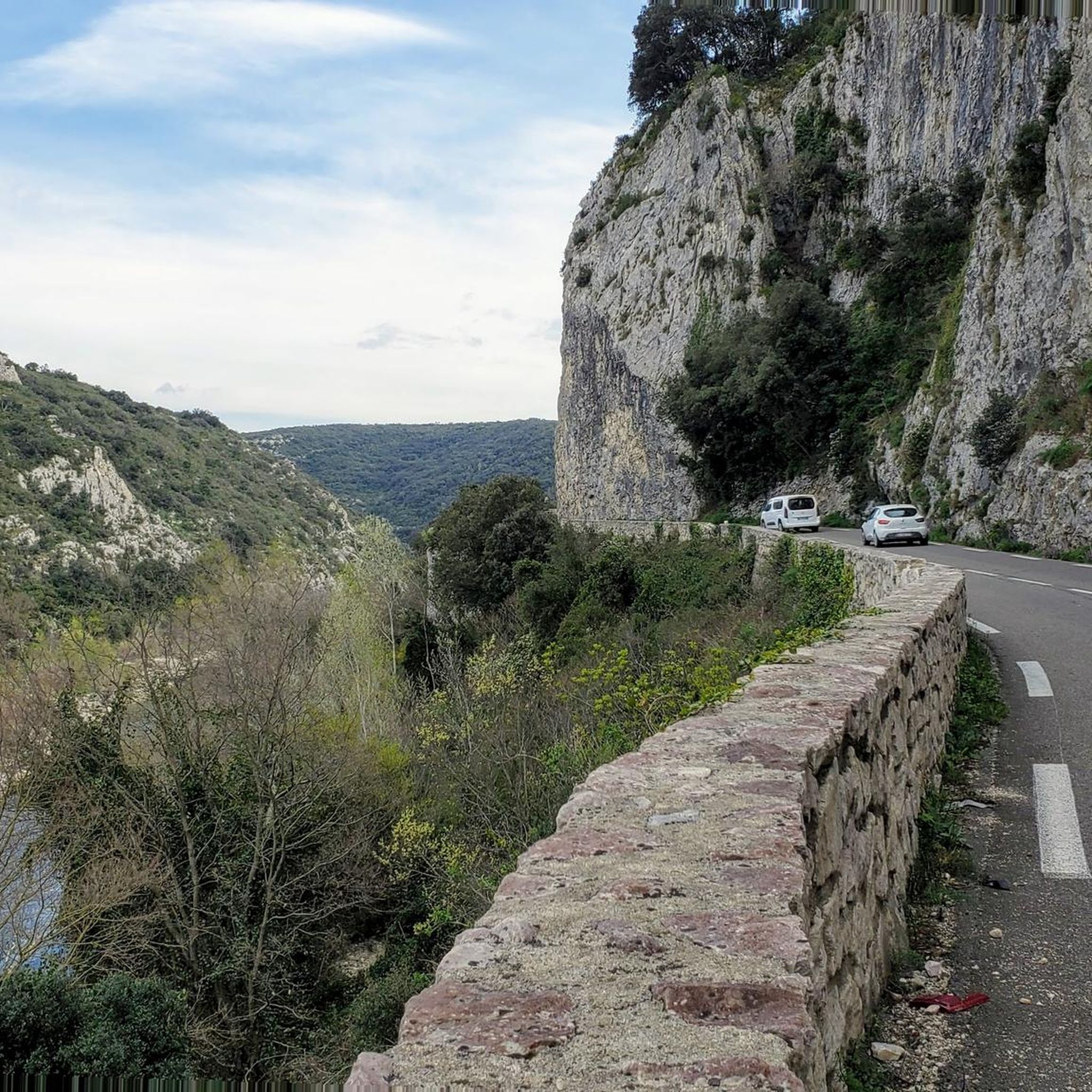
Scenic Route Along Cassagnoles
Highlight (Segment) • Cycleway
Belle itinéraire ci-dessous Cassagnoles, asphalte beau paysage peu de trafic
Translated by Google •
Tip by

Sign up for free to discover even more attractions around Montignargues.
Sign up for free
Already have an account?
Start today with a free account
Your next adventure awaits.
Login or Signup

Tips from the Community

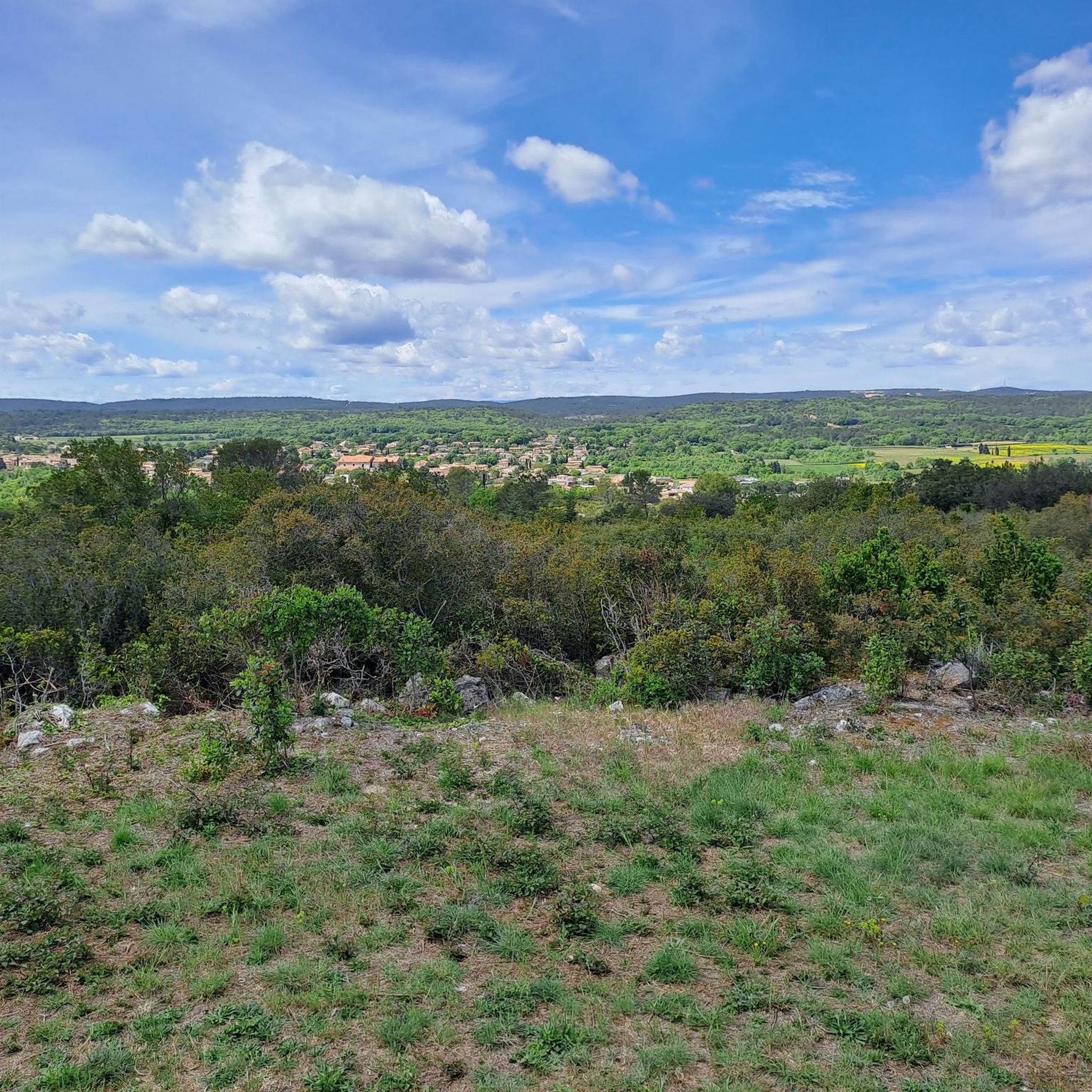
Beautiful viewpoint over the meanders of the Gardon below
0
0
Superb view of the meandering Gardon River below. The small adjoining cave provides shelter if needed, but access is a bit tricky.
0
0
Very pretty capitelle, I learned that the word comes from hat in Occitan, for their often pointed roof
0
0
Lens limestone was primarily reserved for intricately decorated works, as its composition allows for fine and in-depth work. It was shipped to Arles or Beaucaire before being exported to construction sites all around the Mediterranean. But in Nîmes, it was of course used for all the ornamentation of the arenas, the Maison Carrée, and the Temple of Diana. https://echosdeleinsgardonnenque.fr/en-visite-aux-carrieres-romaines/
0
0

Stunning and sporty
0
0

Historical relic.
0
0

To do during the beautiful off-season days. In summer, access is regulated according to the level of forest fire risk.
0
0

Magnificent Roman quarry, difficult to access but worth the effort. We can see the cutting of certain stone blocks as well as elements sculpted on site (pillars) that have not been moved.
0
0
Frequently Asked Questions
What historical sites can I explore around Montignargues?
The region around Montignargues is rich in history. You can visit the Ancient Roman Quarry, which offers insight into Roman-era construction techniques. Another unique historical site is The Large Solitary Capitelle (Clos de Gaillard), a dry-stone shelter typical of the region. Further afield, the city of Nîmes, about 16-17 km away, boasts well-preserved Roman monuments like the Amphitheatre and Maison Carrée. The UNESCO World Heritage site of Pont du Gard, an ancient Roman aqueduct, is also within reach.
Are there any natural viewpoints or scenic spots near Montignargues?
Yes, you can find several scenic spots. Le Castellas – View over the Gardon offers a magnificent and picturesque belvedere over the Gardon river. Another natural highlight is the Ochres of Fougeras, a beautiful natural site historically exploited for ochre, not far from Nîmes.
What kind of outdoor activities can I do near Montignargues?
The area around Montignargues is excellent for various outdoor activities. You can explore numerous routes for gravel biking, cycling, and mountain biking. For example, there are moderate to difficult gravel biking routes like the 'Parignargues Church – Tolle Gravelstrecke!' loop. Cyclists can enjoy routes such as the 'Magne Tower – Tour Magne Ascent' loop. Mountain bikers have options like the 'Sunset! 🌅 – Bragassargue Cave' loop. You can find more details on these activities in the Gravel biking around Montignargues, Cycling around Montignargues, and MTB Trails around Montignargues guides.
Are there any family-friendly attractions or activities in the Montignargues area?
While specific family-friendly trails are not detailed, the Large Solitary Capitelle (Clos de Gaillard) is noted as family-friendly and offers an interesting historical insight. Exploring the village of Montignargues itself, with its restored bread oven and wells, can be a gentle activity for families. The wider region offers natural sites like the Ochres of Fougeras which can be enjoyed by families.
What are some unique natural features to discover near Montignargues?
Beyond the viewpoints, the region features several impressive natural caves. The Baume-Latrone Cave, located on the heights of the Gardon, is a prehistoric site known for ancient animal representations. Other significant caves in the vicinity include the Grotte des Demoiselles, Grotte de la Cocaliere, and Grotte de Saint-Marcel, offering opportunities for exploration.
What is the best time of year to visit Montignargues for exploring attractions?
The best time to visit Montignargues for exploring attractions and outdoor activities is generally during the beautiful off-season days, such as spring and autumn. During summer, access to some natural sites like Le Castellas may be regulated due to forest fire risk. Mild temperatures in spring and autumn make it ideal for walking, cycling, and visiting historical sites comfortably.
Can I find any ancient Roman heritage close to Montignargues?
Absolutely. Montignargues is ideally located for exploring Roman heritage. Besides the local Ancient Roman Quarry, the city of Nîmes (about 16-17 km away) is a major hub for Roman history, featuring the impressive Amphitheatre, Maison Carrée, and the Tour Magne. The iconic Pont du Gard, a UNESCO World Heritage Roman aqueduct, is also a must-see, located approximately 27 km from the village.
Are there any charming medieval towns to visit near Montignargues?
Yes, the medieval town of Uzès is approximately 20 km from Montignargues and offers a charming center with historical sites like the Cathedral Saint-Théodorit and Fenestrelle Tower, as well as a medieval garden. Vézénobres, about 14 km away, is another delightful and often overlooked small village worth exploring for its historical character.
What are some of the local points of interest within Montignargues village itself?
Within Montignargues, you can discover several local points of interest that reflect its history and traditional life. These include the Village Fountain (Le Griffe), a repurposed Protestant Temple now serving as a community center, an 11th-century church transformed into a dwelling, a restored old bread oven, and numerous historical village wells.
What do visitors particularly enjoy about the attractions around Montignargues?
Visitors appreciate the diverse range of attractions, from ancient Roman heritage to unique dry-stone structures. The Le Castellas – View over the Gardon is highly praised for its magnificent and photogenic belvedere. The Ancient Roman Quarry is noted for its visible stone cutting and sculpted elements, offering a tangible connection to the past, despite being challenging to access. The Large Solitary Capitelle is valued as a historical relic and a very pretty example of regional dry-stone architecture.
Are there any specific hiking trails recommended near Montignargues?
While specific hiking trails are not detailed in the highlights, the region offers various routes suitable for walking and exploring. Many of the cycling and mountain biking routes can also be adapted for hiking, especially those leading to natural viewpoints or historical sites. For example, the area around Le Castellas and the Ochres of Fougeras provides scenic walking opportunities. You can find more detailed routes in the MTB Trails around Montignargues guide, which often includes paths suitable for hiking.
What are the options for exploring caves near Montignargues?
The area around Montignargues is home to several fascinating caves. The Baume-Latrone Cave is a prehistoric site on the heights of the Gardon, known for ancient animal representations. Further away, you can visit the Grotte des Demoiselles (approx. 36 km), Grotte de la Cocaliere (approx. 41 km), and Grotte de Saint-Marcel (approx. 52 km), all offering unique underground experiences.
Most popular routes around Montignargues
Most popular attractions around Montignargues

Get inspired with the komoot mobile app


Explore more
Still not found the Highlight you’re looking for? See guides of the top attractions in other regions:
