Attractions and Places To See around Saint-Cirq - Top 20
Best attractions and places to see around Saint-Cirq include a variety of historical sites, natural monuments, and cultural points of interest. This region, characterized by its dramatic limestone cliffs and the Lot River, offers a rich blend of history and natural beauty. Visitors can explore ancient settlements, impressive rock formations, and significant prehistoric sites. The area provides opportunities to discover both man-made heritage and the unique geological landscape.
Best attractions and places to see around Saint-Cirq
- The most popular attractions…
Last updated: August 26, 2026
La Roque Saint-Christophe
Highlight • Historical Site
Translated by Google •
Tip by

Les Eyzies-de-Tayac
Highlight • Historical Site
Translated by Google •
Tip by
Sign up now to discover places like this
Get recommendations on the best single tracks, peaks, & plenty of other exciting outdoor places.
Sign up for free
Le Port de Limeuil Campsite
Highlight • Mountain Hut
Translated by Google •
Tip by

Abri de La Madeleine
Highlight • Cave
Translated by Google •
Tip by

Le Bournat Open-Air Museum
Highlight • Historical Site
Translated by Google •
Tip by

Sign up for free to discover even more attractions around Saint-Cirq.
Sign up for free
Already have an account?
Start today with a free account
Your next adventure awaits.
Login or Signup

Tips from the Community

This museum is certainly interesting, unfortunately we didn't have enough time
0
0
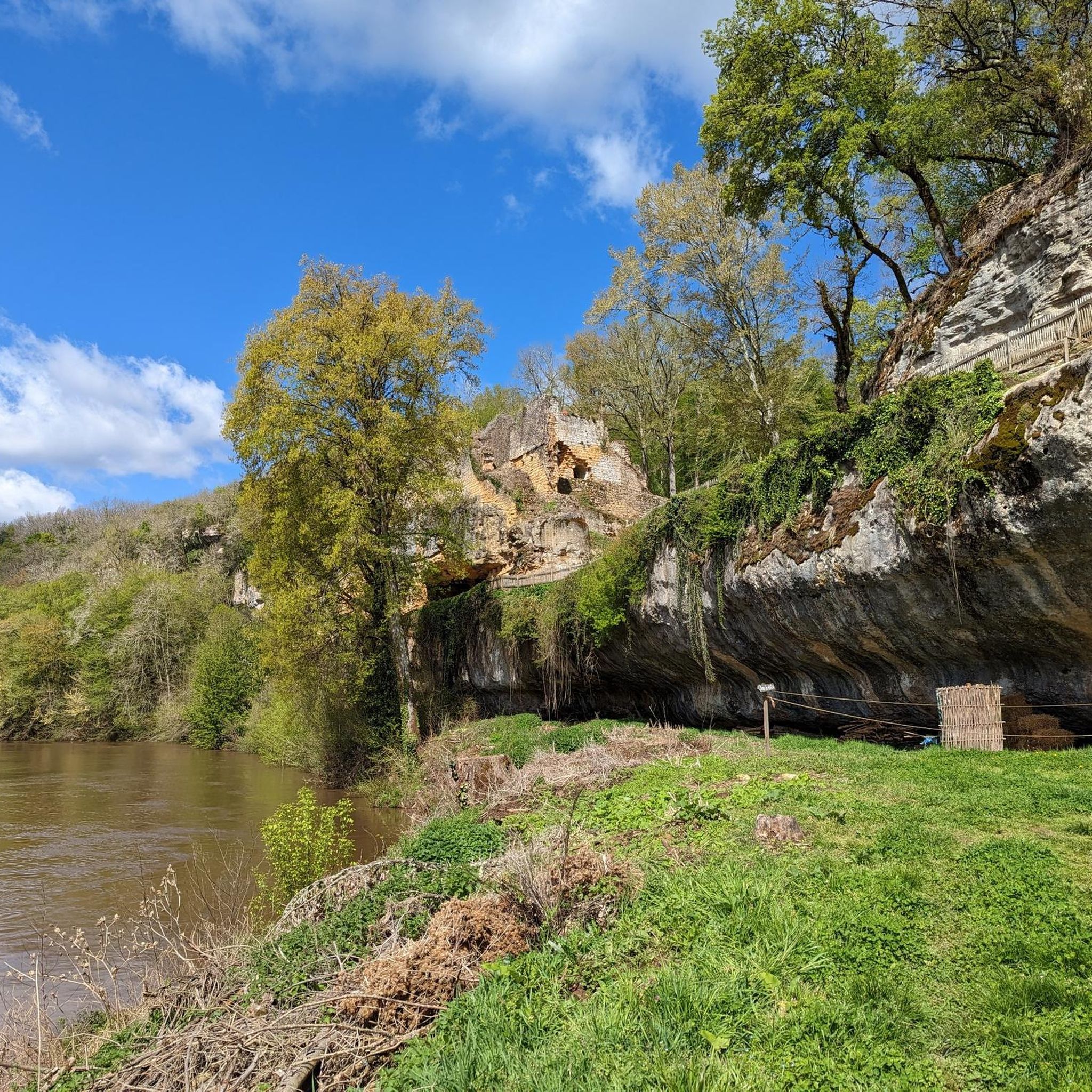
Impressive are the dwellings in the rocks and the houses from the rocks
0
0

Here we have the situation – previously completely unknown to me and therefore surprising – that MADELEINE, a Christian saint (the name is derived from the biblical "Mary Magdalene"), has become the namesake of an era from the proverbial "dim prehistory" (one to one and a half dozen millennia before the beginning of our era). To paraphrase it from Wikipedia, which can explain it better than I can: "The Magdalenian is an archaeological cultural stage in the younger part of the Upper Paleolithic in Central and Western Europe at the end of the last Ice Age. The Magdalenian was named in 1869 by Gabriel de Mortillet after the semi-cave La Madeleine in the Dordogne department. It spanned an approximate period from approximately 18,000 to 12,000 BC."
2
0

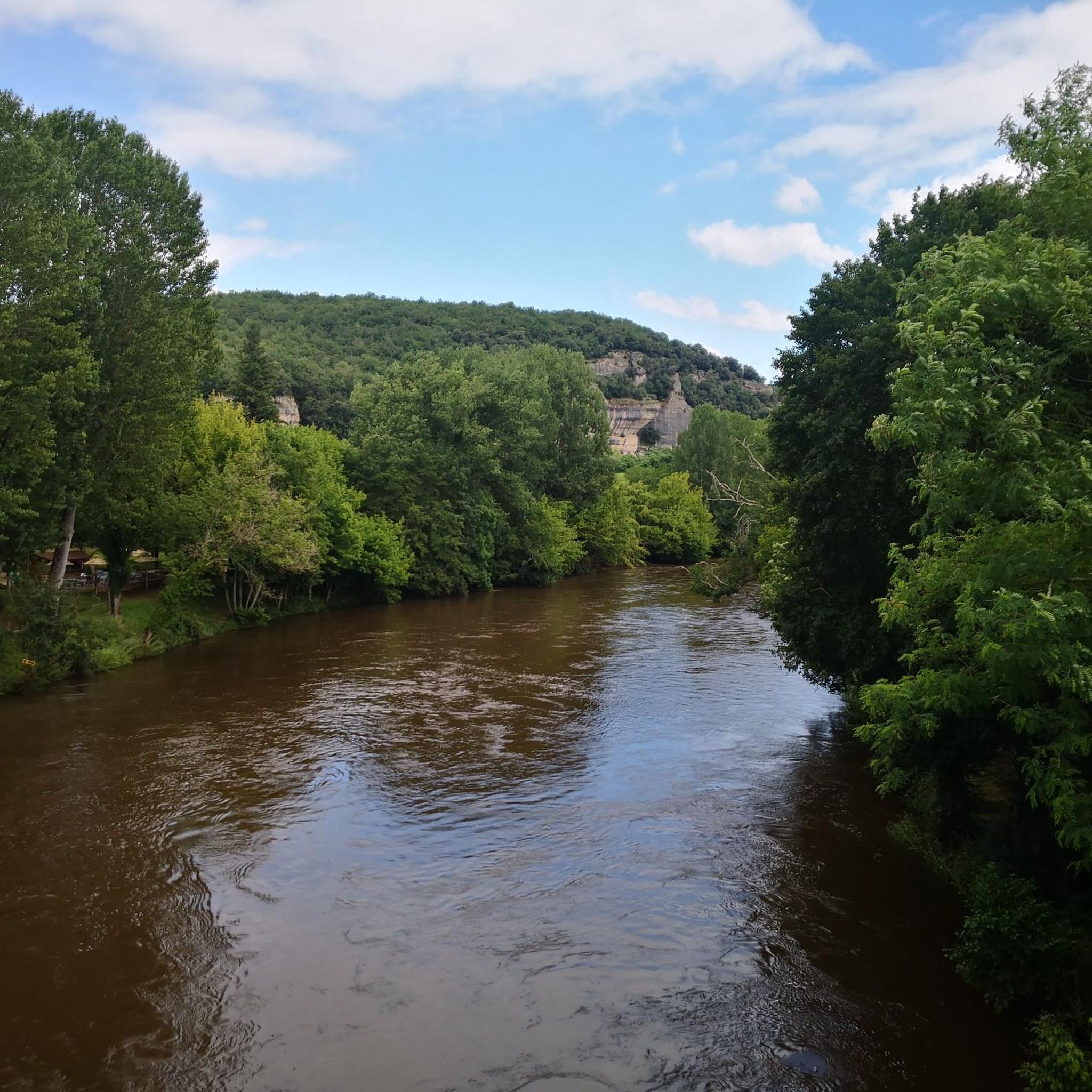
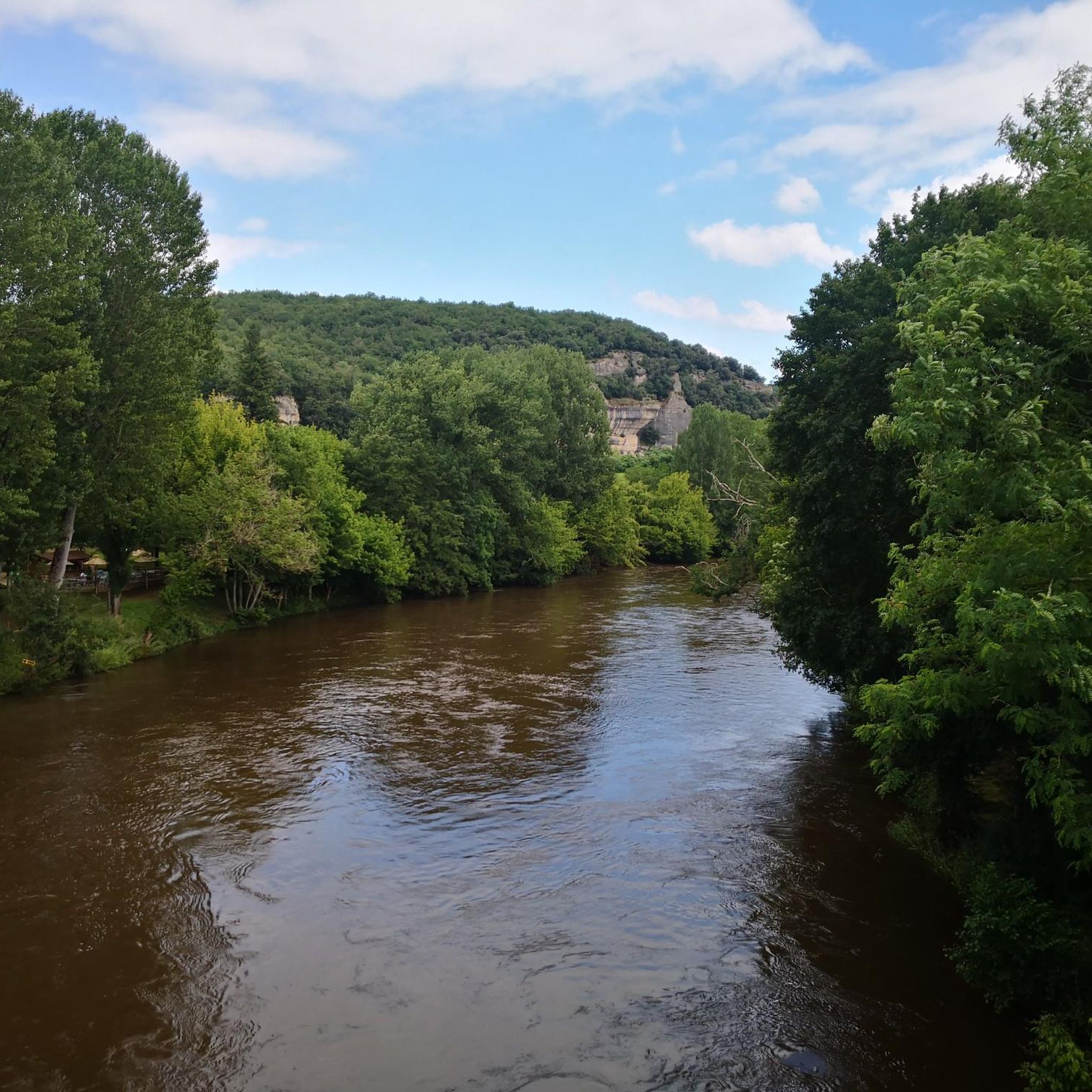
From the campsite you have a beautiful view of Limeuil on the opposite bank of the Dordogne. The site is a convenient starting point for exploring the surrounding area.
1
0
On an area of 8 hectares you can embark on a journey through time to the turn of the century around 1900 in this park - in German-speaking countries we would use the term "open-air museum". In the prospectus it says about the presentation of the system: "Our village transports you to the Périgord of the 20th century, a time when work in the field, traditions, simple pleasures and the precious gestures of artisans made up a whole art of living. Here this life has not stopped and is at any time of the year in full swing.Old rides, forgotten trades, farm animals, villagers and a multitude of objects, machines, machines, toys and tools that have survived the century tell us of the charm of yesteryear.As a nice addition: our park leaves with joy and Fun reliving the daily lives of our ancestors, a promise of memories for the elderly and great discoveries for the youngest!" (Text source: Brochure)
2
0

Welcome to the capital of prehistory! This is the nickname given to this modest village which follows the course of the Vézère. It must be said that the extraordinary sites that you can visit are numerous. In addition to the very richly supplied national museum, I encourage you to go to the Pôle de la préhistoire. Building entirely dedicated to this science and free. Find out about all the prehistoric marvels that can be admired in and around the town. They are not missing. It is not without reason that the Vézère valley has been nicknamed the valley of man.
2
1

Really incredibly impressive place - 50,000 years of human history on a rock face. Europe's largest settlement of this kind and also almost unique in the world - UNESCO World Heritage Site. Not to be missed! Ideal in the off-season when only a few people are out and about here.
1
0
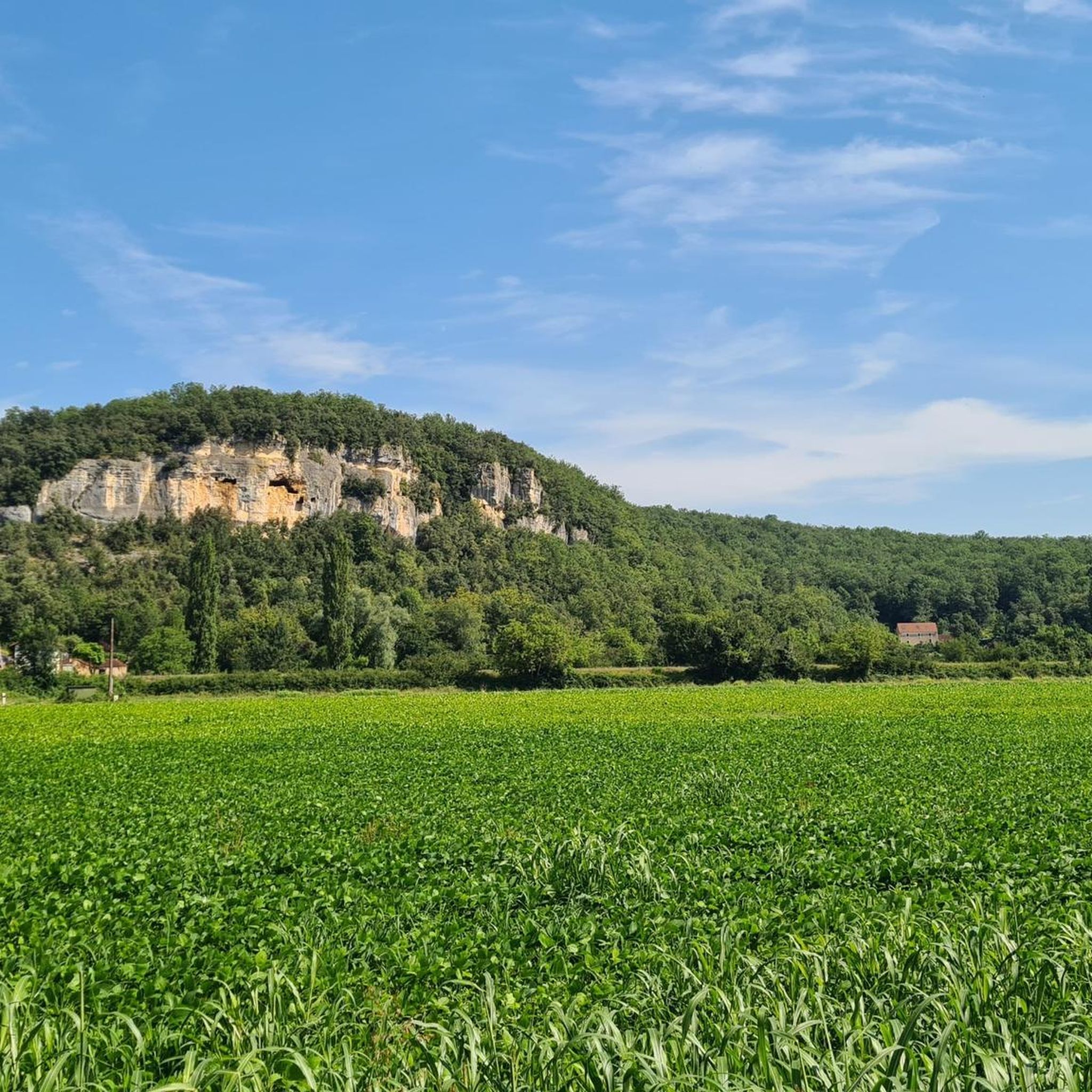
La Madeleine is a settlement site in present-day France that was used for thousands of years up until the early modern period. It was laid out about 5 km north-east of Les Eyzies-de-Tayac-Sireuil on a narrow loop of the Vézère. For the Upper Palaeolithic period of the Magdalenian period, this important find site acts as a type locality. It is located in the lower abri (rock overhang) below the chapel dedicated to Saint Magdalene of the troglodyte village. Around 17,000 years ago, Cro-Magnon people settled in the rock shelters beneath the south-facing cliffs of La Madeleine near the River Vézère. These offered natural protection against the effects of the weather, and the southern orientation warmed the settlement site. The emergence of the troglodytic settlements on the cliffs of La Madeleine in the 8th century has been proven. (Wikipedia)
2
0
Frequently Asked Questions
What historical sites can I explore around Saint-Cirq?
The region is rich in history, particularly prehistoric and medieval. You can visit La Roque Saint-Christophe, a cliff-side fortress inhabited since prehistoric times. Another significant site is Les Eyzies-de-Tayac, known as the 'capital of prehistory,' offering numerous extraordinary sites and a national museum. Don't miss the Abri de La Madeleine, an important Paleolithic settlement site.
Are there any family-friendly attractions near Saint-Cirq?
Yes, families can enjoy several attractions. Le Bournat Open-Air Museum offers a journey back to the turn of the 20th century with old rides, forgotten trades, and farm animals. The village of Saint-Cirq-Lapopie itself, with its medieval streets and artisan workshops, is charming for all ages. Additionally, the nearby La Plage de Saint-Cirq-Lapopie provides a man-made beach for swimming and relaxation along the Lot River.
What natural features and viewpoints are there to discover?
Saint-Cirq-Lapopie is perched on a cliff overlooking the Lot River, offering stunning panoramic views from the ruins of its medieval fort and castle. The Lot River itself provides opportunities for boat trips and kayaking. You can also explore the ancient Chemin de Halage (Towpath) carved into the rockface along the river. For dramatic landscapes, the Falaises du Lot et du Célé offer excellent hiking and birdwatching opportunities with exceptional viewpoints.
Where can I find prehistoric cave art or settlements?
The region is renowned for its prehistoric heritage. The La Roque Saint-Christophe site features natural cavities inhabited since prehistoric times. Les Eyzies-de-Tayac is considered the capital of prehistory, with numerous sites and a dedicated museum. Just below Saint-Cirq-Lapopie, the Grotte du Pech Merle contains handprints and cave paintings dating back to 25,000 BC.
What outdoor activities can I do near these attractions?
The area around Saint-Cirq offers diverse outdoor activities. You can find numerous routes for mountain biking, road cycling, and running. For MTB, explore trails like the 'Playful trail – Bridge loop from Les Eyzies'. Road cyclists can enjoy routes such as 'View of Limeuil – Saint Martin Church loop from Le Bugue'. Runners have options like the 'Running loop from Saint-Cirq'. For more details and routes, visit the dedicated guides for MTB Trails around Saint-Cirq, Road Cycling Routes around Saint-Cirq, and Running Trails around Saint-Cirq.
Are there any easy walking routes suitable for all abilities?
Yes, the Chemin de Halage (Towpath), carved into the rockface along the Lot River, offers a relatively flat and scenic walking experience. It's about three miles long and passes old mills and artistic carvings. The village itself is also pleasant to explore on foot, though some streets are cobbled and steep.
What is the best time of year to visit Saint-Cirq-Lapopie?
The summer months are vibrant, with festivals like the Festival de Saint-Cirq-Lapopie in July and evening markets. However, for outdoor activities like hiking and cycling, spring and autumn offer milder temperatures and fewer crowds, making them ideal for exploring the natural beauty of the Lot Valley and its historical sites.
What cultural experiences does Saint-Cirq-Lapopie offer?
Saint-Cirq-Lapopie has a rich artistic heritage. You can visit the Maison André Breton, home to the International Centre of Surrealism. The village is also home to many artisan workshops and galleries showcasing local crafts. The Musée Rignault, housed in a Renaissance mansion, displays art related to the village's history, and a small Wine Museum offers tastings of local produce.
Can I go wild swimming or find beaches nearby?
While the Lot River is central to the region, for designated swimming, La Plage de Saint-Cirq-Lapopie offers a picturesque man-made beach along the river, ideal for a tranquil escape and family enjoyment.
What do visitors enjoy most about the attractions around Saint-Cirq?
Visitors frequently appreciate the blend of history and natural beauty. For instance, the road along the Vézère, passing La Roque Saint-Christophe, is described as 'really pleasant' due to its concentration of Paleolithic sites. The area around Les Eyzies-de-Tayac is praised for its 'extraordinary sites' and rich prehistoric marvels. The views from places like Le Port de Limeuil Campsite, overlooking Limeuil and the Dordogne, are also highly valued.
Are there any unique accommodations or places to stay near the attractions?
While not an attraction itself, Le Port de Limeuil Campsite is highlighted as a very nice option right on the Dordogne, offering beautiful views of Limeuil and serving as a convenient starting point for exploring the surrounding area.
How long should I plan for a visit to Saint-Cirq-Lapopie and its surroundings?
To fully appreciate the medieval village, its artistic heritage, and some of the key historical and natural sites like the Grotte du Pech Merle or the Chemin de Halage, a minimum of two to three days is recommended. This allows time for leisurely exploration, a river activity, and visiting one or two major prehistoric sites in the wider region.
Most popular routes around Saint-Cirq
Most popular attractions around Saint-Cirq

Get inspired with the komoot mobile app


Explore more
Still not found the Highlight you’re looking for? See guides of the top attractions in other regions:
