Attractions and Places To See around Saint-Michel-De-Boulogne - Top 20
Best attractions and places to see around Saint-Michel-De-Boulogne include a mix of historical landmarks and natural landscapes within the Hautes Cévennes Ardéchoises. The area is characterized by extensive chestnut groves and is bordered by the Oize and Boulogne rivers. Visitors can explore ancient sites and enjoy marked hiking trails that traverse a landscape shaped by human activity, including dry stone terraces. This region offers opportunities to discover historical architecture and natural features.
Best attractions and places to see around Saint-Michel-De-Boulogne
…Last updated: August 26, 2026
Jastres Oppidum
Highlight • Other
"Gallic oppidum of the barred spur type, dominating the Ardèche. On the accessible side, it is defended by a monumental wall presenting three stages of construction. The first …
Translated by Google •
Tip by

Col du Benas (795 m)
Highlight • Mountain Pass
Translated by Google •
Tip by

Sign up now to discover places like this
Get recommendations on the best single tracks, peaks, & plenty of other exciting outdoor places.
Sign up for free
La Roche Castle
Highlight • Castle
Translated by Google •
Tip by

Castles of Craux
Highlight • Castle
Translated by Google •
Tip by
The Hermitage of Ucel
Highlight • Historical Site
Translated by Google •
Tip by

Sign up for free to discover even more attractions around Saint-Michel-De-Boulogne.
Sign up for free
Already have an account?
Start today with a free account
Your next adventure awaits.
Login or Signup
Popular around Saint-Michel-De-Boulogne

Tips from the Community

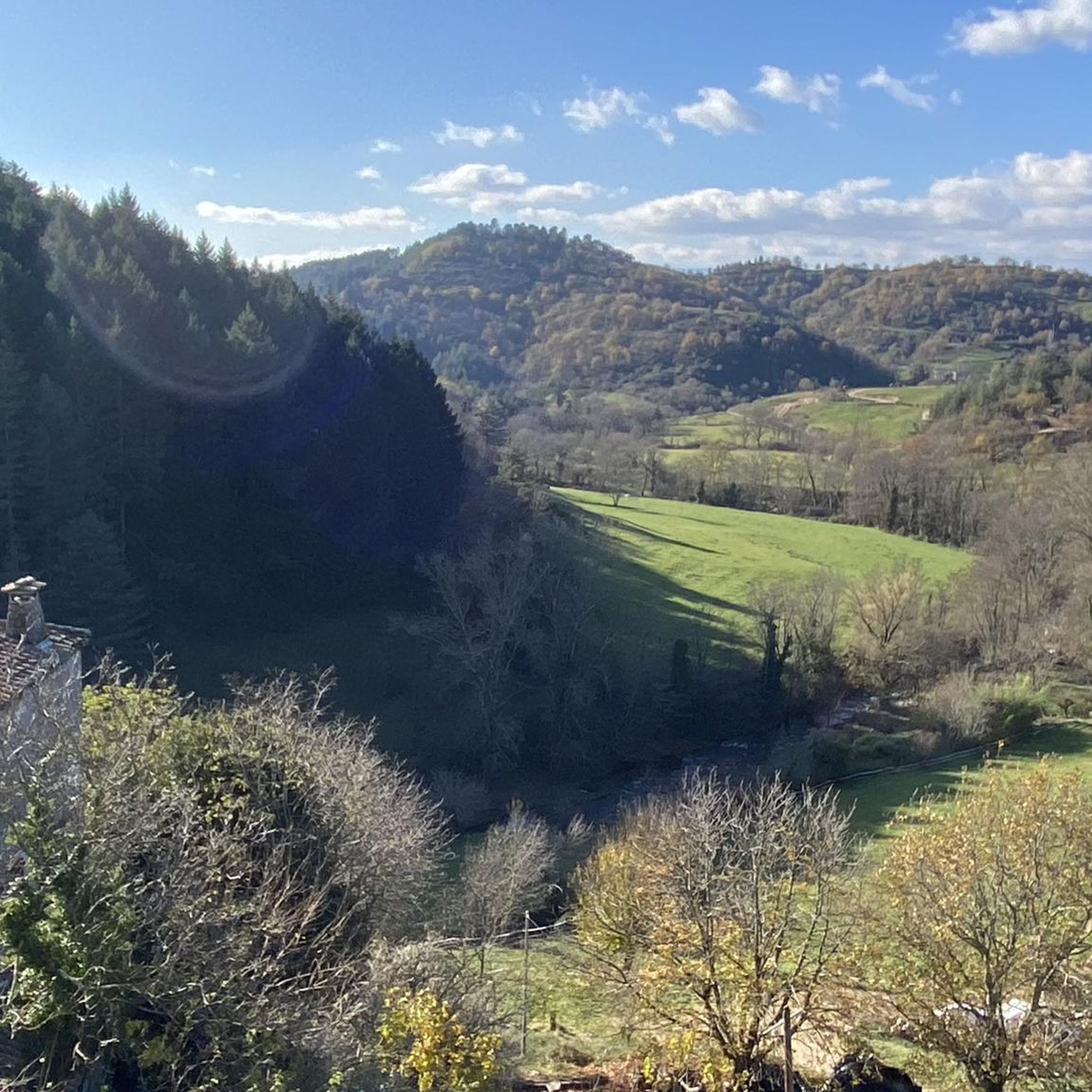
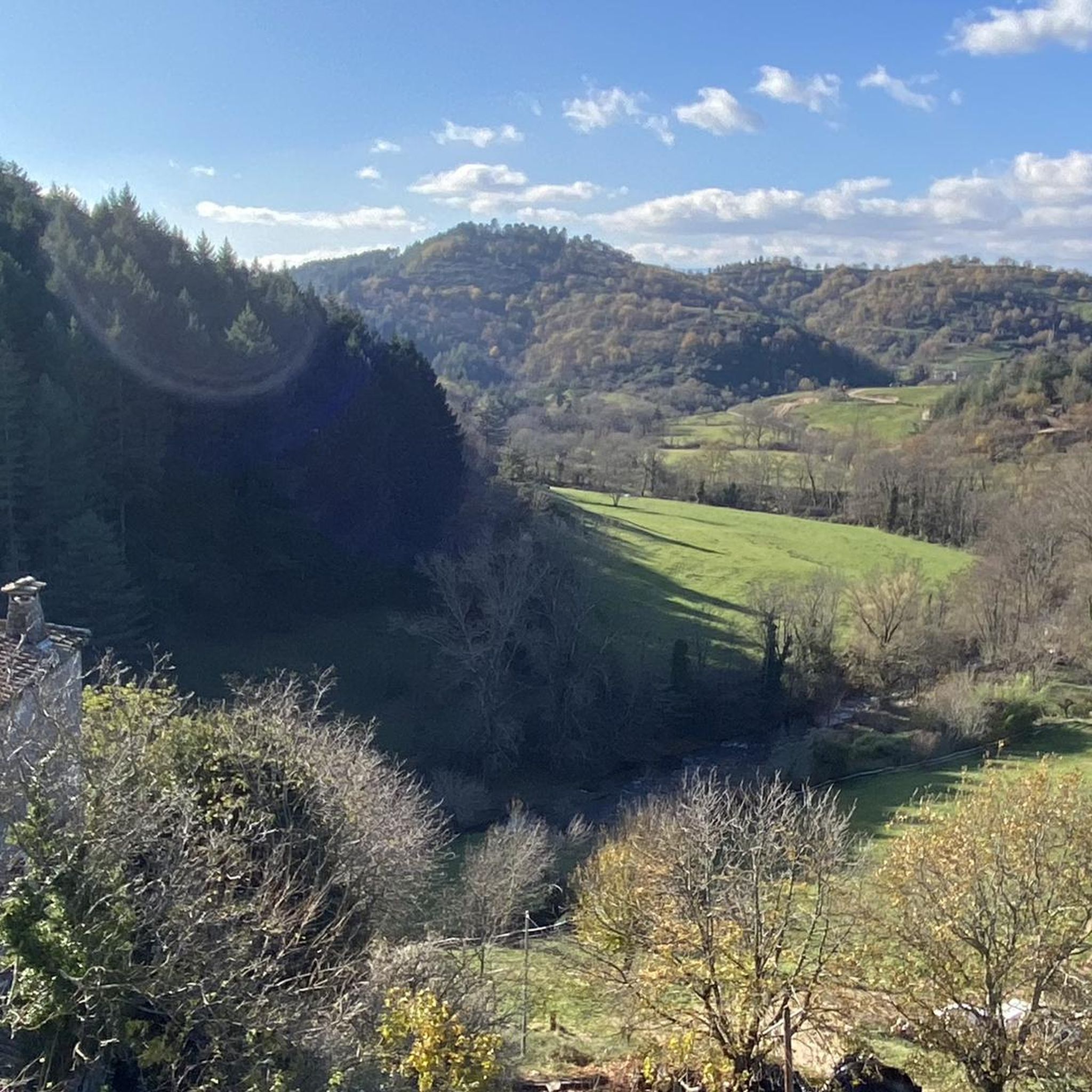
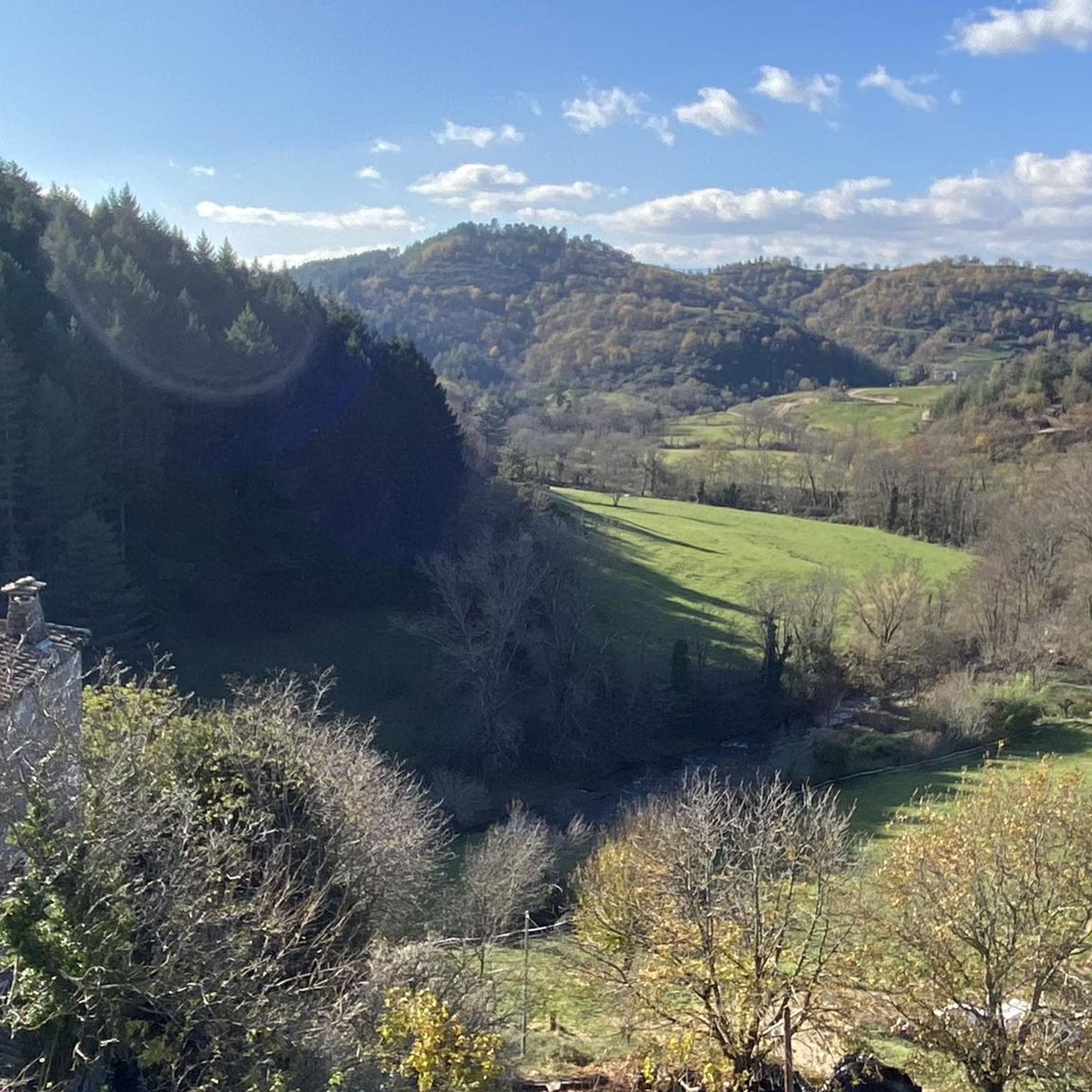
Quiet and rural, well shaded for a summer hike when it's hot. Be careful, you have to cross the campsite at the start to cross the river.
0
0
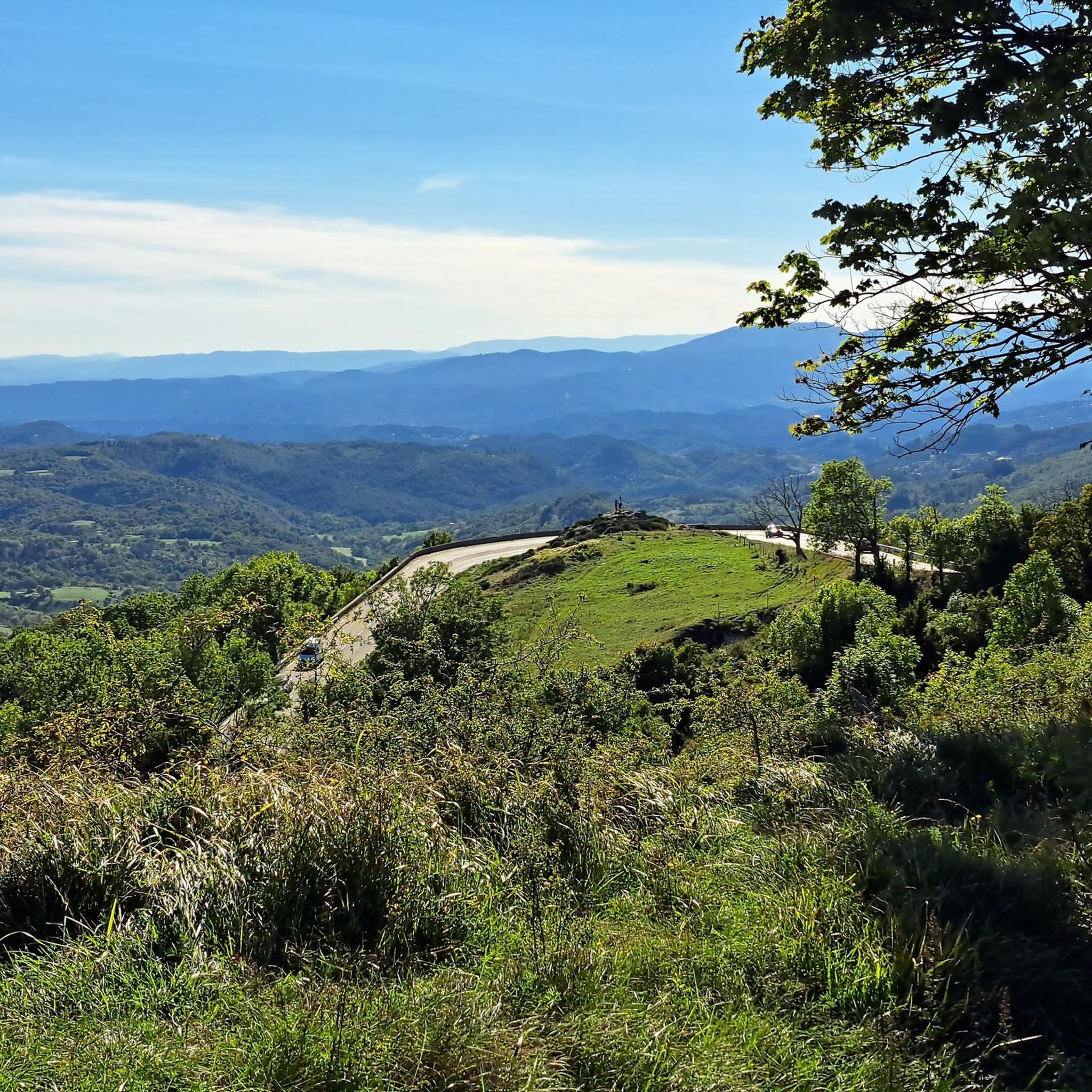
Maximum slopes of 6.2% in the Benas David pass, we didn't have to do the same. And then 17.5 km with a flat area which can make it seem shorter if you don't have the wind in your face. There are some passages that are even steeper. I consider it more difficult than Ventoux from Areau to Chalet Reynard 20km. But it is true, a very nice pass to do, for a good beginner like me aged... (Lol).. And a good preparation in comparison therefore for the Ventoux from Areau done the next day, in which it was necessary to have kept strength for the 6 deniers kilometres.
0
0

Sources: https://www.pop.culture.gouv.fr/notice/merimee/PA00116726 "Gallic oppidum of the barred spur type, dominating the Ardèche. On the accessible side, it is defended by a monumental wall presenting three stages of construction. The first is represented by a rectilinear dry stone wall, pierced by a cart door which delimits a four-hectare oppidum, dated 130 AC Then, the enlargement of the oppidum results in a massive work punctuated by square towers involved in the work. An external clavicula, usually found in Roman camps and serving as the forward defense of the gate, and the use of mortar to bind the core are seen in this second phase dating back to around 80 AC. Finally, a third phase, around 50 AC, doubles this construction of overhanging towers, alternately round and square. This last state uses mortar more widely for facings and towers. At the rear of these fortifications is perceptible a habitat composed of houses of different sizes interspersed by a network of roads. This site is undoubtedly the former administrative center of the city of the Helvians, before the creation of Alba Helviorum."
1
1

The Col du Benas from Privas is 13.5 km long with a total drop of 515 m. The average gradient is 3.7% with maximum gradients of 6.2%.
1
0

This basaltic plateau was actually home to two castles, one on the eastern slope and the other on the western slope. The eastern castle has disappeared, leaving the tower of the western castle balanced on the edge of the rocky plateau.
2
0
The castle is located on the basalt field of the old volcano of Craux and dominates the valleys of Volane and Sandron. The castle was built in the 11th century as a hunting lodge. It was occupied for the last time in 1944 before being bought by the municipality in 1994 and restored.
6
0
This basaltic plateau actually housed two castles, one on the eastern slope and the other on the western slope. The eastern castle has disappeared, leaving the tower of the western castle balanced on the edge of the rocky plateau.
2
0

Very nice little hike with beautiful views. Attention passage by the obligatory camp-site but the owner is super sympathetic nerve.
0
0
Frequently Asked Questions
What historical sites can I explore around Saint-Michel-De-Boulogne?
The region is rich in history. You can visit the impressive ruins of the medieval La Roche Castle, which was once a significant Gothic fortress. Another notable site is the Castles of Craux, an 11th-century hunting lodge that has been restored. Don't miss the Jastres Oppidum, an ancient Gallic settlement with monumental walls, or The Hermitage of Ucel, a historical site offering a peaceful trail through a forest.
What natural features can I discover in Saint-Michel-De-Boulogne?
Saint-Michel-De-Boulogne is nestled within the extensive chestnut groves of the Hautes Cévennes Ardéchoises, offering a picturesque natural backdrop. The area is also crisscrossed by the Oize and Boulogne rivers. For panoramic views, you can hike to the Col du Benas (795 m), a mountain pass known for its scenic vistas.
Are there hiking trails near the attractions in Saint-Michel-De-Boulogne?
Yes, the village and its surroundings are excellent for hikers. You can find numerous marked trails winding through natural landscapes and historical terraces. Popular routes include the "Boulogne Castle – View of the Ardèche loop" and the "Roche de Gourdon loop." For more options, explore the Hiking around Saint-Michel-De-Boulogne guide.
What kind of terrain can I expect on hiking trails around Saint-Michel-De-Boulogne?
The terrain around Saint-Michel-De-Boulogne is varied, featuring paths through century-old chestnut trees, dry stone terraces, and rocky areas, particularly around historical sites like La Roche Castle. Trails can range from gentle riverside walks to more challenging ascents, such as those leading to the Roche de Gourdon.
Are there any viewpoints offering scenic vistas?
Absolutely. The remaining tower of La Roche Castle offers great views from its position on a rocky plateau. The Col du Benas (795 m) is another excellent viewpoint, providing expansive panoramas. Additionally, The Hermitage of Ucel trail also offers beautiful views in a quiet, rural setting.
What outdoor activities are available besides hiking?
Beyond hiking, the region offers opportunities for mountain biking and running. You can find various routes for these activities, such as the "Magnificent grassy track" for MTB or the "Col d'Auriolles loop" for running. Check out the MTB Trails around Saint-Michel-De-Boulogne and Running Trails around Saint-Michel-De-Boulogne guides for detailed routes.
What is the best time to visit Saint-Michel-De-Boulogne for outdoor activities?
The region is generally pleasant for outdoor activities from spring through autumn. Spring brings blooming nature, while autumn offers beautiful foliage, especially in the chestnut groves. Summer can be warm, but many trails, like the one at The Hermitage of Ucel, are well-shaded, making them suitable for warmer days.
Are there any family-friendly attractions or activities?
The historical sites, such as the ruins of La Roche Castle and Castles of Craux, can be engaging for families interested in history. Many of the marked hiking trails are also suitable for families, offering opportunities to explore nature and the traditional village landscape together. Always check the difficulty of specific routes before heading out.
What do visitors enjoy most about the attractions around Saint-Michel-De-Boulogne?
Visitors particularly appreciate the blend of historical significance and natural beauty. The quiet, rural setting of sites like The Hermitage of Ucel, the impressive ruins of La Roche Castle, and the scenic views from places like Col du Benas are frequently highlighted. The opportunity to explore ancient sites and enjoy marked hiking trails through chestnut groves is also a major draw.
Can I find any ancient Romanesque architecture in the area?
Yes, for those interested in ancient architecture, the village features a 13th-century Romanesque chapel, which contributes to the area's rich historical heritage.
What is the significance of the Jastres Oppidum?
The Jastres Oppidum is a significant Gallic settlement, characterized by its monumental wall with three stages of construction. It is believed to have been the former administrative center of the Helvians before the creation of Alba Helviorum, offering a fascinating glimpse into ancient history.
Are there any specific trails that lead through the famous chestnut groves?
Many of the marked hiking trails in the region wind through the extensive chestnut groves of the Hautes Cévennes Ardéchoises. For instance, trails leading to the Roche de Gourdon are known to pass through century-old chestnut trees, showcasing the region's agricultural past and natural beauty.
Most popular routes around Saint-Michel-De-Boulogne
Most popular attractions around Saint-Michel-De-Boulogne

Get inspired with the komoot mobile app


Explore more
Still not found the Highlight you’re looking for? See guides of the top attractions in other regions:
